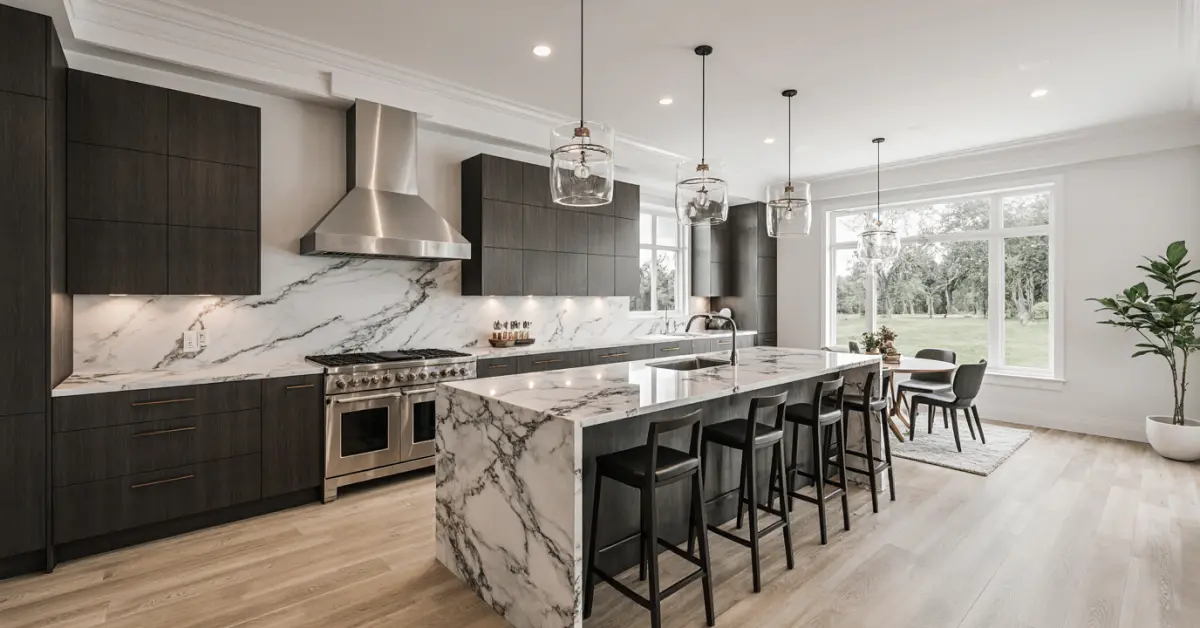
The most common mistake when choosing a kitchen style in Sarasota isn't picking the wrong color or countertop. It's selecting a style based on a national design magazine and then trying to force materials to fit that aesthetic, ignoring the fact that our coastal climate will actively try to destroy them. The most successful kitchen designs here start with materials engineered for humidity and salt air, and then derive the style from that practical foundation.
Executive Summary: Adapting Kitchen Design to the Sarasota Environment
In my 15 years designing and building kitchens from Casey Key to The Meadows, I've learned that a successful Sarasota
In my 15 years designing and building kitchens from Casey Key to The Meadows, I've learned that a successful Sarasota kitchen is a blend of coastal-inspired aesthetics and robust, climate-appropriate engineering. The conversation must start with performance, not just looks. The humid, salt-laden air dictates material choices, and local building codes, especially in waterfront areas, add structural requirements that influence layout and cabinet construction. A purely aesthetic choice often leads to premature failure and costly repairs.
- Material Durability is Non-Negotiable: Standard MDF and certain solid woods will warp or swell. Marine-grade plywood, solid acrylics, and specialized engineered materials are essential for longevity.
- Ventilation is a Design Element: Proper ventilation is not just about code compliance; it’s a core part of preserving the kitchen itself from moisture and mildew. This impacts hood selection and cabinetry layout.
- Hardware Must Resist Corrosion: Salt air corrodes standard chrome and nickel. Finishes like PVD (Physical Vapor Deposition) on stainless steel or solid brass are critical for fixtures and hardware.
- HOA/Condo Board Pre-Approval is Mandatory: In communities like Lakewood Ranch or on Longboat Key, the design review process can add 45-90 days to your timeline and dictates everything from cabinet color to appliance brands.
The Planning Failures That Define a Sarasota Remodel
The most significant planning failures I see stem from underestimating our local environment. Clients bring beautiful inspiration photos from places with dry, stable climates, and the first, difficult conversation is explaining why those exact materials will fail here. The disconnect between a desired look and the necessary materials creates friction and budget surprises down the line.
The Most Expensive Failure: Ignoring Humidity's Impact on Cabinetry
The costliest mistake is choosing cabinet materials based solely on appearance or initial price. A client with a beautiful home west of the Trail wanted a classic painted maple kitchen with intricate shaker doors. Despite warnings, they insisted. Within three years, the joints on the doors began to show hairline cracks as the wood expanded and contracted with the relentless humidity. The paint finish couldn't keep up. The ultimate cost was a complete refacing project five years later, which cost nearly 60% of the original cabinet budget.
How a Localized Kitchen Design Process Unfolds
A Sarasota-specific kitchen design process prioritizes climate resilience from the very first meeting. It's not a linear path from style to finish; it's an integrated process where material science, building codes, and aesthetics are considered simultaneously. The goal is to create a design that looks intentional, not like a series of compromises.
Selection Criteria for a Sarasota Home
- Cabinet Box Construction: Is the core material marine-grade plywood or a high-density engineered composite designed for high-humidity environments? Standard particleboard or furniture-grade plywood is a red flag.
- Finish and Sealing Process: Ask for details on the finishing process. Is it a factory-applied, catalyzed conversion varnish? This type of finish creates a much harder, less permeable barrier against moisture than standard lacquer or paint.
- Hardware and Fastener Specification: Verify that all hardware, from hinges and drawer slides to fasteners, is specified as 304 or 316-grade stainless steel, especially for homes on or near the water.
- Florida Building Code Compliance: The designer must demonstrate how cabinet anchoring and appliance installation meet or exceed standards for High-Velocity Hurricane Zones (HVHZ), even if not strictly required, as it indicates a higher standard of build quality.
Comparing Dominant Sarasota Kitchen Styles
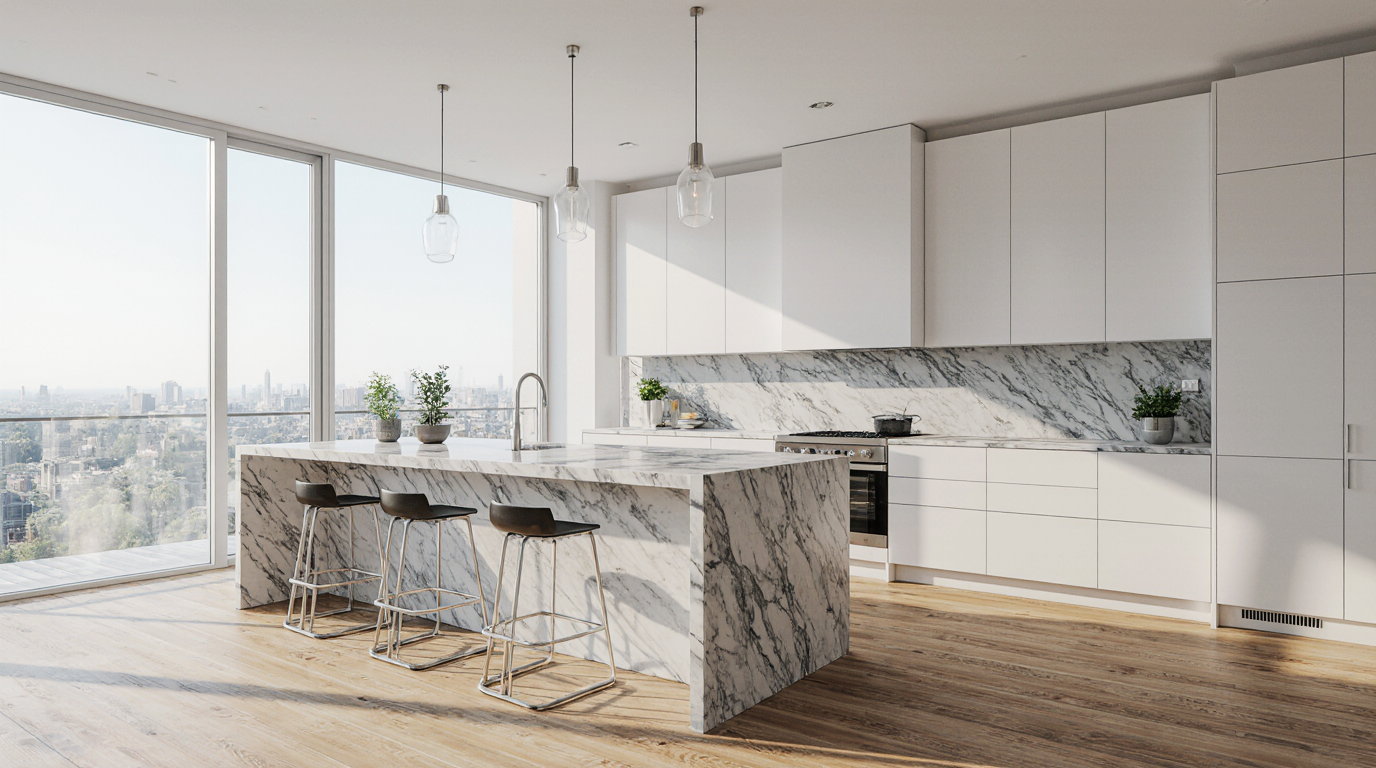
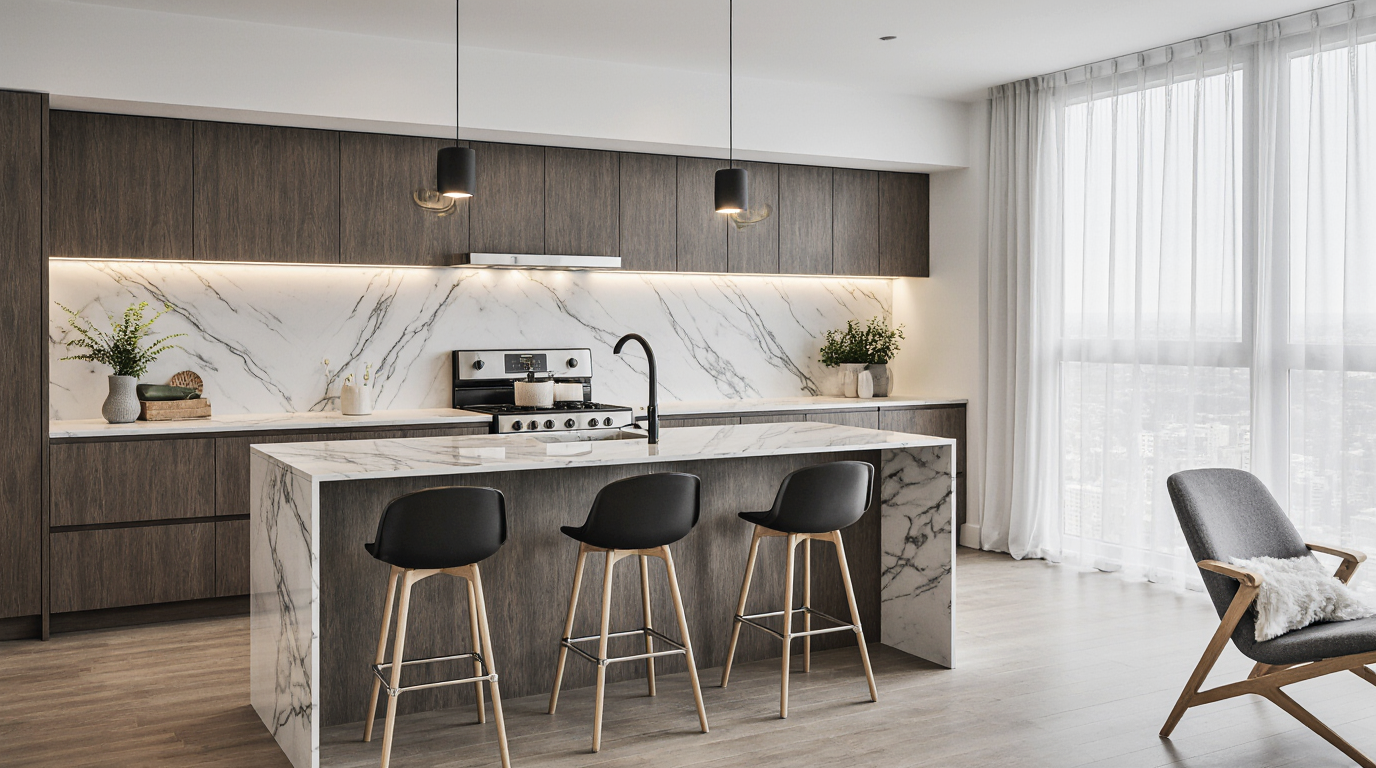
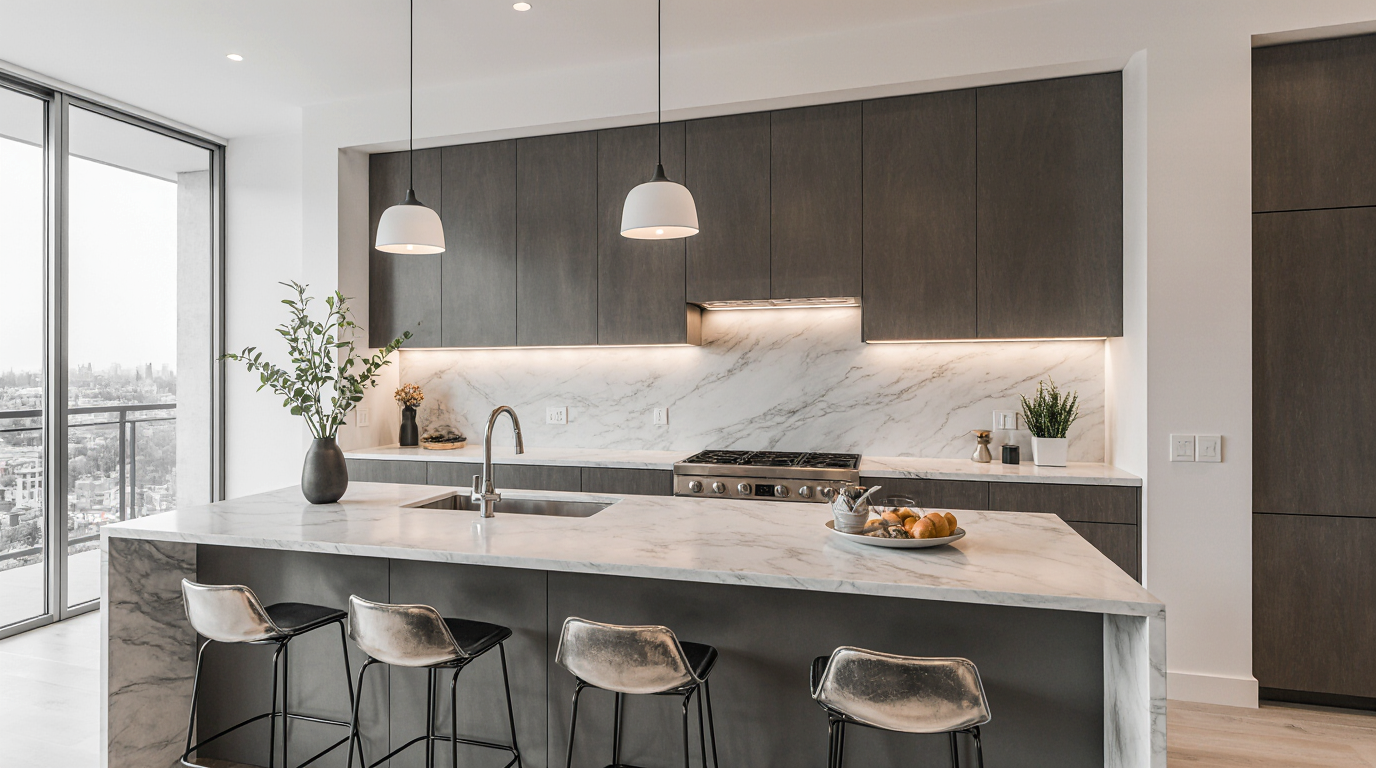
The choice of style directly impacts long-term maintenance and durability. A minimalist, slab-door style has fewer joints to fail from humidity than an intricate traditional design. This table compares the practical realities of the three most requested styles in our market.
| Feature | Coastal Modern | Transitional | West Indies / British Colonial |
|---|---|---|---|
| Material Suitability | Excellent. Favors acrylics, laminates, and engineered woods that are stable in humidity. | Good. Can use stable engineered materials but often requires careful wood selection (e.g., quarter-sawn oak) to prevent joint failure on shaker doors. | Challenging. Relies on dark woods and louvers, which are highly susceptible to moisture damage and difficult to clean. Requires premium materials and impeccable sealing. |
| Maintenance in Salt Air | Low. Flat, non-porous surfaces are easy to wipe down. Minimalist hardware is less prone to pitting. | Moderate. Shaker doors have recesses that can trap salt and grime. Hardware selection is crucial. | High. Louvered doors, intricate carvings, and dark finishes show salt residue and are difficult to maintain. |
| HOA/Condo Board Acceptance | High in new developments and modern condos. May face resistance in more traditional communities. | Very High. Its classic-but-clean look is widely accepted across most Sarasota communities. | High in specific communities like Bird Key or those with a classic architectural theme, but can be seen as dated elsewhere. |
When a Highly Ornate Style Is the Wrong Choice
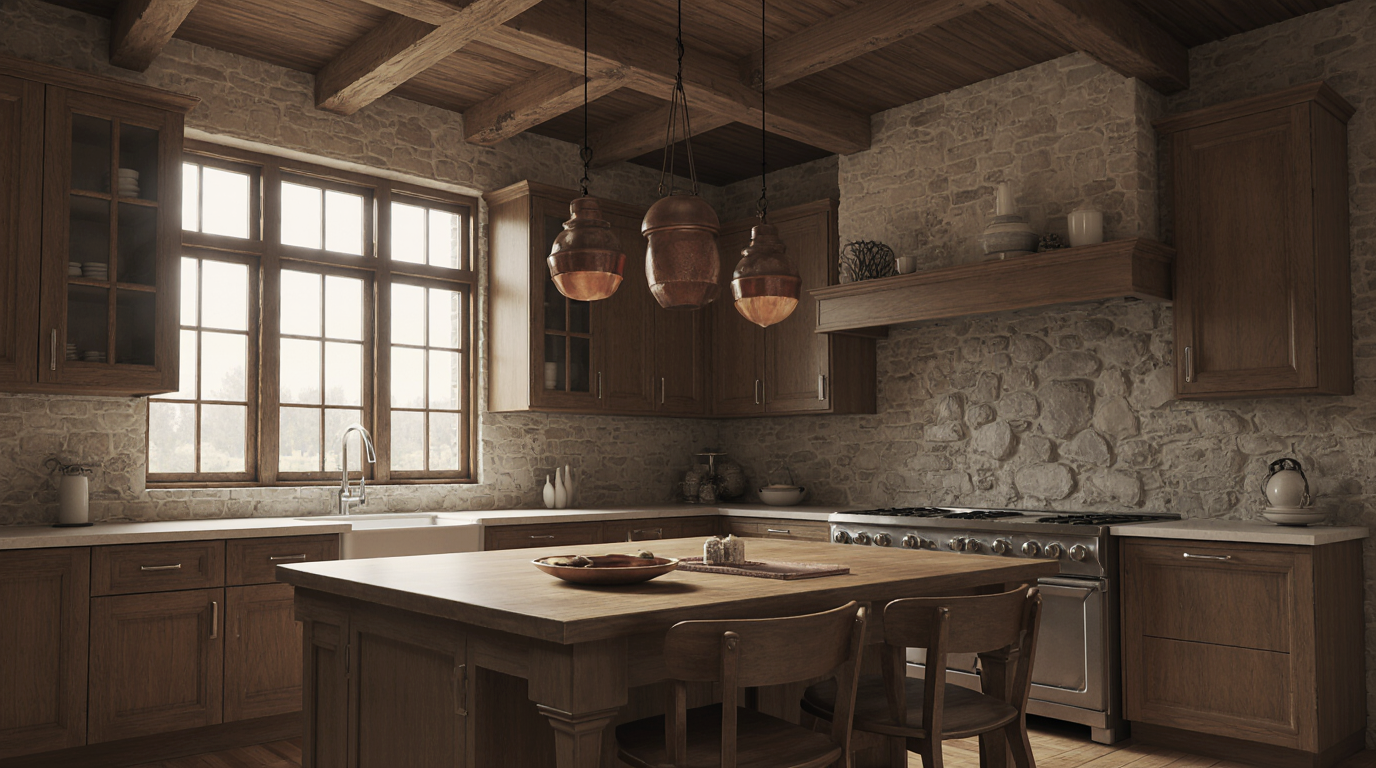
A highly detailed, traditional style kitchen, like a French Country or intricate Tuscan design, is almost always a poor investment for a primary residence in Sarasota. The high humidity causes constant expansion and contraction in the wood, which inevitably leads to visible cracks in the paint and finish at the countless joints. These styles also feature complex moldings and crevices that are magnets for dust and mildew in our humid air, creating a constant cleaning burden.
Safe Design & Build Checklist for Sarasota
This is not a generic checklist. These are the specific verification steps I take on every project in this area to protect the client's investment and ensure the final product withstands our unique environmental pressures.
- Request a Material Specification Sheet: Before signing, demand a detailed spec sheet listing the exact materials for cabinet boxes, doors, and drawer fronts. “Plywood” is not enough; it must specify “marine-grade” or a specific, moisture-resistant composite brand.
- Verify the Contractor’s License and Insurance: Check their license on the Florida Department of Business and Professional Regulation (DBPR) portal. Confirm their liability and worker's compensation insurance specifically covers projects in Sarasota County.
- Review the HOA/Condo Design Submittal Package: Ask to see a redacted example of a package they have successfully submitted to a local HOA like the one in Palmer Ranch. This demonstrates their familiarity with the rigorous local approval processes.
- Confirm Use of Stainless Steel Fasteners: Ensure the contract specifies stainless steel screws and fasteners for all cabinet installations, especially in homes east of I-75 where salt air is still a factor.
- Discuss Dehumidification and HVAC Plan: For any major remodel, the plan must include how the HVAC system will manage humidity during and after construction. A beautiful kitchen in a home with poor moisture control is a failed project.
Decisions That Determine the Final Outcome
The most successful kitchen projects in Sarasota are not defined by the budget, but by the client's willingness to prioritize performance-driven materials over a predetermined aesthetic. I’ve seen modest budgets produce stunning, durable kitchens because the homeowner accepted that a high-performance laminate door was a smarter choice than a solid wood door that would warp.
The Exact Moment When the Majority Gets It Wrong
The critical misstep happens during the material selection phase. Most people choose their door style and color first, then try to find a material that fits. This is backward for our climate. The correct approach is to first select the most stable and durable core material you can afford—be it marine-grade plywood, a phenolic resin composite, or high-grade acrylic. Only then should you explore the door styles and finishes available for that specific, climate-appropriate material. This single shift in sequence prevents 90% of future moisture-related failures.
Practical Answers About Kitchen Projects in Sarasota
Navigating a kitchen remodel here involves more than just design and construction. It requires an understanding of local regulations, review boards, and the unique challenges of building on or near the coast.
Permitting Timelines with Sarasota County
For a kitchen remodel involving moving walls, electrical, or plumbing, you will need a permit from Sarasota County. Simple cabinet replacement often does not. As of late 2023, plan for a permit review timeline of 4 to 6 weeks after submission for a standard interior remodel. This does not include the time required to produce the architectural drawings needed for the application, which can take an additional 2 to 4 weeks.
Navigating Longboat Key's Stringent Design Reviews
The Town of Longboat Key, and the condominium associations within it, have some of the most rigorous design review processes in the area. Submissions often require specifying not just materials and colors, but also the decibel rating of appliances like dishwashers and exhaust hoods to comply with noise ordinances. The approval process can easily add two months to your project's start date, a critical factor for seasonal residents.
The 'Coastal Construction Control Line' (CCCL) Impact
If your property is located seaward of the CCCL, as many are on Siesta Key and Lido Key, any substantial renovation can trigger additional requirements from the Florida Department of Environmental Protection (FDEP). While this primarily affects structural work, it can have knock-on effects for your kitchen remodel, such as requiring specific types of window and door installations that might affect your kitchen layout and budget. It is essential your contractor is experienced with CCCL regulations.