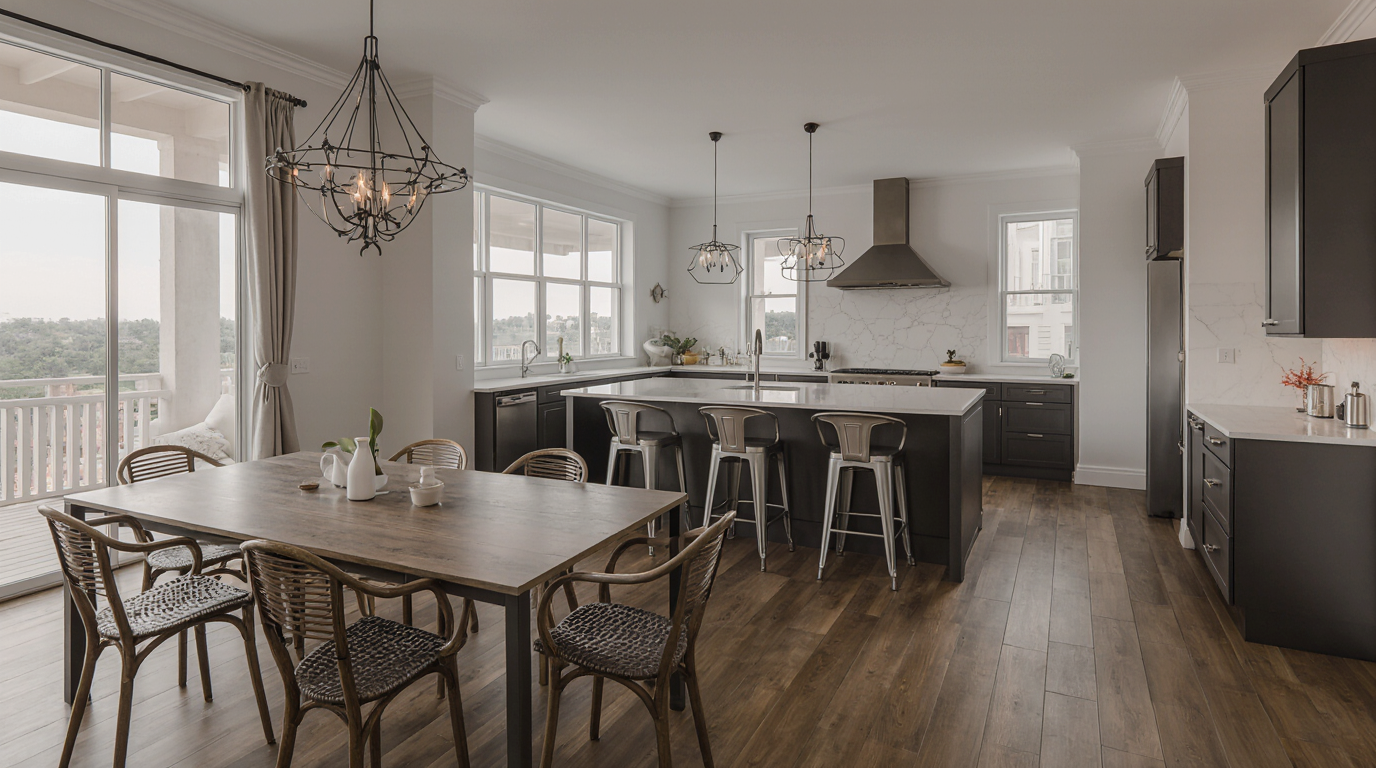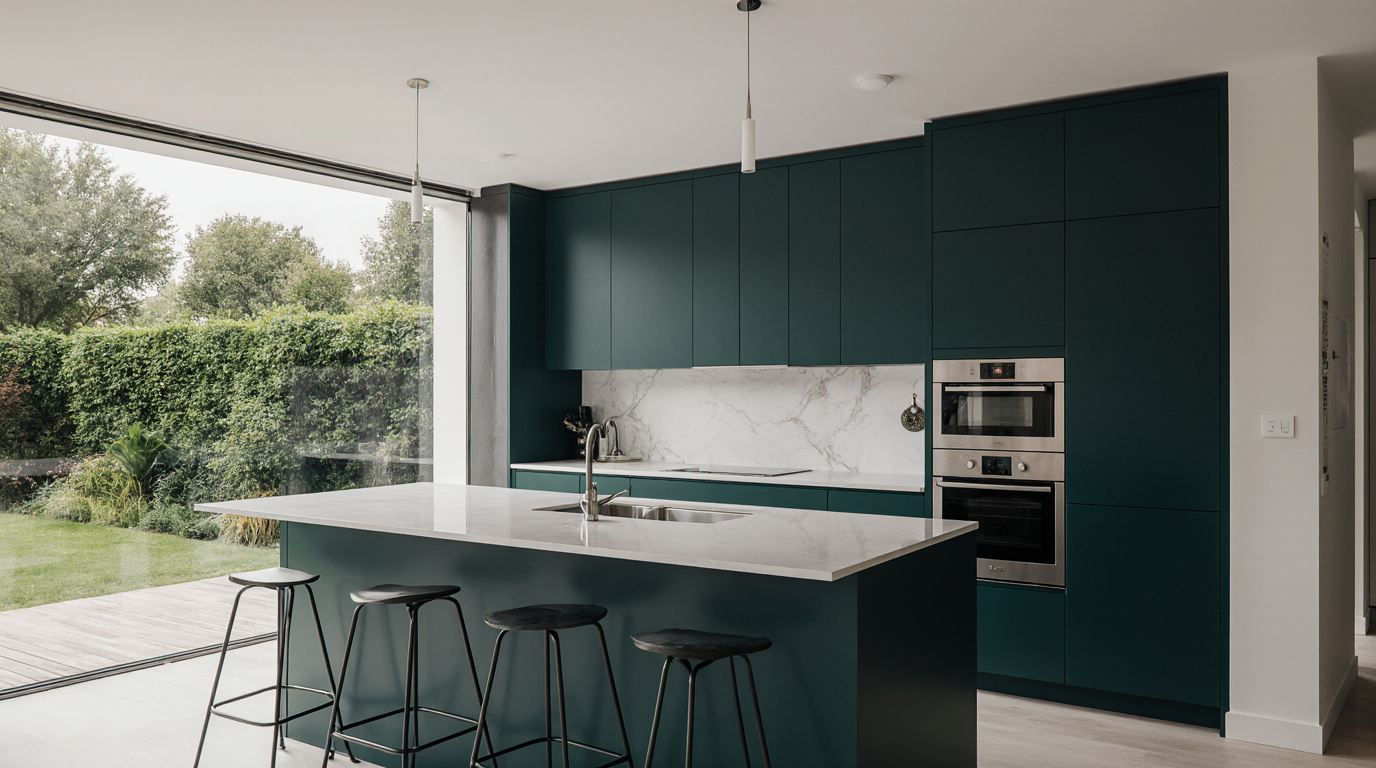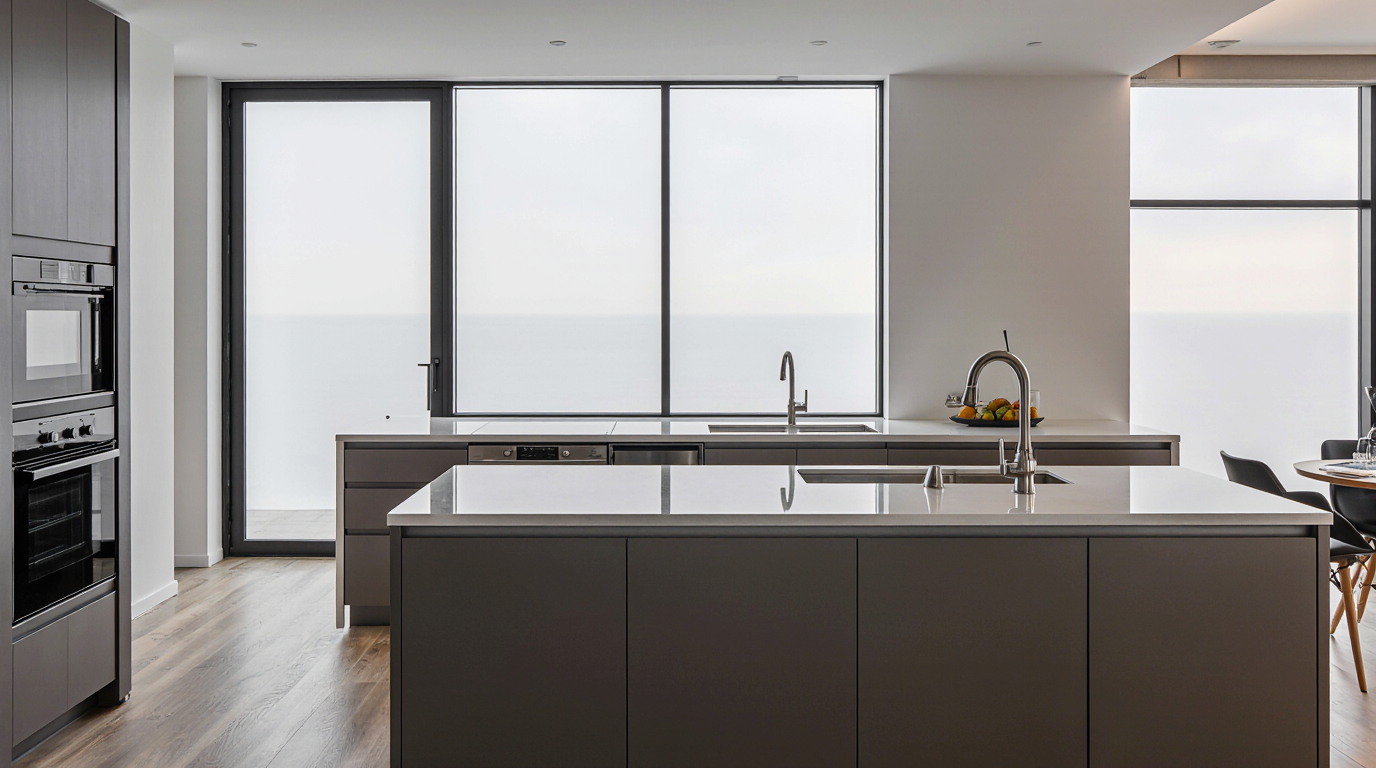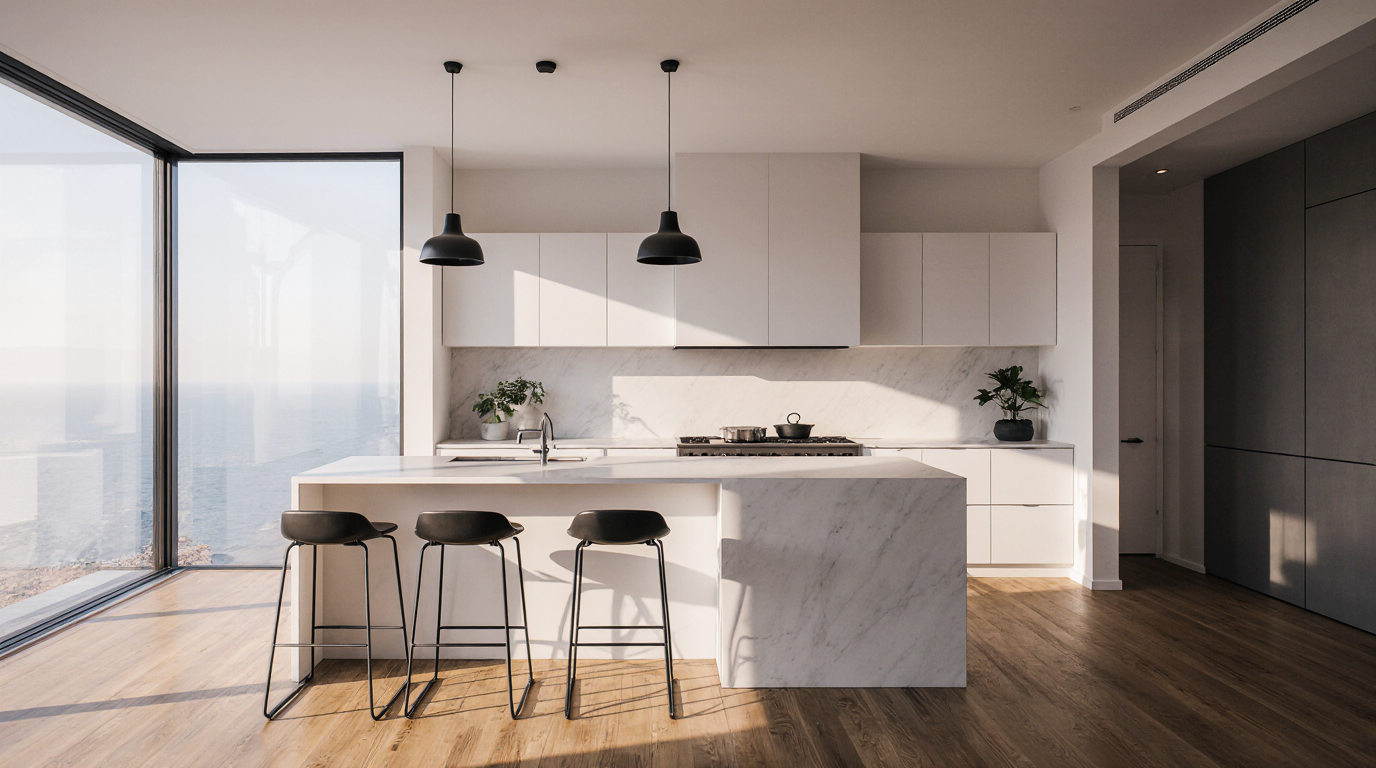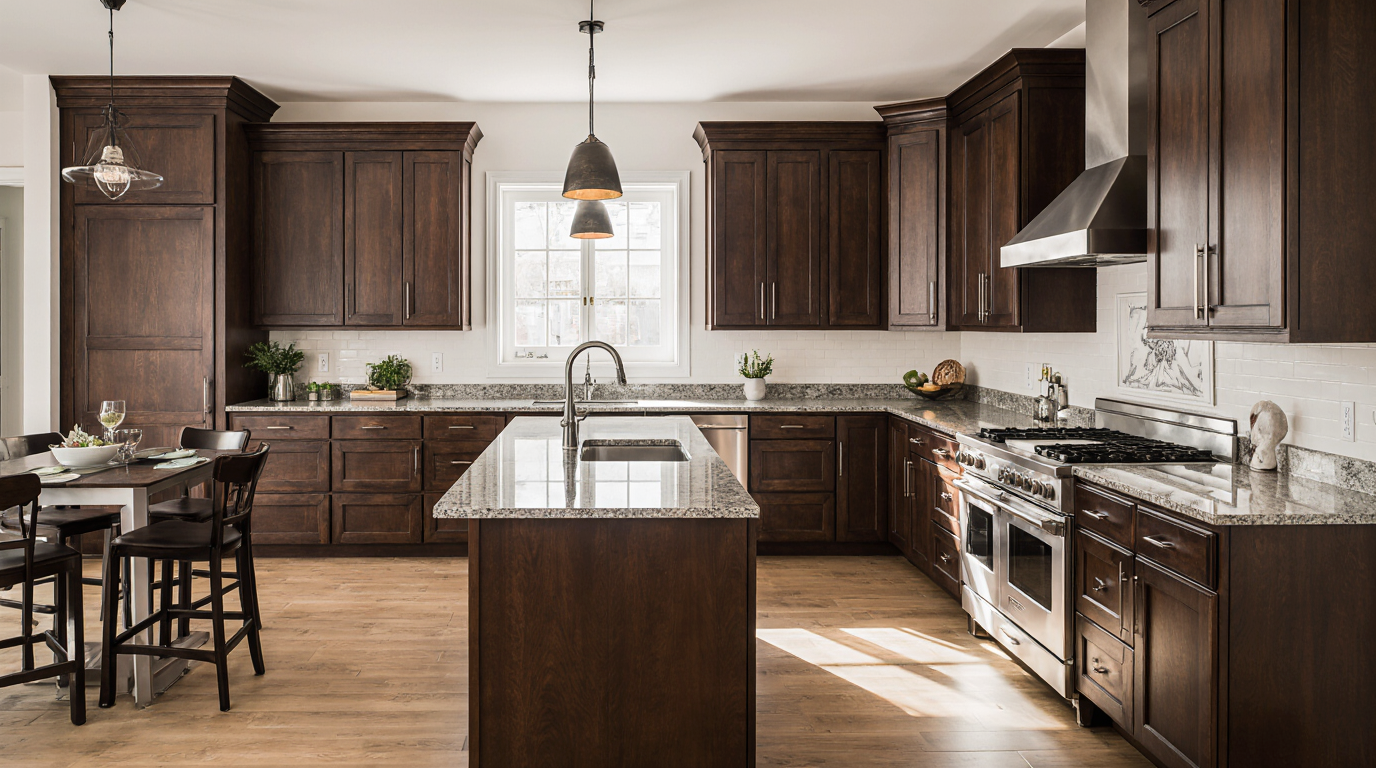
Executive Summary: A Strategic Approach to Kitchen Restoration in Sarasota
From my direct experience executing projects from Palmer Ranch to Bird Key, a successful kitchen restoration in this
From my direct experience executing projects from Palmer Ranch to Bird Key, a successful kitchen restoration in this city is a game of material science, not just aesthetics. It involves selectively upgrading components to achieve a modern look while reinforcing the kitchen's structure against moisture and salt. This is about making targeted, high-impact changes—like refacing cabinets with moisture-resistant materials or redesigning a kitchen island for better workflow—without the expense of a full tear-out. The goal is an affordable kitchen remodel that adds value and endures the Florida climate.
- Material Selection is Non-Negotiable: Prioritize marine-grade plywood for any new boxes or panels and specify corrosion-resistant hardware (stainless steel 304 or better).
- Ventilation is Key: Upgrading your range hood is not just for fumes; it's a critical tool for managing ambient kitchen humidity, which protects your investment.
- HOA Pre-Approval is Mandatory: For communities like Lakewood Ranch, obtain written approval from the Design Review Committee before purchasing materials. A typical review cycle can take 30 to 60 days.
- Restoration vs. Remodel: A restoration focuses on reviving the existing layout and structure, while a remodel often involves changing the footprint, which triggers more complex permitting requirements with Sarasota County.
The Planning Failures I See Most Often
The most common planning failures stem from underestimating Sarasota's environment. Clients bring design ideas from drier climates that are simply not viable here without significant modification. A focus on achieving the lowest kitchen reno cost often leads to decisions that backfire, creating expensive repairs down the line.
The Single Most Expensive Mistake: Ignoring Substrate Quality
The costliest error is approving cabinet refacing or a new kitchen island built with standard medium-density fiberboard (MDF) or particle board. I was once called to a beautiful condo on Longboat Key less than three years after an “affordable” kitchen restoration. The cabinet doors, made of MDF, were swelling at the seams, and the finish was bubbling. The homeowner saved a few thousand dollars initially but was then faced with a full replacement because the core material had failed completely. In our climate, moisture will find a way in; using anything other than plywood or high-density fiberboard (HDF) for doors and panels is a predictable failure.
The Restoration Process in Practice
A kitchen restoration project is less invasive than a full remodel but still requires a structured process. It begins with a deep assessment of what can be salvaged versus what must be replaced. The goal is to reuse the sound “bones” of your kitchen, like cabinet boxes, while upgrading the high-touch, high-visibility elements.
Selection Criteria for a Sarasota Homeowner
When you're looking for a team for your kitchen restoration near me, your vetting process has to be specific to our coastal environment. Generic portfolios don't tell the whole story.
- Ask for a materials list from a past project on one of the keys. Verify they specified marine-grade plywood or moisture-resistant substrates and named the specific type of corrosion-resistant hardware.
- Confirm their familiarity with HOA review boards. Ask which specific communities they've worked in (e.g., The Founders Club, Prestancia) and how they managed the submittal process.
- Inquire about their finishing process. A proper finish for this climate involves multi-step sealing and the use of conversion varnish or other catalyzed lacquers, not just standard paint.
- Verify their insurance includes specific riders for work in multi-unit condo buildings. This is a common requirement in many of the towers downtown and along the Gulf.
Comparing Restoration to Other Remodeling Options
Deciding between a full restoration, a simple refinish, or a complete gut remodel depends on your budget, the condition of your existing kitchen, and your long-term goals. A restoration offers a powerful middle ground, delivering transformative results without the highest level of cost and disruption.
| Indicator | Kitchen Restoration | Cabinet Refinishing | Full Gut Remodel |
|---|---|---|---|
| Typical Project Duration | 1-3 weeks | 3-7 days | 6-12+ weeks |
| Budget Range (Relative) | $$ | $ | $$$$ |
| Impact on Home Value | Moderate to High | Low to Moderate | High |
| Permitting Complexity | Generally none, unless electrical/plumbing is moved | None | High (requires plans, inspections) |
When Restoration Isn't the Right Choice
Restoration is the wrong path if your kitchen's fundamental layout is dysfunctional. If the work triangle is inefficient, if you lack adequate counter space, or if the kitchen is simply too small, no amount of cosmetic updating will solve the core problem. In that scenario, you are putting high-quality finishes on a flawed foundation. A full remodel, while more expensive, is the only way to address deep functional issues and is a better long-term investment for your property.
Safe Hiring and Verification Checklist
Hiring the right team is paramount. The difference between a lasting restoration and a quick-fix failure lies in the contractor's understanding of local conditions and building codes. A cheap bid often signals corners being cut on materials or processes that are vital in Florida.
- License and Insurance Verification: Check their license on the Florida Department of Business and Professional Regulation (DBPR) portal. Ensure their liability insurance is current and adequate for your home's value.
- Florida Building Code Familiarity: Ask how they anchor upper cabinets and kitchen islands to meet structural requirements, especially in wind-borne debris zones common in Sarasota.
- Portfolio with Local, Aged Projects: Don't just look at brand-new work. Ask to see photos or addresses of projects they completed 3-5 years ago to see how their work holds up to the climate.
- Detailed Material Specifications: The proposal must explicitly state the type of wood, substrate material (e.g., “3/4-inch marine-grade plywood”), hardware manufacturer and material (e.g., “Blum stainless steel hinges”), and finish type.
- Lien Waivers: Ensure your contract specifies that you will receive lien waivers from all subcontractors and material suppliers upon payment. This protects you from claims if your contractor fails to pay their bills.
Decisions That Determine the Final Outcome
Two clients can start with the same budget for a restoration and end up with vastly different results. The determining factor is almost always where they choose to allocate their funds. A successful project prioritizes the non-visible elements—substrate, hardware, ventilation—over purely cosmetic upgrades that can be done later.
The Moment Most People Get it Wrong
The critical mistake happens during the material selection phase. A client will fall in love with a high-end quartzite countertop that consumes a huge portion of the budget. To afford it, they compromise on the cabinet refacing, opting for a cheaper thermofoil or MDF door. The correct approach is to first lock in the budget for the most durable, climate-appropriate cabinet materials and hardware. Only then should you select countertops and backsplashes that fit within the remaining budget. The cabinets are the functional core of the kitchen; the countertops are the jewelry. You must build a solid foundation before you accessorize.
Practical Operations and Local Hurdles in Sarasota
Navigating a kitchen project here involves more than just design and construction. You have to account for local regulations, homeowners' associations, and the logistical challenges of working in a popular coastal community.
HOA and Condo Association Design Review
In communities from Palmer Ranch to downtown condos, the HOA or Condo Association has final say. Submitting your full plan—including material samples, color swatches, and contractor credentials—is the first step. Approval can take weeks. Starting work without written approval can result in fines and a stop-work order. They are not just checking colors; they are often verifying that the work meets the building's standards for noise and water risk.
Permitting for Minor Electrical and Plumbing Changes
While a basic restoration often doesn't require a permit, moving an outlet, adding under-cabinet lighting, or shifting a sink's plumbing does. These tasks require a permit from the Sarasota County Building Department. An unpermitted electrical job, for example, can create major problems during a future home sale and can even void your homeowner's insurance in the event of a fire.
Navigating Logistics in High-Density Areas
Executing a restoration in a downtown Sarasota high-rise or on Siesta Key during peak season presents unique challenges. Condo boards often restrict work hours (e.g., 9 AM to 4 PM, Monday-Friday only) and limit elevator use for debris removal. Parking for contractors can be non-existent. These logistical factors must be built into the project timeline and budget from the very beginning, as they can easily add days or weeks to the schedule.