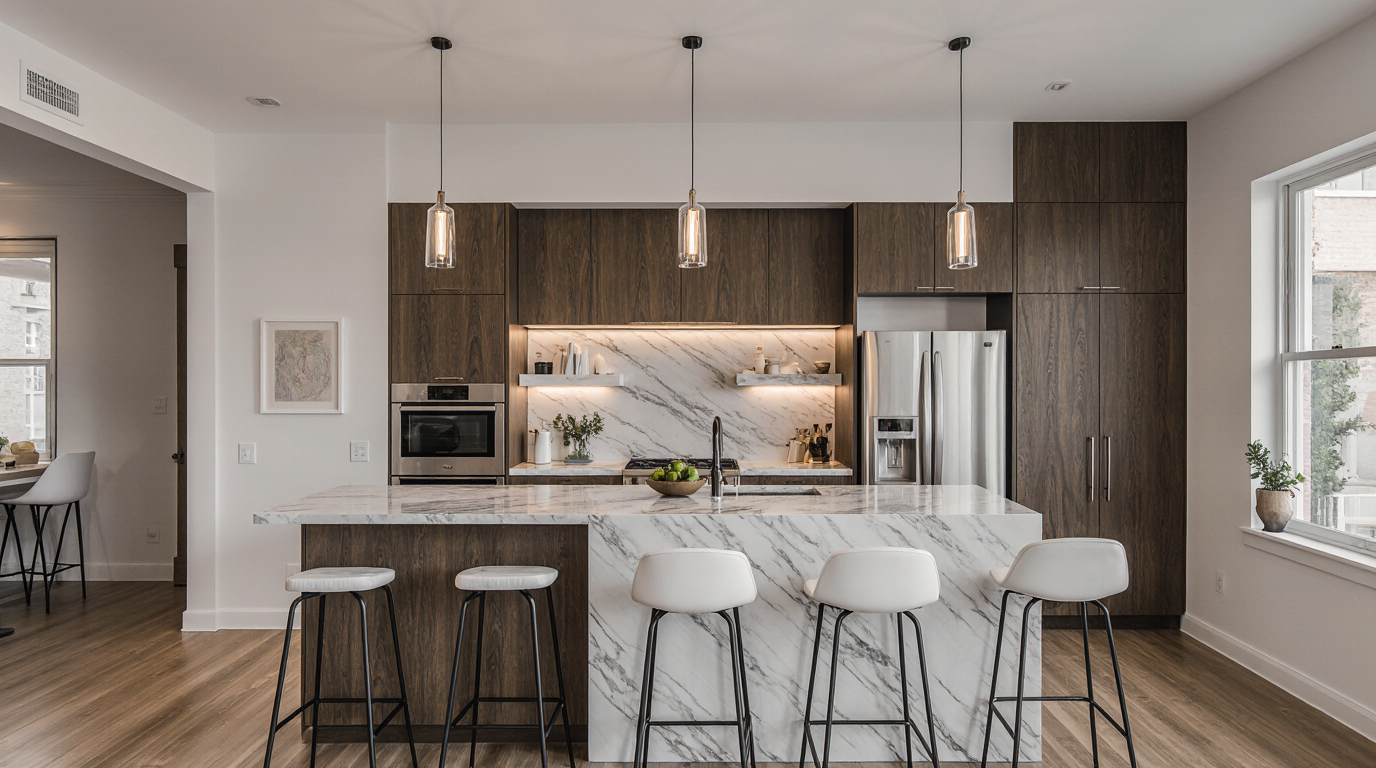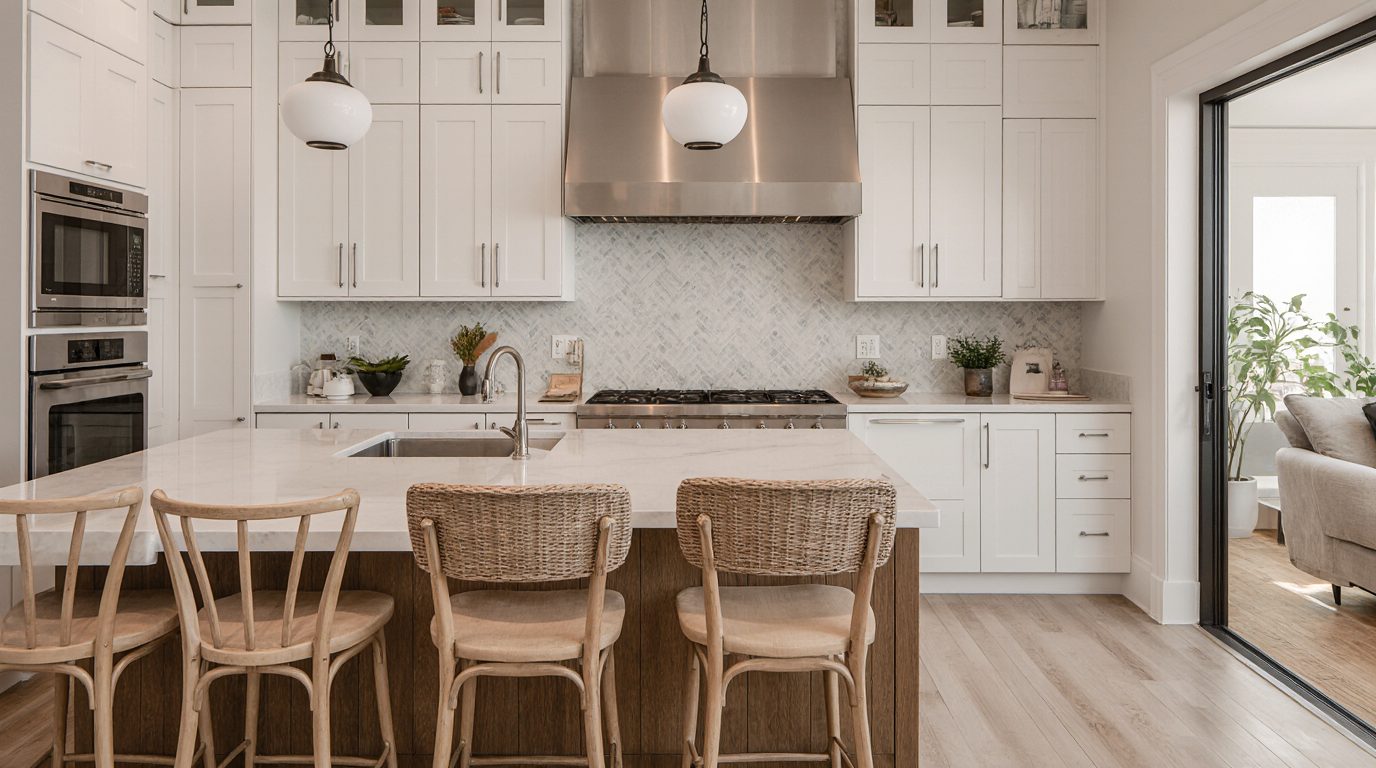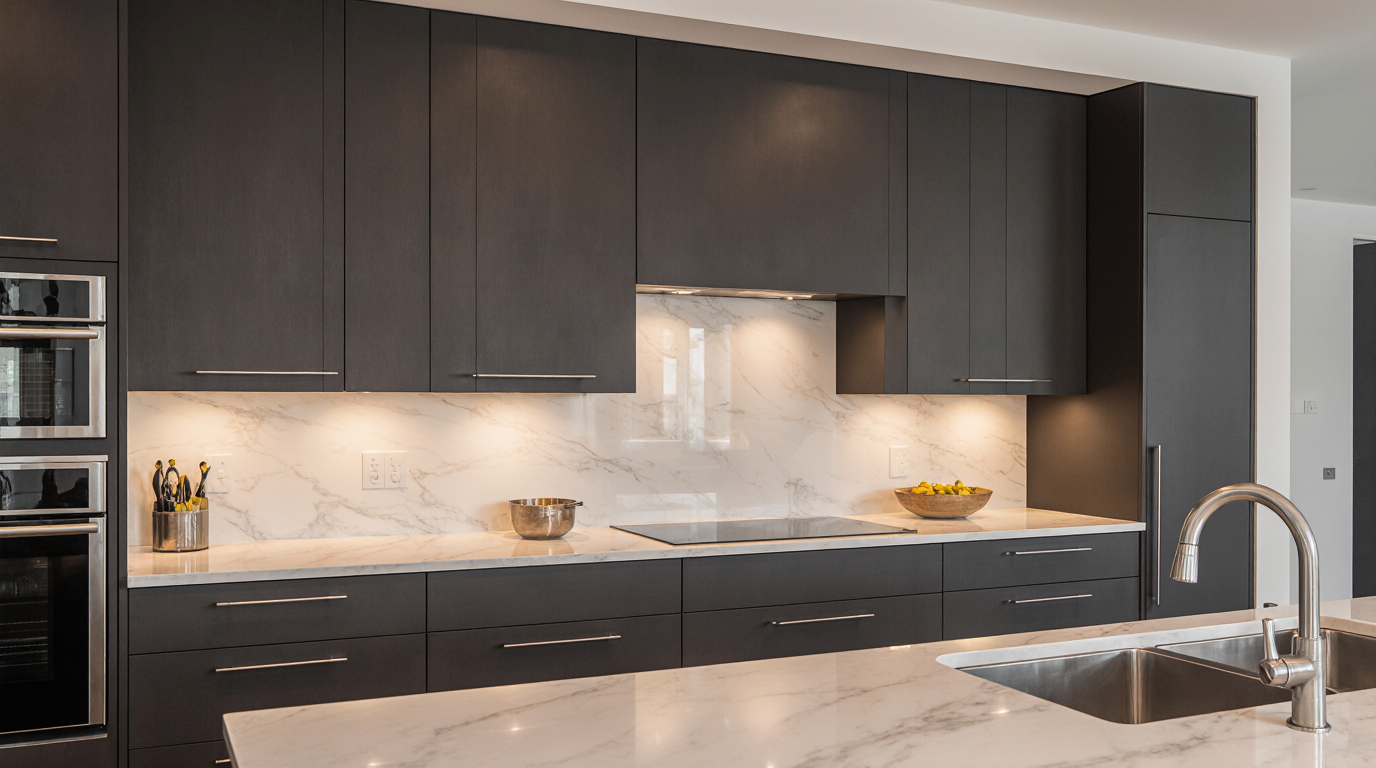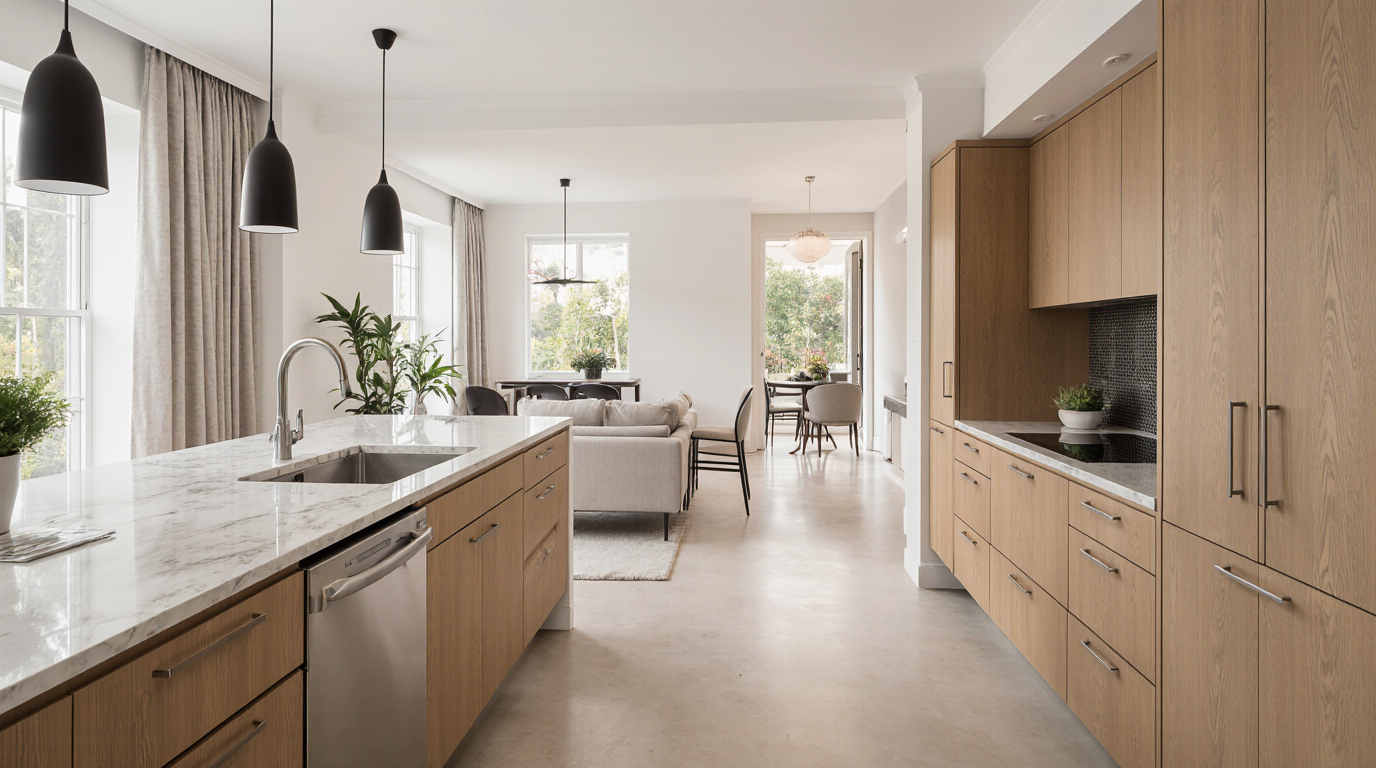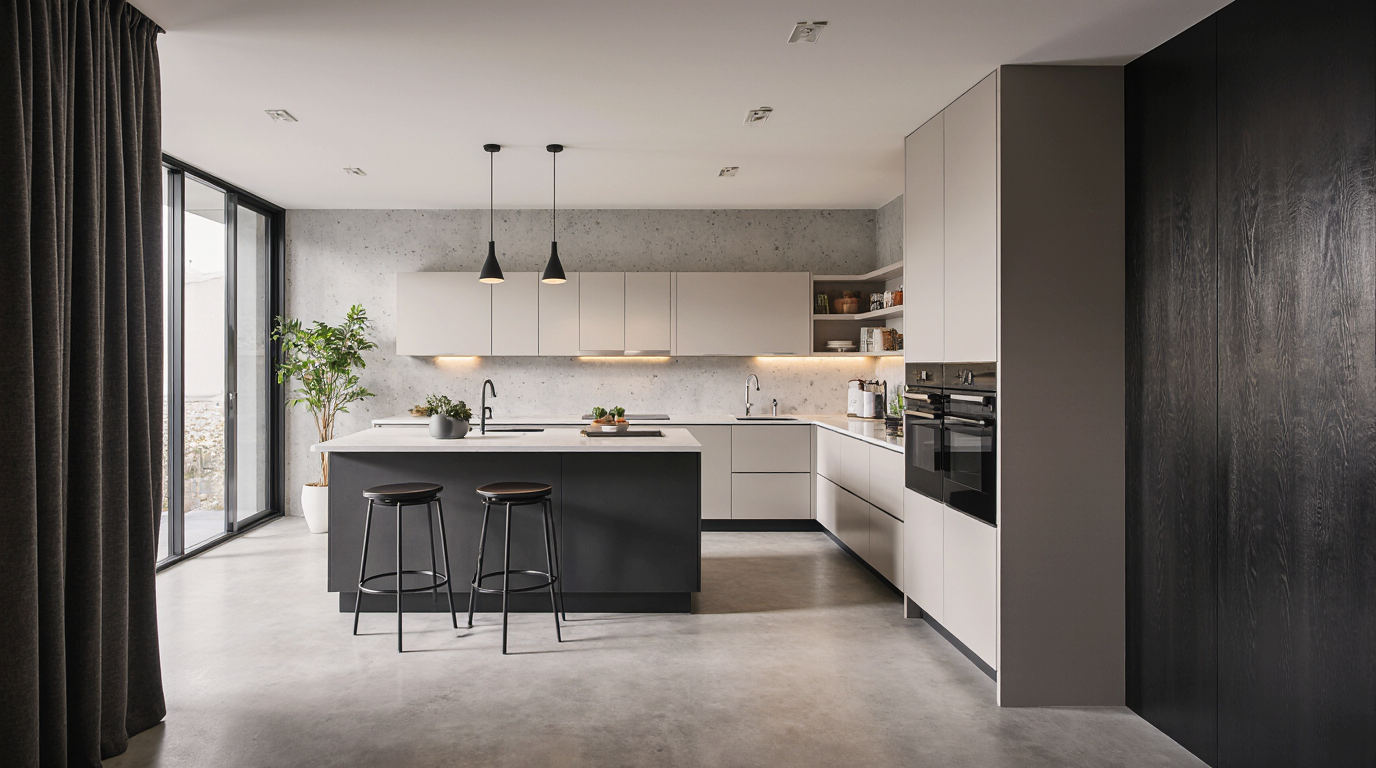
The most dangerous decision when planning a kitchen update in Sarasota is not choosing the wrong contractor; it's falling in love with a design aesthetic from a non-coastal region. That beautiful, matte-finish cabinetry from a design magazine based in a dry climate often becomes a peeling, warped liability here. The real starting point isn't the look—it's a candid assessment of what our humid, salt-laced air does to building materials over time.
A Practitioner's Overview of Kitchen Updates in Sarasota
From my direct experience executing projects from historic homes near Gillespie Park to modern condos on Lido Key, a
From my direct experience executing projects from historic homes near Gillespie Park to modern condos on Lido Key, a successful kitchen update in this market hinges on prioritizing material science over fleeting trends. Homeowners often focus on the initial price to redo their kitchen, but the humid, salty environment means that poor material choices lead to delamination, corrosion, and mold within a few years. The true cost of updating a kitchen here is measured in its longevity against coastal conditions, not just the initial invoice.
- Material Integrity: The performance of marine-grade plywood versus standard medium-density fiberboard (MDF) is not a minor detail; it's the core of the project's success.
- HOA & Condo Board Compliance: In communities like Palmer Ranch or any barrier island condominium, the Design Review Board's approval process can add 30-60 days to your timeline and dictates everything from plumbing access to ventilation.
- Ventilation Realities: Upgrading appliances often requires upgrading the ventilation to meet current Florida Building Code standards, a non-negotiable step that is frequently overlooked in initial budgets.
- Corrosion Resistance: Every piece of metal, from cabinet pulls and hinges to appliance trim, must be specified for corrosion resistance (like 316 stainless steel) to avoid premature rust and pitting.
The Planning Failures That Inflate Kitchen Renovation Costs
The most common missteps I see happen long before any demolition begins. They stem from underestimating the impact of our local environment on a seemingly straightforward project. Clients focus on the visual upgrade, like a new kitchen island, but neglect the foundational elements required to support it in this climate. This oversight turns a planned cosmetic update into a reactive, expensive repair job.
For example, a client will budget for cabinet refacing but won't allocate funds to check for or remediate moisture behind the existing cabinet boxes. When we remove the old doors, we often find signs of mildew or wall degradation from years of trapped humidity. What was a simple refacing project now requires drywall replacement, mold remediation, and improved vapor barriers, adding unexpected costs and delays.
The Single Most Expensive Mistake: Ignoring Air Quality and Sealing
The costliest error is focusing 100% on aesthetics while ignoring the invisible systems. I worked on a project in a waterfront home where the owner invested heavily in high-end appliances and custom quartzite countertops. However, they opted against upgrading the 20-year-old range hood or improving the kitchen's air sealing. Within two years, the humidity and cooking grease created a sticky film that was impossible to clean and fostered mildew growth inside the new, expensive cabinetry. The failure to invest around $3,000 in proper ventilation and sealing ultimately compromised a $60,000 kitchen update, necessitating a partial teardown to fix the underlying air quality issue.
How a Kitchen Update Unfolds in Practice in Sarasota County
A typical kitchen update project here is not just about demolition and installation; it's a process heavily influenced by local regulations and building types. The first step is always a deep assessment of the existing conditions, specifically looking for moisture intrusion or material fatigue. Once a scope is defined, the project enters a phase of approvals that is unique to our area, especially in managed communities.
The timeline is often dictated by external bodies, not just the contractor. For instance, obtaining a permit from Sarasota County for minor electrical or plumbing work can take several weeks. If you live in a condo, the association's approval for something as simple as replacing a sink can be even slower. This administrative friction must be built into the project schedule from day one.
Selection Criteria for a Sarasota-Specific Project
- Portfolio with Coastal Projects: Look for a contractor who can show you kitchens they updated five or more years ago on Siesta Key or Longboat Key. Ask how those projects are holding up.
- Understanding of Condo Rules: Can they articulate the specific work-hour restrictions, debris removal protocols, and insurance requirements for high-rise condominiums in the area?
- Materials Sourcing: Do they have established relationships with suppliers for marine-grade plywood and corrosion-resistant hardware? A contractor who defaults to big-box store materials is a red flag.
- Permitting Proficiency: They should be able to explain the exact steps for pulling a permit in Sarasota County, including the difference between an over-the-counter permit and one that requires plan review.
Comparing a Strategic Update to Other Options
Homeowners often weigh a focused kitchen update against a full gut renovation or a simple DIY cosmetic refresh. The decision depends heavily on budget, tolerance for disruption, and the existing condition of the kitchen's core structures. In Sarasota, a strategic update often provides the best return by addressing critical climate-related issues without the cost of a total remodel.
| Factor | Strategic Kitchen Update | Full Gut Renovation | DIY Cosmetic Refresh (Paint & Hardware) |
|---|---|---|---|
| Typical Cost Range | $15,000 - $40,000 | $70,000+ | $2,000 - $5,000 |
| Timeline | 4-8 weeks | 4-9 months | 1-2 weekends |
| Climate Durability | High (if materials are chosen correctly) | Highest (all new systems) | Very Low (superficial, masks underlying issues) |
| Permitting & HOA Hurdles | Moderate (often required for electrical/plumbing) | Extensive (full plans, inspections) | Minimal to None |
When a Simple Update is the Wrong Choice
A focused update is not the right path if the kitchen's existing layout is fundamentally dysfunctional or if there are signs of widespread structural or water damage. If you have to move walls, relocate primary plumbing stacks, or have discovered extensive rot in the subfloor, a cosmetic update is like putting a bandage on a broken leg. In these cases, the cost of a full renovation is justified because a lesser approach will ultimately fail and require you to tear out the new work to fix the old problems.
A Safe Hiring Checklist for Your Kitchen Project
Vetting a professional for a kitchen update in this region goes beyond checking licenses and insurance. You must verify their specific experience with the challenges our coastal environment presents. A general contractor who primarily builds inland may not have the necessary expertise.
- Verify their Florida Certified General Contractor license (CGC) is active and has no complaints on the state's Department of Business and Professional Regulation (DBPR) portal.
- Request proof of liability and workers' compensation insurance specifically listing your property address before any work begins.
- Ask for at least two references from clients in waterfront or barrier island properties whose projects were completed more than three years ago.
- Confirm their familiarity with the Sarasota County permitting process and ask how they handle HOA/condo board submissions.
- Review a sample contract to ensure it includes clear language on material specifications (e.g., "3/4-inch marine-grade plywood for all cabinet boxes").
- Ask how they plan for and mitigate dust and debris, especially in a condominium setting where common areas are shared.
- Discuss their warranty, specifically what it covers regarding material failure like warping or finish peeling due to humidity.
Decisions That Determine the Final Outcome
The success of your updated kitchen will be determined by a few key decisions made at the very beginning. The most critical is allocating a portion of your budget to non-visual, performance-based elements. This is often a tough conversation, as it means trading a cosmetic want (like a high-end faucet) for a functional need (like an upgraded exhaust fan or moisture-resistant drywall).
I advised a client in a Lakewood Ranch home who wanted to upgrade their kitchen island. Their initial plan was to spend the entire budget on a large, dramatic waterfall countertop. I showed them evidence of minor moisture staining at the base of their existing island's drywall. We reallocated about 15% of the budget to properly seal the concrete slab and use moisture-resistant materials for the new island's frame. It was an invisible change, but it ensured their six-figure investment wouldn't be ruined by moisture wicking up from the foundation.
The Moment Most Homeowners Get It Wrong
The critical mistake happens when homeowners finalize their appliance and finish selections before they have a professional assessment of the kitchen's existing electrical, plumbing, and ventilation systems. They choose a powerful new induction cooktop without confirming their electrical panel can handle the load, or a commercial-style gas range without a viable path to run the required larger gas line and ventilation duct. The correct order is to have a professional audit the home's infrastructure first. This boring but essential step dictates the true boundaries of what is possible and prevents expensive change orders and deep disappointment later.
Practical Answers About Operations in Sarasota
Navigating Condo Association Design Reviews
In Sarasota's many condos, especially along Gulf Stream Avenue or the keys, the condo association is your first hurdle. Their review board will scrutinize your plans for noise transmission, water damage risk, and aesthetic compliance. You must submit detailed plans, contractor insurance, and a work schedule. They typically restrict work to weekdays between 9 a.m. and 4 p.m. and require contractors to protect common areas. Approval can take a month or more, so this process must be initiated immediately.
Permitting for Minor Kitchen Updates
People assume that if they aren't moving walls, they don't need a permit. This is false. In Sarasota County, replacing an electrical outlet, moving a water line for a new sink, or installing a new gas appliance legally requires a permit and inspections. A simple electrical permit might cost around $100-$150, but failure to obtain one can create major problems when you sell the property. Reputable contractors will insist on pulling all necessary permits.
Material Choices for Homes on the Barrier Islands
For any home west of the Trail, especially on Siesta, Lido, or Longboat Key, standard materials will fail. The salt air accelerates corrosion. All exterior-facing hardware (screws, fasteners) and all decorative hardware (handles, pulls, hinges) must be 316-grade stainless steel or a similarly rated marine-grade material. Cabinet boxes should be constructed from marine-grade plywood, not MDF or particleboard, which will swell and disintegrate in the perpetually humid air. This adds cost but is non-negotiable for a lasting result.