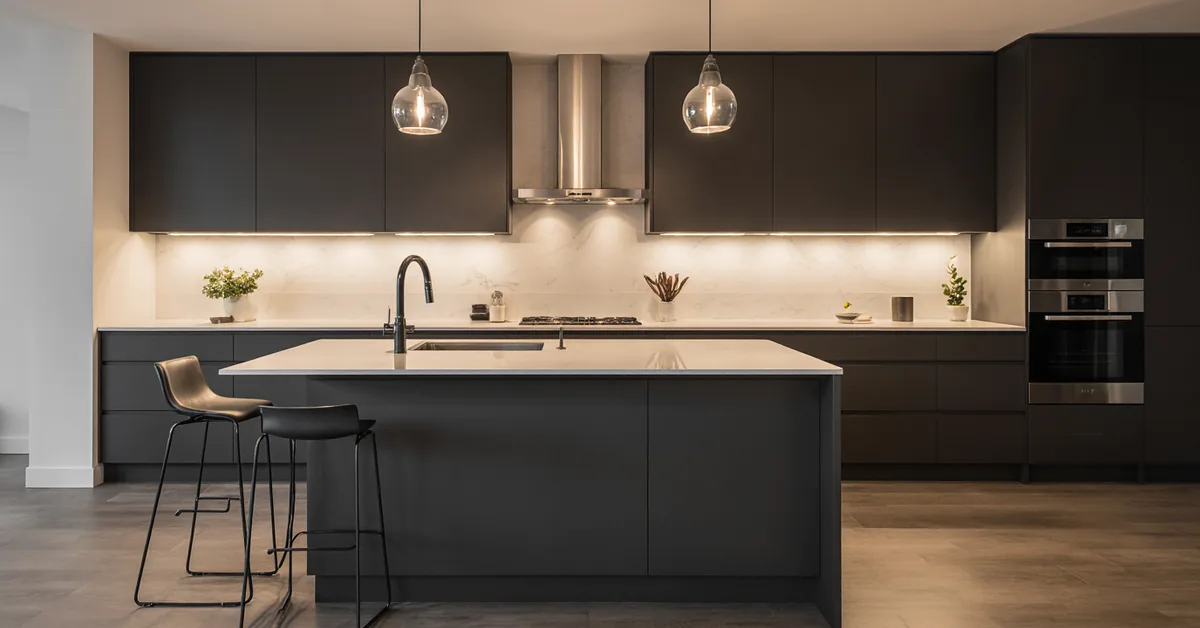
Why do so many beautifully designed Sarasota kitchens start showing signs of wear, like warped cabinet doors or corroded hardware, just a few years after a major investment? The answer rarely lies with the installer's skill but rather in a fundamental misunderstanding of our coastal environment during the planning phase. What looks stunning in a showroom can fail spectacularly when exposed to Sarasota's unique combination of humidity, salt, and sun.
A Practitioner's Overview of Sarasota Kitchen Remodeling
From my direct experience managing full kitchen renovations from The Meadows to Siesta Key, a successful project hinges
From my direct experience managing full kitchen renovations from The Meadows to Siesta Key, a successful project hinges on a coastal-first engineering mindset, not just a design-centric one. It requires a specific strategy that balances luxury aesthetics with the harsh realities of our Gulf Coast climate. The most resilient and valuable kitchens I've built here share a common DNA: they prioritize material science and regulatory foresight over fleeting design trends.
- Material Specification: The default choice must be materials resistant to humidity and salt air, such as marine-grade plywood for cabinet boxes and stainless steel 316 hardware.
- Code Compliance: All work must adhere to the latest Florida Building Code (FBC), especially wind-load requirements for windows, doors, and exterior wall penetrations, which is non-negotiable in Sarasota County.
- HOA Navigation: Approval from Homeowners' Association (HOA) or Condominium Association design review boards is a critical path item, often adding 30 to 60 days to the pre-construction timeline.
- Vendor Logistics: Supply chains for high-end, specialized materials can be long; factoring this into the schedule from day one prevents costly delays, particularly for seasonal residents on a tight timeline.
The Planning Failures That Inflate Your Final Cost
The most significant budget overruns I see in Sarasota kitchen projects stem from decisions made—or not made—long before the first hammer swings. Homeowners, often focused on the visual elements like countertops and backsplashes, overlook the structural and environmental challenges unique to our area. This oversight creates a cascade of change orders and unforeseen expenses during the construction phase.
The Most Expensive Mistake: Underestimating Humidity's Impact on Cabinetry
The single costliest error is choosing standard MDF (medium-density fiberboard) or particleboard for cabinet boxes to save a few thousand dollars upfront. I witnessed a project in a Lido Key condo where a client insisted on standard materials against advice. Within three years, the humidity caused the cabinet boxes under the sink and near the dishwasher to swell and delaminate. The cost to replace those failed cabinets, including labor, plumbing, and countertop removal/reinstallation, was nearly double the initial savings. In our climate, specifying a humidity-resistant substrate like marine-grade plywood isn't an upgrade; it's a baseline requirement for a lasting investment.
How a Full Kitchen Renovation Unfolds in Sarasota
A full kitchen renovation here is a multi-stage process heavily influenced by local regulations. It begins not with demolition, but with detailed planning and a gauntlet of approvals that can easily take longer than the construction itself. The process ensures that the final product is not only beautiful but also safe, compliant, and durable against our environmental stressors.
- Design & Engineering: This phase involves creating detailed plans that specify not just layouts and finishes, but also electrical loads for new appliances, plumbing relocations, and structural changes. These plans are essential for permitting.
- Permitting with Sarasota County: Your contractor submits the architectural and engineering drawings to the Sarasota County Planning and Development Services. A typical kitchen remodel permit, without major structural changes, can take 4 to 8 weeks for review and approval.
- HOA/Condo Association Approval: Parallel to county permitting, plans are submitted to your community's architectural review board. They scrutinize everything from material choices to the contractor's working hours and debris removal plan.
- Construction & Inspections: Once permits are issued, demolition begins. The project then proceeds through rough-in (framing, plumbing, electrical), a series of mandatory county inspections, and finally, the installation of finishes (drywall, cabinets, countertops, flooring, appliances).
Key Selection Criteria for a Sarasota Contractor
When choosing a partner for your kitchen upgrade, your focus should be on their proven ability to manage projects in this specific environment. Generic remodeling experience is not enough.
- Verifiable Experience on Barrier Islands: Ask for project addresses on Longboat, Lido, or Siesta Key. Contractors who work there are fluent in the complexities of coastal building codes and logistics.
- In-House or Established Permitting Process: They should have a dedicated person or streamlined process for navigating Sarasota County permits and the nuances of different HOA requirements, from Palmer Ranch to downtown condos.
- Transparent Material Sourcing: They must be able to explain why they recommend certain materials, linking choices directly to humidity resistance, UV stability, and salt-air corrosion.
- Comprehensive Insurance Coverage: Ensure they carry not just General Liability but also Workers' Compensation and, crucially for waterfront properties, adequate flood insurance coverage for the project duration.
Comparing a Full Renovation to Partial Upgrades
Deciding between a full gut renovation and a more limited kitchen upgrade involves trade-offs in cost, disruption, and long-term value. For Sarasota homeowners, the decision is often influenced by the age of the home and the condition of the underlying infrastructure.
| Factor | Full Kitchen Renovation | Partial Upgrade (e.g., Refacing, Countertops) | DIY Refresh (Paint, Hardware) |
|---|---|---|---|
| Average Cost Range | $65,000 - $150,000+ | $15,000 - $40,000 | $2,000 - $7,000 |
| Humidity/Salt Air Resilience | High (opportunity to use marine-grade materials and proper sealing) | Low to Moderate (existing vulnerabilities remain) | Low (superficial changes do not address substrate issues) |
| Code Compliance Update | Fully brought up to current Florida Building Code standards | Generally not triggered unless electrical/plumbing is moved | Not applicable |
| Project Timeline | 3 - 6 months (including planning and permits) | 2 - 6 weeks | 1 - 2 weekends |
When a Full Renovation is the Wrong Choice
A full renovation is not always the right path. If you plan to sell the property within 2-3 years, you are unlikely to recoup the full investment of a high-end, coastal-specified kitchen remodel. In this scenario, a more moderate, cosmetic kitchen upgrade focusing on countertops, backsplash, and new appliances often provides a better return on investment for a faster sale. The premium cost for marine-grade construction is a long-term play on durability, not a short-term boost to resale value.
Safe Hiring Checklist for Your Sarasota Project
Hiring the right team is the most critical decision you'll make. A slick portfolio means nothing if the contractor isn't properly licensed, insured, and experienced with our local administrative and environmental hurdles. This checklist is your first line of defense against common remodeling pitfalls.
- Verify their Florida Certified General Contractor (CGC) or Certified Building Contractor (CBC) license is active and in good standing on the Florida Department of Business and Professional Regulation (DBPR) portal.
- Request a Certificate of Insurance (COI) directly from their insurer, naming you as an additional insured. Confirm liability coverage of at least $1 million.
- Ask for at least three recent references for kitchen projects completed within Sarasota County, preferably in a neighborhood or building with similar characteristics to yours.
- Review their standard contract for clauses on change orders, payment schedules, and a clear 'scope of work'. Vague scopes are a red flag.
- Confirm their familiarity with the specific High-Velocity Hurricane Zone (HVHZ) requirements of the FBC if your property is in a designated wind-borne debris region.
- Ask how they handle HOA submissions. An experienced local contractor will know the gatekeepers and procedural quirks of communities like The Landings or Prestancia.
The Decisions That Truly Determine the Outcome
After managing dozens of kitchen projects in this market, I've learned that the success of a full kitchen renovation isn't determined by the brand of the appliances or the rarity of the countertop stone. It's defined by a series of less glamorous, technical decisions made early in the process. Homeowners who engage with these decisions achieve a far superior result.
The Exact Moment Most Homeowners Get It Wrong
The critical misstep happens when a client finalizes their layout and aesthetic choices before getting a thorough mechanical, electrical, and plumbing (MEP) assessment. They fall in love with an island location or a specific appliance configuration, only to discover later that moving a drain line through a post-tension slab is prohibitively expensive, or that the existing electrical panel can't handle the load of a new induction cooktop and steam oven. The right sequence is to commission an MEP feasibility study first. This defines your practical constraints, allowing you to design a kitchen that is both beautiful and buildable within your real-world budget, avoiding the heartbreak and expense of late-stage redesigns.
Practical Answers for Remodeling in Sarasota
Navigating a kitchen remodel here involves specific local challenges that go beyond typical construction issues. Understanding these bureaucratic and logistical hurdles is key to a smooth project.
How Do HOA Rules in Lakewood Ranch Impact My Timeline?
In master-planned communities like Lakewood Ranch, the HOA's Design Review Committee (DRC) has significant authority. You must submit your complete plan, including material samples, paint colors, and contractor details, for approval before applying for a county permit. The DRC review process can take anywhere from 30 to 60 days. Any deviation from their guidelines can result in a denial, forcing a redesign and restarting the clock. Experienced contractors budget this time into the project schedule from the outset.
What Are the Key FBC Requirements for a Kitchen on a Barrier Island?
For a home on Siesta Key or Lido Key, your kitchen remodel is subject to stricter Florida Building Code provisions for coastal construction. Any new window or exterior door must have a hurricane-impact rating and a design pressure (DP) rating appropriate for your specific location. Furthermore, any vents (like for a range hood) that penetrate an exterior wall must have a shutter or other approved covering. Anchoring of cabinetry to exterior walls may also require more robust fastening schedules to account for higher wind loads.
Does Sarasota County Require Special Inspections for a Kitchen Remodel?
Yes, several inspections are mandatory. A typical kitchen remodel requires a rough-in inspection for framing, electrical, and plumbing after demolition and before any drywall is installed. After the walls are closed, a final inspection is required for all three trades. If you are installing a new gas line for a cooktop, a separate gas pressure test and inspection are also required by the Sarasota County inspector. Missing any of these will prevent you from closing out your permit, which can create issues when you eventually sell your home.