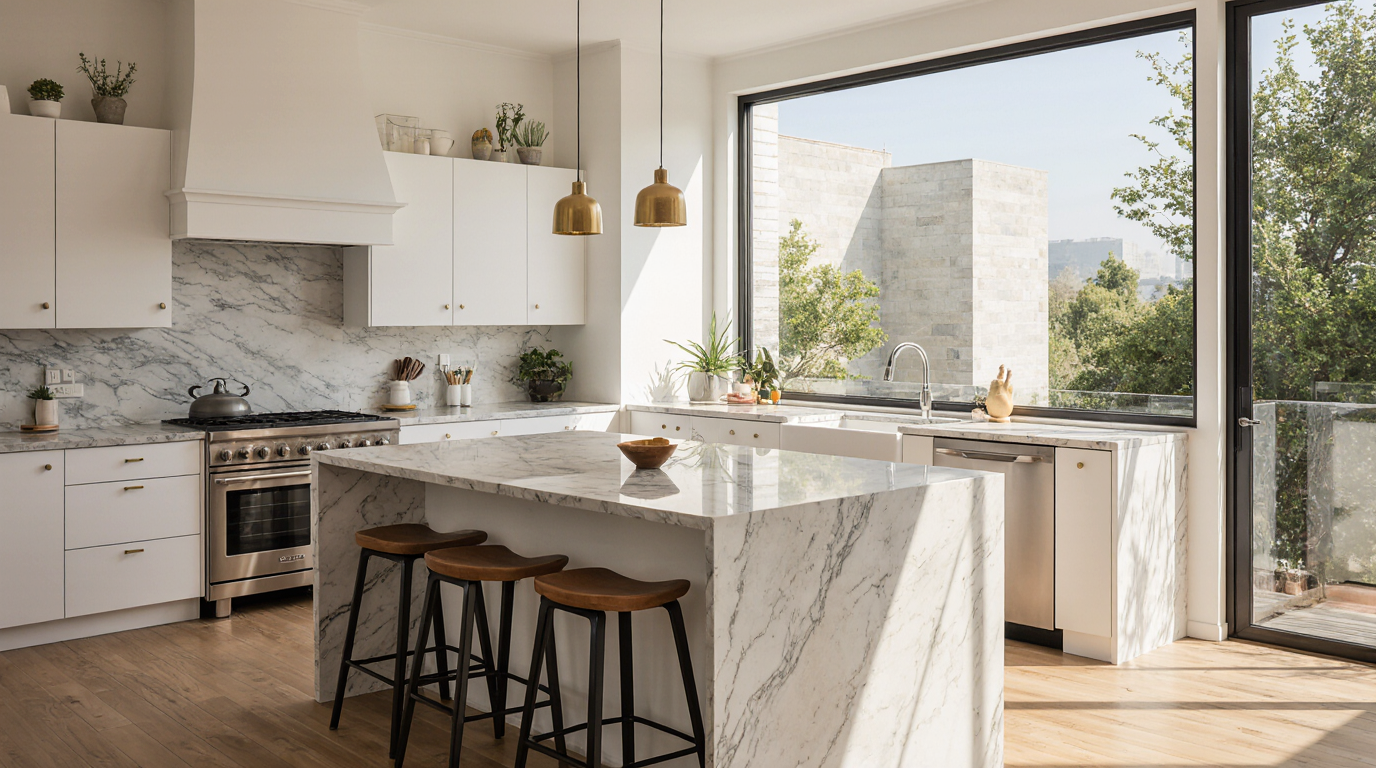
Kitchen Redesign: Transforming Your Space into a Modern Culinary Haven
A kitchen redesign is more than a simple facelift; it’s an opportunity to elevate both functionality and style, creating a space that harmonizes with your lifestyle and home’s architecture. Each component, including cabinets, countertops, illumination, and floor surfaces, significantly influences the kitchen’s atmosphere and operational flow. Current kitchen redesign trends prioritize functional layouts, advanced storage solutions, and stylish materials that blend visual charm with everyday convenience. A well-executed redesign ensures that your kitchen becomes the heart of your home, reflecting both personality and practical needs.
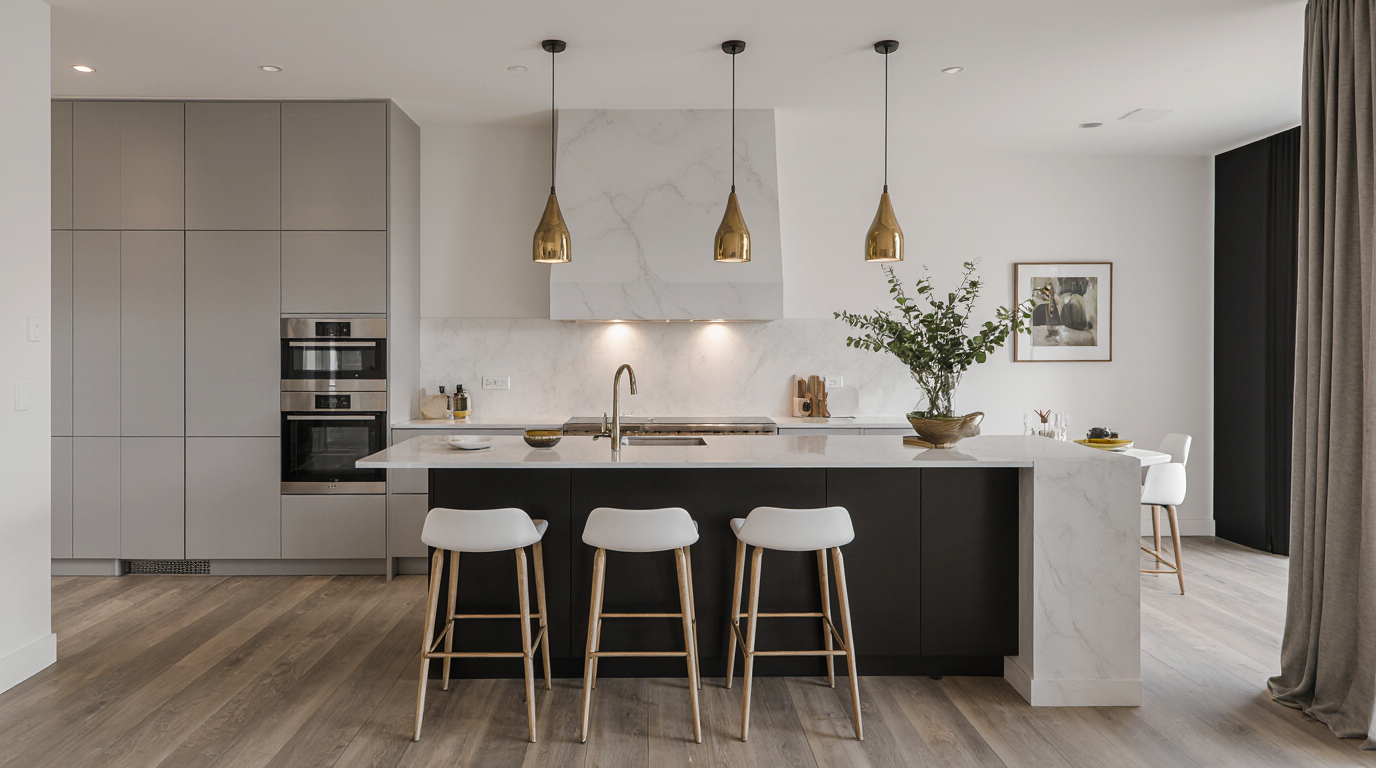
Analyzing current spatial arrangements and workflow is a foundational step in effective kitchen redesign. Modern open-concept kitchens enhance engagement, allowing effortless integration of cooking, dining, and lounging spaces. Strategic placement of appliances and workstations can significantly reduce cooking time and increase comfort. Kitchen islands or breakfast bars create multifunctional hubs, combining prep surfaces, dining options, and organizational capacity. Professional kitchen designers emphasize the importance of balancing aesthetic beauty with functionality, ensuring every inch is optimized without compromising style.
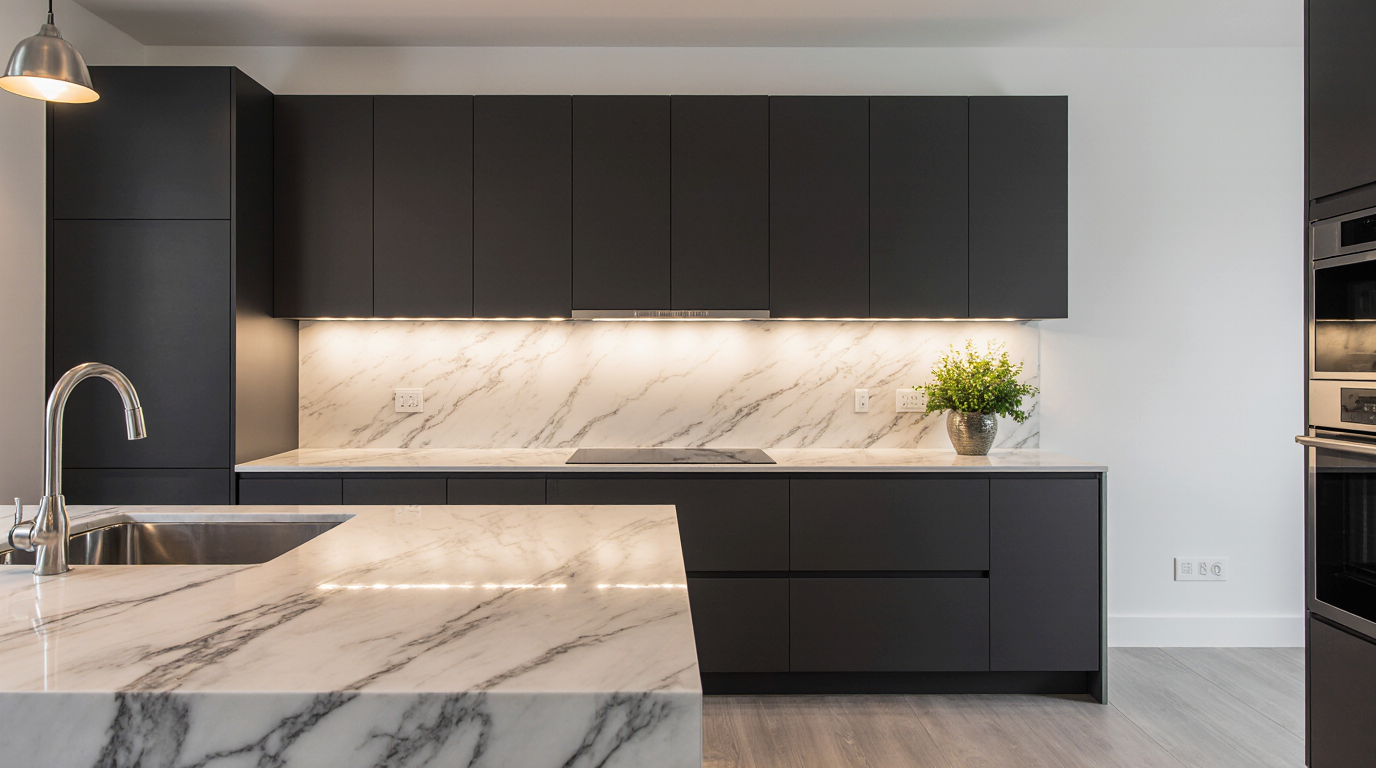
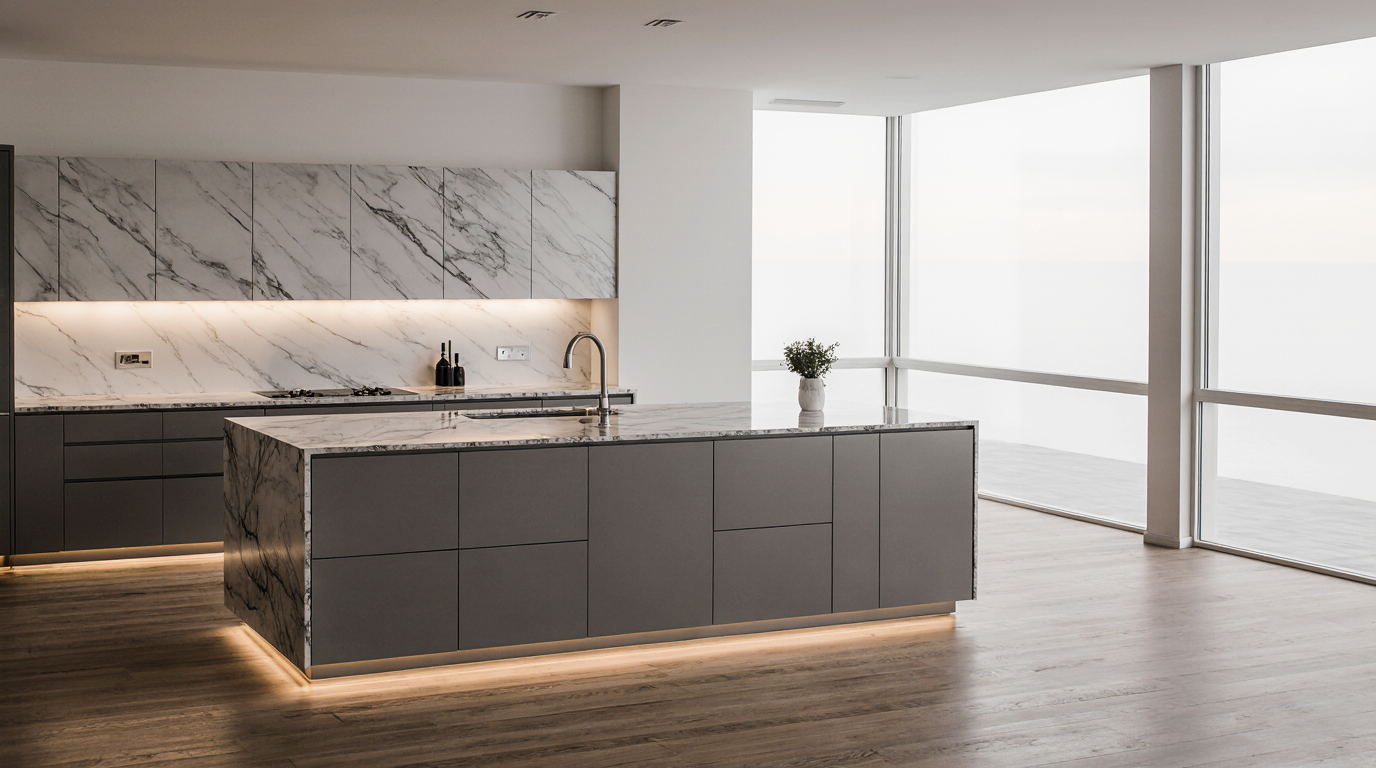
Material selection plays a decisive role in longevity and the overall design statement. Quartz and granite countertops remain popular for their resilience and timeless elegance, while solid wood or high-quality laminate cabinetry can define the kitchen’s character. Contemporary designs favor built-in appliances and discreet storage features to sustain a sleek, organized kitchen. Focus on finishes, tactile elements, and coordinated hues ensures the kitchen integrates smoothly with the surrounding decor. Strategically planned redesigns combine instant visual gratification with durable material choices, promising longevity.
Well-designed lighting schemes are essential for both functional efficiency and visual appeal in kitchen renovations. A combination of general, focused, and decorative lighting elevates both practicality and atmosphere in the kitchen. Under-cabinet lighting illuminates countertops for safe food preparation, while pendant lights above an island can serve as focal points that elevate the room’s style. Adopting efficient lighting technology balances cost-effectiveness with sustainable design principles. Incorporating natural light through windows or skylights further brightens the space, creating an inviting and airy atmosphere that encourages culinary creativity and social interaction.
Kitchen floor treatments shape both ambiance and functional performance of the space. Robust flooring such as tile, engineered wood, or high-end vinyl ensures safety, longevity, and style. Safety considerations, including anti-slip finishes, are critical in family-oriented kitchens. Designers often recommend coordinating flooring tones with cabinetry and countertops to maintain a seamless flow throughout the kitchen. Thoughtful material coordination and spatial planning amplify comfort and style, supporting culinary and social interactions.
Comprehensive storage planning is central to creating a practical and organized culinary environment. Tailored cabinetry, sliding racks, and systematic pantry setups facilitate organized storage and maintain workspace clarity. Innovative solutions, such as corner carousels, hidden trash bins, and deep drawers for pots and pans, optimize available space while maintaining accessibility. Integrated storage strategies allow kitchens to remain stylish while providing practical organization. A streamlined and orderly kitchen emerges, combining operational excellence with enduring visual appeal.
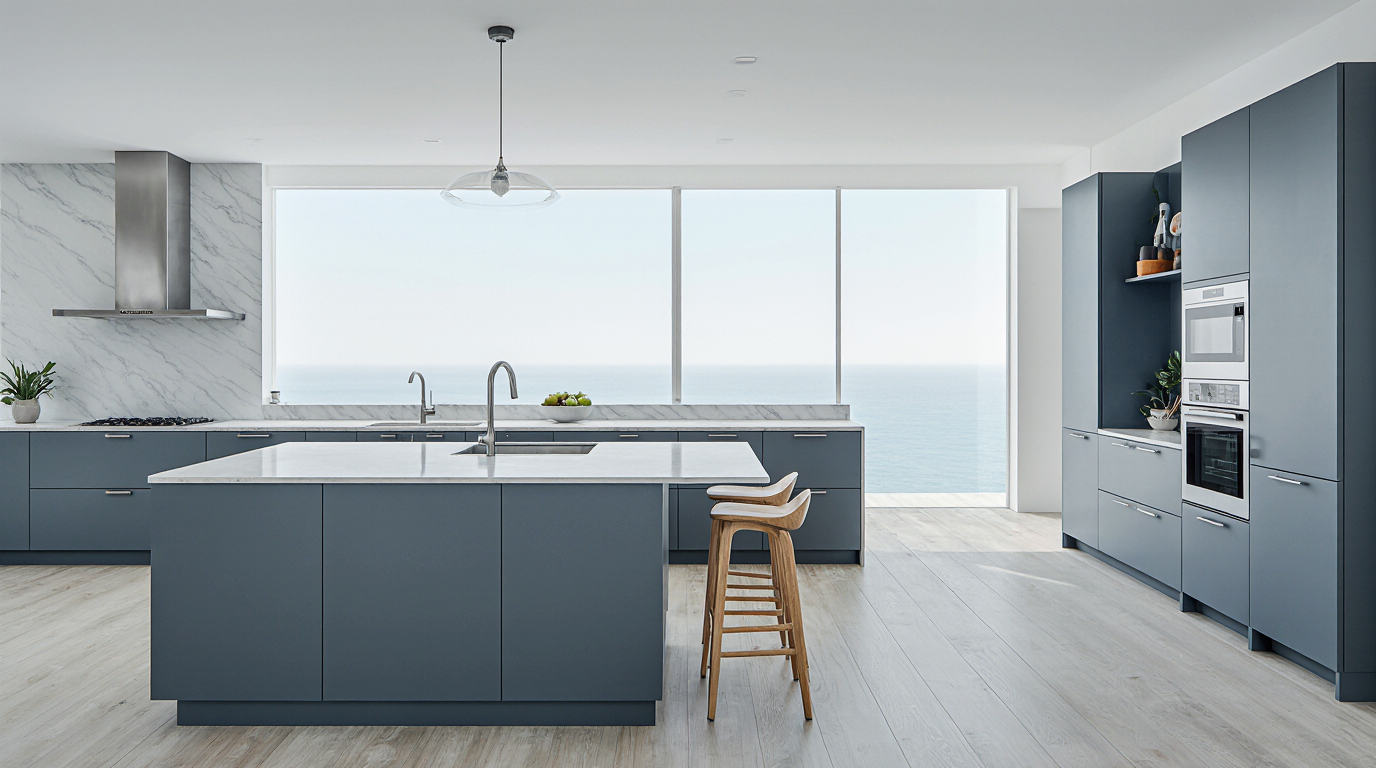
The choice of colors dramatically affects kitchen ambiance. Neutral tones like white, gray, and beige remain popular for creating a bright, spacious feel, while bold accent colors can introduce personality and energy. Decorative surfaces and cabinet treatments allow controlled experimentation with tones and textures. Incorporating subtle seasonal or fashion-forward elements refreshes the space and modernizes its style. Careful chromatic planning merges beauty with practicality, creating a balanced and enjoyable environment.
Tech integration represents a hallmark of contemporary kitchen design. Advanced appliances and control systems provide enhanced utility, efficiency, and sustainable management. Monitoring and automation tools empower users to manage tasks efficiently, reducing stress and effort in the kitchen. Integrating these advancements into the redesign process ensures that the kitchen remains both contemporary and highly functional, catering to the demands of modern living while maintaining a visually appealing and user-friendly environment.
Eco-conscious practices are essential for modern kitchen planning. Selecting eco-friendly materials, energy-efficient appliances, and low-VOC paints contributes to a healthier living space while reducing environmental impact. Sustainably sourced finishes and appliances allow for stylish, resilient, and environmentally conscious kitchens. Integrating sustainable methods demonstrates care for both home quality and ecological responsibility, ensuring long-term functionality and aesthetics.
Budget management is another critical aspect of a successful kitchen renovation. Homeowners must balance design ambitions with practical financial planning, prioritizing investments that offer long-term benefits. Professional designers can suggest cost-effective alternatives without sacrificing quality or aesthetics, ensuring that the project stays within budget while delivering maximum impact. Clear budgeting, strategic sourcing, and phased execution maintain cost control and design excellence.
Meticulous redesign elevates kitchens into versatile, aesthetically pleasing, and welcoming environments. By carefully selecting layouts, materials, lighting, and technology, homeowners can create a kitchen that enhances both everyday living and social gatherings. Attention to detail, professional guidance, and thoughtful integration of modern trends ensure that the redesigned kitchen remains practical, elegant, and reflective of personal style. From surface materials to organization systems, each element shapes a unified and functional kitchen that enhances daily life.