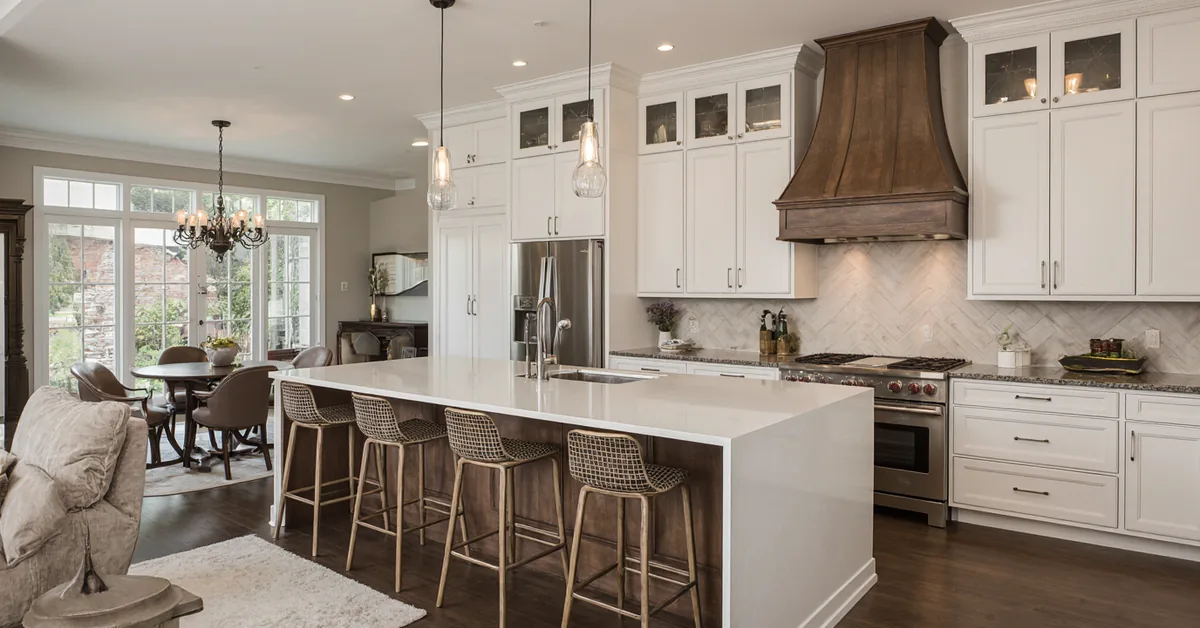
Executive Summary: A Specialist's View on Sarasota Kitchen Renovations
From my fifteen years of hands-on work, I can state that a successful kitchen remodel in Sarasota hinges less on design
From my fifteen years of hands-on work, I can state that a successful kitchen remodel in Sarasota hinges less on design trends and more on mitigating environmental risks. The combination of high humidity, salt air corrosion, and stringent hurricane building codes creates a unique set of challenges. The goal isn't just to build a beautiful kitchen, but to build one that won't warp, delaminate, or fail under the specific pressures of our coastal Florida climate.
- Material Integrity: Standard MDF or particle board for cabinet boxes is a non-starter here; they will swell and fail. Marine-grade plywood is the baseline for longevity.
- Code Compliance: Your project must adhere to the latest Florida Building Code (FBC), especially requirements for high-velocity hurricane zones (HVHZ), which dictates specific cabinet anchoring.
- HOA Navigation: In master-planned communities like Lakewood Ranch or The Isles, the Homeowners Association (HOA) design review can add 30-60 days to your pre-construction timeline.
- Ventilation Strategy: Proper kitchen ventilation isn't just about cooking odors; it’s a critical component of humidity control to prevent mold growth behind cabinets and in pantries.
The Planning Failures That Inflate Costs After the Contract Is Signed
The most significant budget overruns I've witnessed stem from assumptions made during the planning phase. Homeowners, often relocating from other states, underestimate the non-negotiable requirements of building in this environment. They focus on the visible finishes, while the real cost drivers are structural and environmental adaptations that a contractor might not volunteer upfront.
The Most Expensive Failure: Underestimating Humidity's Impact on Cabinetry
A client with a beautiful home on Lido Key insisted on using a specific type of solid wood cabinetry they loved from their previous home in the Midwest. Despite warnings, they proceeded. Within two years, the constant high humidity caused the solid wood panels to swell and warp, making it impossible to close several doors properly. The cost to replace the failed doors and drawer fronts exceeded 30% of the original cabinetry budget—a completely avoidable expense had they opted for a humidity-stable material from the start.
How a Kitchen Renovation Unfolds in Sarasota County
A properly executed kitchen remodel here is a multi-stage process involving more than just a contractor and a designer. It requires coordination with municipal authorities and, frequently, an HOA. The process is far more regulated than in many other parts of the country due to our weather risks.
- Design & Engineering: Initial design is followed by a review to ensure all structural changes and appliance placements meet FBC standards. If walls are moved, an engineer's stamp may be required.
- Permitting: Plans are submitted to the Sarasota County Building Department. A full kitchen gut and remodel typically requires a building permit, which can take anywhere from 4 to 8 weeks for approval.
- HOA Approval: Concurrently, plans must be submitted to the HOA or Condo Association. They review for aesthetic compliance and adherence to community rules. This step alone can add weeks to the project start date.
- Construction & Inspections: Work commences, with mandatory county inspections at key stages (e.g., framing, electrical, plumbing) before any drywall is closed up.
Selection Criteria for a Sarasota-Based Contractor
When vetting a contractor for a project in this city, your questions need to be highly specific to our local conditions.
- Do they have verifiable experience working on waterfront properties or in barrier island communities like Siesta Key, and can they explain their methods for corrosion prevention?
- Are they fluent in the HOA review processes for major communities like The Founders Club or Palmer Ranch, and do they have established relationships with those review boards?
- Can they provide proof of carrying not just general liability, but also specific flood and windstorm insurance coverage for their projects?
- What specific grade of plywood (e.g., marine-grade) and what type of hardware (e.g., stainless steel) do they use as their standard for coastal applications?
Comparing a Full Remodel to Other Kitchen Upgrades
A full gut renovation is a significant investment. It's crucial to weigh it against alternatives based on your goals, budget, and the specific conditions of your home. The decision matrix is different in Sarasota due to the high cost of labor and materials needed for code-compliant, durable work.
| Upgrade Type | Typical Cost Range | Durability in Coastal Climate | Impact on Home Value |
|---|---|---|---|
| Full Gut Remodel | $60,000 - $150,000+ | High (if using proper materials) | High |
| Cabinet Refacing | $15,000 - $35,000 | Low to Medium (boxes remain) | Medium |
| Countertop & Backsplash Refresh | $8,000 - $20,000 | High (for stone/quartz) | Low to Medium |
When a Full Remodel Is Not the Right Choice
If your existing kitchen layout is functional and, most importantly, your cabinet boxes are made of high-quality plywood and are in excellent structural condition, a full remodel is often overkill. In this scenario, a combination of refacing, new countertops, and modernizing the kitchen island can provide 80% of the aesthetic impact for less than half the cost and disruption of a gut renovation.
A Safe Hiring Checklist for Your Sarasota Project
Hiring the right team is the most important decision you'll make. A low bid from a contractor unfamiliar with coastal construction is a red flag, not a bargain. Use this checklist to protect your investment.
- Verify their Florida Certified General Contractor (CGC) or Certified Building Contractor (CBC) license is active and free of complaints on the state's DBPR portal.
- Confirm they have specific experience with projects within the City of Sarasota or Sarasota County, not just general Florida experience, as permitting processes differ.
- Ask for their Certificate of Insurance, ensuring it lists workers' compensation and liability coverage of at least $1 million.
- Request a detailed list of materials, specifying the use of marine-grade plywood for cabinet boxes and stainless steel or other corrosion-resistant hardware.
- Inquire about their process for securing cabinets to the wall to meet FBC wind-load requirements, especially in homes east of I-75 which fall into different wind-borne debris regions.
- Discuss their warranty, specifically asking how it covers issues related to humidity, such as door alignment or finish bubbling.
- Get a written timeline that explicitly includes buffer days for permit and HOA approvals, which can be a major source of delay.
The Decisions That Truly Determine the Outcome
After managing projects across Sarasota, from historic downtown condos to sprawling new builds in Waterside at Lakewood Ranch, I've seen that success is determined by a few key decisions made long before the first hammer swings. It's about prioritizing structural resilience over purely cosmetic choices.
The Exact Moment Most Homeowners Get It Wrong
The critical mistake happens when the budget is allocated. Most people allocate the bulk of their funds to visible items like countertops, appliances, and lighting, leaving a smaller portion for the cabinetry "box" and installation. In Sarasota, this must be inverted. Your first and largest investment should be in the highest quality, moisture-resistant cabinet structure and a contractor who specializes in coastal installation. A stunning quartzite slab on a particle board box is a ticking time bomb in this climate.
Practical Answers About Remodeling Operations in Sarasota
Navigating the local bureaucracy and environmental realities is key. These are not just procedural hurdles; they are safeguards that ensure your renovation is safe, legal, and durable.
Understanding Sarasota County Permitting Timelines and Fees
A standard kitchen remodel permit from Sarasota County can have a plan review time of 20-30 business days. Fees are calculated based on project value, but you can expect a baseline permit fee to be in the range of $300 to $700 for a moderately sized project, not including any potential impact fees if the scope is part of a larger addition.
Navigating HOA Design Review Board Requirements
HOAs in communities like Palmer Ranch have strict architectural and design guidelines. Your submission packet must be exhaustive, including material samples, color swatches, and detailed drawings. They often have specific rules about exterior-facing elements, like kitchen windows, and the hours construction work can be performed. Failure to get prior approval can result in fines and work-stoppage orders.
Meeting Florida Building Code for Cabinet Anchoring
The FBC requires that cabinets, especially upper cabinets, be securely anchored to the wall framing to resist detachment during a hurricane. This isn't just a matter of using a few extra screws. It requires specific fasteners at prescribed intervals into the studs. A knowledgeable contractor will use structural screws designed for this purpose, a detail that an out-of-area handyman might completely miss, creating a serious safety hazard.