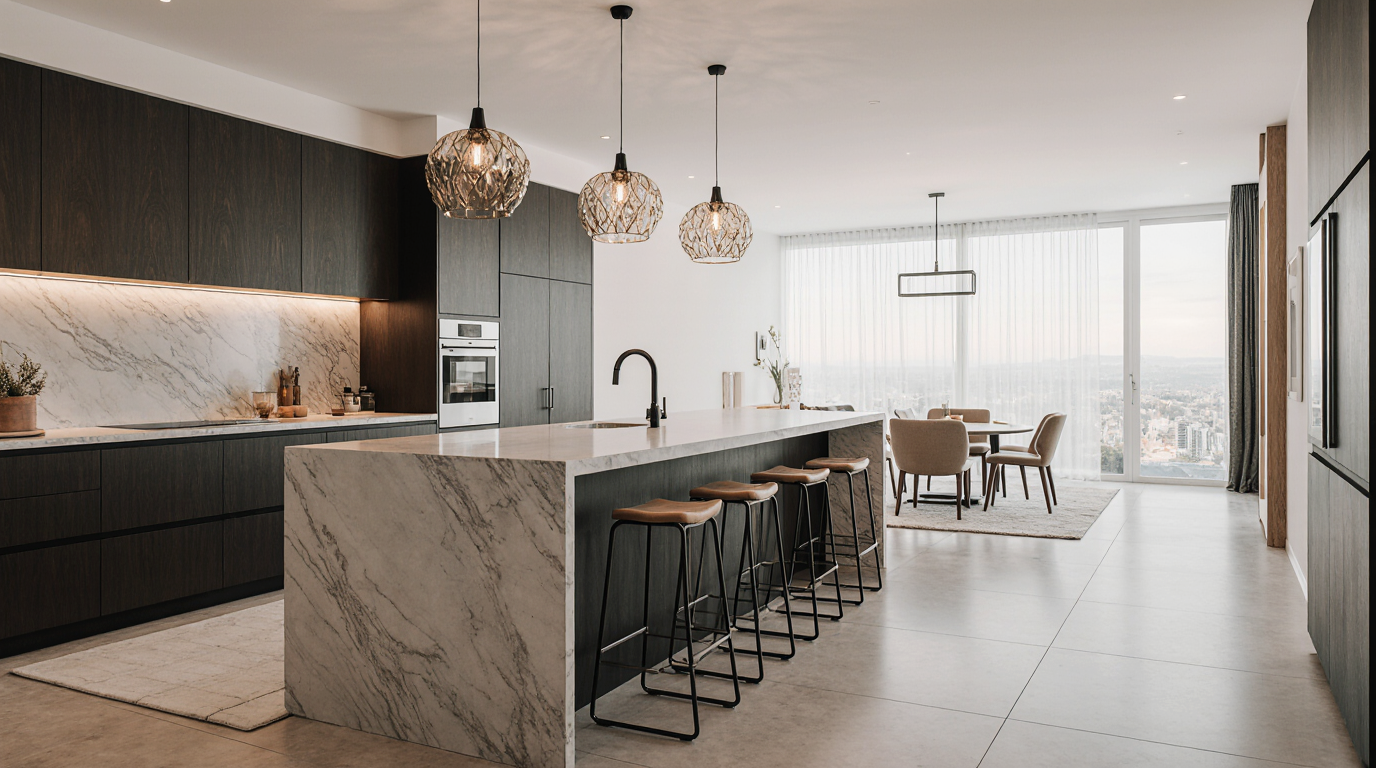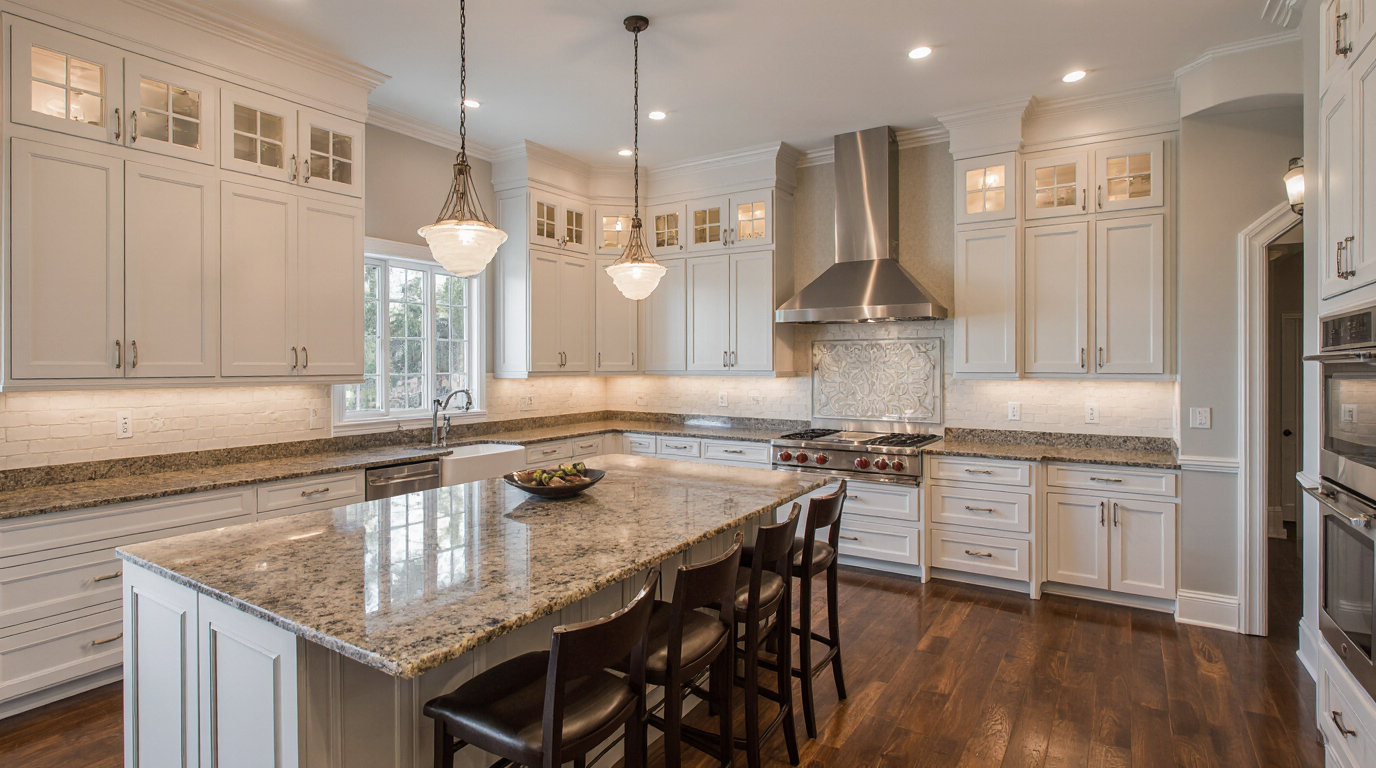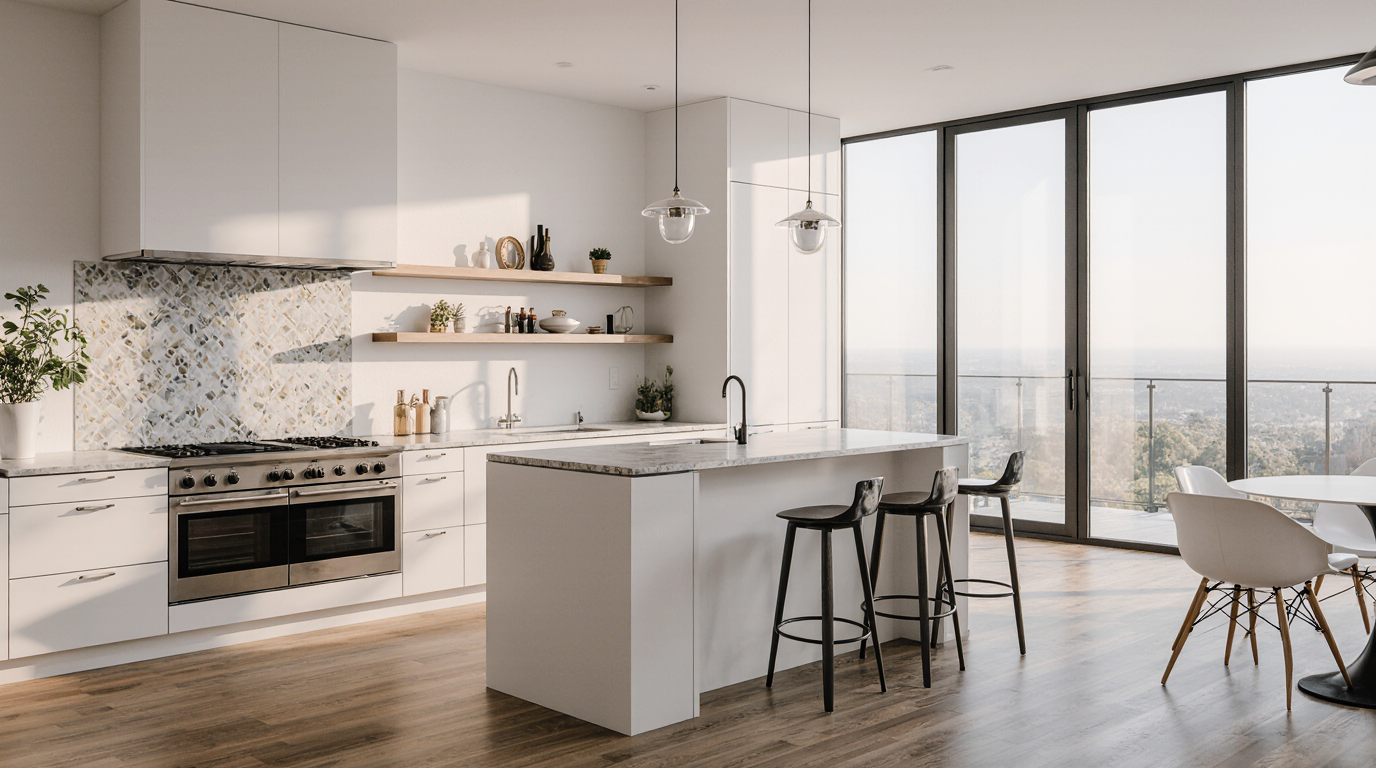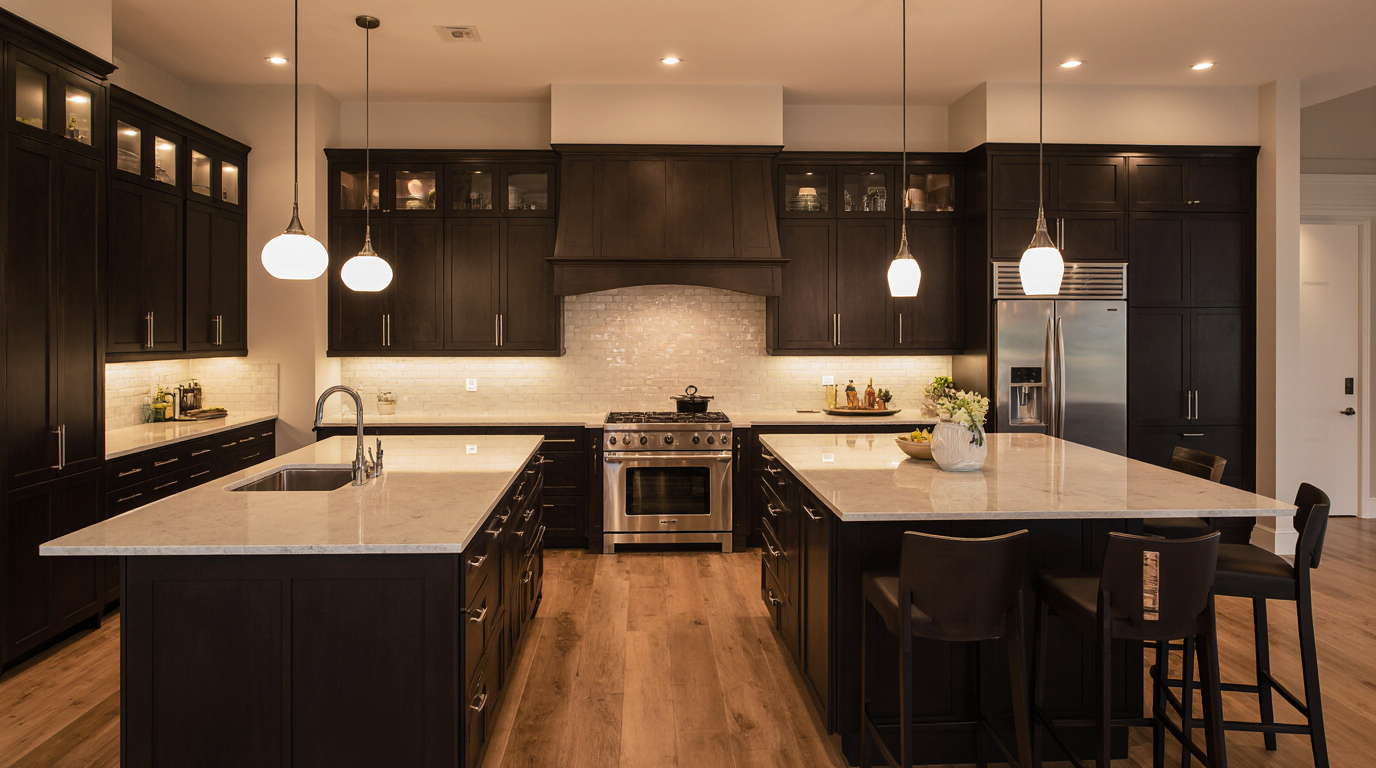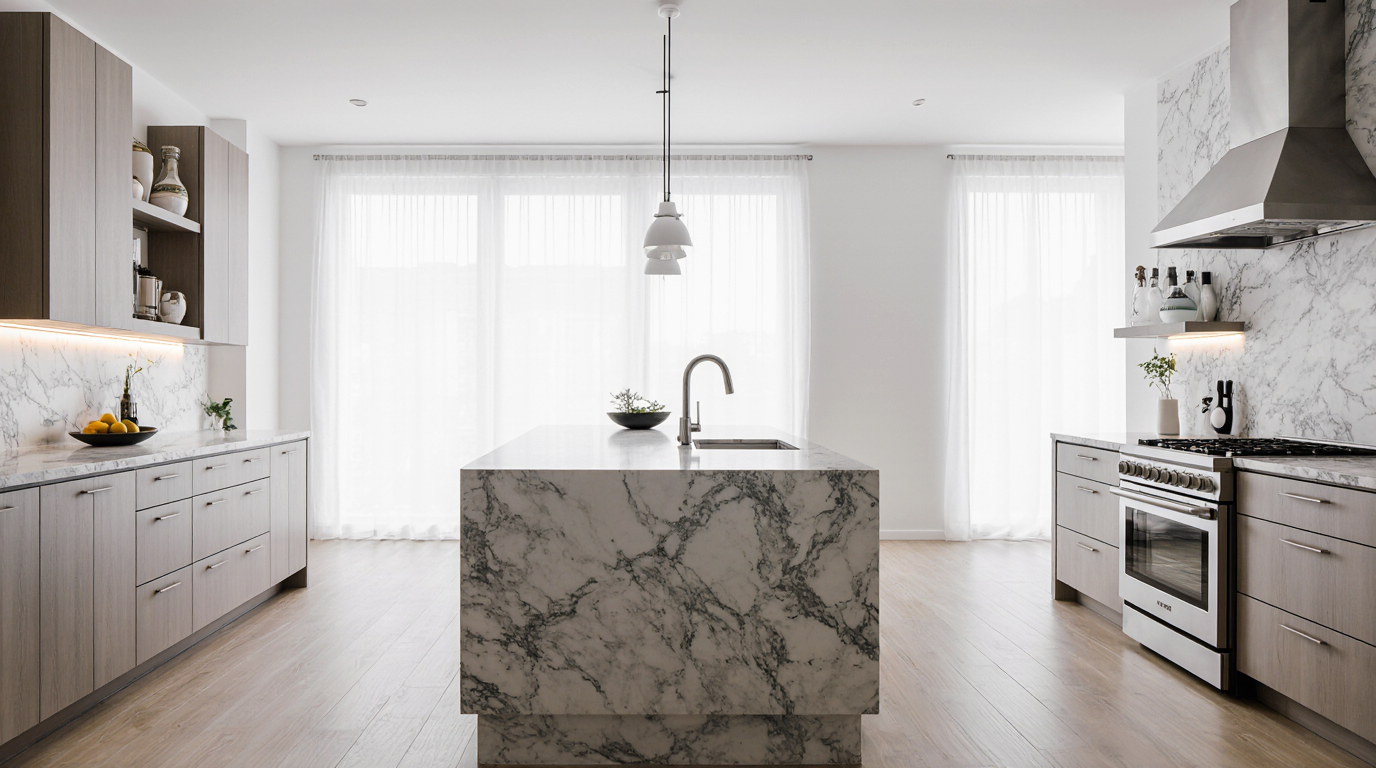
Why do some seemingly identical kitchen remodels in Sarasota command a 25% higher budget and, paradoxically, end up being the better long-term value? The difference isn't in the countertops or the appliances; it's buried in specifications that fight a daily battle with our coastal environment. Many homeowners focus on the visible finish, but the real enemy to a kitchen's longevity here is invisible: the relentless humidity and salt in the air.
Executive Summary: A Sarasota-Centric Approach
From over a decade of hands-on project management in this region, I can state that a successful kitchen design in
From over a decade of hands-on project management in this region, I can state that a successful kitchen design in Sarasota prioritizes material resilience over initial aesthetic appeal. The design must actively mitigate moisture intrusion and corrosion, factors that are afterthoughts in other markets but are primary points of failure here. We build for an environment that is actively trying to degrade the materials we install, and the design must reflect that reality from the very first sketch.
- Material Selection: Prioritize marine-grade plywood for cabinet boxes and solid wood or high-density engineered materials for doors, resisting the warp and delamination common with standard MDF.
- Ventilation Strategy: Design must incorporate superior mechanical ventilation that exceeds minimum code requirements to actively manage indoor humidity levels, protecting cabinetry and preventing mold.
- Code & HOA Compliance: The plan must integrate Florida Building Code requirements for wind-load and impact resistance, alongside the often-stricter aesthetic and procedural rules of local HOAs, particularly in communities like Lakewood Ranch or on Longboat Key.
- Hardware Specification: All metal components, from hinges and drawer slides to fasteners, must be stainless steel (304 or 316 grade) or have a certified corrosion-resistant finish to combat salt air.
The Planning Failures That Inflate Costs After a Contract is Signed
The most significant budget overruns I witness are not from unforeseen structural issues but from predictable planning gaps specific to our area. Homeowners, often guided by national design trends, make selections that are functionally incompatible with Sarasota's climate, leading to costly change orders or premature replacement down the line.
The Most Expensive Failure: Underestimating Humidity's Impact on Materials
The costliest mistake is choosing materials based on a Pinterest board rather than a spec sheet rated for coastal environments. A client once insisted on standard MDF core cabinets with a thermofoil finish for their Siesta Key condo, saving about 15% upfront. Within two years, the seams on the doors began to peel and the cabinet boxes started to swell near the floor and sink. The “savings” were completely erased by the cost of replacing the door fronts and repairing water damage, not to mention the disruption.
The Remodel Design Process in Practice for Sarasota Residents
A properly structured kitchen remodel here is a multi-stage process heavily front-loaded with technical planning and approvals. The design phase is not just about layout and colors; it's about creating a buildable plan that will pass review by both the Sarasota County permitting office and, if applicable, a demanding HOA or condo board.
Selection Criteria for a Sarasota Design & Build Team
When vetting a firm, your questions should be hyper-local. A beautiful portfolio is baseline; technical knowledge of our specific environment is what protects your investment.
- Does their standard proposal include marine-grade plywood cabinet boxes, or is it a costly upgrade?
- Can they provide case studies of projects successfully navigated through challenging HOA reviews in communities like The Landings or Palmer Ranch?
- How do they detail the waterproofing and sealing process around windows and plumbing penetrations in their plans to meet Florida Building Code standards?
- What is their protocol for protecting the rest of the home from dust and debris, especially in occupied condos with shared ventilation systems?
Comparing Design Approaches: A Realistic Look at Your Options
Choosing the right path for your kitchen upgrade depends on your budget, timeline, and tolerance for risk. The cheapest option on paper is rarely the most cost-effective solution in a coastal city. The average kitchen remodel cost can vary wildly based on these fundamental choices.
| Indicator | Custom Design-Build | Big-Box Store Design Service | Independent Contractor (GC) |
|---|---|---|---|
| Material Suitability | Highest control; can specify marine-grade materials and corrosion-resistant hardware. | Limited to stock options; often uses standard MDF/particleboard susceptible to humidity. | Varies by contractor; requires homeowner to be highly knowledgeable in specifying materials. |
| HOA/Permit Navigation | Integrated process; firm handles all drawings, applications, and reviews. | Homeowner is typically responsible for managing the approval and permitting process. | GC handles permits, but homeowner may need a separate designer for HOA submission drawings. |
| Long-Term Durability | Highest, as design and materials are specified for the local climate. | Lowest, due to material vulnerabilities to moisture and salt air. | Dependent on the quality of specifications and oversight; can be high or low. |
When a Full Custom Design is Not the Right Choice
A full-scale custom design is not the best fit if your timeline is extremely tight or if you plan to sell the property within 2-3 years. The return on investment for premium, climate-resilient materials is realized over a longer hold period. For a quick flip, a more modest kitchen upgrade focusing on cosmetic elements like paint, hardware, and new appliances might be more financially prudent, even if it lacks long-term durability.
A Safe Hiring Checklist for Your Sarasota Kitchen Project
Vetting a remodeler in Florida requires more than checking references. You must verify their credentials against state and local requirements designed to protect homeowners in our unique construction environment.
- Verify State Licensing and Insurance: Check for a valid Certified General Contractor (CGC) or Certified Building Contractor (CBC) license on the Florida DBPR website. Confirm they carry General Liability and Workers' Compensation insurance.
- Request a Certificate of Insurance: Ask for a COI naming you as an additional insured. This is a critical step for liability protection during the project.
- Scrutinize the Materials List: The proposal should explicitly state the materials used for cabinet boxes (e.g., “3/4-inch marine-grade plywood”), not just “wood cabinets.”
- Review Their HOA Submission Package: Ask to see a redacted example of a design package they submitted to a local HOA. It should be detailed, professional, and comprehensive.
- Confirm Knowledge of FBC Wind-Borne Debris Regions: If you are on a barrier island like Lido Key, your contractor must understand how code requirements for window and door installation impact the kitchen design and layout.
- Check Sarasota County Permit History: You can look up a contractor's recent permit activity on the Sarasota County planning portal. A consistent history of passed inspections is a good sign.
The Decisions That Determine a Project's Success or Failure
After managing dozens of remodels, I’ve seen that the outcome is rarely determined by the budget alone. It's defined by a few key decisions made very early in the process, often before a hammer ever swings. The most successful clients are those who invest more time in the planning and material specification phase than in shopping for appliances.
The Exact Moment the Majority Gets It Wrong
The critical error happens when a homeowner finalizes a layout and aesthetic design before they have committed to a specific, climate-appropriate material system. They fall in love with a look, get a quote based on standard materials, and then try to “upgrade” individual components later. This backward process leads to compromises, delays, and a finished product that isn't holistically designed to withstand our environment. The correct approach is to select the material system first—the cabinet box construction, the door material, the hardware—and let those technical requirements inform the final design possibilities.
Practical Answers About Remodeling Operations in Sarasota
Navigating the local administrative landscape is a core part of any successful kitchen project. These are not just bureaucratic hurdles; they are safeguards that ensure your remodeled kitchen is safe, compliant, and insurable.
How Does the Sarasota County Permitting Process Work?
For any kitchen remodel involving moving walls, altering plumbing, or changing electrical layouts, a permit is required from Sarasota County Planning and Development Services. The process involves submitting architectural plans for review. A typical review for a straightforward kitchen project can take 4-6 weeks, a timeline that must be factored into any schedule, especially for seasonal residents. Small kitchen remodel projects that are purely cosmetic (like cabinet refacing or countertop swaps with no plumbing changes) may not require a permit, but it's crucial to verify.
What Are Common HOA Design Review Bottlenecks?
In master-planned communities or condo buildings, the HOA or Condo Association review is often more arduous than the county permit. Common sticking points include restrictions on working hours (e.g., no work after 4 PM), limitations on material deliveries, and strict requirements for exterior-facing elements like kitchen windows or ventilation exhausts. A frequent bottleneck is the approval for flooring underlayment, as many associations have specific sound-dampening requirements (IIC ratings) that can impact the choice of kitchen flooring.
How Do Hurricane Codes Affect Kitchen Design?
The Florida Building Code has stringent requirements, especially in coastal high-velocity hurricane zones. While this most famously applies to windows and doors, it can affect the kitchen. For example, a large picture window over a sink must meet impact-resistance standards. Furthermore, the code's requirements for anchoring structures can influence how upper cabinets are fastened to exterior walls, requiring specific fastener types and schedules to ensure they remain secure during a high-wind event. This is not a design detail your contractor can afford to overlook.