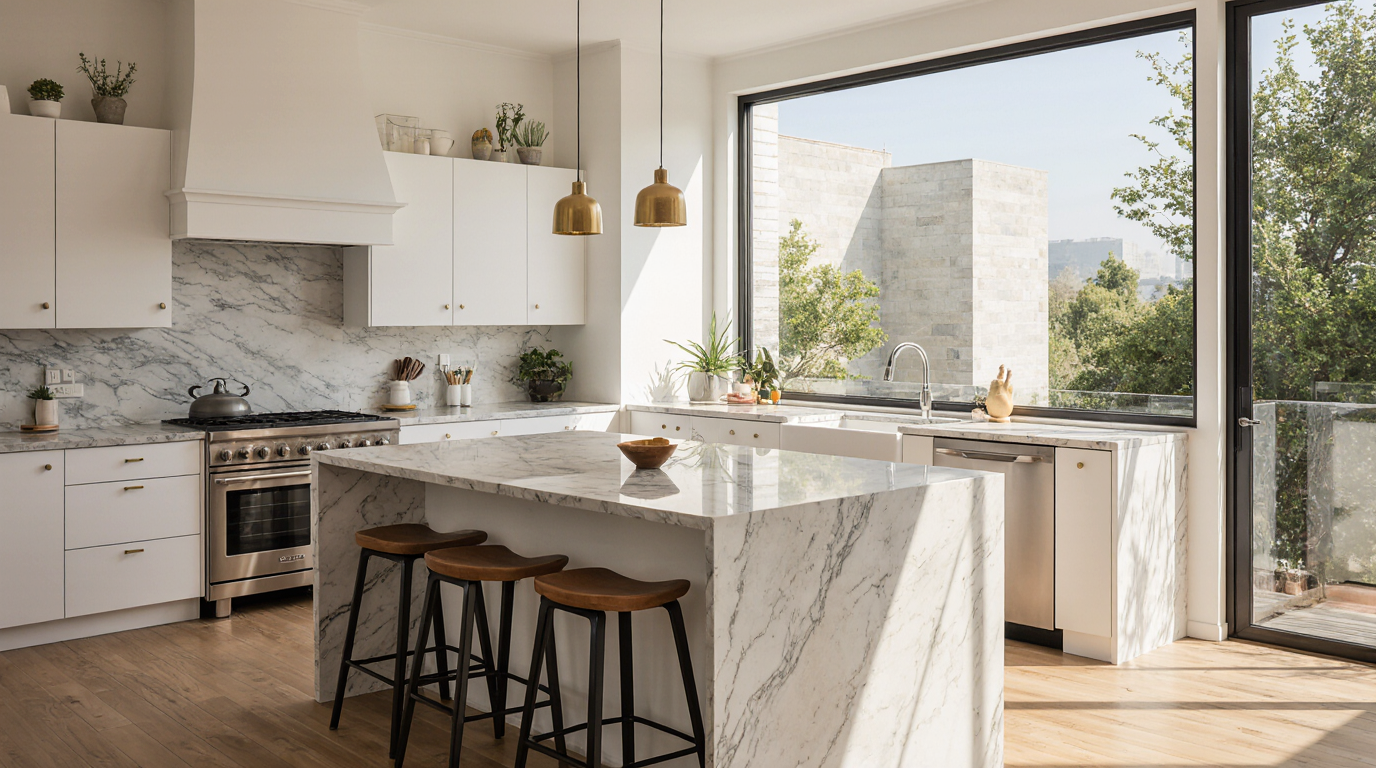
Executive Summary: Redesigning Kitchens for Sarasota's Reality
From my 15 years executing projects across this region, a successful kitchen redesign in Sarasota hinges on a specific
From my 15 years executing projects across this region, a successful kitchen redesign in Sarasota hinges on a specific strategy: prioritize material stability and moisture management over pure aesthetics. The coastal environment is relentless, and what works in other parts of the country can fail spectacularly here. A beautiful kitchen that can't withstand our humidity or the requirements of a Longboat Key condo association is a failed investment, regardless of the initial cost.
- Material Selection is Climate-Driven: The default choice should be engineered materials or highly stable woods, with marine-grade plywood for cabinet boxes being a non-negotiable in waterfront properties.
- HOA/Condo Board Approval is a Project Phase: In communities like Lakewood Ranch or downtown condos, the design review process can add 30-60 days and dictate material and contractor choices.
- Ventilation is a System, Not an Appliance: Proper ventilation planning is crucial to manage indoor humidity, protecting cabinetry and preventing mold, especially in homes that are closed up for part of the year.
- Cost is Tied to Durability: The average kitchen remodel cost here is often inflated not by luxury brands, but by the necessary upcharges for corrosion-resistant hardware, impact-rated windows, and moisture-resistant substrates.
The Planning Failures That Inflate Costs After the Contract is Signed
The most significant budget overruns I see stem from discoveries made after demolition, but the root cause is almost always a failure in pre-planning. In Sarasota, this often relates to underestimating the impact of the existing structure's exposure to the elements and the strictness of local building codes and community regulations.
The Most Expensive Failure: Ignoring the Envelope
The pattern is consistent: a client focuses entirely on the internal finishes—the cabinets, the appliances, the backsplash. The most expensive oversight is failing to assess the kitchen's building envelope—the windows, the exterior walls, and the insulation—before finalizing the interior design. I managed a project in a Lido Key home where the client had approved a stunning, custom walnut kitchen. During demolition, we found water intrusion and degraded insulation behind the drywall from years of wind-driven rain against a poorly sealed window. The kitchen project was halted for three weeks for remediation and structural work, adding an unforeseen 20% to the total budget and jeopardizing their move-in date. A pre-design moisture assessment would have identified this and built the solution into the original scope and timeline.
The Redesign Process in Practice for Sarasota Homeowners
A kitchen redesign here is not a simple three-step process of design, order, and install. It involves navigating a specific sequence of climate-related technical decisions and local administrative hurdles that must be addressed in the correct order to avoid costly delays and rework.
Key Selection Criteria for a Sarasota Project
When you're evaluating contractors or designers, their familiarity with generic kitchen trends is less important than their proven experience with our specific challenges. Your vetting process should focus on validating their local, technical expertise.
- Portfolio with Waterfront Projects: Ask to see examples of kitchens they've completed on the barrier islands (Siesta, Lido, Longboat Key). This demonstrates experience with salt air, wind codes, and condo board logistics.
- Deep Knowledge of Material Acclimation: A qualified professional will insist on having cabinetry and wood flooring delivered to the site to acclimate to the home's specific humidity level for a set period before installation to prevent future warping.
- In-House or Established HOA/Condo Liaisons: Experienced firms know how to prepare and submit architectural review packages for places like The Landings or Prestancia. Ask about their process; a vague answer is a major red flag.
- Verified Network of Licensed Trades: They must use plumbers and electricians who are not just licensed, but who understand the specifics of concrete slab construction common in Florida and the requirements for wiring in high-wind zones.
Comparing a Full Redesign with Lighter Upgrades
A complete redesign is a significant undertaking. Homeowners, particularly those planning a small kitchen remodel, often weigh it against less disruptive alternatives like refacing or a simple kitchen upgrade. The right choice depends entirely on the existing kitchen's structural integrity and your long-term goals in the Sarasota market.
| Approach | Best For | Climate Durability | Typical Cost Range |
|---|---|---|---|
| Full Kitchen Redesign | Outdated layouts, poor functionality, or when addressing underlying moisture issues. Maximizes property value. | High (Allows for new, climate-appropriate materials, proper sealing, and ventilation upgrades). | $60,000 - $150,000+ |
| Cabinet Refacing | A structurally sound kitchen with a good layout but dated aesthetics. A quick visual kitchen upgrade. | Low to Medium (Does not address the integrity of the cabinet boxes, which may be susceptible to humidity). | $9,000 - $20,000 |
| Appliance & Countertop Swap | Newer kitchens needing a minor refresh. Often done for a quick sale or for a small kitchen remodel on a tight budget. | Low (No impact on the cabinetry's resilience to the environment. Risk of mismatched components). | $10,000 - $25,000 |
When a Full Redesign is the Wrong Choice
A full-gut redesign is not always the best path. If you plan to sell the property within two years, you are unlikely to recoup the full investment of a high-end, personalized remodel. In this scenario, a more modest kitchen upgrade focusing on new countertops, a modern backsplash, and updated appliances often provides a better return on investment by appealing to a broader range of buyers without the high capital outlay.
A Safe Hiring Checklist for Your Sarasota Project
Vetting a contractor in Florida requires more than checking reviews. It involves verifying specific licenses and experiences relevant to our coastal building environment. Using this checklist can help you avoid unqualified individuals who don't understand the nuances of building in this region.
- Verify their Florida Certified General Contractor (CGC) or Certified Building Contractor (CBC) license is active and without complaints on the Florida Department of Business and Professional Regulation (DBPR) portal.
- Confirm they carry General Liability and Workers' Compensation insurance specific to Florida. Ask for the certificate and call the provider to verify it's current.
- Request specific examples of how they handle material specification for humidity, such as the use of exterior-grade glue or specifying stainless steel hardware (Grade 316 for waterfront).
- Ask for their standard procedure for protecting the rest of the home from dust and debris, especially HVAC systems, which are critical in our climate.
- Discuss their process for handling HOA or condo association approvals, including who is responsible for submitting documents and attending review meetings.
- Clarify their warranty, specifically asking if it covers issues related to material movement or finish failure due to humidity.
- Review a sample contract to ensure it includes a clear payment schedule, a defined scope of work, and a procedure for handling change orders.
The Decisions That Truly Determine the Outcome
After overseeing hundreds of projects, I can pinpoint the key decisions that separate a smooth, successful redesign from a frustrating and costly one. These choices happen early in the process and are often related to budget allocation and project sequencing, setting the foundation for everything that follows.
The Exact Moment Most Homeowners Get It Wrong
The critical error happens right at the beginning. Most people start by focusing on the finished look—they fall in love with a specific countertop material or a cabinet style. The correct first step is to allocate a portion of your budget—perhaps 15-20%—to a “resilience and compliance” fund before you even look at a single finish sample. This fund is earmarked for unseen necessities like upgrading ventilation, addressing potential moisture issues found during demo, or using marine-grade materials required by proximity to the water. By mentally and financially committing to this first, you design a kitchen that is fundamentally sound for Sarasota, preventing the painful choice between your dream finishes and a necessary, unglamorous structural fix later on.
Practical Answers About Operations in Sarasota
Navigating the local rules and logistics is as important as the design itself. Understanding these specific operational realities of a kitchen redesign in Sarasota County can prevent significant delays and frustrations during the project.
Navigating Sarasota County Permitting for Kitchen Work
Any kitchen remodel that involves moving walls, altering plumbing, or changing electrical layouts requires a permit from the Sarasota County Building Department. A simple cosmetic update (painting, new countertops on existing cabinets) typically does not. The permit review process can take anywhere from 4 to 8 weeks, a critical timeline to factor into your project schedule, especially if you are a seasonal resident.
HOA Design Review Boards: The Unseen Gatekeeper
In master-planned communities from Palmer Ranch to Lakewood Ranch, the Homeowners Association (HOA) design review board has final say on many aspects of your remodel, even interior ones if they affect shared walls or building exteriors (like new windows or vent locations). Submissions often require detailed plans, material samples, and contractor credentials. Approval is not guaranteed and can sometimes require design modifications, adding weeks to the pre-construction phase.
Florida Building Code and High-Velocity Hurricane Zones (HVHZ)
While Sarasota is not officially in the HVHZ like Miami-Dade, its proximity to the coast means many aspects of the Florida Building Code are strictly enforced. For kitchens, this most directly impacts windows and exterior doors. If your redesign includes replacing a kitchen window, it must meet current impact-resistance and wind-load standards. This is not an optional upgrade; it's a legal requirement that adds cost but is essential for safety and insurability.