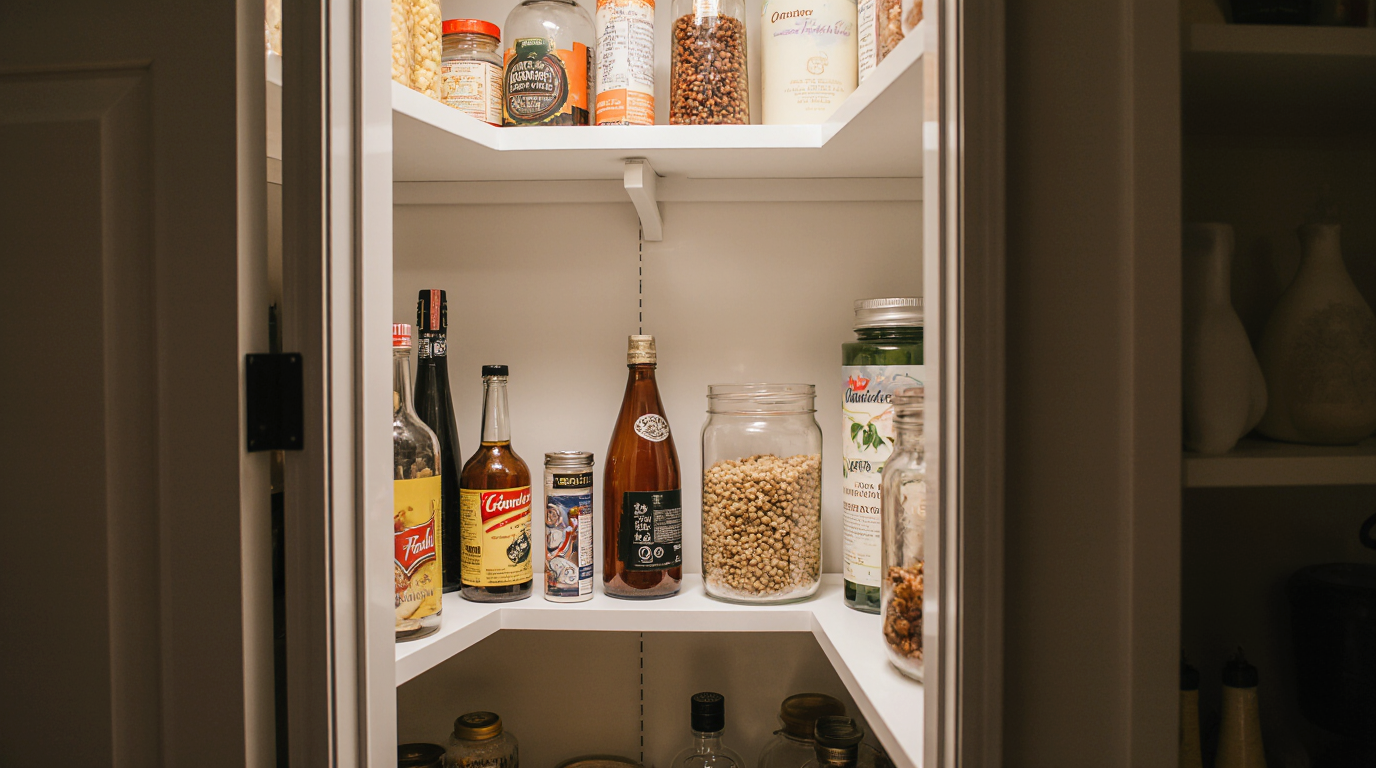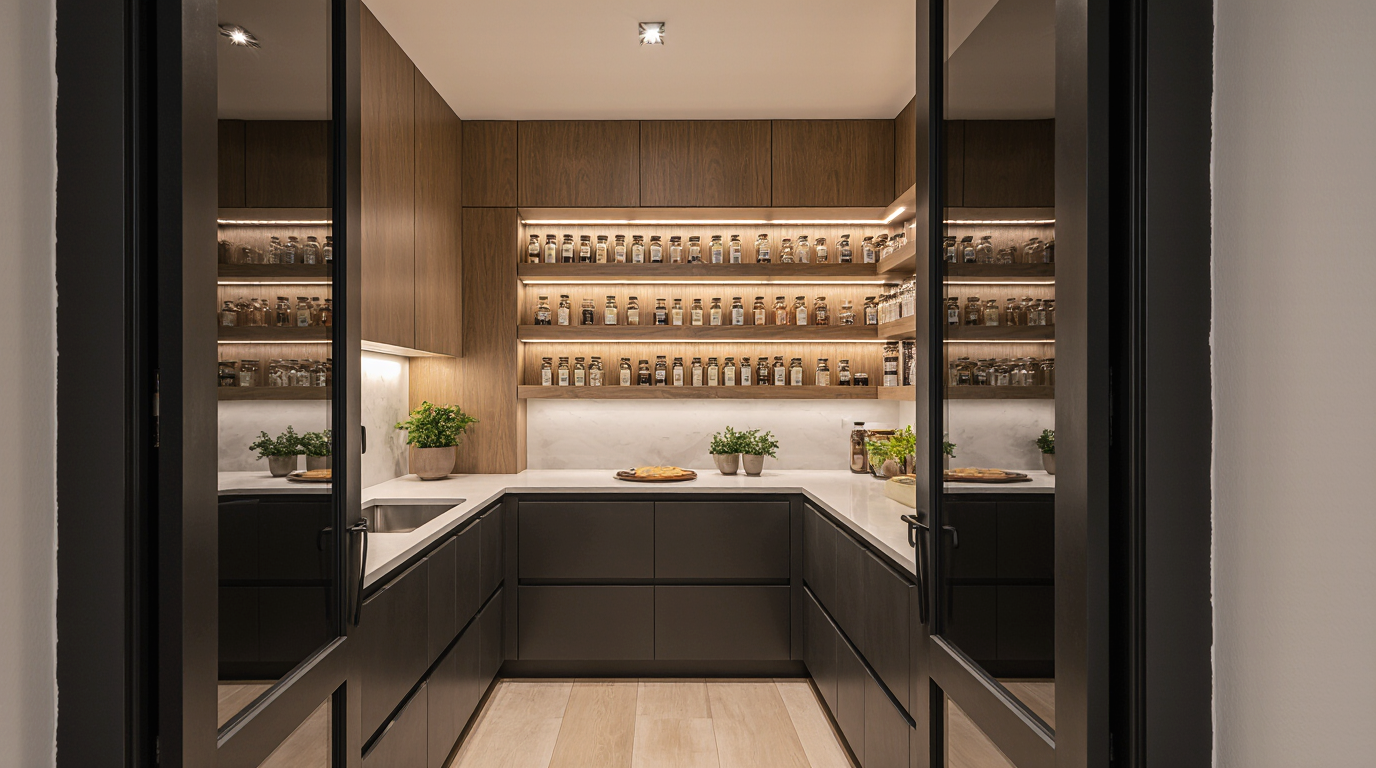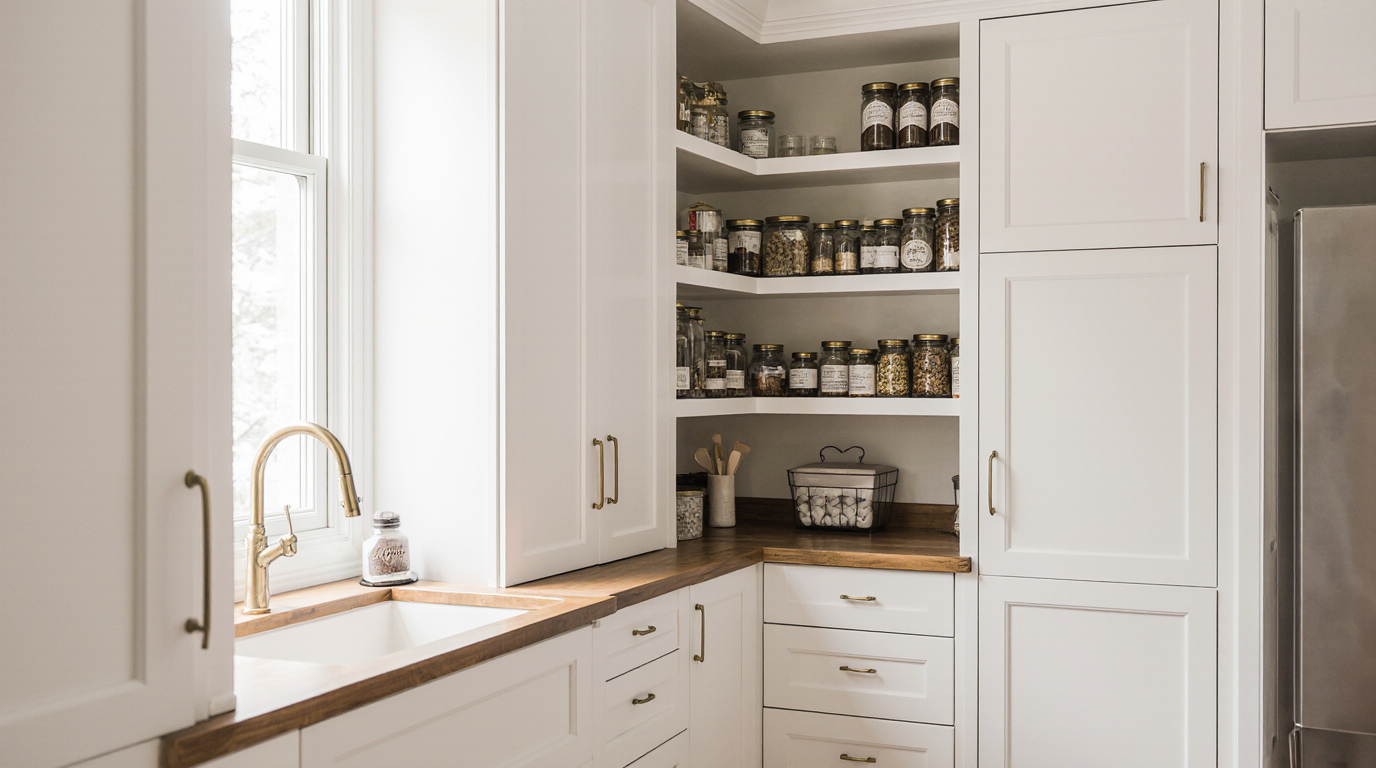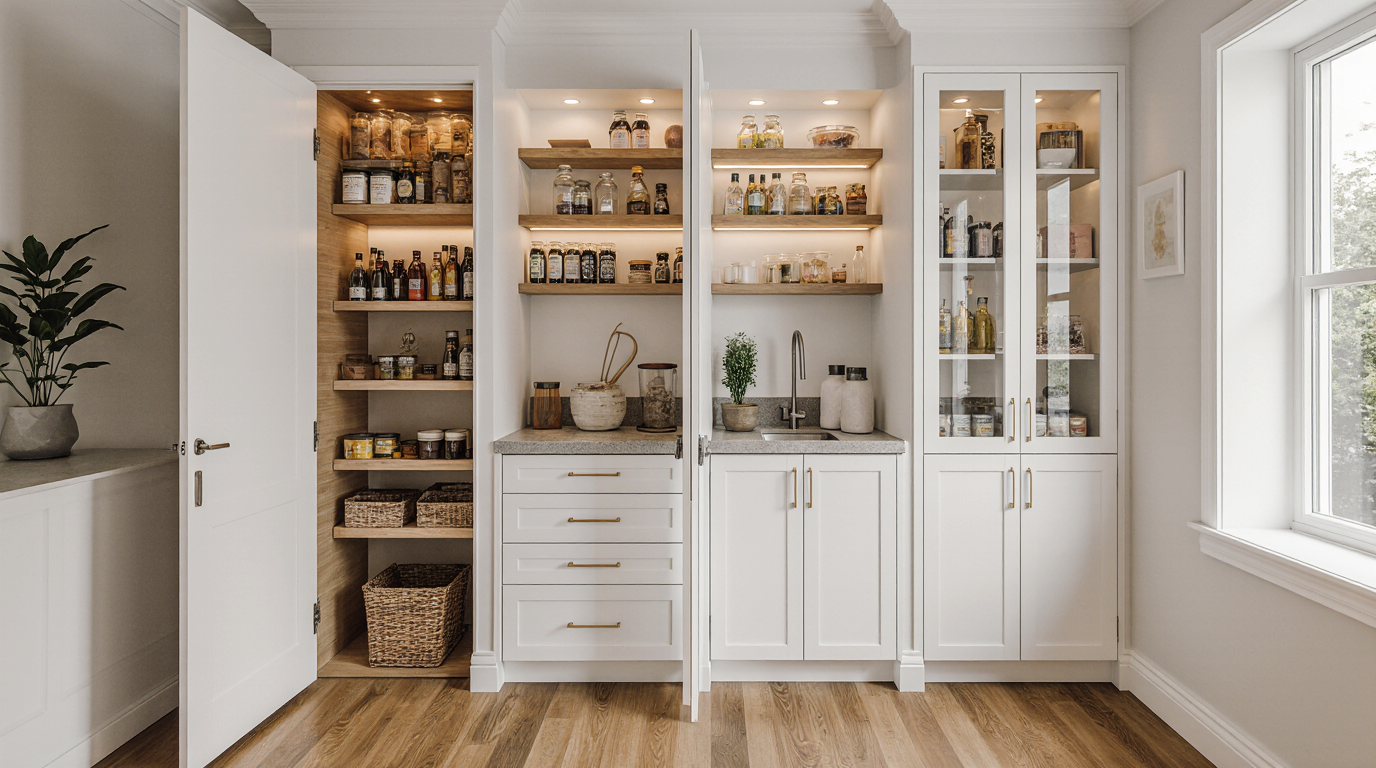
In Sarasota County, the average high humidity hovers above 75% for most of the year. For a kitchen pantry, this isn't just a weather statistic; it's a constant assault on wood, laminates, and even packaged goods. I've seen standard MDF shelving installed in a beautiful Lido Key home begin to swell and delaminate in less than 18 months. The failure wasn't the craftsmanship; it was a fundamental misunderstanding of our local environment.
Executive Summary: A Sarasota-Specific Pantry Remodel
From my direct experience remodeling pantries from historic homes in Gillespie Park to new builds in Lakewood Ranch, a
From my direct experience remodeling pantries from historic homes in Gillespie Park to new builds in Lakewood Ranch, a successful project here is less about Pinterest-worthy aesthetics and more about material science and climate control. The core challenge is creating a functional, organized space that actively resists moisture intrusion and meets the often-stringent design codes of local HOAs. The goal is a pantry that performs as well as it looks, year after year, without succumbing to the coastal humidity.
- Material Priority: Substrate choice is paramount. Marine-grade plywood or solid wood is a necessity, not an upgrade, for longevity.
- Ventilation is Non-Negotiable: A passive or unventilated pantry is a recipe for musty odors and potential mold growth.
- HOA Pre-Approval: For any structural change, even minor ones, design review boards in communities like The Founders Club have specific submission requirements that can delay a project by weeks if not handled correctly.
- Hardware Specification: Salt air corrosion is a real factor on the barrier islands; stainless steel or marine-rated hardware is essential for drawer slides, hinges, and handles.
The Planning Failures I See Most Often in Sarasota
The most common missteps in a pantry remodel happen long before a hammer is swung. They stem from applying generic design ideas to a very specific, demanding environment. Homeowners often focus on maximizing shelf space and organization gadgets, overlooking the foundational elements that prevent a complete failure down the line.
The Most Expensive Failure: Ignoring Humidity Mitigation
The costliest mistake is treating the pantry as a simple closet. I was called to a project in a beautiful waterfront home on Bird Key where the client had spent a significant sum on a custom pantry with elaborate pull-out shelves and custom lighting. The problem? It was built with standard particleboard and had no air circulation. Within two years, the shelves were sagging, a persistent musty smell had developed, and there were visible signs of mold on the wall behind the unit. The entire system had to be torn out and rebuilt, doubling the original project cost. The failure was assuming an air-conditioned home negates the need for micro-climate control in an enclosed space like a pantry.
The Remodeling Process in Practice for Sarasota Homes
A professional pantry remodel in this area is a multi-stage process that balances design, material engineering, and local compliance. It begins with a thorough assessment of the existing space, not just for dimensions, but for signs of moisture, lack of airflow, and proximity to exterior walls which can be hotter and more humid.
The design phase incorporates solutions for these issues, followed by material procurement and fabrication. The installation itself must be meticulous, ensuring all components are properly sealed. If the project involves moving walls or significant electrical work, it will require a permit from Sarasota County, which typically adds 4-6 weeks to the timeline for plan review and approval.
Key Selection Criteria for a Local Pantry Specialist
- Experience with marine-grade plywood and other humidity-resistant materials, not just standard cabinetry stock.
- A portfolio that includes projects on the barrier islands (Lido, Siesta, Longboat Key), demonstrating familiarity with salt-air conditions.
- Proven process for navigating HOA design review boards, especially in master-planned communities.
- Integration of low-voltage ventilation or dehumidification solutions into their designs.
- Understanding of the Florida Building Code requirements for structural modifications, if applicable.
Comparison with Common Alternatives
While a professionally designed, climate-resilient pantry is the most durable solution, homeowners do have other options. However, these alternatives often involve significant trade-offs in our local environment. The choice depends on budget, expected longevity, and how much risk you're willing to take with humidity.
| Feature | Professional Custom Remodel | DIY Wire Shelving System | Big-Box Store Cabinetry |
|---|---|---|---|
| Humidity Resistance | Excellent (with proper materials) | Good (airflow is high) | Poor to Fair (often particleboard) |
| Load Capacity | Excellent | Fair to Poor | Fair |
| Aesthetic & Customization | Excellent | Poor | Limited |
| Typical Cost | $$$ | $ | $$ |
When a Full Custom Remodel Isn't the Right Choice
A full-scale custom pantry remodel is not always the best fit. If you are in a short-term rental property or planning a major kitchen overhaul within the next two years, the investment may not make sense. In these cases, a modular, high-quality wire shelving system can provide excellent air circulation and organization at a fraction of the cost, even if it lacks the high-end finish and load-bearing capacity of a custom build-out.
A Safe Hiring Checklist for Your Pantry Project
Verifying a contractor's suitability for Sarasota's unique conditions is critical. A general cabinet maker may not have the specific expertise required to build a pantry that will last here. Use this checklist to vet potential partners.
- Verify their license with the Florida Department of Business and Professional Regulation (DBPR) and check for any complaints.
- Ask for proof of liability and workers' compensation insurance specific to Florida.
- Request references for at least two pantry projects completed more than three years ago in coastal Sarasota County to see how their work has held up.
- Inquire about their specific material suppliers for marine-grade plywood and stainless-steel hardware.
- Review their standard contract for clauses detailing warranties against material failure like warping or delamination.
- If you live in an HOA, ask for their exact process and timeline for submitting plans for architectural review board approval.
- Discuss their strategy for ventilation—if they don't have one, it's a major red flag.
Decisions That Determine the Project's Success
The outcome of your pantry remodel will be defined by a few key decisions made at the very beginning. The pattern I've observed over 15 years is that clients who focus on the unseen infrastructure first—the substrate, the finish, the airflow—are always happier in the long run than those who prioritize surface-level organization features.
The Exact Moment Most Homeowners Get It Wrong
The critical error happens during the material selection phase. Most people are shown finished doors and drawer fronts and make their decision based on color and style. The most important conversation should be about the cabinet box and shelf material itself. Before you even look at a color swatch, you should be asking: "Is this industrial-grade particleboard, MDF, or a formaldehyde-free, marine-grade plywood?" In Sarasota, insisting on a marine-grade plywood substrate for the entire pantry structure is the single most important decision you will make. It can add 15-20% to the material cost, but it's the difference between a 5-year pantry and a 25-year pantry.
Practical Answers About Remodeling in Sarasota
Navigating the local specifics of a pantry remodel can be confusing. Here are answers to common operational hurdles that are unique to our area, from permitting to dealing with condo associations.
What Are the HOA Requirements in Lakewood Ranch?
In communities like Lakewood Ranch or The Lake Club, any interior modification that could be considered structural, or even sometimes just high-value cosmetic work, requires submission to the Design Review Committee (DRC). For a pantry, this means submitting detailed plans including materials, finishes, and contractor information. The review process can take anywhere from 30 to 60 days. Starting work without approval can result in fines and a stop-work order, so this step must be factored into your project timeline from day one.
Do I Need a Permit for a Small Pantry Remodel?
If your pantry remodel is purely cosmetic—replacing existing shelves with a new system in the same configuration—you typically do not need a permit from Sarasota County. However, if you are moving a wall, altering electrical wiring (e.g., adding outlets or new lighting), or changing plumbing, a permit is absolutely required. Working without a required permit can create major issues with homeowner's insurance and when you eventually sell the property.
How Do Barrier Island Conditions Affect Material Choices?
For homes on Siesta Key, Lido Key, or Longboat Key, the combination of high humidity and salt in the air is exceptionally corrosive. Beyond using marine-grade plywood, all metal components must be specified for marine environments. This includes hinges, drawer slides, shelf pins, and even screws. Opting for 316-grade stainless steel hardware is a wise investment. Standard steel or even lower-grade stainless will show signs of rust and failure, sometimes within a couple of years.