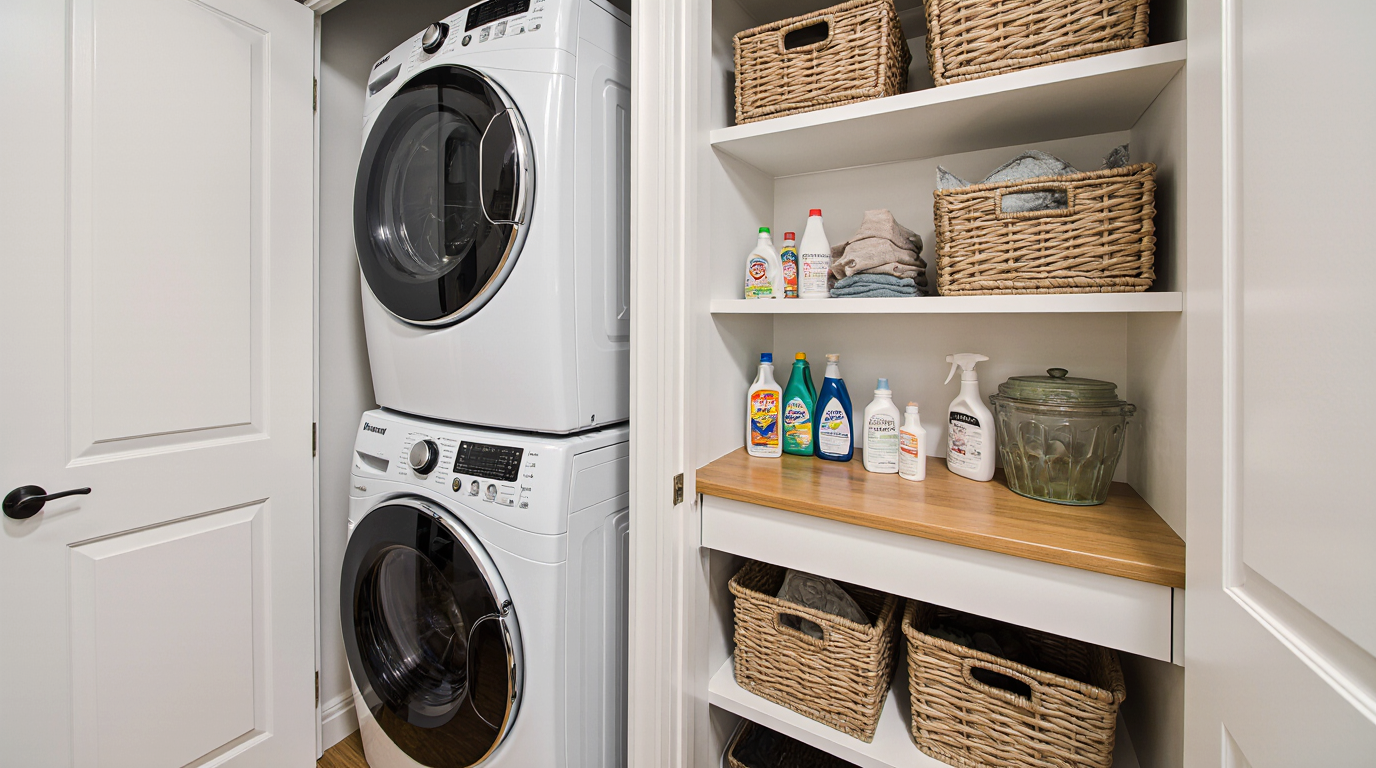
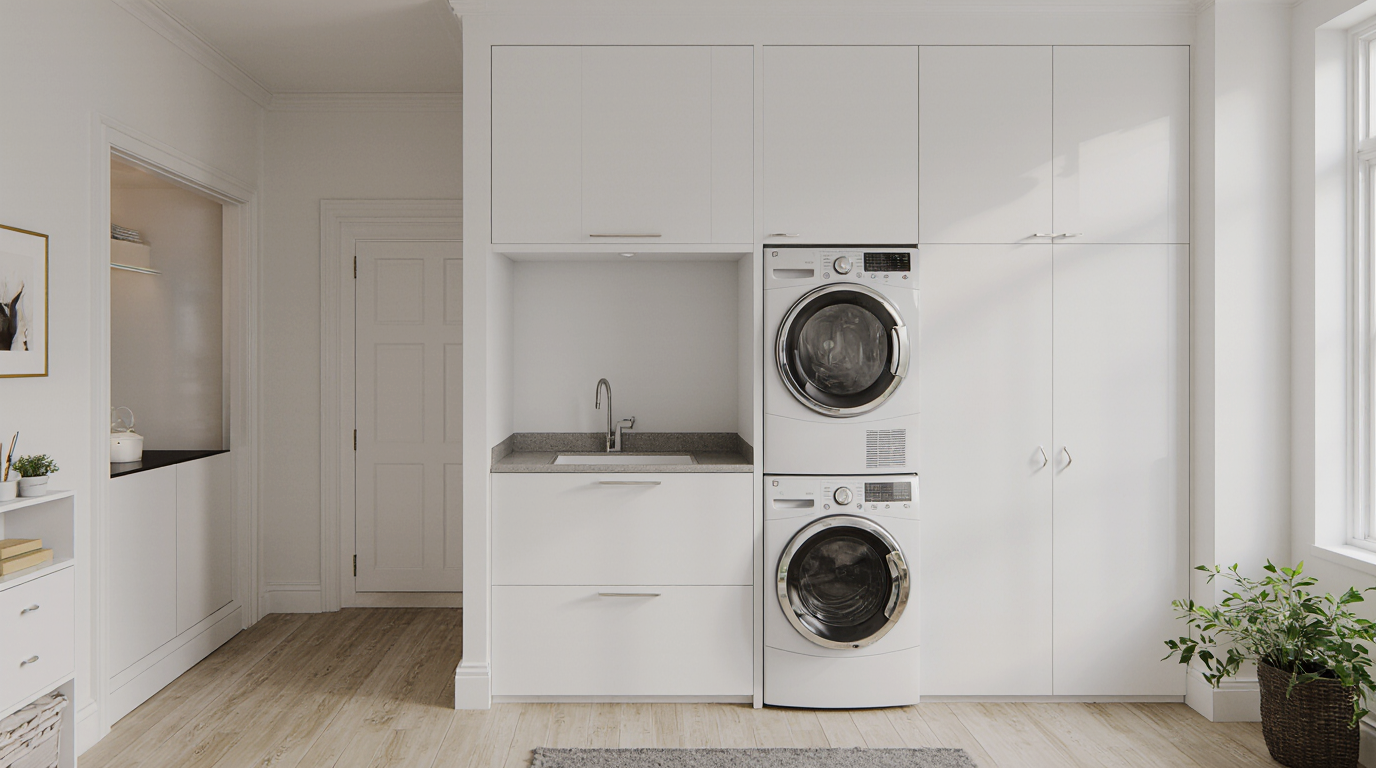
The convergence of the kitchen, laundry, and pantry into a singular, unified area represents a major leap in modern residential design, departing sharply from segregated, strictly functional areas. This combined strategy is highly valued in contemporary architecture, particularly where maximizing every inch is absolutely critical, such as in compact living spaces or modern floorplans. A well-executed combined zone hinges on workflow efficiency and seamless aesthetic transition, treating the combined area not as three separate functions crammed together, but as a singular, multifunctional hub for managing home life. The fundamental idea here is creating a intuitive path of movement, borrowing concepts like the ergonomic theories from appliance placement studies to ensure easy transition between tasks—from meal planning to washing and drying.
The initial design consideration must address the first impression. Since the kitchen often serves as the social epicenter, the laundry components—specifically the washer and dryer—must be integrated with design elegance. No longer settling for standard visible stacking, true high-end execution favors fully integrated appliances tucked behind bespoke cupboard fronts that match the surrounding kitchen cabinetry. This premium strategy maintains the smooth aesthetic flow expected in top-tier interiors, often utilizing minimalist door styles to make the laundry disappear. When this is not feasible due to cost limitations or physical limits, appliances with sleek, modern finishes, perhaps in custom panel-ready options, become the next best choice, a clear departure the sterile white of older models and leaning into resident-centered design trends.
The pantry element requires a calculated location to be an extension of the cooking area while offering hidden space for dry goods and overflow items. Often, the pantry occupies the tallest vertical space, making it an natural pairing for the stacked or side-by-side laundry units. Utilizing floor-to-ceiling cabinetry for the pantry offers unparalleled capacity and allows for the seamless integration of the laundry appliances cleverly placed around the larger cabinet run. For example, a deep pantry section can house rotating organizers for bulk food items, while an adjacent, slightly shallower section can fit the laundry machinery topped with a continuous quartz countertop that is dedicated to garment finishing. This unified countertop surface is absolutely essential; it visually links the food prep zone (kitchen) with the finishing zone (laundry), providing a high-utility, robust counter.
Workflow optimization is the key driver for of related accessories. The dirty laundry intake should be conveniently located by the doorway to this zone or an adjacent mudroom area, minimizing tracking through the main living spaces. Here, hidden hamper solutions are indispensable. Instead of freestanding baskets, incorporate pull-out drawers or custom cubbies within the lower cabinetry labeled for easy separation—perhaps labeled for whites, colors, and delicates. This maintains a pristine look and positions the unsorted items exactly where the washing function begins. The utility sink, a highly practical element in any functional zone, should be sited for maximum convenience adjacent to the washer for quick rinsing and spot treatment, preferably a deep farmhouse basin to manage significant spills with ease.
Storage for laundry supplies must be carefully thought out. Detergents, softeners, and spot treatments should reside in easily accessible custom-fitted drawers or pull-out trays near the washing machine, perhaps borrowing inserts originally intended for kitchen cutlery or spices to keep small bottles contained. For a visually appealing organization, consider decanting powders and liquids into uniform, labeled glass jars on visible ledges above the folding area, marrying organization with a curated aesthetic that appeals to design consciousness. Furthermore, vertical space above the dryer and sink area should leverage floating wood shelves for infrequently accessed supplies, balancing open display with necessary concealment.
A key to successful integration involves creating a dedicated drying zone that avoids blocking essential movement or countertop space. Rather than relying on bulky, freestanding racks, opt for fold-away hanging options. This might include a compact extendable unit with swing-out arms that disappear when not in use, or a custom ceiling-mounted system with a clever hoist that can be raised out of the way when not in use. For garments requiring flat drying, a segment of the countertop can be temporarily dedicated, or a pull-out drying surface concealed beneath the main counter can be deployed. This focus on flexible, non-permanent installations is crucial for keeping the space multipurpose as a true kitchen space when laundry is complete.
The flooring material selection is an essential element of the design. While traditional laundries might default to ceramic tile, incorporating elements that echo the adjacent kitchen flooring—such as engineered hardwood or high-quality luxury vinyl plank (LVP) with water-resistant finishes—subtly unites the functions. This material consistency contributes to the perception of a unified, high-design space. Lighting should also go beyond simple task focus; bright, focused task lighting over the folding counter is essential, but ambient lighting, perhaps utilizing decorative pendants that match the main kitchen lighting scheme, elevates the room from a chore space to an intentional part of the home's design narrative. This holistic consideration ensures the integrated zone is a place homeowners are {happy to occupy|comfortable spending time in|pleased to utilize, maximizing the home’s usable square footage without giving up sophisticated elements. The successful Kitchen Laundry Pantry Layout is therefore a masterclass in hidden functionality.