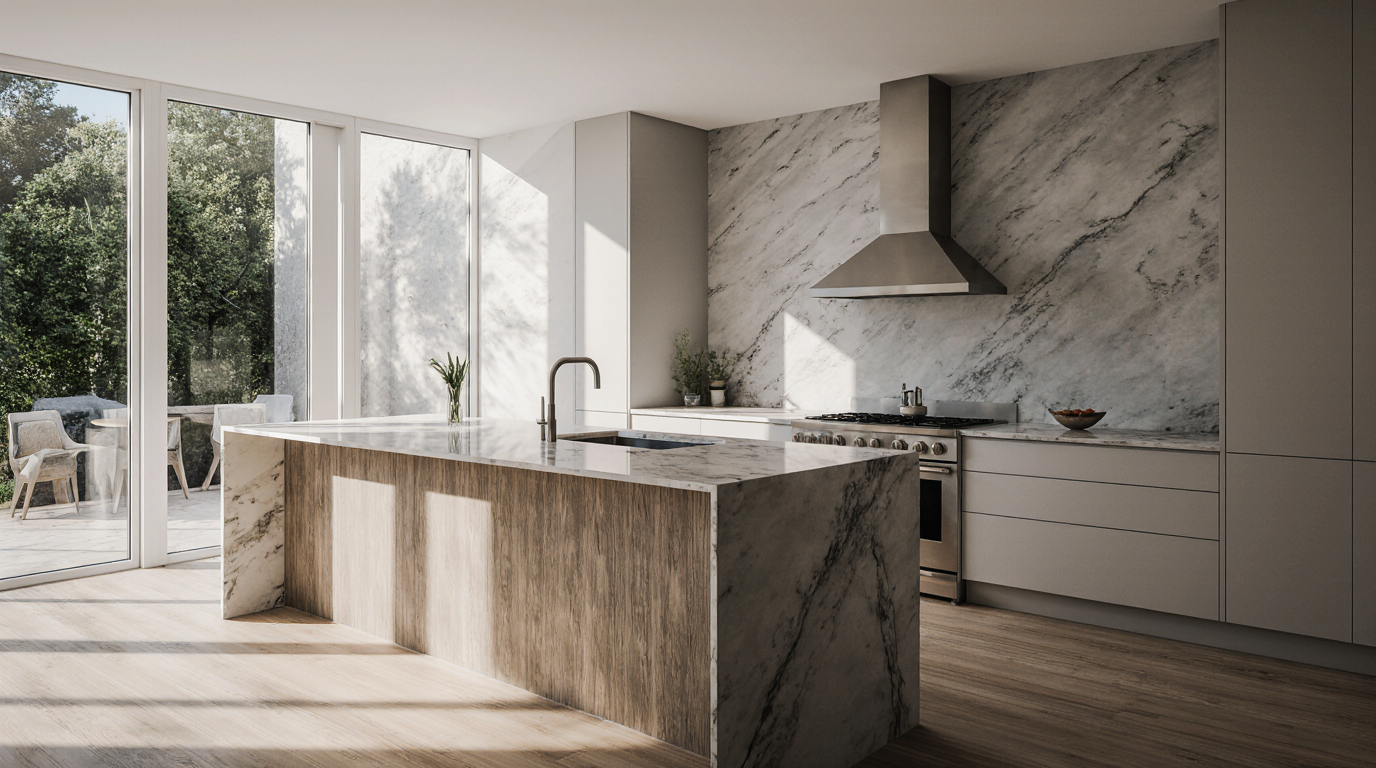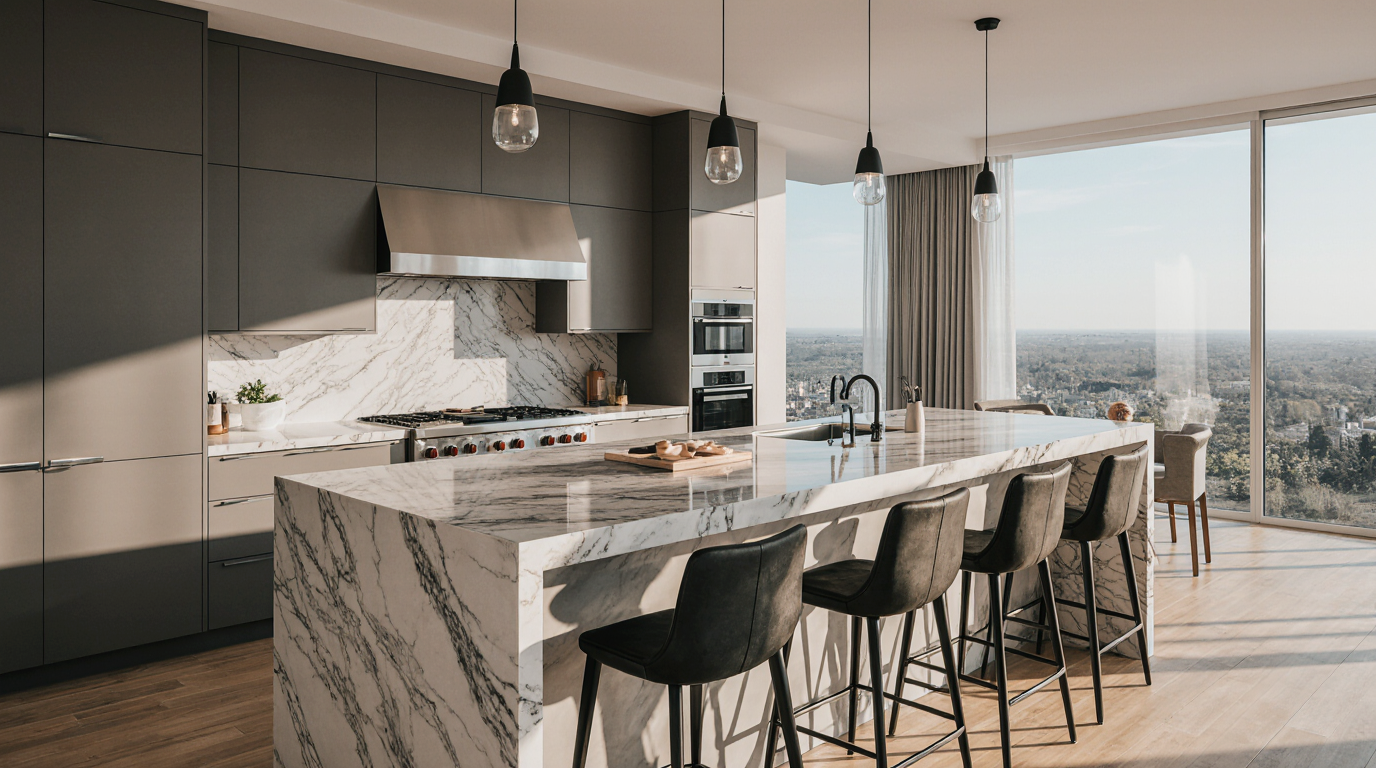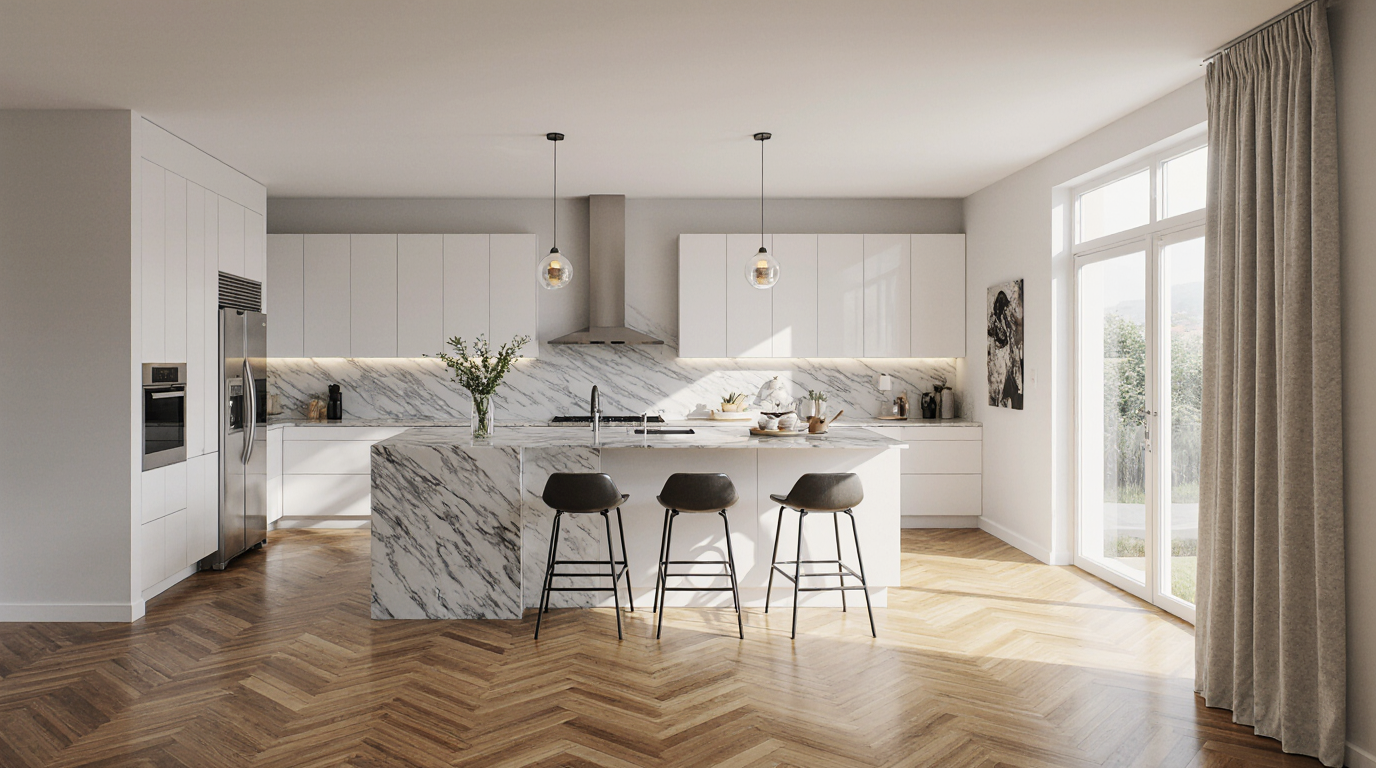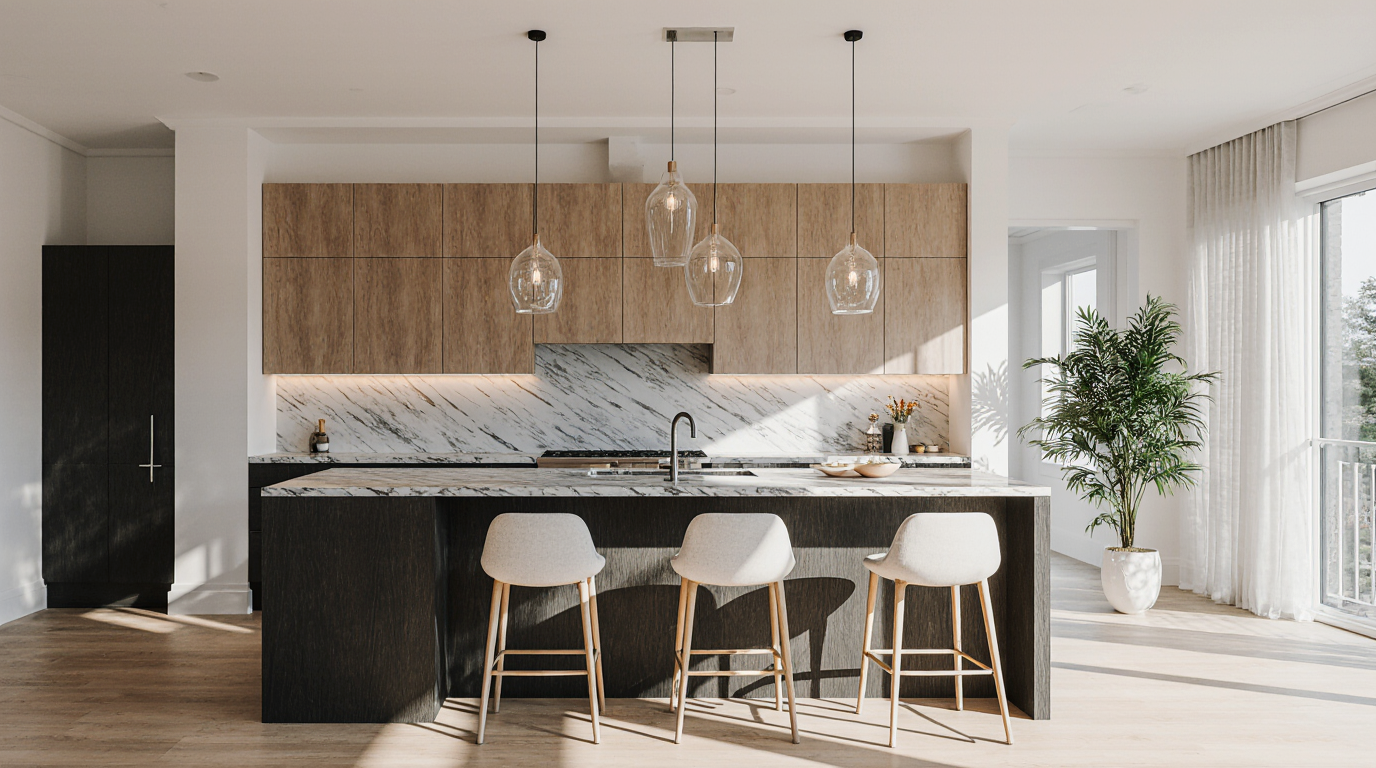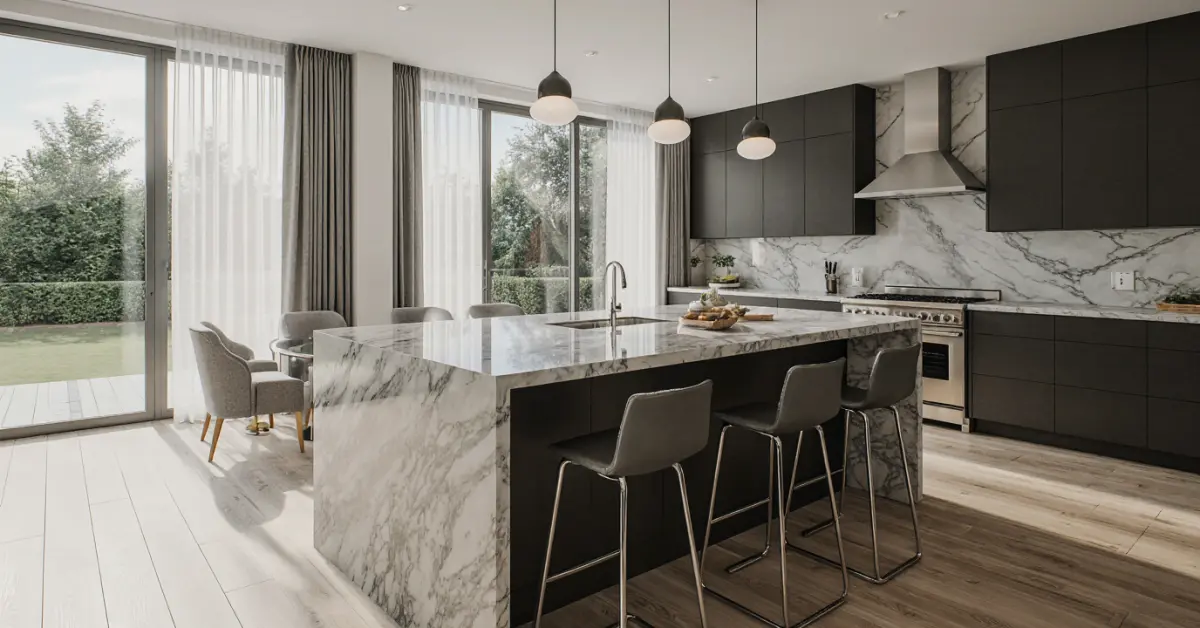
In many of our high-end Sarasota projects, particularly on the barrier islands like Lido Key or Longboat Key, the cost of the island countertop slab alone can easily exceed $10,000 before fabrication and installation. This isn't just about square footage; it's about selecting a material that can withstand the intense, year-round UV exposure from large waterfront windows without fading or yellowing. Many homeowners fall in love with a look, only to discover a year later that their pristine white surface has developed a subtle, irreversible tint from the sun—a costly mistake that proper material specification could have prevented.
Executive Summary: Your Sarasota Island Countertop Decision
From my direct experience installing high-performance countertops in Sarasota, the central challenge is balancing the
From my direct experience installing high-performance countertops in Sarasota, the central challenge is balancing the desire for a luxurious, statement-making island with the harsh realities of our coastal environment. The decision goes far beyond color and pattern. I've seen homeowners regret choices based on a showroom sample that didn't account for the UV degradation from west-facing windows or the subtle etching caused by salt air residue. The most successful projects prioritize technical performance equal to aesthetics, ensuring the island remains the home's centerpiece, not its primary maintenance issue.
- UV Resistance Rating: A non-negotiable factor for homes with abundant natural light to prevent yellowing or fading.
- Porosity and Sealing Requirements: Determines vulnerability to staining from spills during entertaining and moisture absorption in our humid climate.
- HOA Design Review Board (DRB) Compliance: A critical step in communities like Lakewood Ranch, which often have specific palettes and material guidelines.
- Fabricator's Coastal Installation Experience: Verifying their knowledge of sealants and edge treatments that resist salt air and humidity is essential.
The Critical Planning Failures I See in Sarasota
The most common missteps happen long before the first cut is made. Homeowners often focus entirely on the visual appeal of a slab in a controlled showroom environment, underestimating how Sarasota's unique conditions will affect the material. The light, air, and even the way families use their space here are different.
A frequent error is choosing a material based on its performance in a northern climate. A beautiful, porous marble that thrives in a Boston brownstone can become a high-maintenance liability in a Siesta Key condo, absorbing moisture and being susceptible to etching from citrus and wine used in frequent entertaining.
The Most Expensive Failure: Ignoring UV Impact on Resin-Based Binders
The costliest mistake I consistently see is selecting a quartz countertop with a high resin content for an island that gets direct, unfiltered sunlight. Many popular quartz brands use polyester or epoxy resins to bind the quartz crystals. While durable indoors, these resins can react to prolonged UV exposure, causing the whites and light colors to yellow over time. This damage is irreversible. A client on Bird Key spent a fortune on a brilliant white quartz island top, only to call me two years later because the side hit by the afternoon sun was a noticeably different shade than the side in shadow. The only solution was a full replacement, a loss of over $15,000.
How the Selection and Installation Process Works Here
Selecting and installing an island countertop in Sarasota is a multi-stage process that requires coordination between you, your designer, the slab yard, and the fabricator. It’s not as simple as picking a color. The process is dictated by material availability, fabrication schedules, and local logistics, especially when dealing with oversized slabs for large islands.
First, you select a material and specific slab from a local supplier like Triton Stone Group or Oracle Surfaces. Once selected, the fabricator creates a precise digital template of your island cabinetry on-site. The slab is then transported to their workshop for cutting, edge profiling, and any sink or cooktop cutouts. The final piece is delivered and professionally installed, a process that can take a full day for a large, complex island.
Key Selection Criteria for a Sarasota Homeowner
- Test Samples in Your Home's Light: Never make a final decision under showroom lights. Take a sample home and observe it at different times of day in the exact spot the island will be. The light reflecting off the water in a Casey Key home is dramatically different from the filtered light in a Laurel Park bungalow.
- Verify Salt Air Resistance: For properties west of the Trail or on the keys, ask the fabricator about sealants and materials that resist pitting or degradation from airborne salinity. Materials like quartzite and high-density granites often outperform others in this regard.
- Consider the "Entertainment Factor": Be realistic about use. If you host frequently, prioritize a non-porous and scratch-resistant surface like a high-quality quartz or an ultracompact surface like Dekton, which can handle hot pans and red wine spills with ease.
- Confirm Slab Size for a Seamless Island: Large islands are the norm in new Sarasota construction. Before falling in love with a pattern, confirm the supplier has "jumbo" slabs available (typically over 120 inches long) to avoid an unsightly seam down the middle of your statement piece.
Comparing Top Materials for a Sarasota Island
The choice of material for your island countertop involves a trade-off between aesthetics, durability, maintenance, and cost. In our specific climate, what works elsewhere may not be the optimal choice. The following table compares the most common options I install in the Sarasota area based on factors critical to our local lifestyle.
| Material | UV Resistance (Sunlight Fading) | Stain & Etch Resistance | Typical Installed Cost (per sq. ft.) |
|---|---|---|---|
| Quartz (Engineered) | Varies by brand; can yellow with high UV | Excellent | $90 - $160 |
| Quartzite (Natural) | Excellent; no resins to yellow | Good to Excellent (requires sealing) | $110 - $220+ |
| Granite (Natural) | Excellent | Good (requires periodic sealing) | $80 - $180 |
| Marble (Natural) | Excellent | Poor; etches and stains easily | $100 - $250+ |
When a Natural Stone or Full Slab Isn't the Right Choice
A full, custom-fabricated slab is not always the best path. For a rental property, a smaller kitchen, or a project with a strict budget, a prefab island countertop can be a pragmatic solution. These are pre-cut and pre-finished pieces of stone in standard sizes. While you lose customization in size and edge profile, the cost savings can be significant. However, I advise against this for high-end, custom kitchens where the island is a focal point, as the limited sizes can compromise the design and flow of the space.
A Safe Hiring Checklist for Sarasota Fabricators
Hiring the right fabricator is as important as choosing the right stone. A poor installation can ruin even the most expensive material. The difference between a seamless, level countertop and one with visible joints and mismatched patterns comes down to the skill and diligence of the installation team.
- Verify they are licensed and insured specifically for work in Sarasota County. Ask for their certificate of insurance.
- Request to see at least three recent island installations in the area, preferably with the same material you are considering.
- Ask about their templating process. Do they use digital laser templating? This technology ensures a much more precise fit than manual methods, which is critical for large, complex islands.
- Confirm they have experience working within HOA guidelines, especially for communities in Lakewood Ranch or Palmer Ranch, which require advance approval of all exterior-facing modifications, including a kitchen visible from a window.
- Discuss their seam-matching philosophy. For veined materials like quartz or quartzite, ask to see their layout software (like Slabsmith) that shows you exactly how the veins will align at the seams before they make a single cut.
- Clarify their warranty. Does it cover the installation and labor, or just the material (which is often covered by the manufacturer)?
Decisions That Truly Determine the Outcome
After overseeing hundreds of installations, I can pinpoint the decisions that separate a seamless project from a frustrating one. The most successful outcomes are driven by clients who prioritize the technical details of fabrication and installation just as much as they do the color and pattern of the stone. It's the unseen details that ensure longevity and satisfaction.
One of the most impactful decisions is approving the final slab layout. Don't just trust the fabricator to make the best cuts. A good fabricator will invite you to their shop or send a digital layout showing how the template fits on the slab. This is your only chance to decide which part of that beautiful vein will run through the center of your island and which part will be cut out for the sink.
The Exact Moment the Majority Gets It Wrong
The most common critical error happens at the slab yard. A client falls in love with a dramatic, heavily-veined slab of quartzite under perfect, angled showroom lighting. They approve it on the spot. What they fail to do is ask the yard to show them the slab outside in natural light. You must see the stone in the Florida sun before you buy it. This is the only way to see the subtle fissures, color variations, and imperfections that will be glaringly obvious in your sun-drenched Sarasota kitchen. That perfect gray vein indoors might look greenish or brownish outside, completely changing the feel of your design.
Practical Answers About Operations in Sarasota
Navigating the countertop process involves more than just design choices. You'll encounter local regulations, logistical challenges, and community-specific rules that can impact your timeline and budget. Understanding these upfront prevents surprises down the road.
Handling HOA and Condo Association Approvals
For many residents, especially in planned communities or condo buildings, the homeowners' association (HOA) or condo board has the final say. Before purchasing a slab, you must submit your material selection, fabricator's license, and insurance for review. The Design Review Board (DRB) in a community like The Concession can take 30-45 days for approval. They may have restrictions on colors or reflectivity. Starting work without this written approval can result in fines and a stop-work order.
Logistics of Large Slab Delivery on the Keys
Getting a 1,000-pound slab of stone to a 10th-floor condo on Longboat Key or navigating the narrow streets of Siesta Key Village presents a major logistical challenge. Fabricators must use specialized cranes or lifts, and delivery is often restricted to specific hours. These access challenges add cost and complexity. You must confirm with the fabricator that they have assessed the delivery path and included any specialized equipment fees in their quote. Surprises on installation day are expensive.
Florida Building Code and Island Installation
While a countertop replacement doesn't always require a permit, how the island is secured can fall under building code scrutiny, especially if it involves new electrical or plumbing. The Florida Building Code has specific requirements for anchoring cabinetry in high-velocity wind zones. Your fabricator must ensure the island base is properly secured to the subfloor before installing the countertop to prevent shifting or tipping, which is a critical safety and compliance issue in our region.