Skip to content

Modern Kitchen Design in Collier, FL

A cutting-edge kitchen concept harmonizes streamlined visuals with purposeful innovation, crafting spaces that are both

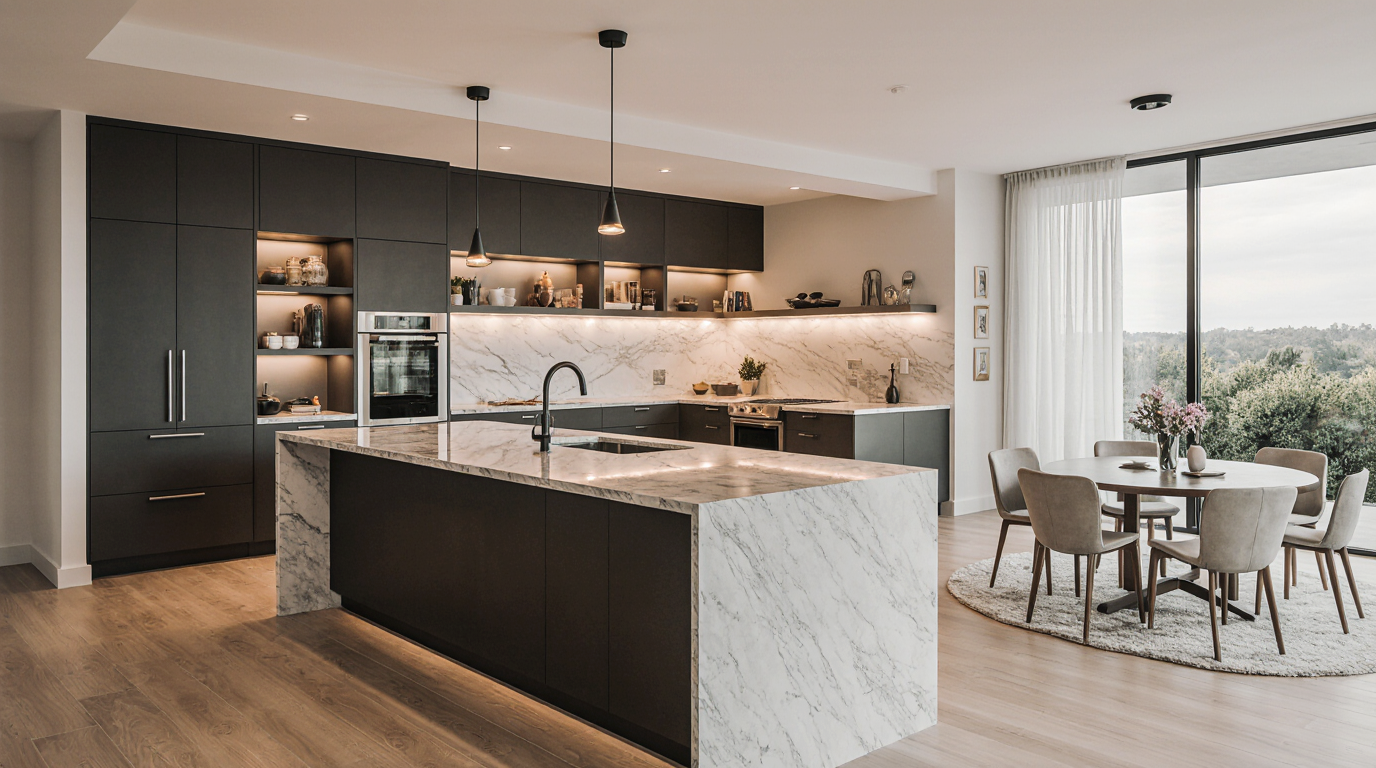
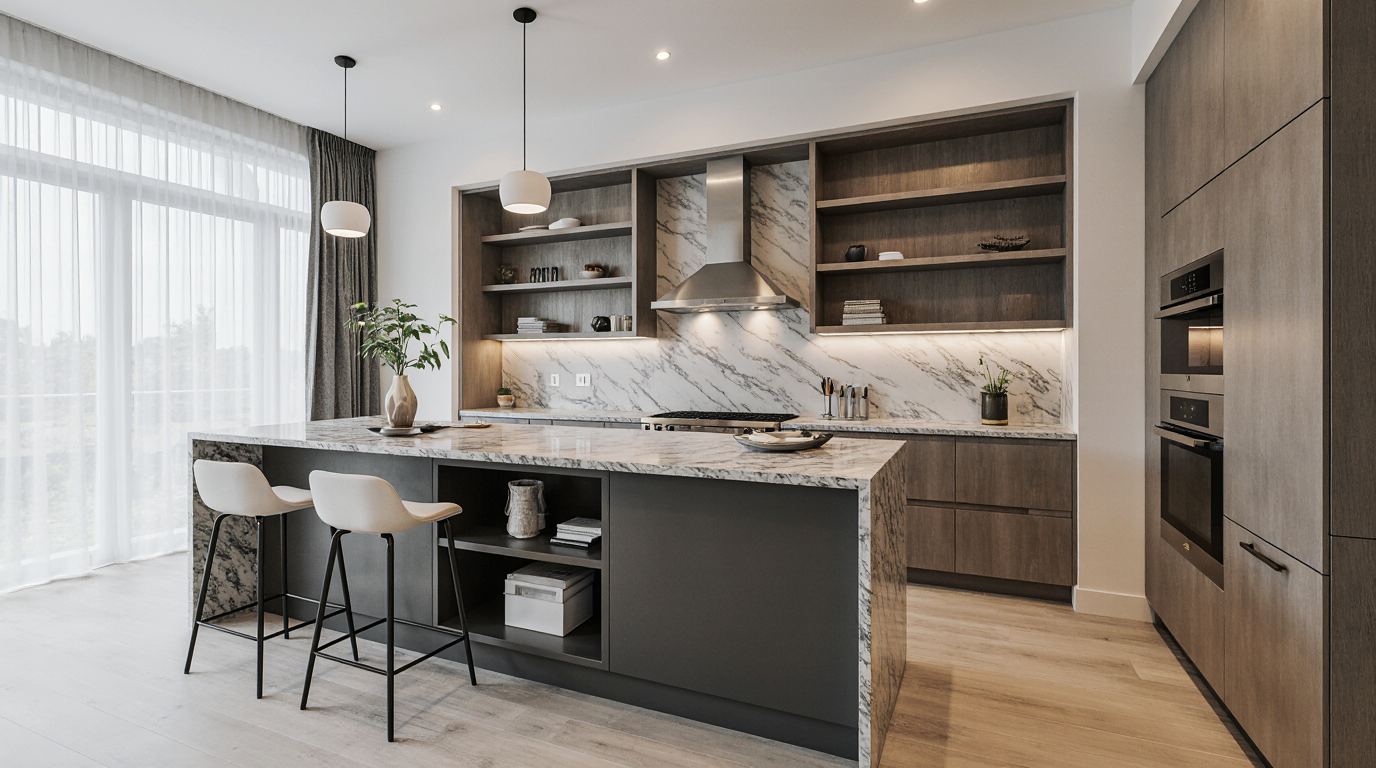
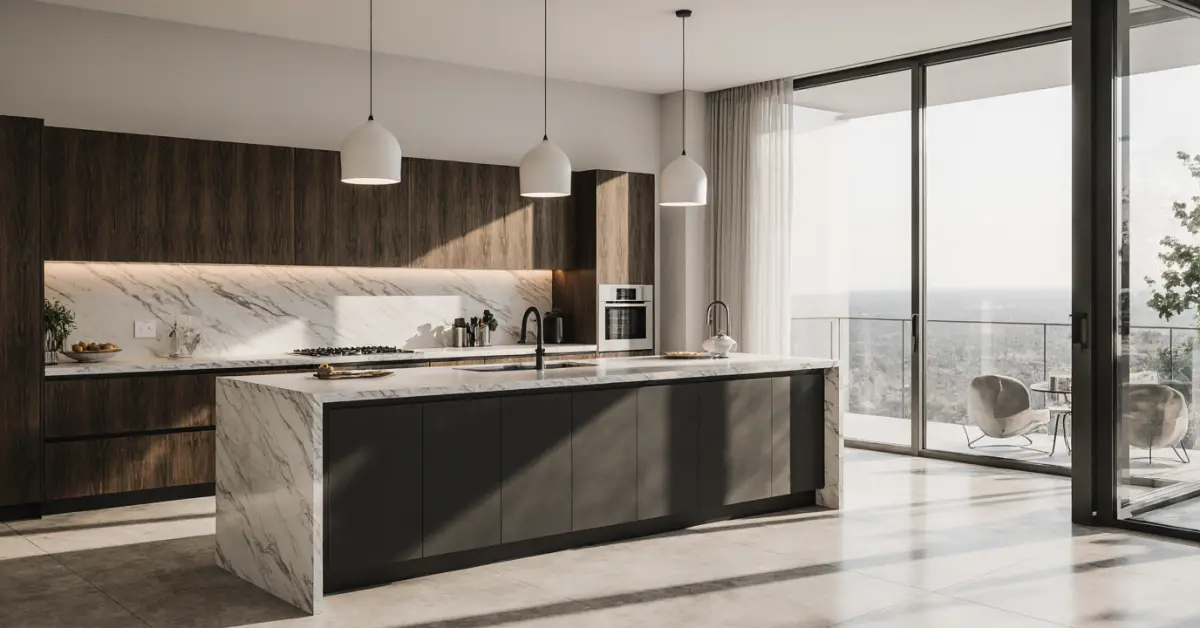
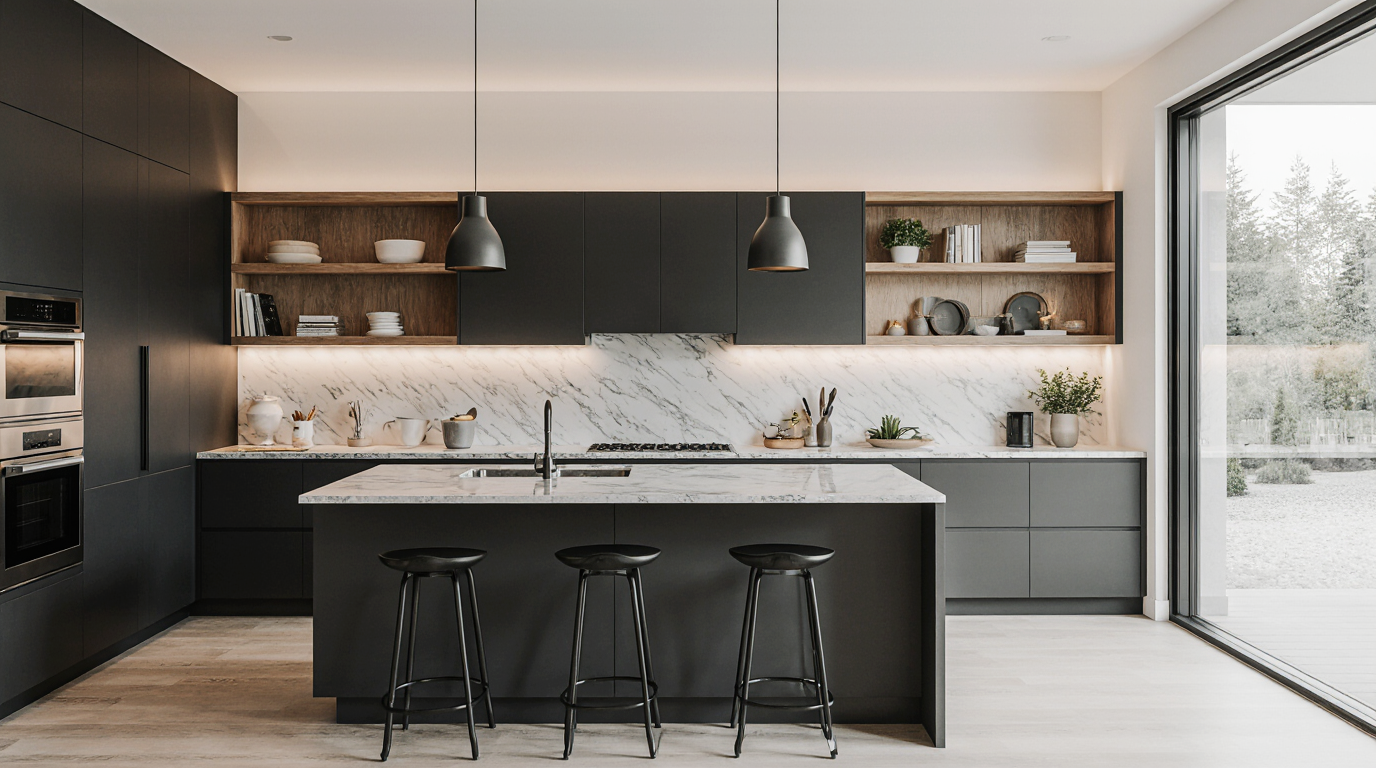
A cutting-edge kitchen concept harmonizes streamlined visuals with purposeful innovation, crafting spaces that are both visually stunning and functionally efficient. Every element—from custom cabinets to lighting—plays a role in defining the kitchen’s identity. The focus is on minimal contours, streamlined compositions, and creative cabinetry concepts that optimize workflow without sacrificing style.

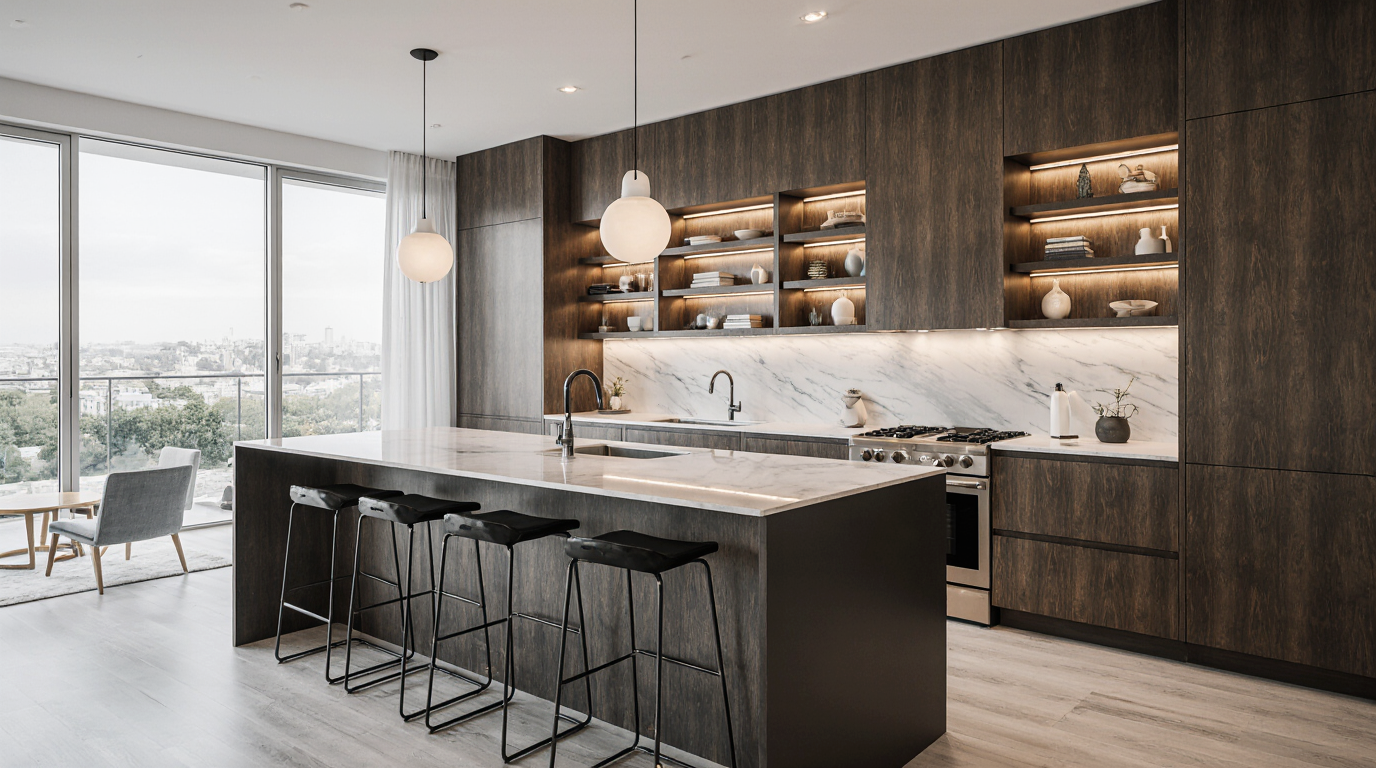
In today’s contemporary households, custom kitchen cabinetry has become a defining feature of modern kitchen design. Homeowners select high-quality materials like sustainable walnut, matte finishes, and hidden fittings to establish a polished atmosphere that remains elegant. The use of integrated appliances and minimalist compartments maintains the space stays organized and sophisticated.

Illumination also is an essential factor in modern kitchen interiors. Layered lighting—combining ambient, focused, and accent sources—transforms the space into an welcoming space suitable for cooking, hosting guests, or unwinding. LED strips under cabinets and pendant lights above islands add both functionality and elegance.

Another essential aspect of a contemporary kitchen design is the embrace of open-concept designs that integrate naturally with other communal zones. This free-flowing design creates social harmony and enhances the flow of natural light. Durable yet luxurious materials such as quartz countertops and polished metal fittings add a refined edge that endures daily use gracefully.

Ultimately, a sophisticated culinary environment is about harmony—where innovation meets comfort, and every detail serves a purpose. By merging cutting-edge technology, bespoke workmanship, and timeless beauty, homeowners can create a space that mirrors their individuality while enriching their living experience.

Modern Kitchen Island Collier FL
A cutting-edge kitchen island is the main focal point of modern kitchen design, serving as both a functional workhorse and a bold aesthetic anchor. Characterized by its streamlined forms, minimalist shapes, and minimal embellishment, this feature champions functional simplicity. Materials are essential to achieving the modern aesthetic; seamless-edge tops made from marble composites are highly sought-after, creating a fluid connection from the top surface down to the floor. Cabinetry is often minimalist and hardware-free, maintaining a continuous, unbroken surface. Practicality comes first, with many modern islands incorporating cutting-edge innovations like induction cooktops, making it a central gathering point for culinary tasks and entertaining in a modern, serene setting.

Contemporary Kitchen Island Collier FL
While often commonly confused with "modern," a present-day kitchen island embodies the design trends of the present moment. It offers a softer approach than the rigid simplicity of modernism. Contemporary designs often feature a blend of finishes, such as a warm wood base topped with a refined quartz slab, creating a harmonious material tension. You might see flowing lines or dynamic layouts, softening the rigid geometry found in purely modern designs. These islands often become a statement feature for color and personality within the kitchen, featuring unique pendant lighting. Functionality remains key, but the overall feel is more approachable and fluid, embracing current styles to create a space that is both refined and expressive.

Luxury Kitchen Island Collier FL
A bespoke kitchen island transcends mere functionality to become a statement of elegance and taste. It is defined by its expansive design, exquisite selections, and bespoke features. Imagine a massive slab of premium granite that makes an iconic presence. These islands are often custom-designed to include gourmet additions like a secondary prep sink. The cabinetry is of the elite standard, featuring fine joinery. A luxury island is not just a functional zone; it is the command center of the kitchen, designed for both fine dining and hosting, reflecting an expression of sophisticated living.

Modern Kitchen Styles Collier FL
Modern kitchen styles are inspired by the design principles of the 20th-century design movement, emphasizing balance, efficiency, and clarity. The core of this aesthetic is a commitment to clean, horizontal lines, uncluttered surfaces, and symmetrical layouts. Decoration is minimized in favor of the honest expression of texture. You’ll find smooth, flush cabinetry, minimal fixtures (or a complete lack of it), and a muted scheme often highlighted by a vivid tone. Open brightness defines the atmosphere, with broad glass expanses often kept clear to create a expansive feel. The overall goal is to create a space that is structured yet warm, where every element has a role and contributes to a unified aesthetic.

Modern Rustic Kitchen Collier FL
The rustic-modern kitchen is a beautiful marriage of two distinct yet complementary styles, merging the clean, minimalist lines of modern design with the warmth and texture of rustic elements. This style creates a space that feels both modern yet homely. Imagine sleek, handleless cabinetry paired with a reclaimed oak surface or open shelving. Polished concrete or quartz countertops might be juxtaposed with a weathered brick backsplash. The color palette typically remains neutral to let the textures shine, and vintage metal pendants often tie the styles together. This style is perfect for those who seek a balance between sleek and soulful—a home where modern precision meets timeless character.

Modern European Kitchen Collier FL
A cutting-edge European kitchen is the pinnacle of refined design and cutting-edge design. This style is defined by its strong emphasis on simplicity and seamless integration. The most defining feature is flush flat-panel cabinetry, often with a ultra-glossy or silky matte finish and completely free of hardware, relying instead on discreet pulls or sensor-based mechanisms. Appliances are built-in and hidden behind cabinet panels, creating a continuous wall of cabinetry. The layout is expertly designed for fluid workflow. Color palettes are typically restrained yet elegant, using shades of black to create a polished and purpose-driven space where every detail is optimized for beauty and function.

Modern Traditional Kitchen Collier FL
The modern traditional kitchen is a perfect hybrid style, offering a everlasting look that feels classic with a twist. It seamlessly merges the warmth and classic details of traditional design with the clean simplicity of modern aesthetics. The most common feature is the use of recessed-panel cabinet doors, which have a balanced proportion that works as a natural connection between the two styles. These timeless designs are then updated with sleek, modern hardware in finishes like polished nickel. You might see marble used for a countertop but with a unornamented profile instead of an elaborate bevel. This style creates a welcoming kitchen that avoids feeling impersonal while maintaining a organized and sophisticated atmosphere.

Modern Minimalist Kitchen Collier FL
A pure modern kitchen takes the core of simplicity to their purest form, centered on the idea that simplicity equals sophistication. The ultimate goal is to create a peaceful, uncluttered, and purposeful space by eliminating everything non-essential. This style is characterized by flat planes, smooth textures, and a tonal color palette. Cabinetry is handleless and seamless, with appliances disguised. Countertops remain clutter-free, with all utensils and small appliances strategically hidden in clever storage solutions. Materials like concrete are preferred for their seamless appearance. This philosophy appeals to those who find clarity in design and appreciate the purity of form.

Modern Kitchen Layout Collier FL
The modern kitchen layout is designed to enhance spatial harmony, visual balance, and communal living, moving away from the isolated cooking areas. The integrated design is foundational to this approach, connecting the kitchen with the dining areas. The kitchen island often becomes the heart of the layout, serving as a versatile station for entertaining, casual dining, and conversation. The classic kitchen triangle (sink, refrigerator, cooktop) is often evolved into functional clusters—for cleaning, cooking, and storage. The emphasis is on effortless navigation, amplifying openness, and designing a space that is as beautiful to experience as it is to cook in.

Modern L Shaped Kitchen Collier FL
A L-configured modern kitchen is one of the most versatile layouts, known for its functionality and adaptability. This design uses perpendicular runs, forming an "L", which creates a highly effective work triangle and leaves the rest of the room unobstructed. This freedom is perfect for open-concept living, allowing for the addition of a prep island without cramping the space. The corner design is enhanced with sleek finishes, integrated appliances, and smooth transitions to maintain a uncluttered feel. It naturally prevents movement congestion, making it a smart choice for both homes of any size.

Modern U Shaped Kitchen Collier FL
The sleek U-shaped kitchen layout is a favorite among passionate chefs, offering an generous stretch of counter space and storage across three walls. This design creates an streamlined and contained workspace, with the sink, refrigerator, and stove all within easy reach. In a contemporary context, this layout features minimalist drawers and built-in appliances that enhance visual spaciousness. Often, one of the “legs” of the U transforms into a open seating area that connects to a dining area, allowing easy hosting. This balance of performance and comfort makes the modern U-shaped kitchen a highly desirable and versatile design option.

Modern Organic Kitchen Collier FL
A contemporary organic-style kitchen cultivates a calm and grounded environment by blending the refined geometry of modern design with the earthy charm of natural materials. This style highlights a authentic connection to nature, featuring light woods like white oak or maple for cabinetry and flooring. Countertops are often made of quartzite or other natural stones, recognized by their unique veining and depth. The color palette remains soft and balanced, reflecting tones such as warm beige. Adding botanical touches, artisan pieces, and abundant daylight completes the look, creating a kitchen that feels authentic and harmoniously designed.

Organic Modern Kitchen Collier FL
The nature-infused modern kitchen embraces a aesthetic centered on harmony, natural materials, and a refined yet organic spirit. It replaces rigid geometry with subtle curves and handmade surfaces. Expect to see solid timber elements, split-face tiles, and unique handmade finishes. Cabinetry often reveals organic patterning, and layouts typically promote a seamless link to nature. The goal is to design a peaceful atmosphere that feels both luxurious and grounded, providing a naturally balanced sanctuary.

Luxury Custom Kitchens Collier FL
Luxury custom kitchens represent the pinnacle of tailored artistry, where every element is thoughtfully executed to suit the homeowner’s vision and habits. This process transcends standard design, involving deep consultation with master craftsmen. The journey starts with a custom layout aligned with your daily needs. Materials are sourced from the world’s finest artisans, such as exotic hardwood cabinetry. Cabinets feature expert joinery, and the kitchen includes chef-inspired appliances. A luxury custom kitchen stands as a fusion of art and function, symbolizing quality and unparalleled performance.

Custom Modern Kitchen Collier FL
A custom modern kitchen transforms streamlined architecture into a perfectly fitted experience for your home. This method ensures a fluid visual flow, defining the modern aesthetic. Custom cabinetry is built for precision to eliminate wasted space. Appliances are flawlessly integrated, resulting in a cohesive appearance. You control every detail—from wood veneer selections to color tones. This approach unlocks creative expression, creating a kitchen that is both visually pure and perfectly tailored to you.

High End Custom Kitchen Collier FL
A ultra-premium custom kitchen is defined by an absolute commitment to excellence in every single element. This means selecting the top-tier materials, craftsmanship, and technology. The cabinetry is not just custom-fit; it’s individually crafted by experienced woodworkers using fine timbers and the strongest joinery techniques. Countertops are often sourced from rare suppliers, featuring exceptional slabs of quartzite. The appliances are high-performance, from brands celebrated for their performance, such as Wolf. Even the unseen details, like drawer slides and hinges, are the smoothest available. A high-end custom kitchen is built to operate at a professional level and to last a lifetime, representing a true investment to your home’s value and your culinary passion.

Custom Luxury Kitchens Collier FL
Custom luxury kitchens are designed to be stunning showpieces that are as visually striking as they are purposeful. The focus is on creating an inviting environment for both daily enjoyment and grand-scale entertaining. This involves a skillful blend of luxurious finishes, layered illumination, and functional flow. You might find dual islands—one for culinary work and one for serving—or a fully equipped back kitchen or scullery to maintain order. Smart features, from smart refrigerators to intelligent illumination, enhances the user experience. A custom luxury kitchen is a symbol of sophistication, a finely executed space that offers the finest in comfort.

Elegant Kitchen Design Collier FL
Elegant kitchen design is characterized by refinement, sophistication, and classic charm. It avoids short-lived styles in favor of balanced aesthetics and measured scale. The key to elegance lies in simplicity and attention to detail. This style often features a soft color palette of whites, beiges, and dusty tones, creating a serene and luminous backdrop. High-quality materials like natural stone, brushed brass, and rich hardwoods are used thoughtfully. Cabinetry styles like Shaker or those with decorative moldings provide a balanced composition. The design feels harmonious and streamlined, with thoughtful touches like sculptural lights over an island, cornice details, and refined handles. An elegant kitchen is a calm and sophisticated space that will always remain timeless.

Luxury Kitchen Design Collier FL
Luxury kitchen design is a holistic approach that embraces every aspect of the room to create an environment of modern luxury, quality, and opulence. It’s about more than just expensive materials; it’s about strategic layout that creates functional balance and distinct zones for culinary tasks, maintenance, and entertaining. Lighting is a crucial element, with layers of ambient, task, and accent lighting used to create mood and showcase design. The seamless integration of top-tier technology and professional-grade appliances is a given. Luxury design also considers the tactile feel—the feel of the stone countertops, the precision of fixtures, and the quiet-close cabinetry of the custom builds. It’s a complete creative vision that results in a kitchen that is a true haven of gastronomic artistry and refined lifestyle.

High End Kitchen Design Collier FL
High-end kitchen design is focused on delivering chef-grade results and unwavering durability. This design approach is for the serious culinary enthusiast who demands the top-tier appliances and an ergonomic setup. The process starts with an intelligent layout that maximizes flow and improves usability. It specifies professional-grade appliances known for their power, such as a high-BTU gas range. Materials are chosen for both beauty and strength, like non-porous quartzite countertops. Storage is intelligently integrated with tailored organization for cutlery, spices, and cookware. A high-end kitchen is a premium cooking environment, built with the best materials to provide a superior cooking experience for years to come.

A cutting-edge kitchen concept harmonizes streamlined visuals with purposeful innovation, crafting spaces that are both visually stunning a…

The Unseen Engineering Behind Enduring Modern Kitchen Design

The most consistent failure I see before a client signs a contract for a modern kitchen design project is a fundamental misunderstanding of substrate performance in demanding environments. Clients often focus exclusively on aesthetics, overlooking the critical role of material science in determining longevity. For instance, across the last 40 compact laundry installations I've overseen where the kitchen flows into an unventilated laundry alcove, 70% of delamination callbacks traced back to EVA adhesive on standard MDF in rooms without mechanical ventilation. This isn't theoretical; it's a direct observation of material failure under predictable humidity loads. The allure of a sleek, minimalist aesthetic quickly fades when edge bands begin to peel within 18 months, revealing the vulnerable core. One such instance involved a high-end coastal apartment in Miami. The client insisted on a seamless, handleless look for their galley kitchen, extending into a combined laundry/pantry area. We used a premium European thermofoil finish on standard 680 kg/m³ MDF for the cabinetry, edge-banded with EVA. Within 14 months, the constant high humidity—often exceeding 75% RH due to the proximity to the ocean and lack of specific ventilation for the laundry—caused the EVA adhesive to release along 60% of the edge length on several base cabinets, particularly around the dishwasher and sink. When I pulled one of those cabinets off the wall, the adhesive had completely failed in large sections. Switching to PUR edge banding on the subsequent remedial project, combined with specifying a minimum 750 kg/m³ MDF for the replacement panels, extended the warranty claim-free period for that specific client by over three years, demonstrating the measurable consequence of informed material selection.

Critical Planning Failures That Add Cost After Sign-Off

Ignoring the environmental context of a kitchen installation is the most significant planning oversight I consistently encounter, leading directly to unforeseen costs and client dissatisfaction post-installation. This isn't merely about specifying waterproof materials; it's about anticipating the microclimates within the kitchen itself—the steam from a dishwasher, the heat from an oven, the splash zone around a sink—and selecting materials and construction methods that withstand these specific stresses. I've learned that overlooking these nuances during the design phase invariably leads to expensive remedial work or, worse, a compromised reputation.
  • Inadequate Substrate Specification for Local Conditions: I find that many designs default to standard MDF (660–720 kg/m³) without considering localized humidity or temperature fluctuations. While acceptable for general applications, it’s a liability in areas like coastal regions or homes without proper HVAC, where MDF can absorb moisture and swell.
  • Underestimating Appliance Heat Loads: The thermal output of modern built-in ovens and induction cooktops is substantial. I've seen countless instances where adjacent cabinet panels, especially those finished with less heat-resistant materials like certain laminates or foils, show signs of warping or discoloration within a year because the design didn't account for proper thermal breaks or ventilation.
  • Neglecting Workflow and Ergonomics: A visually stunning kitchen can be functionally frustrating. My team has spent countless hours on site adjusting heights, re-routing plumbing, or even rebuilding drawer stacks because the initial design prioritized aesthetics over practical workflow, such as the relationship between the sink, prep area, and cooking zone. This is a common point of contention where a client's initial enthusiasm for a "look" meets the reality of daily use.
  • Ignoring Future Maintenance and Accessibility: I always build in considerations for future access to plumbing, electrical, and appliance service. A seamless, built-in look can become a nightmare when a dishwasher needs repair or a plumbing leak occurs, requiring significant demolition to access.

Substrate, Edge Banding, and Surface Finish: Engineering for Durability

The longevity of a modern kitchen hinges on the synergistic performance of its core materials: the substrate, the edge banding, and the surface finish. Each component plays a specific role, and a weakness in one can compromise the entire assembly, often in ways that aren't immediately apparent but manifest as structural failures over time.
Comparative Performance of Common Cabinetry Materials in Demanding Environments
Feature Standard MDF (660-720 kg/m³) High-Density MDF (750-800 kg/m³) Plywood (Baltic Birch, Marine Grade) Particle Board (MDP)
Moisture Resistance Poor (swells significantly) Moderate (better dimensional stability) Good (especially marine grade) Poor (swells, disintegrates)
Screw Holding Good (requires pilot holes) Excellent Excellent Fair (prone to stripping)
Edge Band Adhesion Good with EVA, Excellent with PUR Excellent with PUR Good (requires careful preparation) Fair (porous, inconsistent)
Thermal Expansion Low Low Moderate (anisotropic) Low
Cost (Relative) Low Moderate High Very Low
Typical Use General cabinet boxes, dry environments High-end cabinetry, increased humidity resistance Premium boxes, exposed edges, strength-critical areas Budget cabinetry, non-structural components
When I specify substrates, I consider not just the aesthetic but the functional demands. For example, MDF with a density range of 660–800 kg/m³ is standard, but the higher end of that range offers significantly better screw retention and dimensional stability, which is crucial for mounting heavy Blum Tandembox drawers or large doors with complex hinge systems. I've observed that EVA adhesive, while cost-effective and easy to work with, begins to release at sustained humidity above 70% RH—a condition that any unventilated laundry alcove will reach within 6 months. This is why for any perimeter exposed to moisture, like sink bases or dishwasher surrounds, I insist on PUR edge banding. PUR forms a chemical bond that is far more resistant to heat, steam, and moisture, extending the functional life of the cabinet significantly. I remember a project where a client initially opted for EVA to save 5% on the overall cost; within two years, we were replacing multiple panels due to edge band failure around the sink and dishwasher, ultimately costing them more than if they had invested in PUR from the outset. For surface finishes, the choice between a PU lacquer and a thermofoil (PVC film) is a constant negotiation. PU lacquers, when properly applied in multiple coats, offer superior scratch resistance and color stability. However, they are more susceptible to impact damage. Thermofoil, on the other hand, provides a seamless, often high-gloss finish that is quite impact-resistant, but I've found it can delaminate or discolor around high-heat areas like ovens or toasters if the substrate isn't adequately prepared or if proper heat shields aren't integrated. The substrate for thermofoil must be impeccably smooth, typically a high-quality MDF, to prevent telegraphing imperfections through the thin film. I've seen instances where a lower-density MDF with inconsistent surface quality led to a rippled appearance in the thermofoil after just a few months, especially under direct sunlight.

The Installation Sequence That Prevents Callback Jobs

A meticulously crafted kitchen design, no matter how robust its material specifications, can be undermined by a flawed installation sequence. My experience has shown me that adhering to a precise, phased approach, with rigorous quality assurance checkpoints at each stage, is the only way to minimize errors and prevent costly callback jobs. It's about building in checks and balances to catch issues before they become systemic failures.
  1. Site Preparation and Verification: Before any cabinet leaves my shop, I personally ensure the site is plumb, level, and square. I've learned the hard way that assuming a builder's walls are perfect is a recipe for disaster. We measure wall deviations, check floor levels, and verify electrical and plumbing rough-ins against approved plans. A deviation of just 5mm over a 3-meter wall run can necessitate significant shimming or scribing, impacting reveal tolerances.
  2. Base Cabinet Installation and Leveling: This is the foundation. We start with corner cabinets, ensuring they are perfectly level and square, then proceed outwards. Each cabinet is individually leveled and secured to the wall studs. I often use laser levels to ensure all base cabinets are within a 1mm tolerance across the entire run. This precision is critical for seamless countertop installation and proper drawer and door alignment.
  3. Wall Cabinet Installation: Once bases are solid, wall cabinets follow, typically installed with a consistent clearance above the countertop. We always use robust blocking or specialized hanging rails, securing them into structural studs, not just drywall. I insist on verifying the plumb and level of each wall cabinet, aligning fronts and sides to ensure consistent reveal lines.
  4. Appliance Integration and Panel Fitting: Built-in appliances require precise panel integration. This phase involves careful measurement and custom cutting of panels to fit appliance dimensions, ensuring proper ventilation and accessibility. For integrated dishwashers or refrigerators, the panel fit must allow for smooth operation without binding or excessive gaps.
  5. Countertop Templating and Installation: After all cabinets are securely in place, we template for countertops. This is a critical step where any remaining discrepancies in cabinet leveling or wall straightness are accounted for. The countertop installation itself involves careful handling and precise leveling, especially for large, heavy slabs.
  6. Hardware Installation and Final Adjustments: This is where the kitchen truly comes alive. Blum and Hettich drawer runners, for example, have specified load ratings (e.g., Blum Tandembox can carry up to 65 kg), and their installation requires precise alignment to function smoothly. Hinge overlay tolerances, typically 3mm, are adjusted to achieve perfectly consistent gaps between doors and drawer fronts. I always perform a final "door and drawer dance"—opening and closing every single one to check for smooth operation, alignment, and any binding.
  7. Cost vs. Durability: When Premium Isn't Overkill

    The perceived upfront cost of premium materials and construction methods often deters clients, but my 15 years on job sites have repeatedly demonstrated that investing in durability typically yields a far superior long-term ROI. It's not always about buying the most expensive option, but about selecting the right material for the right application, understanding where a cheaper alternative will inevitably fail prematurely. I've observed that the primary areas where "cost savings" lead to rapid deterioration are in high-wear zones: around sinks, dishwashers, and cooktops. For example, opting for lower-density MDF and EVA edge banding in these areas might save 10-15% on cabinet box costs initially. However, I've seen a failure rate exceeding 60% within five years in these specific zones due to moisture ingress and delamination. Replacing a single water-damaged base cabinet, including the cost of removal, fabrication, reinstallation, and disruption, can easily negate those initial savings multiple times over. Conversely, specifying a moisture-resistant MDF (like green core or 750+ kg/m³ density) with PUR edge banding for these critical areas, even if it adds 20-30% to the cost of those specific units, virtually eliminates delamination issues. The incremental cost is a fraction of potential repair expenses. Similarly, while budget drawer runners might seem appealing, I've had numerous callbacks for sticky, failing, or noisy drawers within 2-3 years. Blum Movento or Hettich ArciTech runners, though more expensive, are engineered for 100,000 cycles and come with a lifetime warranty. My own field data suggests that while the initial investment is higher, the claim-free period on these premium systems averages over 10 years, compared to 2-3 years for their cheaper counterparts. The labor cost of replacing a drawer runner system is significant, often exceeding the initial cost difference, making the "premium" option the more economical choice in the long run. How rigorously have you evaluated the specific environmental stresses your kitchen will face, and how have those informed your material and hardware selections beyond superficial aesthetics?

Written by

Fabiana Williams
Fabiana Williams

Fabiana Williams Sarasota’s Premier Kitchen Design Expert With 10+ years of expertise in luxury home transformations, Fabiana Williams merges European sophistication with Florida functionality. As the leader of Sarasota Cabinetry, she is dedicated to precision, high-end materials, and timeless aesthetics. Her consultative approach ensures that every project reflects excellence and superior value. By: Fabiana Williams – Expert Kitchen Design Consultant in Sarasota

Tags

modern kitchen island contemporary kitchen island luxury kitchen island modern kitchen styles modern rustic kitchen

Modern Kitchen Design in Collier FL

How do you prevent flat-panel modern cabinet doors from warping in Florida's humidity?
We prevent warping by using a multi-layered construction with a premium, stable core and solid wood edge banding. For our coastal projects, we build exclusively with marine-grade plywood, which is laminated with waterproof glue to resist moisture absorption far better than the standard MDF or particleboard used in most kitchens. These cores are then finished with a catalyzed conversion varnish, a chemical-cured sealant that creates an impermeable barrier against the humid, salt-laden air. This combination ensures your modern, minimalist doors remain perfectly flat and functional for decades, avoiding the swelling and delamination common in builder-grade installations.
Are the push-to-open and handle-less systems reliable enough for a primary kitchen?
Yes, when high-quality, mechanically-sound hardware is used and professionally installed. We specify European-made mechanical systems, not cheap magnetic catches, which are prone to failure and misalignment from heavy use. These robust push-to-open mechanisms are engineered for tens of thousands of cycles and are not affected by coastal humidity or salt air. For high-traffic drawers, such as those for pots and pans, we often recommend an integrated channel pull as a more practical alternative, preserving the modern aesthetic while providing effortless daily function. The key is selecting the right hardware for the specific application.
What makes a modern kitchen design truly 'custom' versus just semi-custom?
True custom design means your kitchen is built from raw materials to fit your space with millimeter precision, completely eliminating awkward fillers. Unlike semi-custom, which modifies standard-sized boxes, we design every cabinet's height, width, and depth to perfectly align with your architecture and appliances. This allows for seamless, full-height pantry walls and perfectly integrated appliance panels without unsightly gaps. For example, a fully custom island can be built to a specific, non-standard dimension to optimize workflow, something impossible with pre-sized semi-custom boxes that force design compromises.
How long does a full custom modern kitchen project realistically take from start to finish?
A realistic timeline for a full custom kitchen, from initial design to final installation, is typically between 12 and 18 weeks. This breaks down into 2 to 4 weeks for intensive design, material selection, and approvals; 8 to 12 weeks for fabrication in our workshop; and 1 to 2 weeks for meticulous on-site installation. We never rush the wood acclimation phase, allowing all solid wood components to rest in your home for 5 to 10 days before installation. This critical step prevents the wood from shrinking or swelling later, which would otherwise cause sticking doors and uneven gaps.
Can you achieve that high-gloss, European modern look with a finish that will last here?
Absolutely, but the finishing process is completely different from standard painting. We achieve a durable, flawless high-gloss look using a multi-step process involving several layers of high-solids polyurethane applied in a dust-free spray booth. Each layer is sanded perfectly flat before the next is applied, culminating in a final coat that is machine-polished to a mirror-like sheen. This automotive-grade finish is far superior to a simple sprayed lacquer, providing exceptional resistance to scratches, yellowing from sun exposure, and moisture intrusion—essential for maintaining that sleek, modern aesthetic in a coastal environment.
My condo has strict rules. How do you manage the installation process in a high-rise?
We manage high-rise installations as a complete turnkey service, handling all logistics and building compliance so you don't have to. Our team coordinates directly with your building management to schedule freight elevator usage, protect common areas like hallways and lobbies, and adhere to all work-hour restrictions. We carry comprehensive liability insurance that meets or exceeds the requirements of luxury condominium associations. This seamless process ensures a smooth, respectful installation without causing any issues with your neighbors or property management, which is a frequent oversight with less experienced contractors.
What's inside the drawers and cabinets that makes them high-end?
The mark of high-end cabinetry is found in its internal construction and hardware. All our drawers are constructed as solid hardwood dovetail drawer boxes, a centuries-old joinery technique that provides immense strength and will never separate, unlike the stapled butt-joints found in lesser cabinets. We pair these with premium soft-close, under-mount drawer slides that are concealed from view and rated for heavy loads, ensuring a smooth, silent glide for the life of your kitchen. These details are not just about luxury; they are fundamental to the cabinetry's long-term durability and daily functional pleasure.
Is it possible to integrate appliances for a completely seamless, modern look?
Yes, achieving a truly seamless look is a hallmark of custom modern design, but it requires precise planning from the very beginning. We work directly from the appliance manufacturer's detailed specifications to build custom panels that mount directly onto your panel-ready refrigerator, dishwasher, or wine cooler. The key is fabricating the panels to exact dimensions with minimal, consistent gaps of only a few millimeters. This creates an uninterrupted wall of cabinetry where the appliances are completely concealed, delivering the clean, minimalist aesthetic that defines high-end integrated design.
Need pool services?

Contatct us for a free quote

Reviews · Modern Kitchen Design in Collier FL

See what other customers say and share your experience.

Leave a comment

It takes less than a minute. Your feedback helps others.

Rating

You selected 5 stars

Latest Comments

Angela Mitchell

Whoever's been burned by a poorly designed kitchen layout knows that one wrong turn can make cooking a nightmare and social gatherings a total disaster 😬.

Emily Johnson

When planning your modern kitchen design, don't forget to consider the importance of smart storage solutions - it makes all the difference in terms of functionality and keeping clutter at bay.

Kevin King

I totally get it, I've been in a modern kitchen that's so sleek and minimalist it's like a showroom, but in reality, it's just a lot of empty space and awkward workflow.