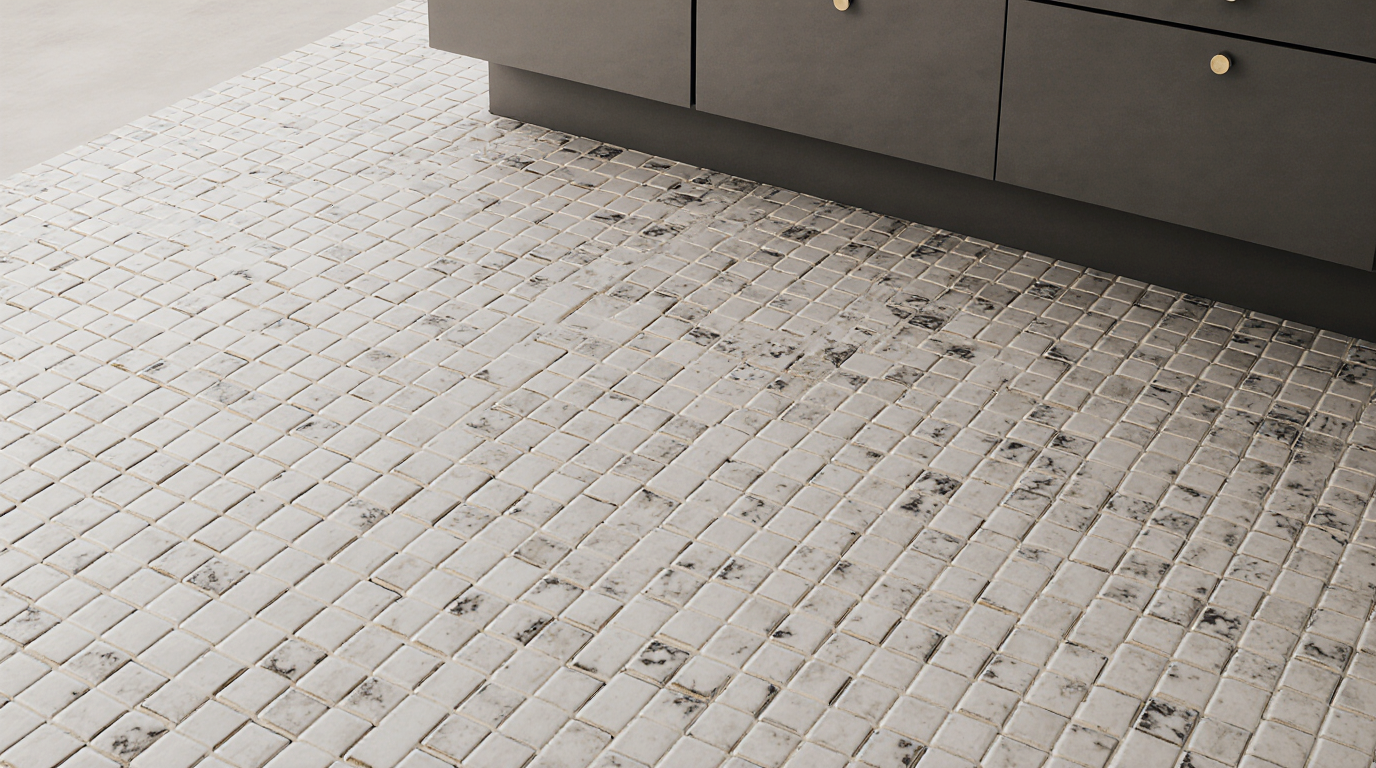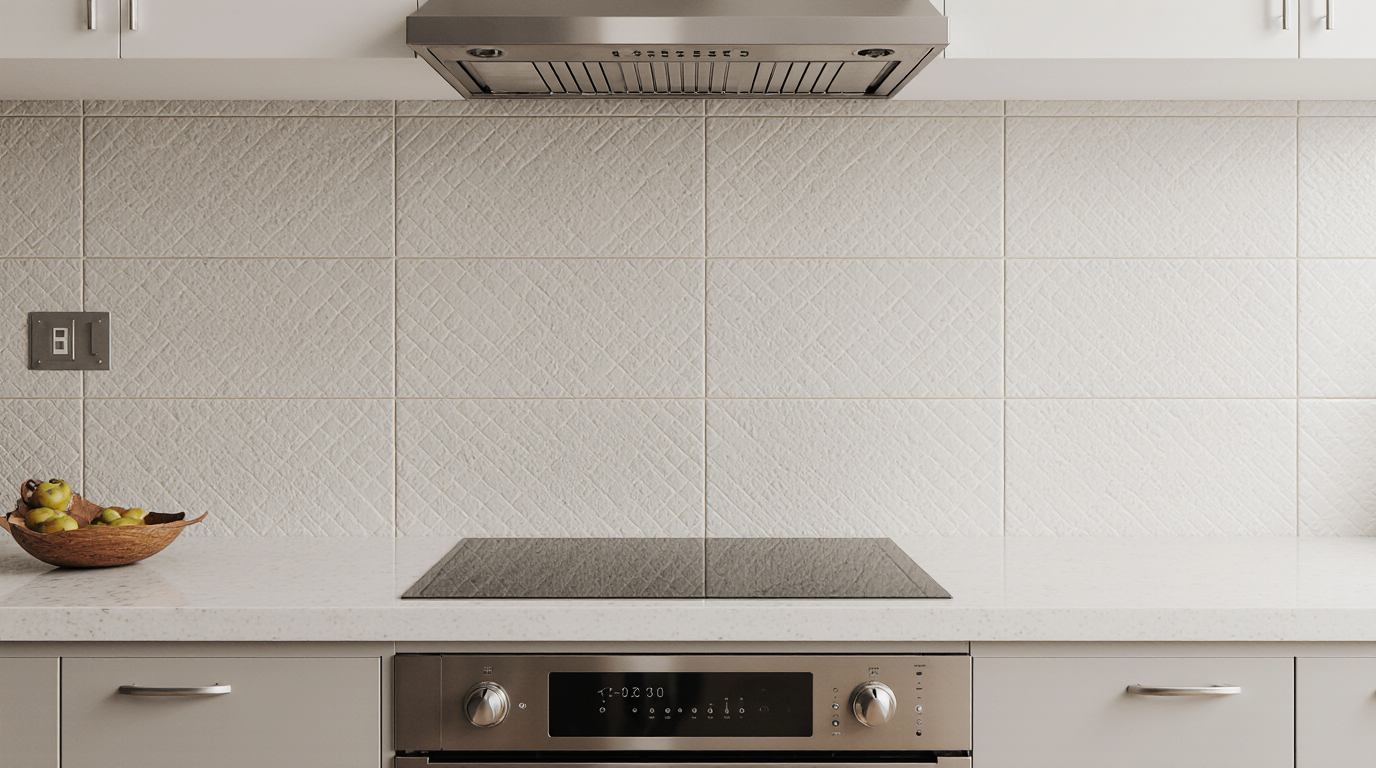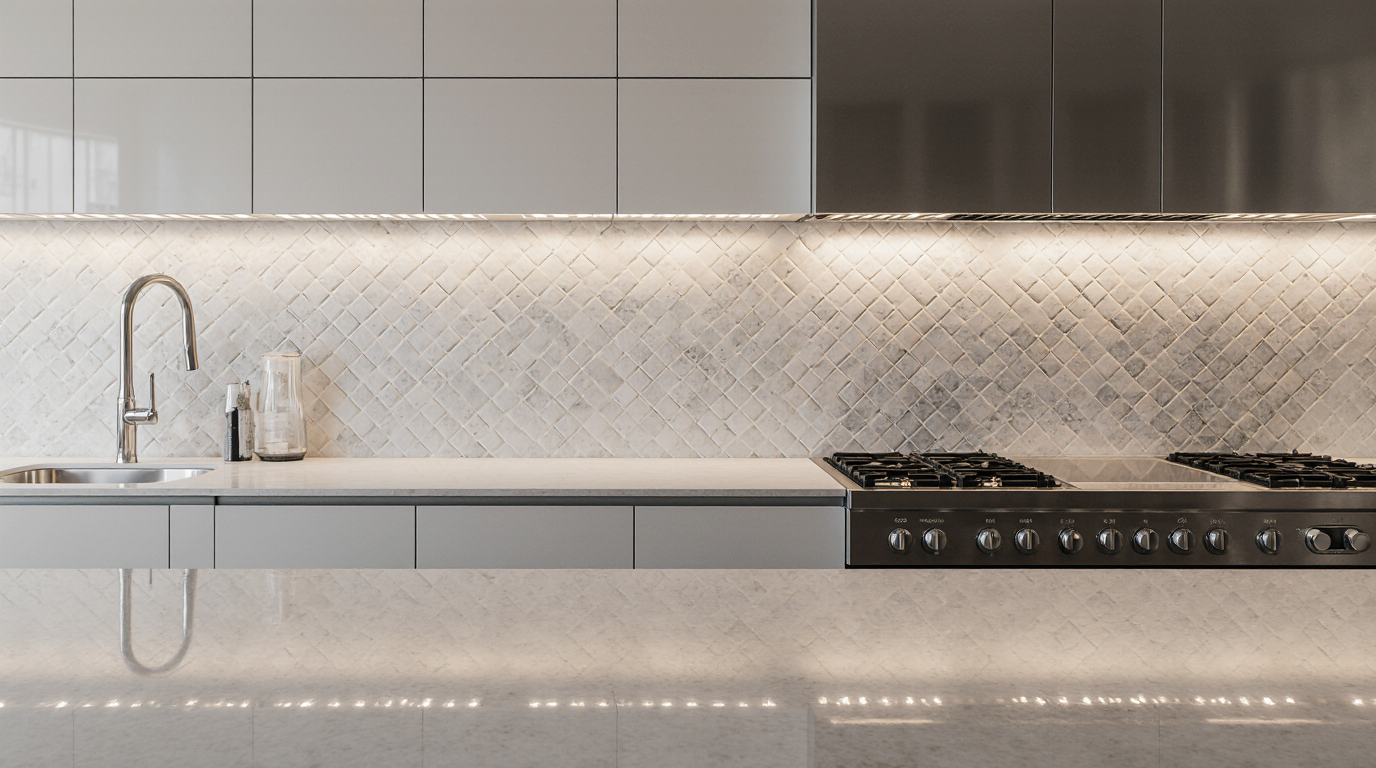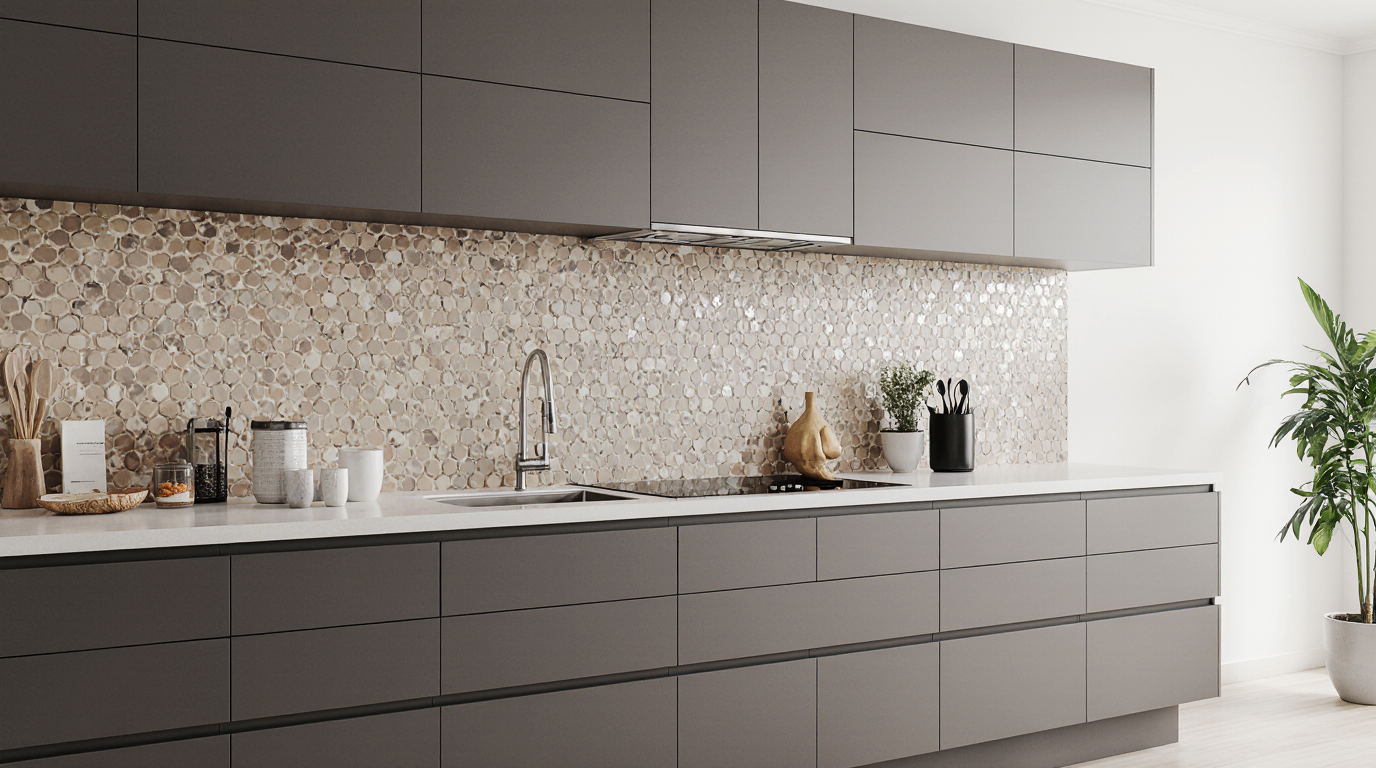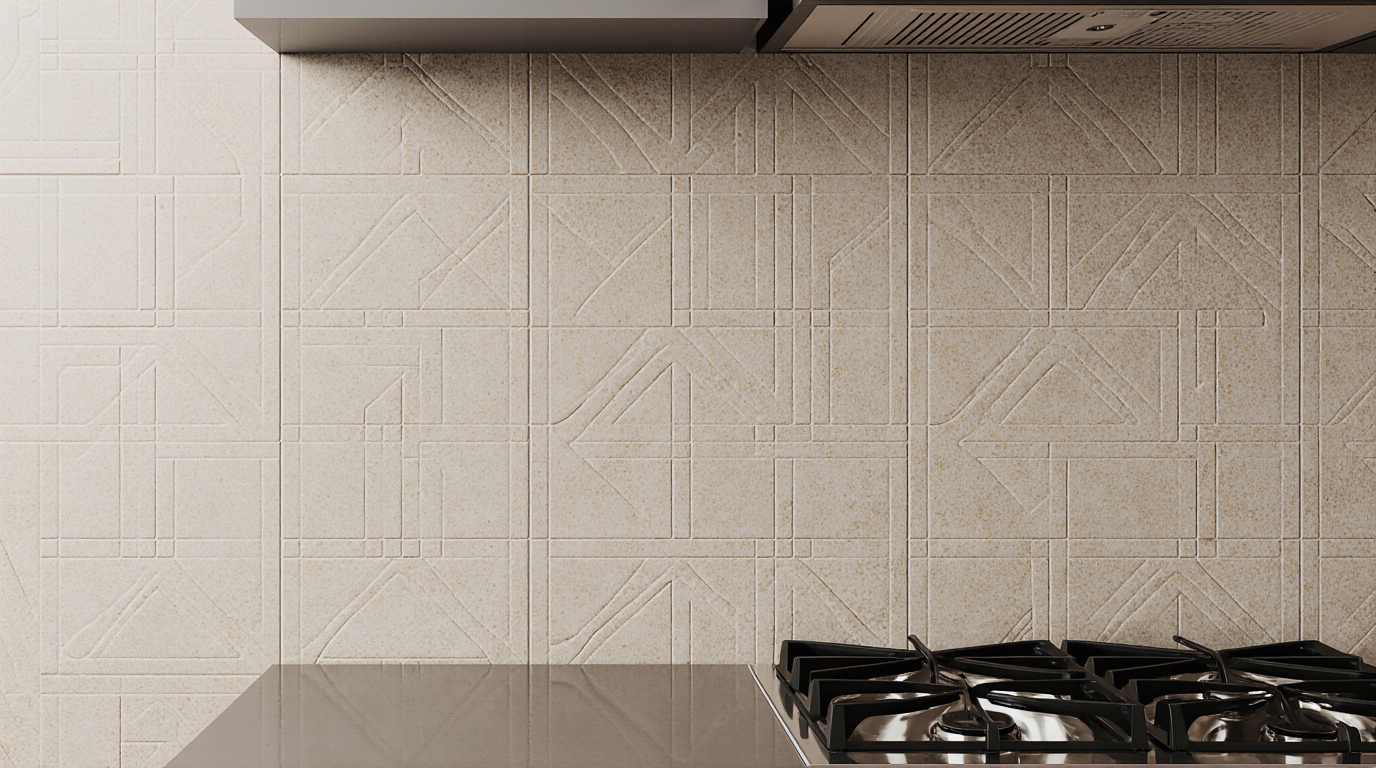
Why do so many visually stunning kitchen backsplashes in new Sarasota homes start showing grout discoloration or haze within just a couple of years? The issue is rarely a defect in the tile itself. It’s a fundamental misunderstanding of how our specific coastal environment—the relentless humidity and salt in the air—interacts with the materials chosen, particularly the grout and sealant.
Executive Summary: Navigating Tile Selection in Sarasota's Climate
From my direct experience designing and installing kitchen wall tiles from Lakewood Ranch to Siesta Key, the most
From my direct experience designing and installing kitchen wall tiles from Lakewood Ranch to Siesta Key, the most successful projects prioritize material science as much as aesthetics. In Sarasota, a tile's performance against humidity and salt air is non-negotiable. The wrong grout can fail faster than the tile itself, leading to mold, mildew, and costly repairs. The focus must be on creating a seamless, non-porous surface that delivers a luxury look without succumbing to the coastal environment.
- Material Priority: Non-porous or low-porosity materials like glass, porcelain, and certain glazed ceramics are superior choices over unsealed natural stone or crackle-glaze tiles.
- Grout Specification: Epoxy or high-performance cementitious grouts with built-in sealants are critical for resisting moisture intrusion and staining.
- Finish & Light: The intense Florida sun interacts dramatically with tile finishes. Glossy surfaces can amplify light but create glare, while matte finishes diffuse light but may require more frequent cleaning.
- HOA Compliance: In communities like The Concession or many downtown condos, exterior-facing kitchen window walls may have specific reflectivity limits or material palettes dictated by the association.
Common Planning Failures That Compromise Sarasota Kitchens
The most frequent missteps I see stem from prioritizing an inspirational photo over local environmental reality. A design that works flawlessly in a dry climate can lead to significant long-term issues here. The visual appeal of a tile is only one part of the equation in our humid, salt-laden air.
Another common mistake is underestimating the impact of direct sunlight. A dark, dramatic tile, like some popular black wall tiles, can look incredible. However, in a kitchen with a west-facing window on Casey Key, that same tile can absorb significant heat and show every single water spot and speck of dust caught in the afternoon glare.
The Most Expensive Failure: Ignoring the Grout and Sealant Specification
The costliest error I consistently encounter is treating grout as an afterthought. A client will spend weeks selecting a unique, high-end tile, and then the installer uses a standard, low-cost cementitious grout without a proper sealant. Within 18 months, especially in homes that are closed up for part of the year, I've seen that grout become a breeding ground for mildew. The only proper fix is to grind out the old grout and regrout the entire backsplash—a labor-intensive, dusty, and expensive process that puts the tiles themselves at risk.
The Design and Installation Process in Practice
A successful kitchen tile project in Sarasota follows a clear, climate-aware sequence. It begins not with tile samples, but with an assessment of the kitchen's specific conditions: light exposure, ventilation, and proximity to open windows or lanais that introduce salt air. From there, we move to material selection, focusing on performance first.
Once a material family is chosen (e.g., porcelain, glass), we explore aesthetics like color, pattern, and texture. The final specification document details the tile, layout, grout type (e.g., LATICRETE SpectraLOCK Pro), and sealant. This level of detail protects the client and ensures the installation holds up to Florida's demands.
Selection Criteria for Sarasota Homeowners
- Check Porosity Rating: Ask for the tile's water absorption rate. For backsplashes, a rating of less than 3% (Vitreous) is good; under 0.5% (Impervious) is ideal for homes on the barrier islands.
- Request a Grout Sample Board: Don't just pick a grout color from a chart. Ask for a small sample board with the actual tile and proposed grout to see how it cures and how it feels. This is especially important for unique kitchen tiles with texture.
- Verify UV Stability: If you're considering brightly colored or black wall tiles for a sun-drenched area, confirm with the manufacturer that the glaze or material is UV-stable to prevent fading over time.
- Factor in HOA Review Time: If you live in a master-planned community or condo, be aware that design review boards in Sarasota County can take anywhere from 30 to 60 days to approve material samples. This must be built into your project timeline.
Comparing Tile Materials for a Coastal Environment
Choosing the right material involves balancing aesthetics, budget, and long-term performance. While many beautiful kitchen tiles exist, not all are suited for the Sarasota climate. The decision often comes down to weighing initial cost against future maintenance.
| Material | Humidity/Salt Resistance | Maintenance Level | Typical Cost (Material Only) |
|---|---|---|---|
| Glass Tile | Excellent (Impervious) | Low | High |
| Porcelain Tile | Excellent (Impervious) | Low | Moderate |
| Glazed Ceramic | Good (Vitreous) | Low | Low to Moderate |
| Natural Stone (Marble, Travertine) | Poor to Fair (Requires diligent sealing) | High | Moderate to High |
When a High-End Tile Might Not Be the Right Choice
There are situations where I advise clients against a premium, complex tile installation. For a rental property on Siesta Key, for example, the primary concern is durability and ease of cleaning for the property management team. A simple, large-format porcelain tile with minimal grout lines is a far more practical and cost-effective solution than an intricate mosaic of luxury kitchen tiles that can be damaged by harsh cleaning chemicals or tenant misuse.
Safe Hiring and Installation Checklist
Ensuring your beautiful kitchen tiles are installed correctly is as important as the tile selection itself. A great tile with a poor installation will inevitably fail, especially here. Use this checklist to vet your installer and protect your investment.
- Verify the installer is licensed and carries General Liability and Worker's Compensation insurance specific to Florida.
- Ask the installer what type of grout they plan to use and why. If they can't explain the benefits of epoxy or urethane grout for a coastal application, it's a red flag.
- Confirm their plan for wall preparation. Skim-coating walls to a flat Level 5 finish is crucial for large-format tiles to avoid lippage.
- Ensure the contract specifies compliance with the Florida Building Code, particularly regarding substrate and waterproofing standards if the tile is near a sink or window.
- Request references from projects completed at least two years ago in a similar coastal location (e.g., Longboat Key, Anna Maria Island) to see how their work has held up over time.
- Discuss the plan for protecting surrounding surfaces, especially high-end cabinetry and countertops, during the messy grout and sealing process.
Decisions That Determine the Final Outcome
The success of a kitchen tile project is defined by a few key decisions made early in the process. The first is accepting that our environment dictates the material palette. The second is allocating a realistic budget not just for the tile, but for the premium setting materials and skilled labor required to install it correctly.
I worked with a client in a Harbor Acres home who was set on a specific unsealed terracotta tile for a rustic, Mediterranean look. Despite my warnings about porosity, they loved the aesthetic. We compromised: we used the terracotta but applied three coats of a premium penetrating sealer before installation and specified an epoxy grout. The result was beautiful, but I was transparent that they were committing to a resealing schedule every 12-18 months. They understood the trade-off—aesthetics for maintenance—and were happy. That clarity upfront is what makes a project successful.
The Exact Moment the Majority Gets It Wrong
The critical mistake happens when a homeowner falls in love with a tile sample under the perfect, color-corrected lighting of a showroom. They take it home, approve it, and sign the contract. The right way is to request a full-size tile or a larger sample and live with it for several days. Place it on the kitchen wall. See how it looks in the flat morning light, the harsh afternoon sun, and under your artificial kitchen lighting at night. This simple, patient step prevents the most common post-installation regret: "It doesn't look like I thought it would."
Practical Answers About Operations in Sarasota
Navigating the practical side of a tile installation in Sarasota involves understanding local requirements and potential bottlenecks. These are not just administrative hurdles; they can directly impact your project's timeline and budget.
How Condo Association Rules Impact Tile Choices
In many of the luxury high-rises along Gulf Stream Avenue or on Longboat Key, the condo association's rules are as important as the building code. They often dictate work hours (e.g., 9 AM to 4 PM only), debris removal procedures, and sometimes even the type of thin-set mortar to be used to manage sound transmission. Before purchasing any tile, you must get a copy of the renovation guidelines from the association, as their review process can add weeks to your schedule.
Do I Need a Permit for a Kitchen Backsplash in Sarasota?
Generally, installing a simple kitchen backsplash does not require a building permit from the City of Sarasota or Sarasota County, as it's considered a cosmetic finish. However, if your project involves altering electrical outlets (moving them to accommodate the tile) or changing plumbing, those trades will require separate permits. The permit fee for minor electrical work, for example, can be around $100-$150, but it ensures the work is inspected and up to code.
Managing Material Acclimation in Florida's Humidity
Materials behave differently here. It's standard practice on my projects to have the tile and grout materials delivered to the site at least 72 hours before installation begins. This allows them to acclimate to the home's specific temperature and humidity level. Installing cold tiles on a warm, humid day can lead to condensation issues and affect how the mortar cures, potentially compromising the bond to the wall. It’s a small step that professional installers never skip.