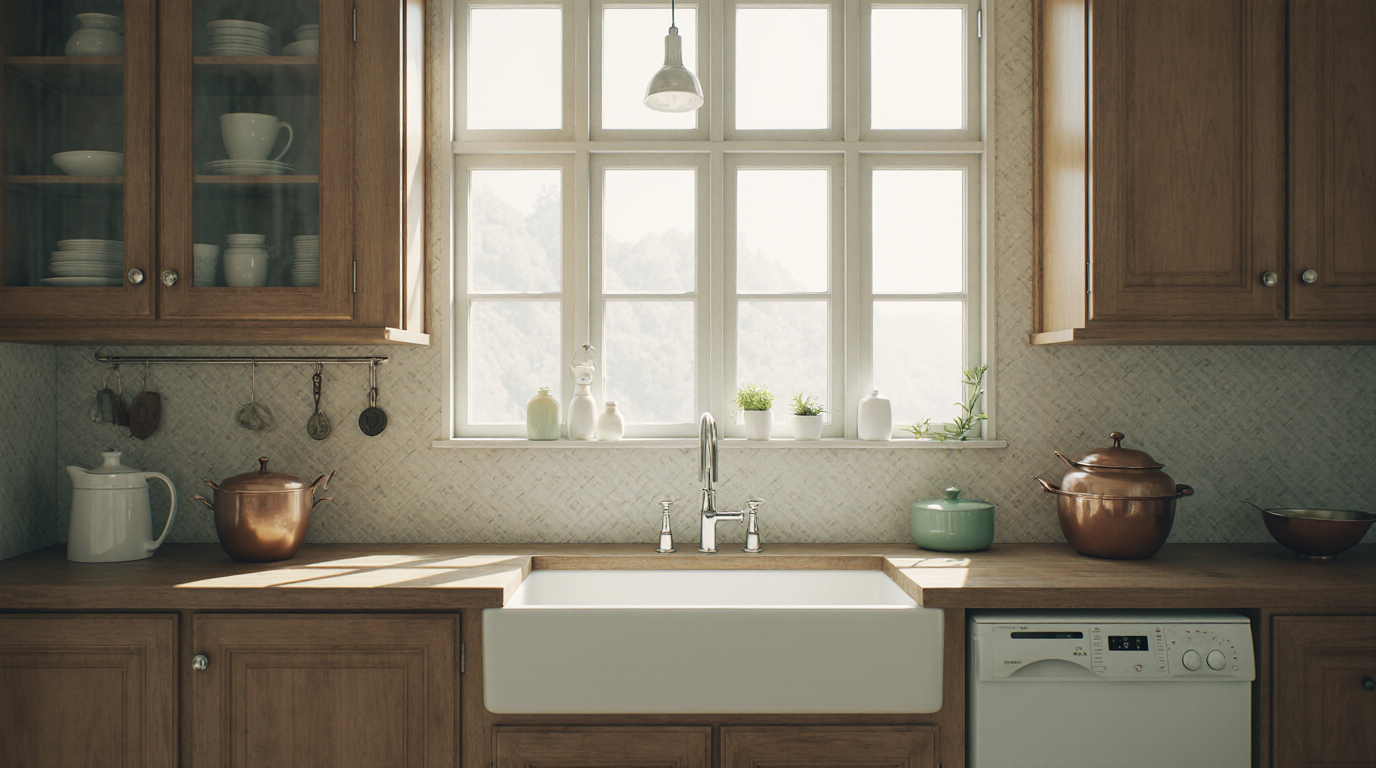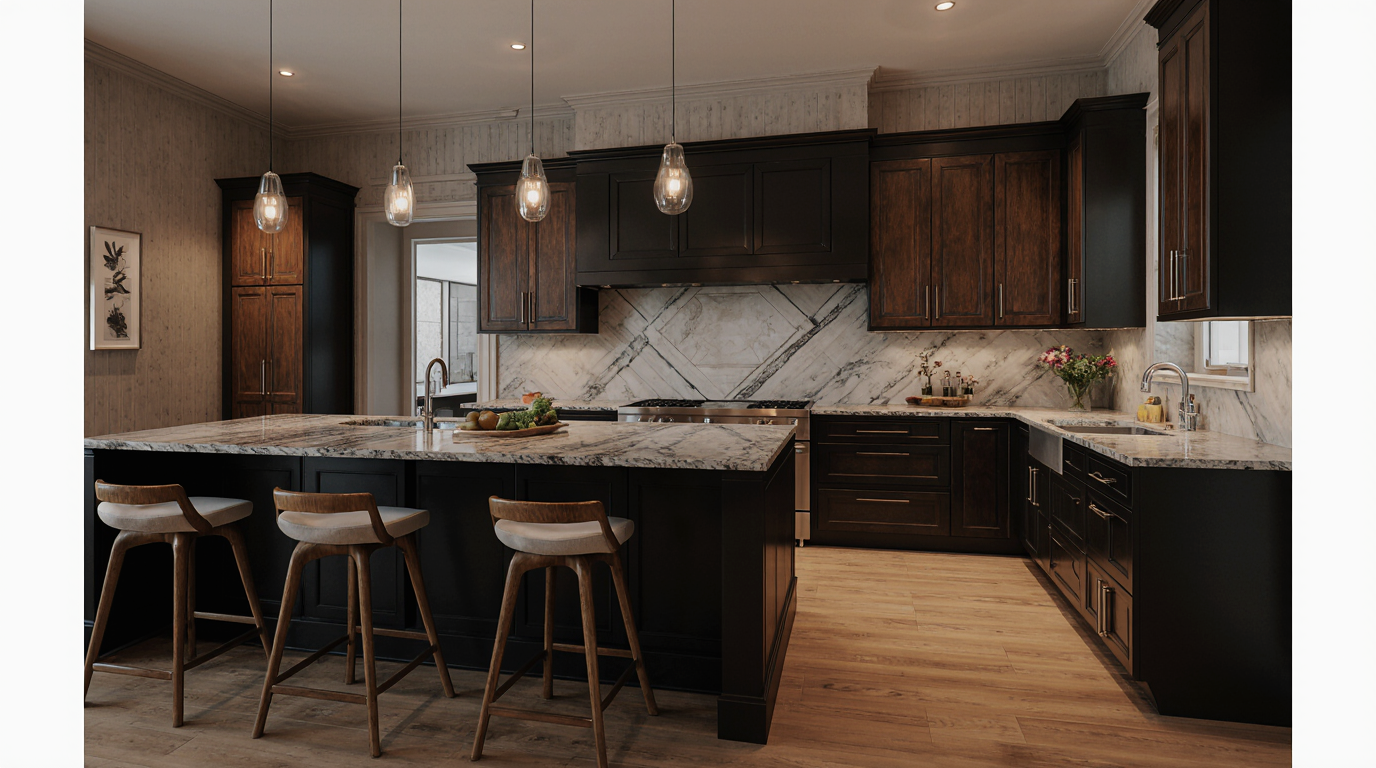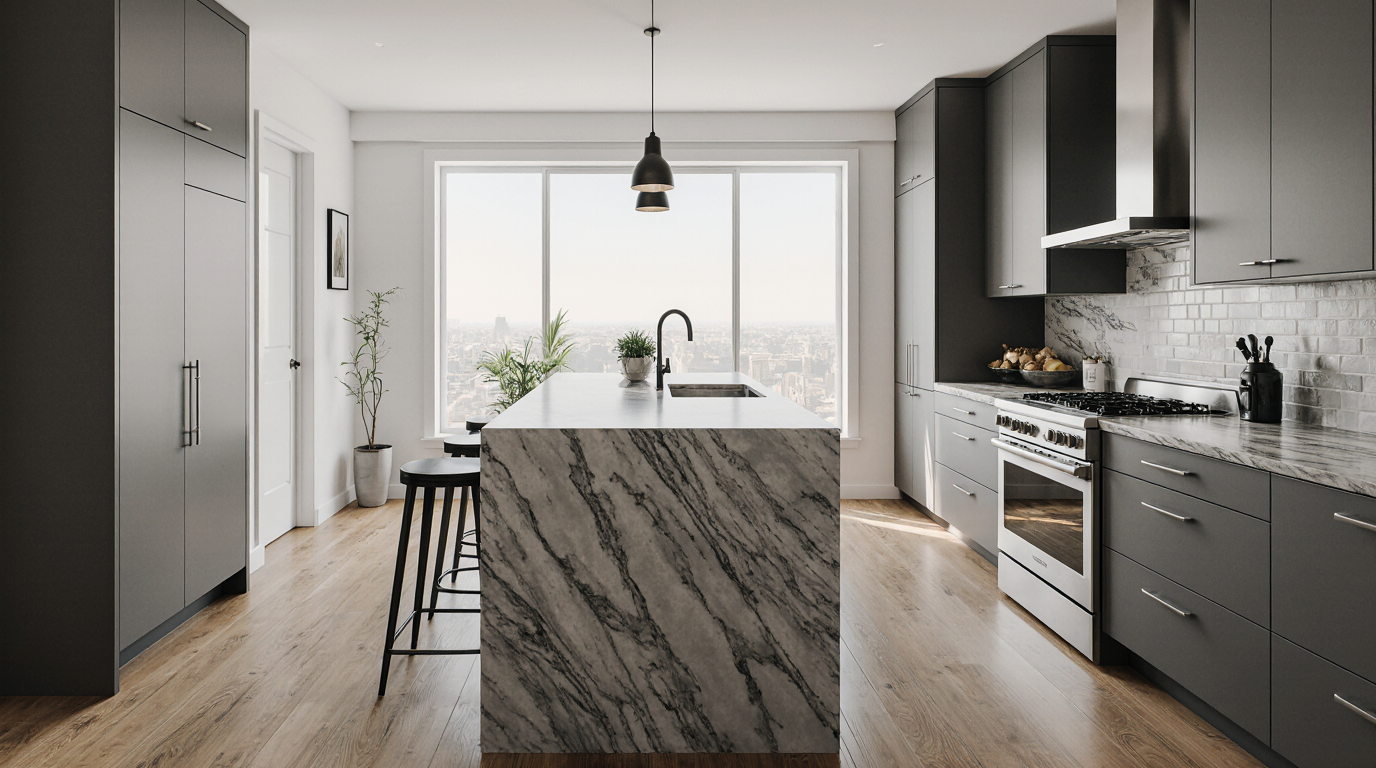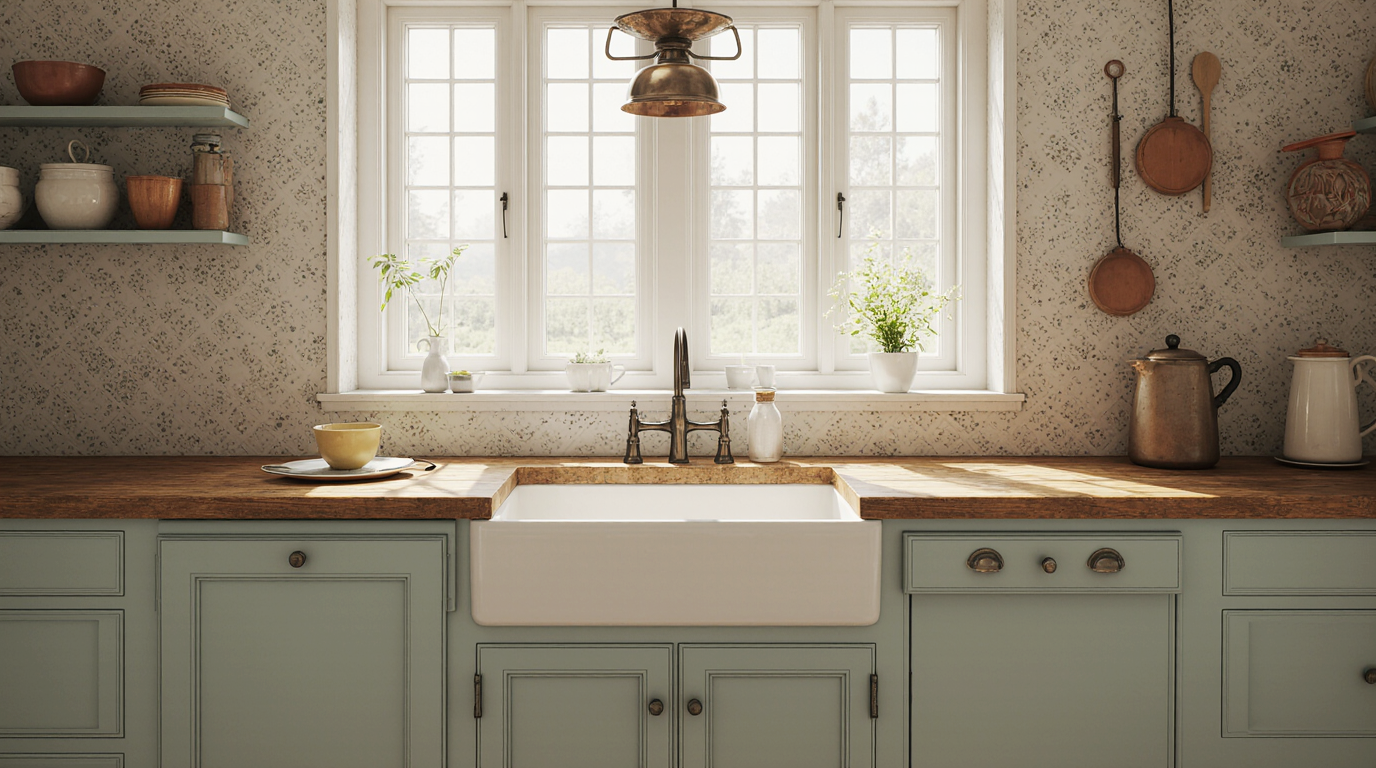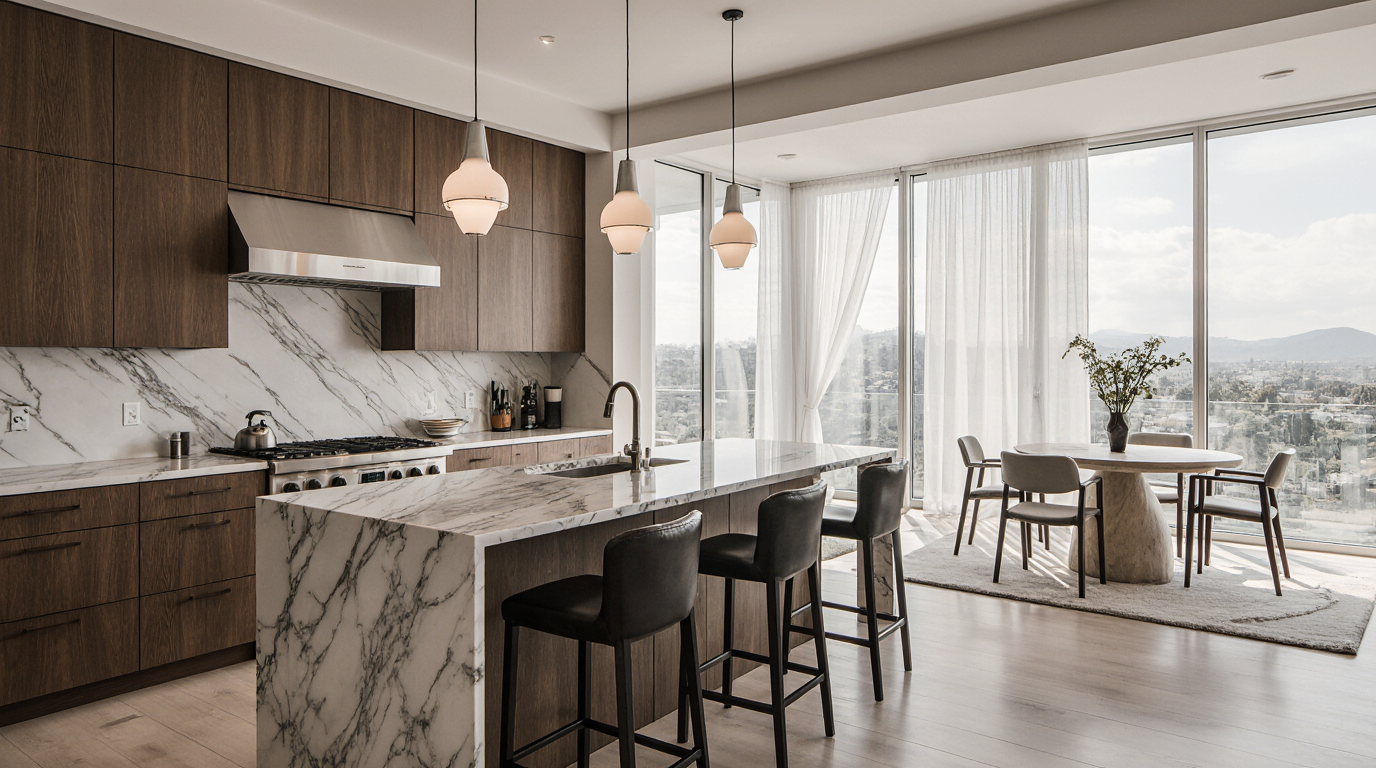
Why do so many beautifully decorated kitchens in Sarasota start showing signs of wear—pitting on the hardware, slight warping on cabinet doors, a haze on the countertops—within just a few years? The issue isn't a lack of style or investment. The problem is a design strategy that prioritizes aesthetics over the non-negotiable demands of our coastal climate. In this environment, decoration and engineering are inseparable.
Executive Summary: A Climate-Conscious Approach to Kitchen Decor
From my direct experience managing high-end kitchen projects from Lakewood Ranch to Siesta Key, I can state that
From my direct experience managing high-end kitchen projects from Lakewood Ranch to Siesta Key, I can state that successful kitchen decoration in Sarasota is less about fleeting trends and more about a deep understanding of material science. The humid, salt-laden air is an active agent that will test every finish, joint, and piece of hardware you select. A design that ignores this will fail, regardless of how beautiful it looks initially. The goal is to create a seamless fusion of coastal aesthetics and robust, climate-appropriate engineering.
- Humidity Resistance is Non-Negotiable: Material choices must prioritize stability. This means engineered wood products, quarter-sawn hardwoods, or high-grade marine plywood for cabinetry carcasses.
- Hardware is a Critical Failure Point: Standard steel or brass hardware will corrode. Specify 316 marine-grade stainless steel or PVD (Physical Vapor Deposition) coated finishes for longevity.
- Ventilation is a Design Element: Proper ventilation, including high-CFM range hoods vented to the exterior, is not just a code requirement; it's a core component of your design to manage interior moisture.
- HOA Covenants Dictate Timelines: In communities like The Founders Club or on Longboat Key, Design Review Board approvals can add 45 to 60 days to your project before any work begins. This must be factored into the initial plan.
The Planning Failures That Compromise Sarasota Kitchens
The costliest mistakes in our local kitchen projects are almost never about the initial budget. They are embedded in early-stage planning, where a disconnect between a design vision and the realities of the Sarasota environment creates long-term problems that are expensive and disruptive to fix. These failures often surface years after the final check is written.
The Most Expensive Failure: Underestimating Humidity's Impact on Wood
The pattern I've seen repeatedly is a client falling in love with a particular solid wood cabinet style—often a classic shaker in a soft wood like maple—without a proper discussion about its stability in our climate. The most expensive failure is choosing cabinet materials based solely on appearance, ignoring their dimensional stability in high humidity. A few years post-installation, I've been called back to projects where doors have swollen and no longer close properly, or where hairline cracks have appeared in the paint at the joints. The fix isn't a simple adjustment; it often requires replacing entire door and drawer fronts, a significant and frustrating expense. This is why I guide clients toward quarter-sawn oak, teak, or engineered solutions that offer the look they want with superior stability.
How a Resilient Kitchen Design Unfolds in Practice
A successful kitchen project in Sarasota follows a disciplined process that integrates climate resilience into every step, from initial concept to final sign-off. It’s a collaboration where material specifications are as important as the layout and color palette. The process is not just about aesthetics; it's about building a functional space that will endure.
The project begins with a material deep-dive, not a mood board. We analyze the home's specific exposure—a bayfront home on Lido Key has different challenges than an inland home in Palmer Ranch. From there, we specify cabinet construction, countertop materials, and hardware finishes. Only then do we move to layout and kitchen units designs. Permitting and HOA submissions run in parallel to material procurement to minimize delays. This front-loading of technical decisions prevents costly changes and ensures the final kitchen redesign ideas are both beautiful and durable.
Key Selection Criteria for a Sarasota Kitchen Professional
- Experience with Florida Building Code, particularly wind-load requirements for window and door openings that are part of the kitchen space.
- A portfolio that explicitly showcases work on barrier islands (Siesta, Lido, Longboat Key) and demonstrates knowledge of marine-grade materials.
- Verifiable relationships with local suppliers who stock and understand humidity-resistant materials like marine-grade plywood and corrosion-resistant hardware.
- Demonstrated process for navigating Design Review Boards in master-planned communities like Lakewood Ranch, including familiarity with their specific submission requirements and timelines.
Comparing Design Approaches for Coastal Durability
Choosing the right approach for your kitchen involves balancing aesthetics, budget, and long-term performance. In Sarasota, a standard design process often falls short because it doesn't adequately account for environmental stressors. A climate-focused approach, while potentially having a higher initial material cost, prevents much larger expenses down the road.
| Indicator | Standard Aesthetic-First Design | Climate-Conscious Design | DIY / Big-Box Store Package |
|---|---|---|---|
| Long-Term Material Stability | Variable; often uses standard MDF or solid wood prone to swelling. | High; specifies engineered cores, marine-grade plywood, or stable hardwoods. | Low; typically uses particleboard or low-grade MDF that fails quickly in humidity. |
| Corrosion Resistance | Often overlooked; uses standard plated hardware that pits and rusts. | Excellent; specifies marine-grade stainless steel or PVD finishes. | Poor; hardware is almost always the first component to fail. |
| Initial Investment | Moderate to High | High (material upcharges can be 15-20%) | Low |
| Resale Value Impact | Neutral to Negative (if issues are visible) | Positive; a durable, well-built kitchen is a major selling point in Sarasota. | Negative; often requires replacement by the next owner. |
When This Rigorous Approach Isn't the Right Choice
I'll be direct: if the property is a short-term investment or a rental you plan to sell in under three years, the significant upfront investment in marine-grade hardware and premium engineered materials may not provide a return. In such a scenario, a more standard approach using good quality, readily available materials might be more financially prudent, with the understanding that some maintenance or replacements may be needed by the next owner.
Safe Hiring Checklist for Your Sarasota Kitchen Project
Verifying a designer or contractor's credentials in our specific market goes beyond checking licenses and insurance. You must confirm their practical experience with the unique challenges of building and decorating in a coastal, high-humidity, hurricane-prone region. This checklist is designed to uncover that specific expertise.
- Ask for project addresses on one of the barrier islands and ask specifically what hardware and cabinet box material they specified and why.
- Verify their Florida contractor's license is active and that they carry specific liability insurance that covers work in high-value waterfront properties.
- Request a detailed material specification sheet from a past project to see if they call out specifics like “316 stainless steel fasteners” or “marine-grade plywood substrate.”
- Discuss their process for managing HOA approvals in a community you know, like The Lake Club or Esplanade, to gauge their familiarity with the bureaucracy.
- Confirm they understand the Florida Building Code's requirements for anchoring cabinets, especially in homes within the wind-borne debris region.
- Ask how they manage and protect materials from ambient humidity on-site during the acclimation and installation phases of the project.
Decisions That Determine the Final Outcome
The success of a kitchen decoration project in Sarasota hinges on a few key decisions made long before the first cabinet is installed. These choices are foundational, and they separate the kitchens that endure from those that become maintenance headaches. My role is often to shift the client's focus from purely cosmetic choices to these more critical, structural ones early in the process.
The most crucial decision is committing to a budget that accommodates climate-resilient materials from the start. Acknowledging that 15-20% of your cabinet and hardware budget might go toward unseen upgrades—like the plywood quality in the cabinet box or the coating on a drawer slide—is fundamental. Trying to value-engineer these items out of the project is the single biggest predictor of long-term failure I have witnessed.
The Exact Moment the Majority Gets It Wrong
The critical misstep happens when the homeowner approves a final design and quote based on a standard material specification. They see a price for “custom shaker cabinets” and assume all are created equal. The mistake is signing off on a proposal before demanding a line-item specification for every component's material and grade. You must insist on seeing—and understanding—the difference between standard MDF, moisture-resistant MDF, and marine-grade plywood for the cabinet boxes. This conversation must happen before you sign, not after you notice the first signs of swelling a few years later.
Practical Answers About Operations in Sarasota
Navigating a kitchen project here involves more than just design and construction; it requires an understanding of local regulations, community rules, and environmental codes. These factors can significantly impact your timeline, budget, and material choices. Here are answers to common operational hurdles.
Navigating Sarasota County Permitting for Kitchen Remodels
Any kitchen remodel that involves moving plumbing, electrical, or walls requires a permit from the Sarasota County Building Department. A simple cosmetic update (paint, countertops, hardware) typically does not. The key issue is lead time: a standard permit review for an interior remodel can take 4 to 6 weeks. If your property is in a flood zone (common on the keys), additional documentation may be required, extending this timeline. Plan for this bureaucratic buffer.
HOA Design Review: The Unseen Gatekeeper
In communities like Lakewood Ranch or The Landings, the Homeowners Association (HOA) Design Review Board has final say on any exterior-facing elements of your remodel, which can include windows or exhaust vents. Even for purely interior work, many require a formal submission of plans. This process is separate from county permitting and can easily add another 30-60 days to your pre-construction phase. I've seen projects delayed an entire season because the HOA submission was an afterthought.
Florida Building Code and Cabinet Installation
The Florida Building Code contains specific provisions for construction in High-Velocity Hurricane Zones (HVHZ). While this primarily affects the building envelope, it also influences how interior fixtures must be secured. The code requires that cabinets be securely anchored to the wall structure to prevent them from becoming projectiles in a catastrophic event. This means your installer must use appropriate fasteners and spacing, a detail that a qualified, licensed local professional will know but an out-of-area or unlicensed installer might overlook, creating a serious safety issue.