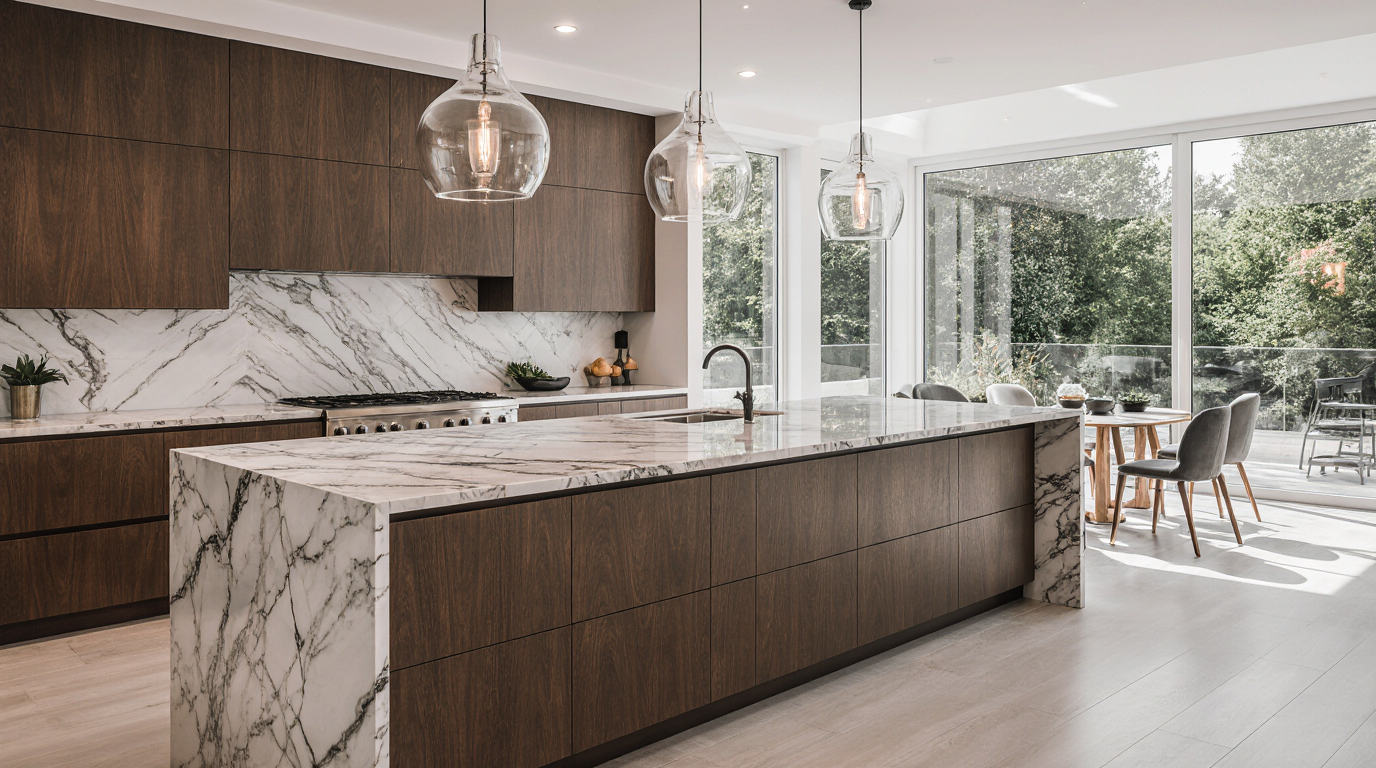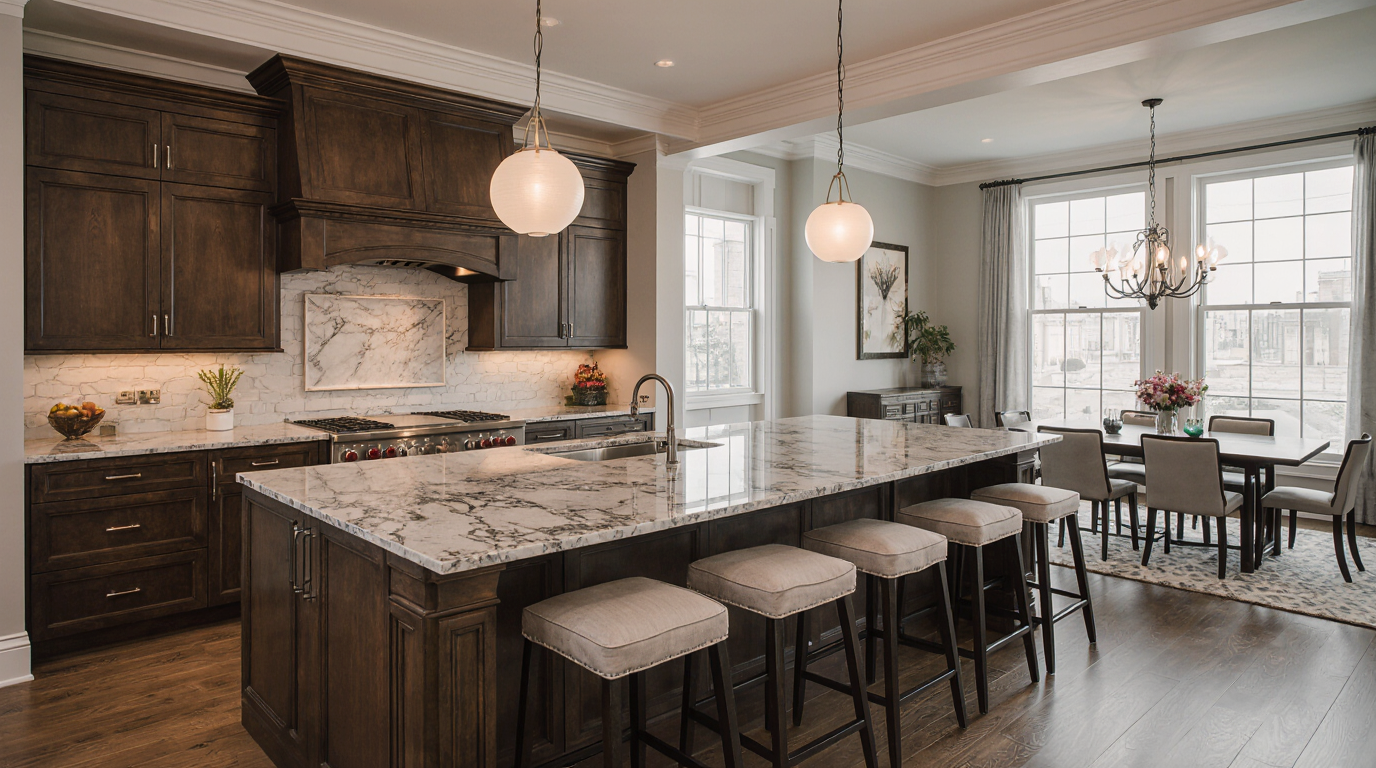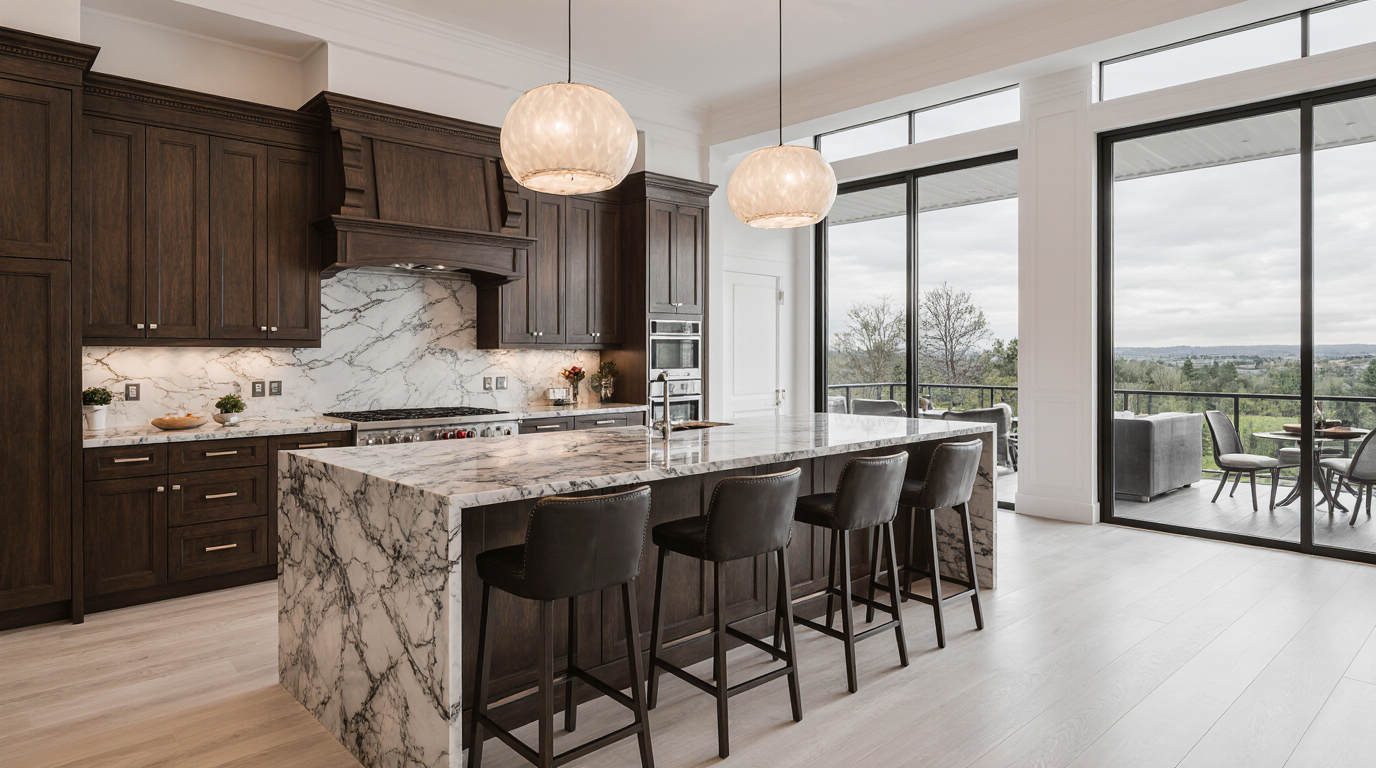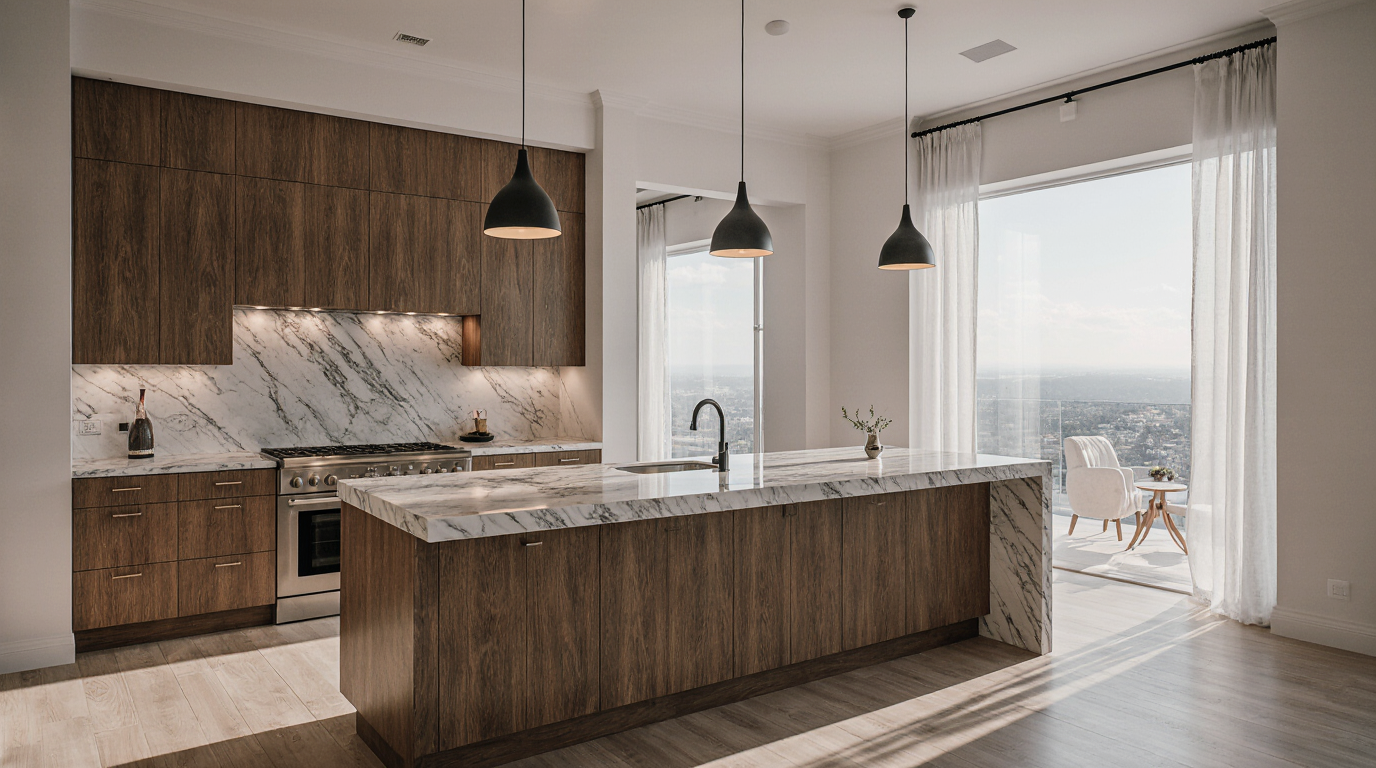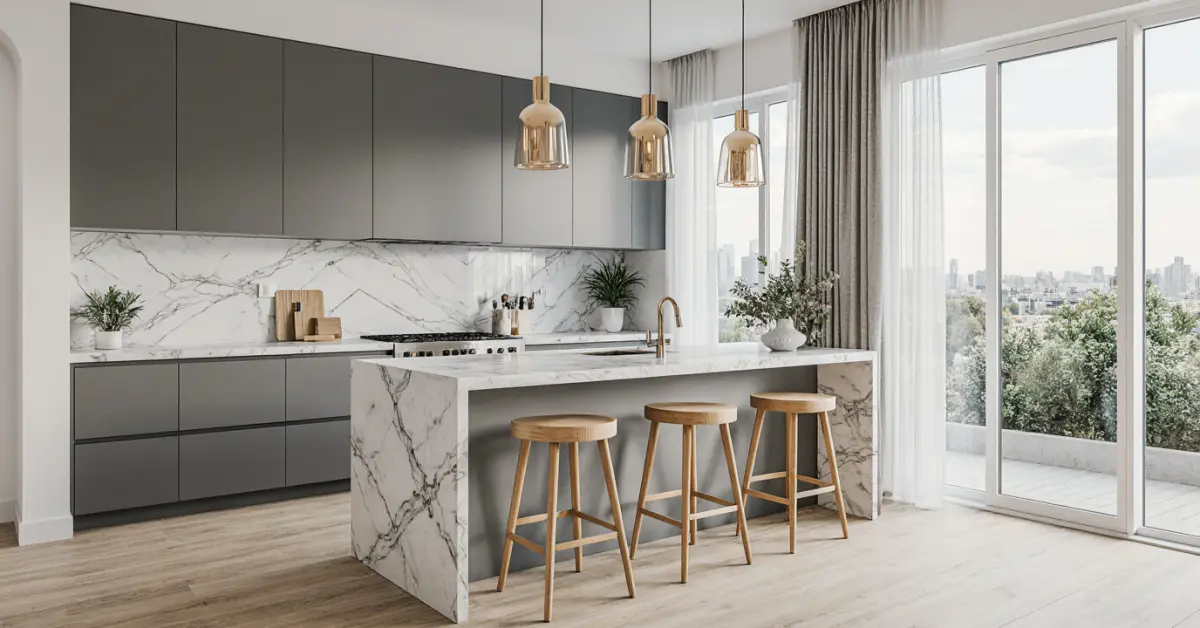
Picture a stunning, newly renovated kitchen in a home west of the Trail. The centerpiece is a massive, l-shaped kitchen island with waterfall quartz countertops, designed for entertaining. Six months later, the owner calls, frustrated. The custom-painted cabinet doors under the sink, where the trash pull-out is, are already showing subtle swelling at the joints. The problem wasn't the craftsmanship; it was a material specification that ignored the daily reality of Sarasota's humidity, especially in a high-moisture zone of the island itself. This is the conversation we need to have first.
Executive Summary: A Sarasota-Specific Approach to Kitchen Islands
From my years designing and building kitchen islands here in Sarasota, I've learned that success isn't just about
From my years designing and building kitchen islands here in Sarasota, I've learned that success isn't just about aesthetics; it's about engineering a piece of furniture to withstand our unique coastal environment. An island is the hardest-working element in a modern kitchen, and in our climate, its construction must prioritize moisture and salt-air resistance from the core outwards. The most successful projects are those where the client understands that the invisible components—like the cabinet box material and hardware finish—are more critical than the visible ones.
- Core Material Specification: The default choice should not be standard furniture-grade particle board or MDF. Prioritize marine-grade plywood or specialized moisture-resistant substrates, especially for islands housing sinks or dishwashers.
- Ventilation and Appliance Integration: Properly venting heat-producing appliances like wine fridges or microwave drawers within an island is non-negotiable to prevent moisture buildup and material degradation.
- Hardware and Fasteners: Always specify 304 or 316-grade stainless steel hardware, including hinges, drawer slides, and screws, to prevent corrosion from the ambient salt air, a real issue on the barrier islands.
- HOA Design Review Timelines: For residents in communities like Lakewood Ranch or The Founders Club, the island's design and electrical plan must be submitted for approval, a process that can add 30 to 60 days to the project timeline before fabrication can even begin.
The Planning Failures That Compromise Island Longevity
The most common missteps I see happen long before the first piece of wood is cut. They stem from underestimating the impact of our local climate and lifestyle on what is essentially a freestanding piece of complex cabinetry. A design that looks beautiful in a magazine can fail within a year if it wasn't planned for a home on Longboat Key.
One major oversight is failing to account for the home's air conditioning habits. For seasonal residents, a home that sits closed with the AC set to a high temperature creates a high-humidity indoor environment. This cyclical humidity exposure is more damaging to wood and finishes than constant climate control, leading to joint expansion, finish clouding, and sticking drawers. The material choices must account for the home's actual use, not its ideal use.
The Most Expensive Failure: Under-Specifying the Core Box Construction
The costliest mistake is choosing a standard MDF or particle board core to save a few thousand dollars on a large kitchen island. I was involved in a project on Bird Key where this exact decision was made against advice. The island housed a prep sink and an under-counter ice maker. A minor, slow leak from the ice maker's supply line went unnoticed for weeks. By the time it was discovered, the particle board sub-structure had swollen and delaminated, compromising the support for a very expensive slab of quartzite. The entire island had to be disassembled and rebuilt—a cost that far exceeded the initial savings.
The Practical Process for a Custom Island in Sarasota
Building a custom island here involves a clear, multi-stage process that integrates design, local compliance, and fabrication. It begins not with sketches, but with a technical audit of the space and its intended use, factoring in the unique environmental loads of our region.
The typical workflow starts with on-site measurements and a detailed discussion about appliance integration, seating requirements, and workflow. From there, we develop detailed shop drawings that specify materials, joinery, and hardware. These drawings are crucial for both client sign-off and, if necessary, submission to a local HOA or condo association's design review board. Once approved, material procurement begins, followed by fabrication in a controlled shop environment, and finally, on-site installation, which includes scribing to floors and leveling for countertop installation.
Key Selection Criteria for a Sarasota Fabricator
- Verifiable Experience with Marine-Grade Materials: Ask to see and handle samples of marine-grade plywood versus standard cabinet-grade plywood. A qualified builder will be able to explain the difference in ply composition and glue.
- In-House Finishing Capabilities: Inquire about their finishing process. A durable, catalyzed conversion varnish or polyurethane is essential in our humid climate, and the application must be done in a dust-free, climate-controlled spray booth.
- Knowledge of Local Building Codes: The fabricator must understand Sarasota County's requirements for electrical outlets in islands (per NEC guidelines adopted by Florida) and proper anchoring for large, heavy structures.
- Relationships with Local Countertop and Appliance Suppliers: A seamless project requires tight coordination. A builder with established relationships can prevent delays by ensuring the island is ready precisely when the stone fabricator or appliance installer is scheduled.
Comparing a Custom Island to Semi-Custom and Stock Options
While a fully custom island offers maximum flexibility, it's important to weigh it against other options. Semi-custom and stock islands can be viable in some situations, but the trade-offs in our specific Sarasota environment are significant, particularly concerning material durability and design integration.
| Feature | Fully Custom Island | Semi-Custom Island | Stock/Big-Box Island |
|---|---|---|---|
| Material & Hardware Choice | Unlimited; can specify marine-grade plywood and stainless hardware. | Limited to manufacturer's catalog; moisture-resistant options are often an upcharge. | Fixed; typically particle board with standard-grade hardware. Not suitable for coastal use. |
| Design & Size Flexibility | Completely tailored to the kitchen's layout, workflow, and aesthetic (e.g., L-shaped, curved). | Standard sizes with some modifications available in 3-inch increments. | Fixed, standard dimensions. Often too small to be a true centerpiece. |
| Cost & Lead Time | Highest cost, longest lead time (typically 12-20 weeks). | Moderate cost, moderate lead time (typically 8-12 weeks). | Lowest cost, shortest lead time (can be immediate). |
| Long-Term Durability in Sarasota | Highest potential for longevity when specified correctly. | Variable; depends heavily on the specific product line chosen. | Low; highly susceptible to humidity and salt-air damage. |
When a Fully Custom Island Is Not the Right Choice
A fully custom island is not the best path for every project. If you are on a tight timeline for a rental property renovation or preparing a home for a quick sale, the lead time and investment may not align with your goals. In these cases, a higher-end semi-custom option using their best moisture-resistant materials can provide a good aesthetic result faster, even if it means accepting a compromise on long-term, decade-plus durability.
A Safe Hiring Checklist for Your Island Project
Vetting a custom builder in Sarasota requires looking beyond the portfolio. A beautiful gallery of photos doesn't tell you if the right materials were used or if the projects have stood the test of time in our climate. Use this checklist to dig deeper.
- Verify their license with the Florida Department of Business and Professional Regulation (DBPR) and check for any complaints.
- Ask for references from at least two projects completed over three years ago on one of the barrier islands (Siesta, Lido, Longboat Key). This demonstrates their work holds up to salt air.
- Request a detailed breakdown of materials in the quote, specifically identifying the core material for cabinet boxes (e.g., “3/4-inch marine-grade fir plywood”).
- Confirm they carry both General Liability and Workers' Compensation insurance. Ask for the certificates. Your condo association will almost certainly require them.
- Discuss their process for protecting your home during installation, especially floors and dust containment.
- Clarify the warranty in writing. What does it cover, for how long, and what are the exclusions? A one-year warranty is standard, but some high-end builders offer more.
The Decisions That Truly Determine the Outcome
Having overseen dozens of these projects, I can say with certainty that the final quality of a custom kitchen island is determined by a few key decisions made at the very beginning. The most important is prioritizing the budget for the unseen structural components over purely cosmetic features.
For example, I've seen clients allocate a large portion of their budget to an exotic wood species for the exterior but then try to save money by using a lesser-grade material for the cabinet interiors and drawer boxes. This is a critical error in our climate. A robust, stable foundation built from marine-grade plywood with high-quality, full-extension drawer slides will deliver functional satisfaction for decades, long after the novelty of a specific wood grain has faded. The real luxury is in the flawless daily performance.
The Exact Moment Most Homeowners Get It Wrong
The critical misstep happens when the design conversation starts with the countertop. The client falls in love with a specific, heavy slab of granite or quartzite, and then the island is designed backward to support it. The correct approach is to first design the island's function and structure based on workflow, storage needs, and appliance layout. Finalize the island's complete structural and functional design before you go stone shopping. This ensures the cabinet structure is properly engineered for the load and layout from the start, not compromised later to accommodate a slab that might be too large or require awkward support placement.
Practical Answers About Operations in Sarasota
Navigating a custom project involves understanding local rules and logistics. These are not just formalities; they directly impact your project's timeline and budget.
How Condo Association Rules Impact Island Design
In many of the luxury condos along Gulf Stream Avenue or on Longboat Key, the condo association's architectural review committee has significant authority. They may have rules governing core-drilling into the post-tension slab for plumbing or electrical conduits, which can limit where a sink or outlet can be placed in an island. We must get a copy of the building's rules and submit our plans for approval before any work begins, a process that can take weeks.
Navigating Electrical Requirements for Kitchen Islands
The Florida Building Code, which adopts the National Electrical Code (NEC), has specific requirements for electrical outlets in kitchen islands to prevent the use of extension cords. The number and placement of outlets are not arbitrary. We must plan for these from the beginning, as retrofitting them is difficult and expensive. The location of outlets will be inspected by a Sarasota County building inspector, and failure to comply will halt the project until it's corrected.
Waste Removal and Logistics in Gated Communities
This sounds minor, but it's a real operational bottleneck. In gated communities, there are often strict rules about contractor hours, vehicle parking, and dumpster placement. For a renovation, removing the old island and bringing in a new, large custom piece requires careful logistical planning. We have to coordinate with community management to ensure our delivery and debris removal schedule complies with their rules, which can sometimes limit work to specific days of the week, extending the overall project duration.