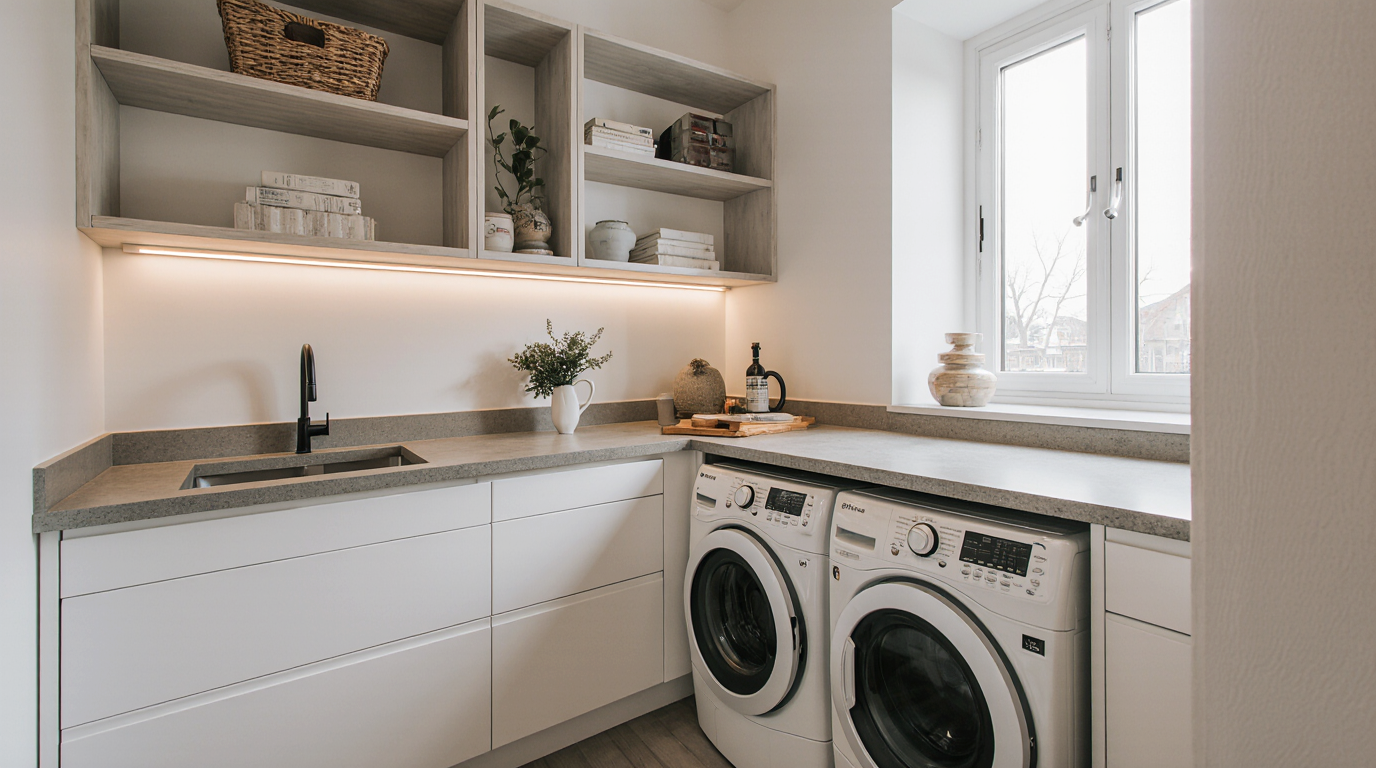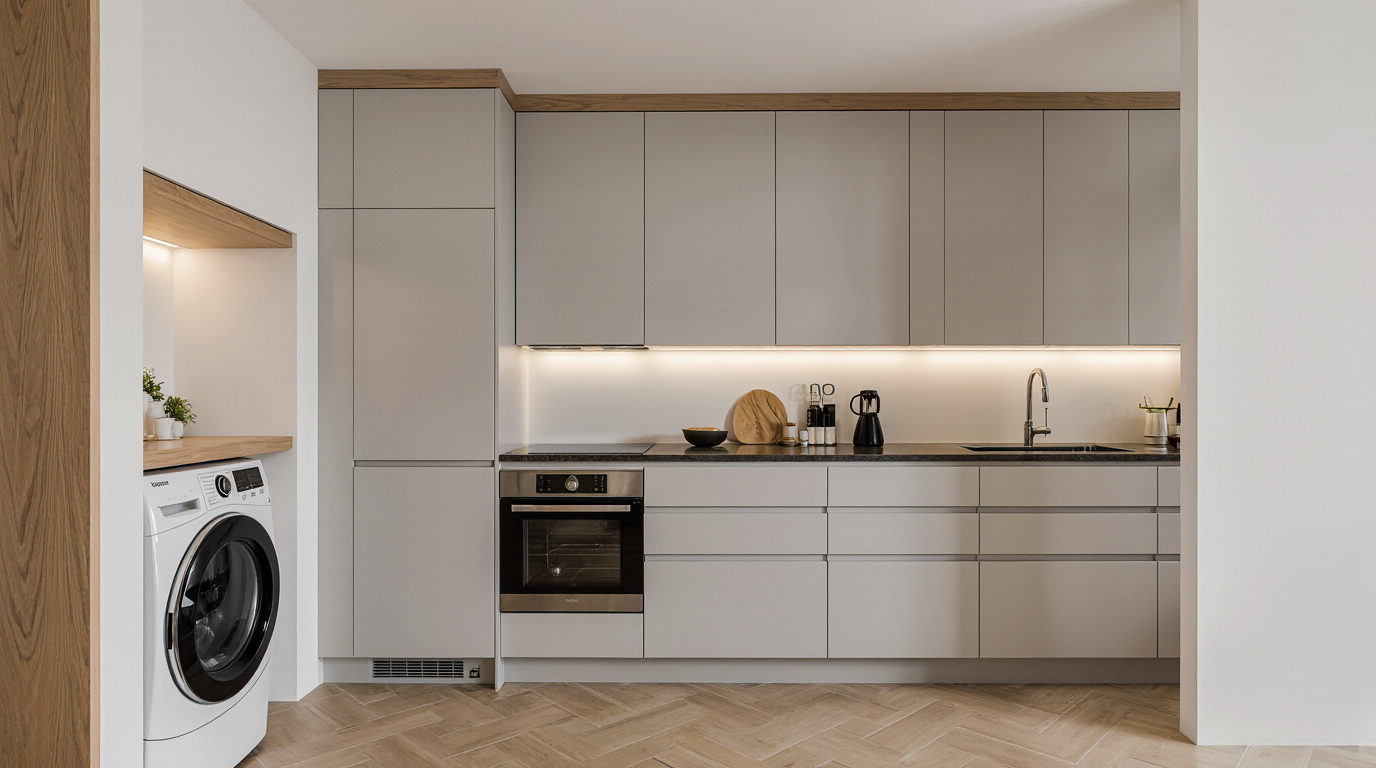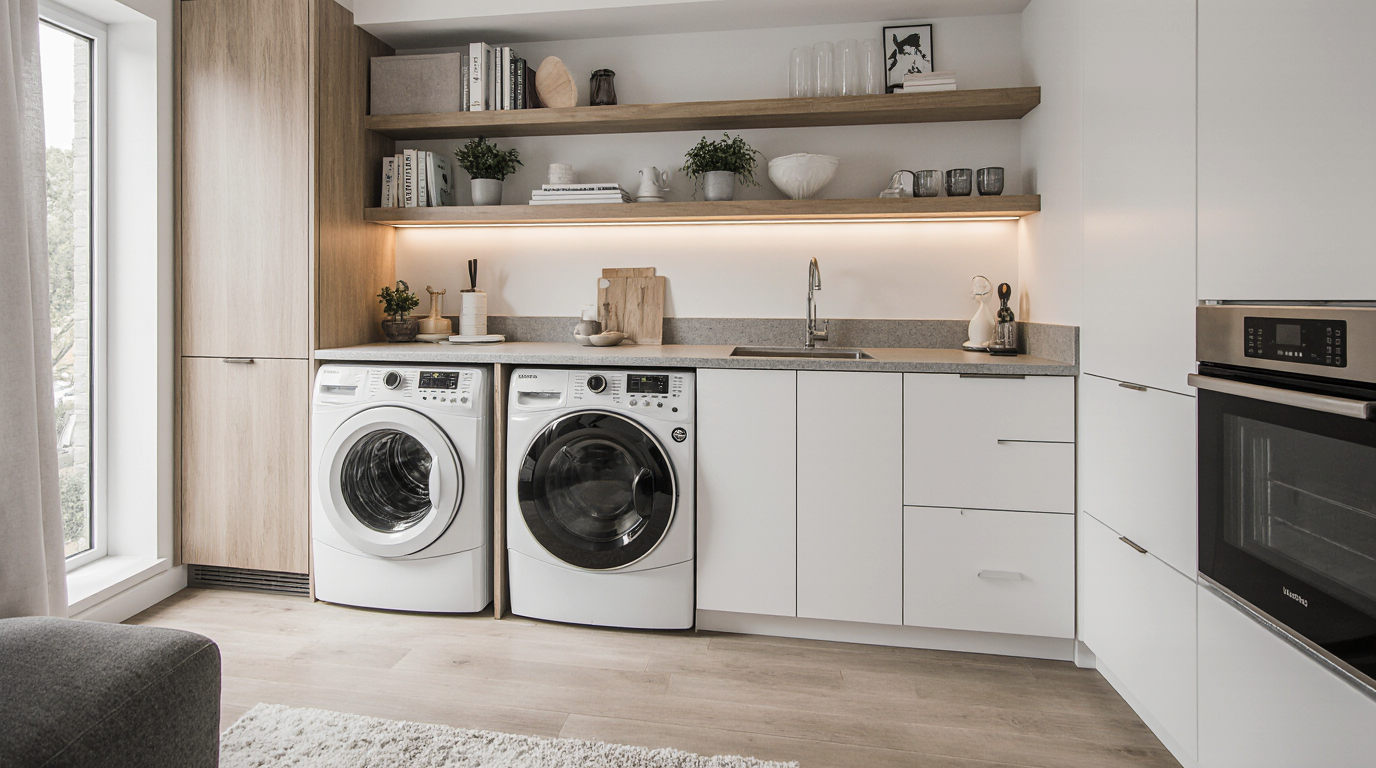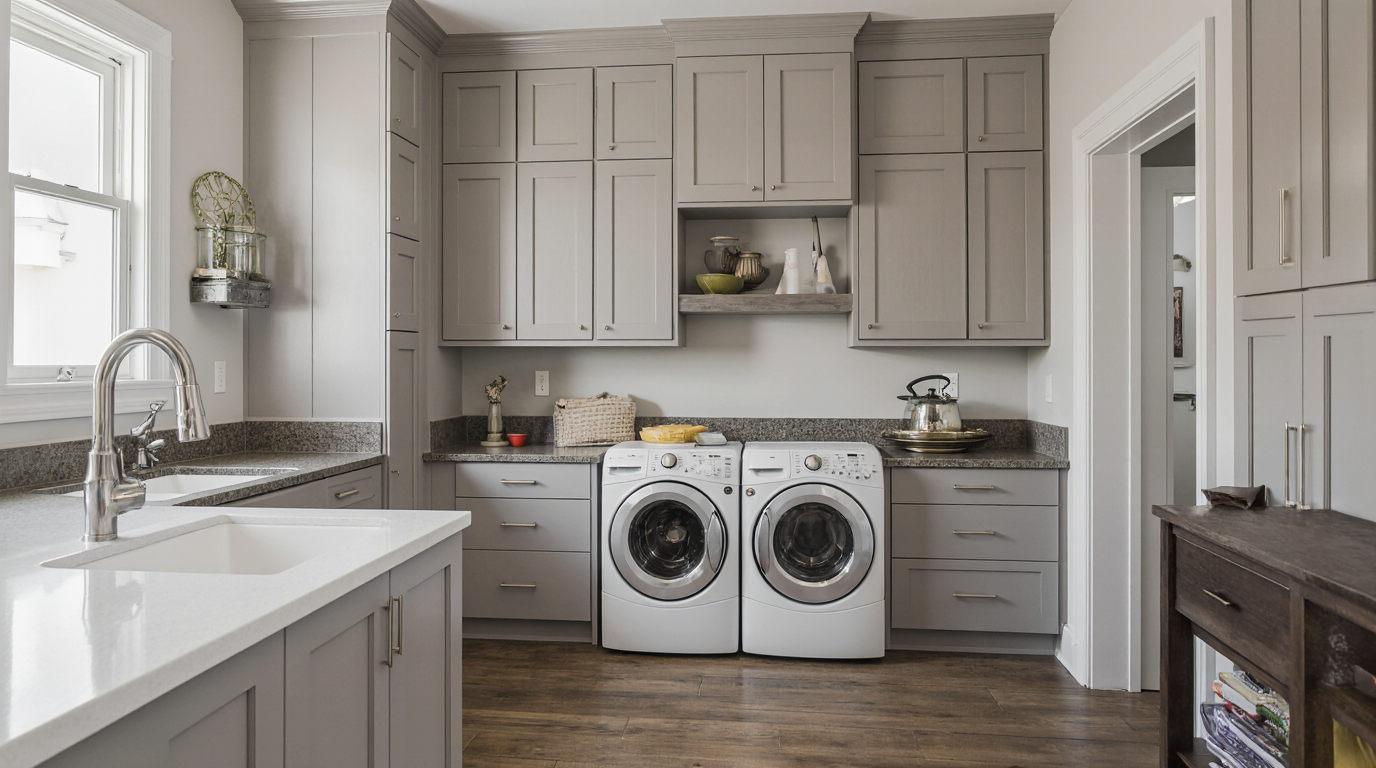
The modern home, particularly in an era where space optimization is paramount, necessitates a versatile, adaptable spatial strategy. We are moving past the era of banishing the washing area to a gloomy basement or a purely functional, isolated room. Today’s forward-thinking residential design champions integration, with the thoughtful incorporation of laundry functions into the kitchen being a prime example. This union is not merely about necessity; it is a sophisticated design challenge that, when solved correctly, elevates the entire living experience, transforming chores into manageable tasks within an aesthetically pleasing environment. The success of this combined space hinges on understanding visual harmony, prioritizing workflow efficiency, and employing clever concealment.
The core principle driving a successful kitchen-laundry integration is the maintenance of visual continuity. The kitchen is often the heart of the home, the primary area for displaying high-quality materials and deliberate aesthetic decisions. For a smooth transition, the utility section has to speak the same visual dialect. This requires precise matching of joinery style, paint or veneer color, and handle or pull design. For example, if the culinary area boasts luxury flat-panel cabinets in a deep charcoal, the nearby laundry units should use that identical panel style and color. Employing a continuous countertop material, by using the same solid surface, be it granite or laminate, to link the two zones without a break, truly unifies the design. This visual bridge ensures the laundry component feels like a deliberate extension of the kitchen, making it an integral, planned feature. Such dedication to design alignment is what defines a truly premium, cohesive interior.
Appliance selection plays a critical role in maintaining this seamless look. The traditional, loud, and often clunky look of laundry units can instantly shatter the design cohesion. Modern smart technology integration is your ally here. The best choice is often a low-profile, resource-efficient pair that can slide beneath the millwork, hiding their presence during non-operational hours. Should you need to stack the units, ensure they are a coordinated set and choose a finish, like graphite or deep navy, that intentionally coordinates with the nearby kitchen equipment. Furthermore, the integration of European laundry concepts, where the units are seamlessly built into full-height cabinetry, offers the ultimate solution for hiding the laundry entirely behind panel-ready doors that mimic the surrounding kitchen millwork. This approach honors the kitchen’s primary function while housing the necessary machinery.
In addition to appearance, defining clear activity zones is crucial. A well-designed combined space respects the distinct activities that occur in each area. The kitchen requires zones for cooking, prepping, and cleaning, while the laundry needs zones for sorting, washing, folding, and storing supplies. In the shared layout, these zones must be intelligently separated. For instance, use a deep-basin utility sink in the laundry area, distinct from the main kitchen sink, perfect for pre-soaking stains or hand-washing delicates. Bench space is another shared resource that requires careful planning; make certain that a section of the countertop remains exclusively for sorting and folding, ensuring it is not encroached upon by small kitchen devices or meal prep activities. Utilizing vertical space for storage is key; maximize wall space with tailored shelving units or ceiling-height cupboards, using the open sections for decorative accessories and reserving the hidden compartments for laundry essentials and cleaning products.
Discreet storage solutions are the secret weapon of the specialist laundry designer. Disorder directly undermines the desired design outcome. Every cleaning supply, every stray sock, needs a designated home that keeps it out of sight. It’s essential to go beyond conventional storage; plan for fold-down or slide-out ironing stations, build in multi-chambered, accessible laundry baskets for pre-sorting, and include small, specialized slots for holding laundry pods or spot-treating agents. Even the need for clothes drying requires forethought. Instead of unsightly external racks, specify retractable drying systems—often mounted inside a cabinet door or recessed into the ceiling—that disappear completely when the laundry is dry. This adherence to minimalist material selection and hidden functionality prevents the space from feeling overwhelmed by the work of laundry.
Ventilation and noise management are critical technical considerations when merging these two potentially disruptive functions. Washing machines, particularly during the spin cycle, generate significant noise. In layouts where the laundry area is open to the kitchen, sound-dampening measures, such as insulated cabinet backs or selecting flooring like cork or luxury vinyl plank over hard porcelain, are highly advisable to mitigate the transmission of washing machine noise. Proper ventilation is also vital to manage humidity, especially when using a dryer. Ensure the combined area benefits from excellent task and ambient lighting, often mirroring the layered approach used in high-end kitchens, with under-cabinet lighting illuminating the folding surface and attractive pendant fixtures providing general ambient light, preventing the area from ever feeling like a service cupboard.
The successful kitchen with laundry area is a testament to holistic spatial planning. This approach successfully argues that functionality and aesthetics can coexist without detriment to the home's principal gathering spot. By focusing on design-forward choices—including everything from matching the edge detail of the counters to making the washer vanish behind a door—the space transcends its individual functions. What emerges is a serene, highly functional command center that handles both culinary and cleaning tasks while promoting a sense of order. This level of design demands precision in execution and a designer’s commitment to creating environments where every element serves both a practical and an aesthetic purpose, ensuring the entire zone supports a lifestyle of ease and elegance. Embracing sustainable equipment and materials further enhances the value proposition of this integrated design, signaling a commitment to both quality and longevity in every square foot.