Kitchen Countertop Replacement Cost: Understanding Value and Quality
During a kitchen remodel, homeowners frequently confront the crucial question of countertop replacement costs, since countertops perform practical roles while simultaneously influencing the visual and stylistic atmosphere of the space. High-end countertop choices impact a kitchen’s functionality and style for years, emphasizing the need for a thorough evaluation of cost-driving elements. Homeowners often wonder why replacement costs vary widely, and this variation stems from material selection, labor requirements, design complexity, and installation challenges.
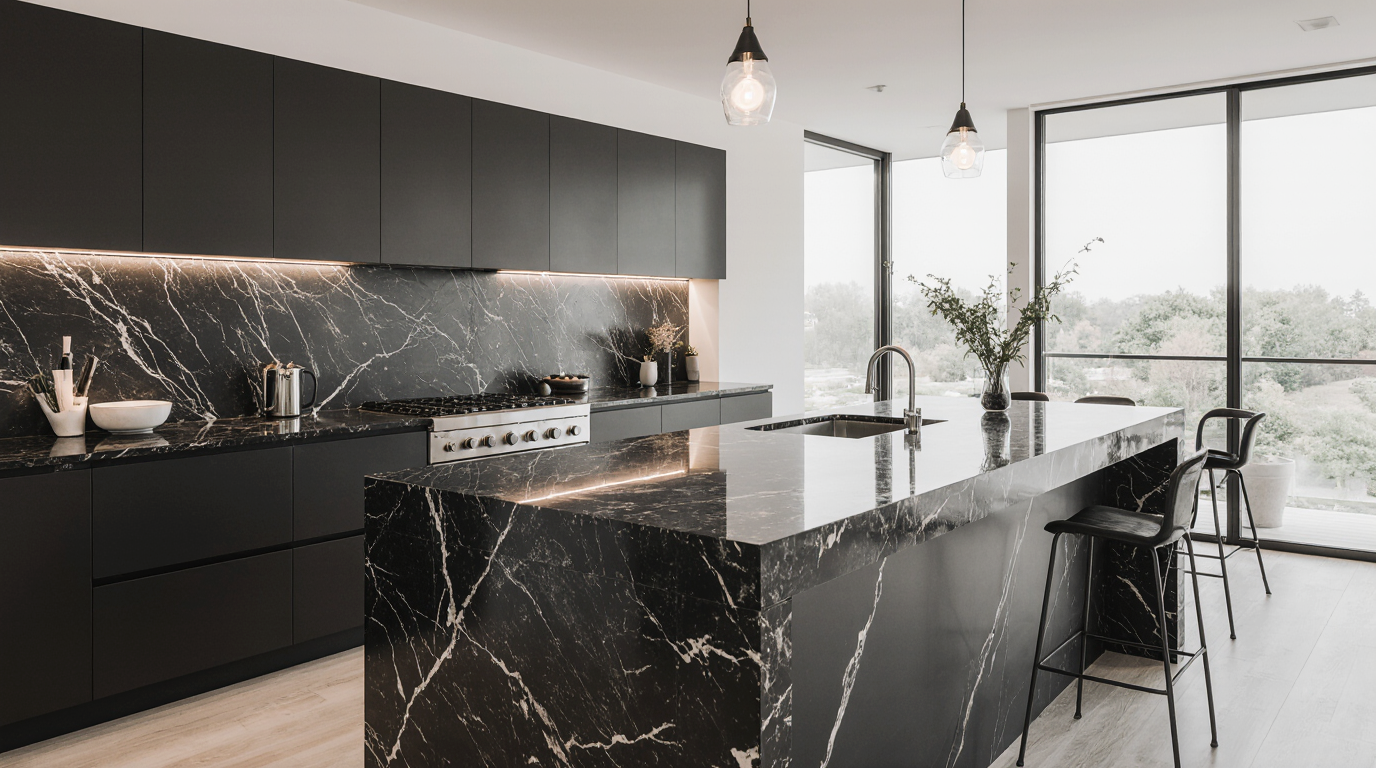
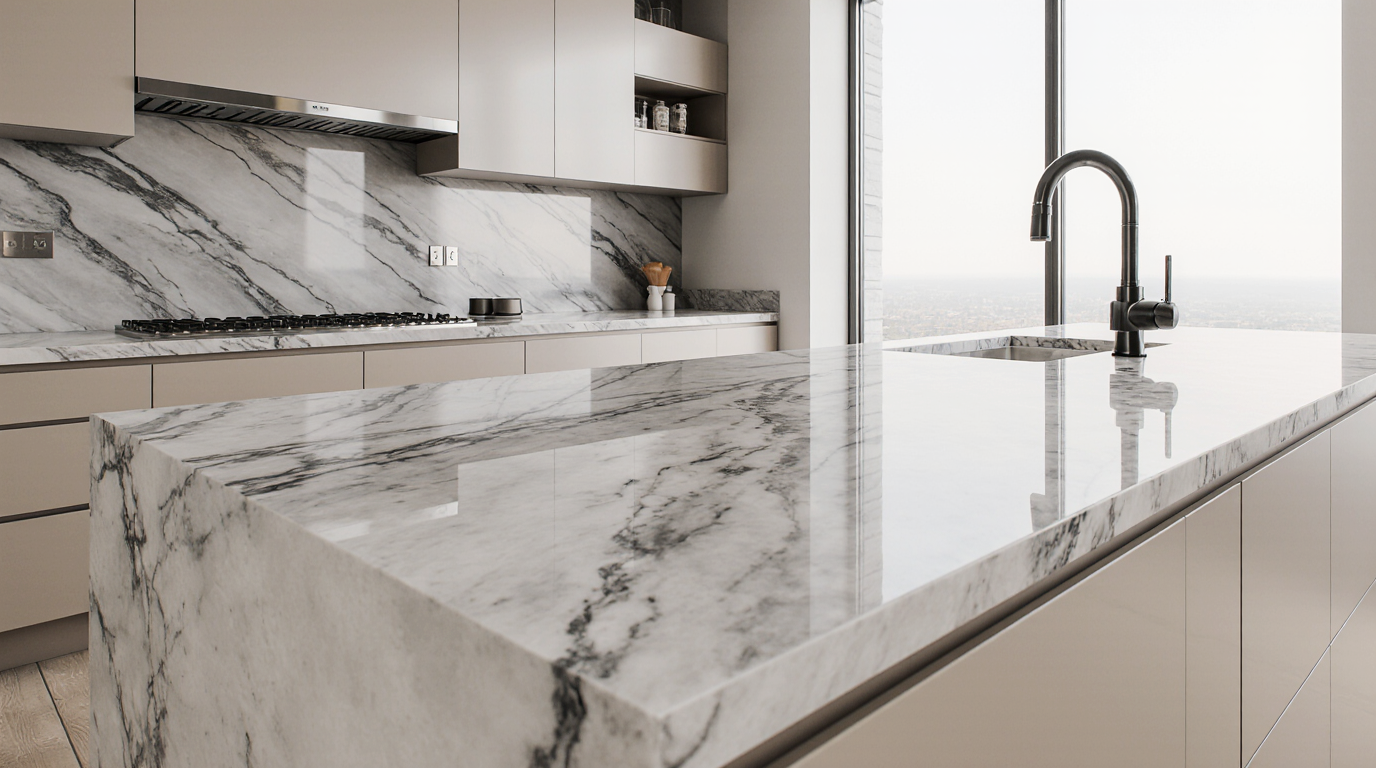
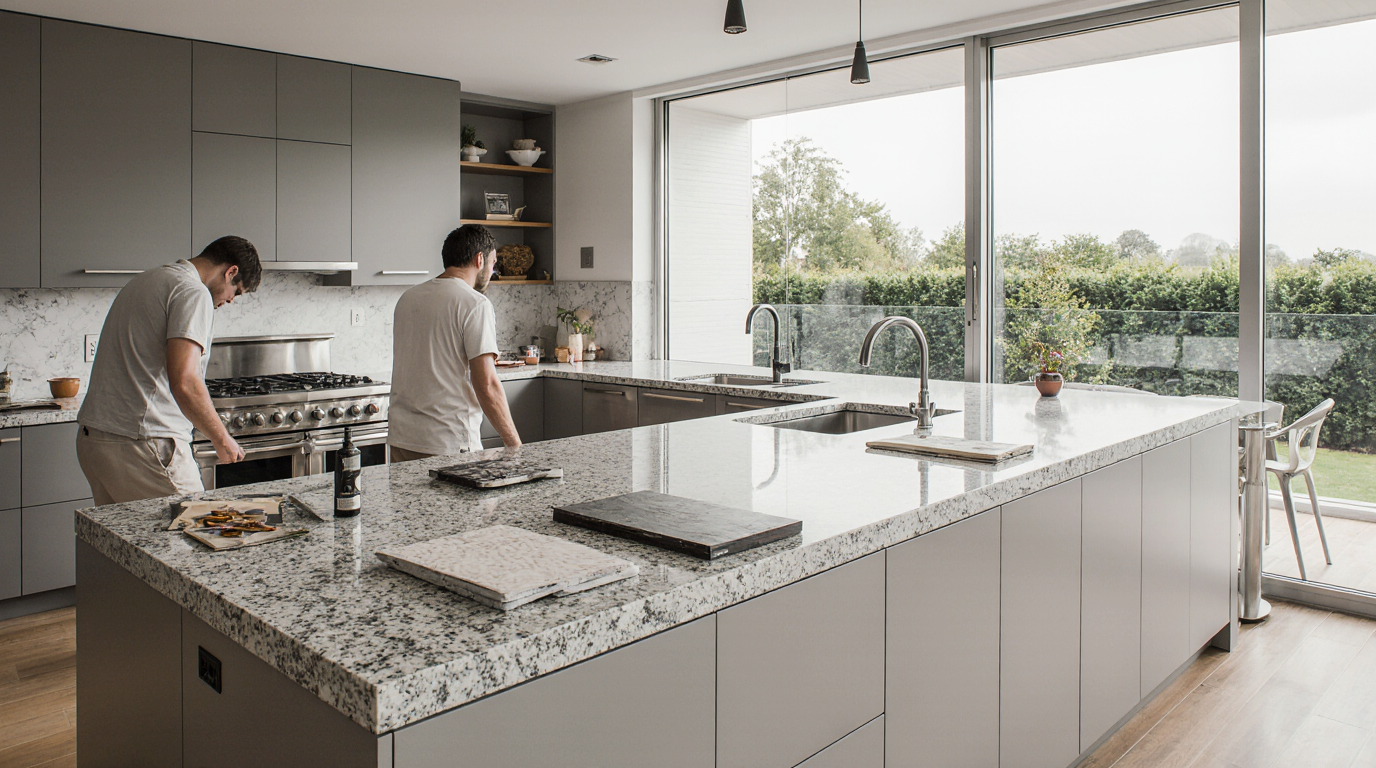
Material choice constitutes the primary driver of countertop pricing, since granite offers superior durability, elegant veining, and excellent heat tolerance, securing its place among popular selections. Granite pricing varies based on color, rarity, and thickness, with premium slabs commanding higher rates. Quartz countertops, known for uniform patterns, easy upkeep, and durability, generally come with a higher price point but offer substantial longevity. Marble surfaces, admired for their aesthetic impact, involve higher maintenance, influencing overall investment. Solid surface countertops offer versatility and a polished appearance, though costs fluctuate based on brand reputation and customization level.
Labor and installation costs constitute another major component of countertop replacement expenses. The seemingly simple act of installing countertops actually involves complex procedures best handled by experts. Incorrectly installed countertops can result in cracks, leaks, misalignment, and diminished aesthetics. Professional craftsmen ensure precise edge finishing, seamless joins, and perfectly leveled surfaces, crucial for dense stone installations. Labor fees escalate with complex layouts, L-shaped configurations, islands, and integrations such as sinks or backsplashes.
Existing structural conditions can complicate countertop replacement, altering labor and material needs. Demolition of prior countertops may necessitate repairs or reinforcements, increasing the overall project scope. In older installations, additional work to accommodate new countertop specifications can substantially increase project expenses. Material lifespan is key: inexpensive laminates reduce initial outlay but may necessitate sooner replacement, inflating lifetime costs.
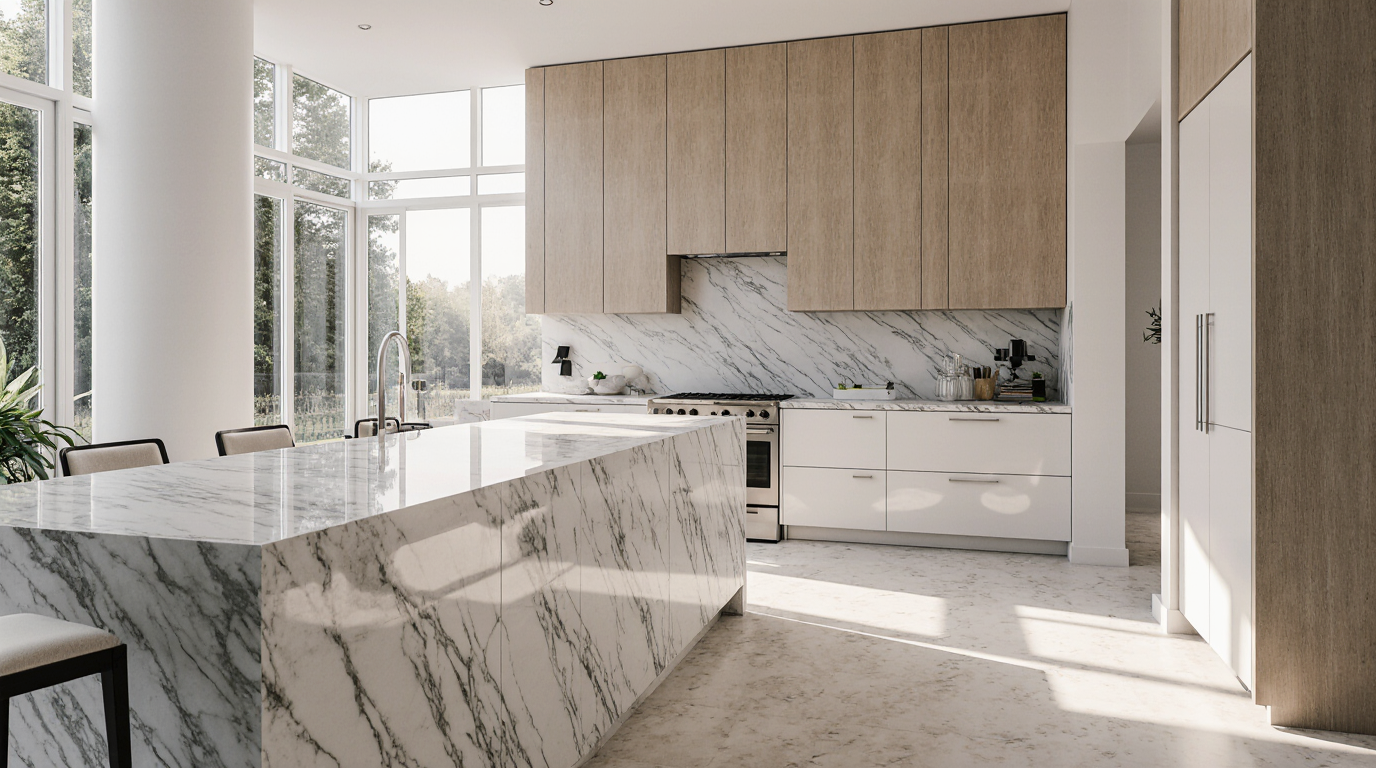
Customization and design complexity have become a major factor for homeowners seeking distinctive kitchen aesthetics. Elaborate edge details, integrated sinks, waterfall islands, and artistic inlays elevate the visual impact but increase installation costs. A waterfall island, for example, requires matching slabs along the sides, precise cutting, and careful handling to prevent damage. Inlays and artistic patterns also require exceptional skill, increasing both labor costs and project timelines. Homeowners must carefully weigh aesthetic aspirations against budget realities to optimize both function and beauty.
Long-term upkeep considerations impact the real value of countertop materials. Quartz and granite are highly resistant to scratches, stains, and heat, offering years of reliable performance with minimal maintenance. Marble and some natural stones, while visually stunning, demand periodic sealing and careful handling to prevent etching or discoloration. Understanding these long-term implications allows homeowners to make informed decisions, reducing future repair or replacement expenses. Matching countertop characteristics to practical lifestyle demands enhances both performance and visual enjoyment over years of use.
Regional factors and supply-demand dynamics affect pricing significantly. Prices differ widely between urban and rural areas due to labor rates, material availability, and delivery logistics. Monitoring market trends and supplier deals can provide financial advantages, optimizing project expenditure. Professional kitchen designers can further improve cost efficiency through optimal layout and material selection guidance.
Professional installation by qualified contractors ensures quality and peace of mind. High-quality professionals advise on material types, offer detailed cost breakdowns, and ensure precise fitting. Workmanship guarantees from trusted contractors enhance security and long-term satisfaction. Attempting self-installation is fraught with hazards, potentially causing material damage and inflated costs.
A comprehensive evaluation of all factors—from material choice to labor and market trends—is necessary to accurately estimate replacement costs. Investing in quality materials and professional installation ensures both sophisticated appearance and long-term functionality. Whether choosing granite, quartz, or marble, balancing budget with lasting value is crucial. Detailed planning with awareness of these factors guarantees that countertop replacement enhances both visual charm and practical utility.
This comprehensive approach empowers homeowners to navigate countertop replacement confidently, ensuring a stylish, durable, and valuable kitchen upgrade that lasts.