Kitchen Countertop Replacement Cost: Understanding Value and Quality
A major factor in any kitchen update is understanding the financial impact of swapping out existing countertops, given that countertops are both essential for daily culinary tasks and central to establishing the kitchen’s aesthetic. High-end countertop choices impact a kitchen’s functionality and style for years, emphasizing the need for a thorough evaluation of cost-driving elements. The variance in replacement costs is influenced by multiple factors, including chosen materials, professional labor, customization level, and installation intricacies.
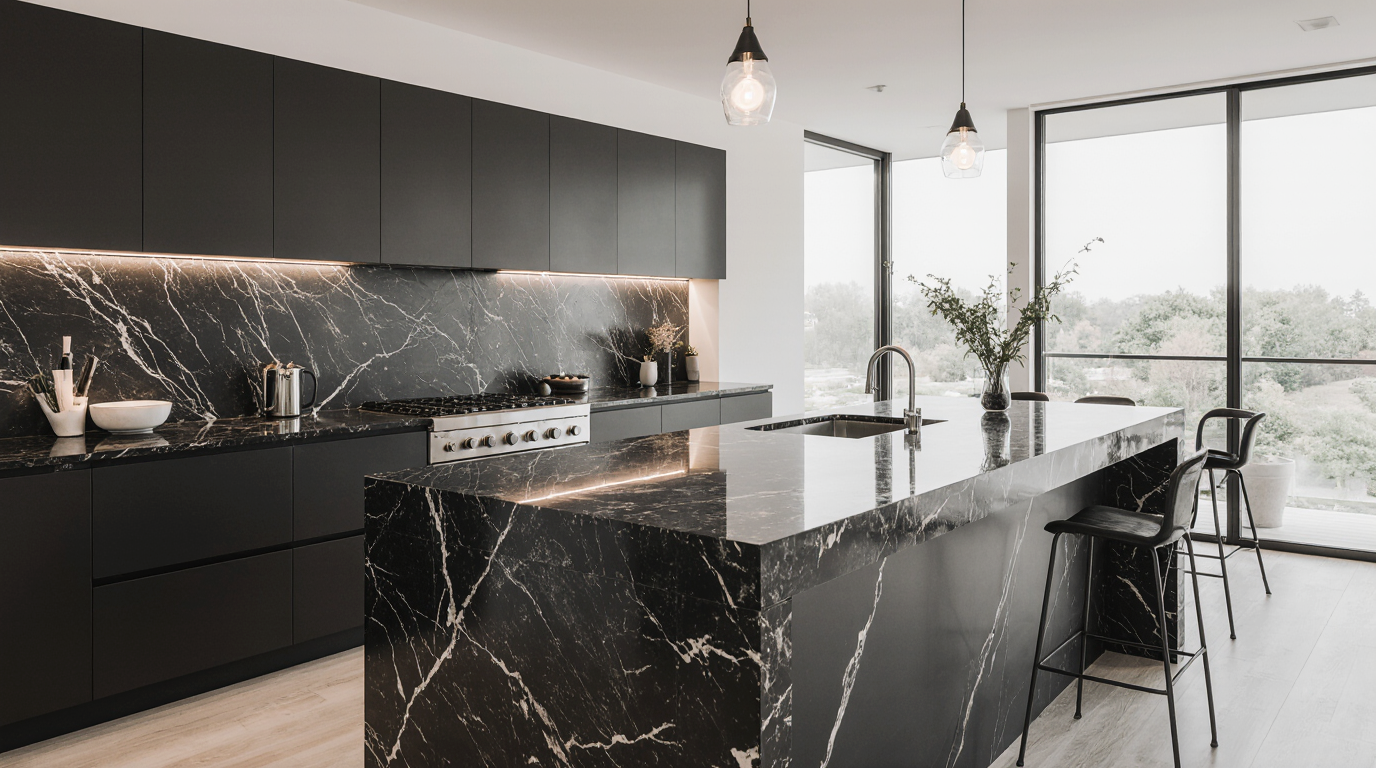
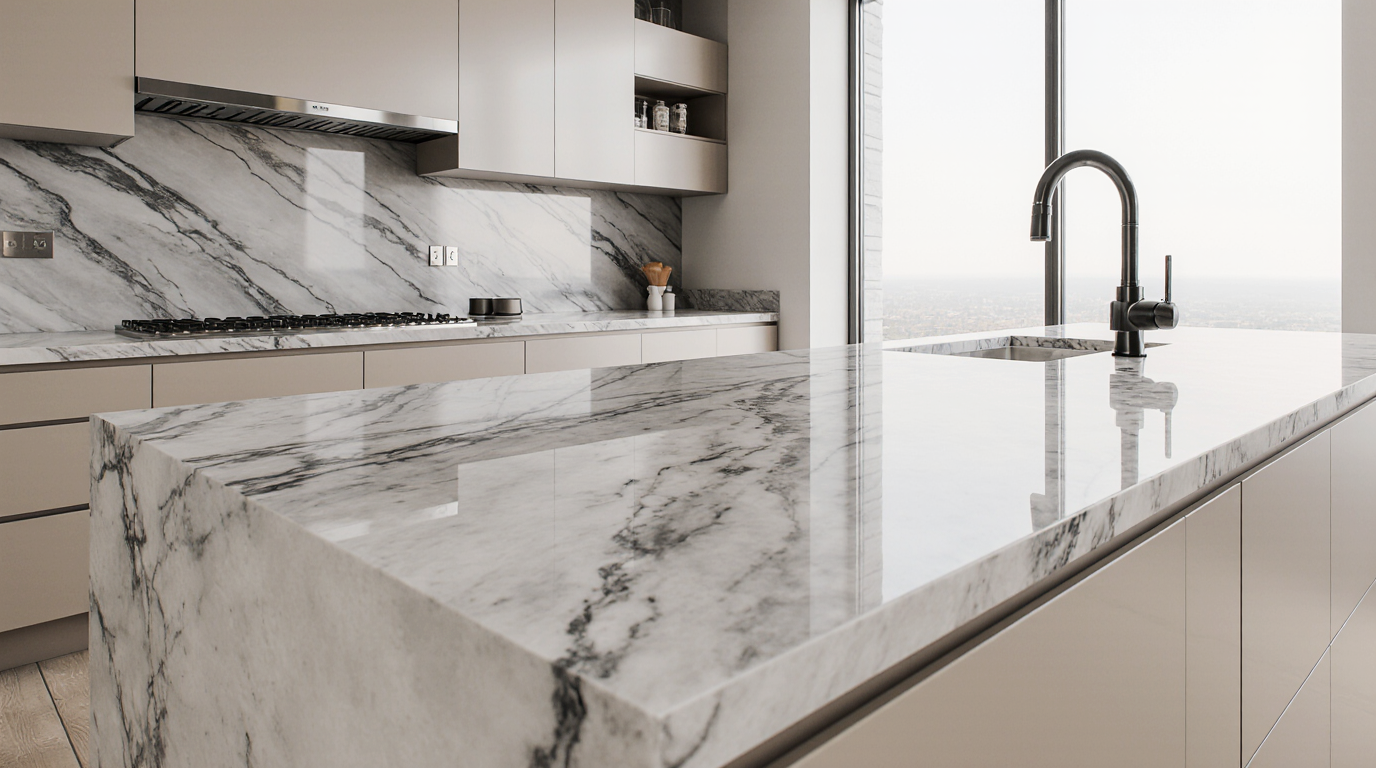
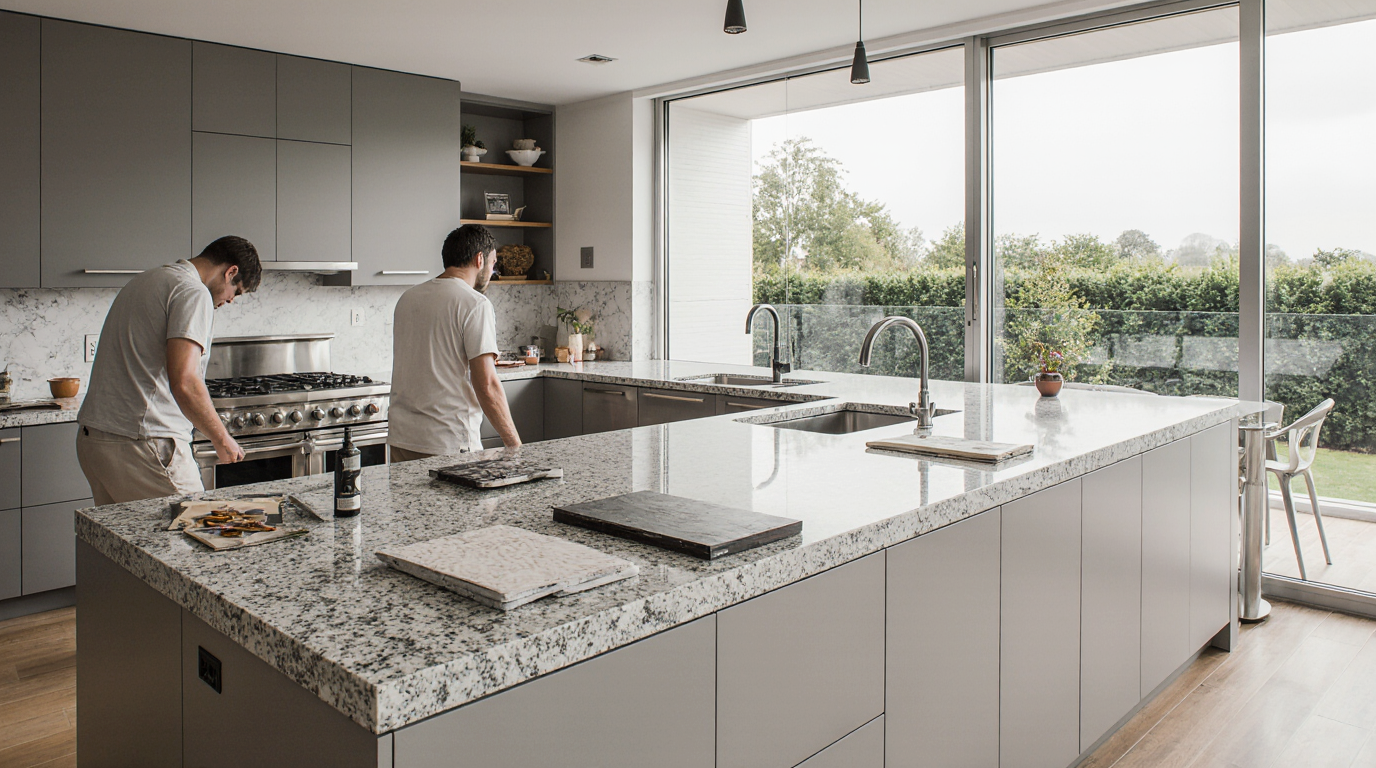
The type of material selected is arguably the most influential factor in total replacement expenses, with granite standing out as a highly favored option due to its elegance, durability, and resistance to heat. Granite pricing varies based on color, rarity, and thickness, with premium slabs commanding higher rates. Engineered quartz provides a blend of practical maintenance and visual uniformity, appealing to modern kitchen designs despite a premium cost. Marble, while luxurious and visually striking, demands regular upkeep, which can escalate lifetime expenses. Materials like Corian or engineered composites provide uniform surfaces and contemporary looks, with pricing highly dependent on brand and custom design features.
Professional installation represents a significant fraction of the total cost, due to skill and precision required. The seemingly simple act of installing countertops actually involves complex procedures best handled by experts. Errors in installation risk functional and visual setbacks, including uneven surfaces, seam gaps, and potential material damage. Experienced installers guarantee properly finished edges, minimal seams, and level surfaces, especially important for heavy materials like granite and marble. Complicated designs, multi-section islands, and embedded features naturally increase labor costs.
Older kitchen conditions may demand additional preparation work, influencing total expenses. Removing old countertops can expose plumbing issues, uneven surfaces, or structural reinforcements necessary before new installation. Older kitchens may require structural adjustments, cabinet upgrades, or design alterations to fit contemporary countertops, thus affecting costs. Considering the longevity of materials is vital; while budget-friendly laminates offer low upfront costs, they wear faster, leading to earlier replacement and higher long-term spending.
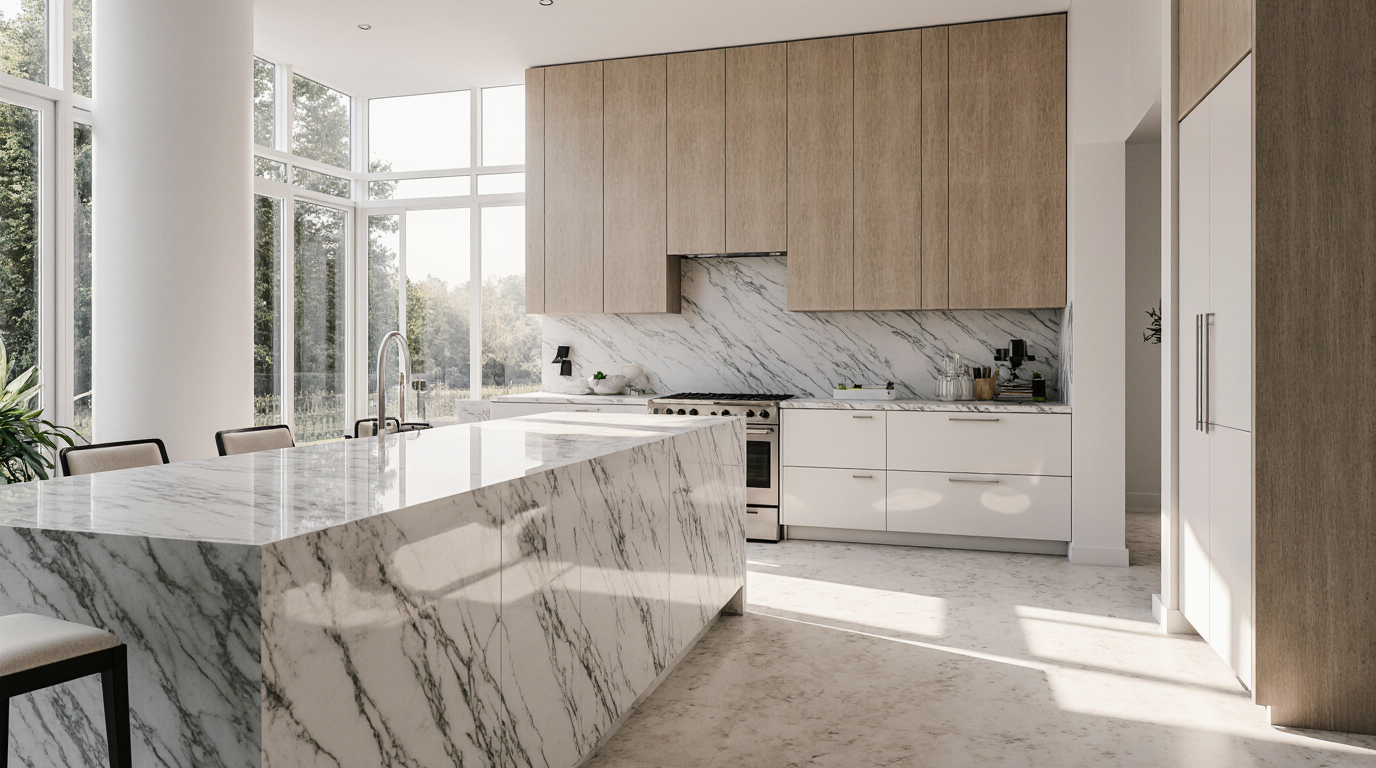
Customization and design complexity have become a major factor for homeowners seeking distinctive kitchen aesthetics. Advanced design elements, including custom edges, seamless inlays, and multi-surface waterfalls, enhance aesthetics while adding to expense. Executing waterfall designs involves meticulous alignment of slabs, careful fabrication, and increased attention to prevent chipping. Custom inlay work or intricate patterning adds significant labor intensity, thus increasing cost. Achieving a harmonious blend of design excellence and cost efficiency is crucial for a successful kitchen upgrade.
The durability and maintenance requirements of chosen materials play a key role in evaluating overall cost. Quartz and granite are highly resistant to scratches, stains, and heat, offering years of reliable performance with minimal maintenance. Marble surfaces, though luxurious, necessitate regular care to maintain appearance, adding subtle long-term costs. Evaluating material longevity helps avoid unexpected costs, ensuring the countertop remains both functional and beautiful over time. Selecting surfaces that suit lifestyle needs—frequent cooking, entertaining, or purely aesthetic presentation—ensures value optimization.
Location and market trends further influence countertop replacement costs. Local market conditions, including material sourcing and labor competition, directly affect the total project budget. Monitoring market trends and supplier deals can provide financial advantages, optimizing project expenditure. Professional kitchen designers can further improve cost efficiency through optimal layout and material selection guidance.
Choosing a reputable contractor is essential for a successful countertop replacement. Experienced contractors provide accurate estimates, guide homeowners through material selection, and guarantee proper installation standards. They may also provide warranties on workmanship, protecting the homeowner’s investment. Attempting self-installation is fraught with hazards, potentially causing material damage and inflated costs.
Ultimately, understanding kitchen countertop replacement costs requires a holistic approach considering materials, labor, design complexity, maintenance, and market influences. Investing in quality materials and professional installation ensures both sophisticated appearance and long-term functionality. Selecting surfaces that harmonize beauty, durability, and cost efficiency maximizes satisfaction. Informed decision-making ensures that new countertops contribute meaningfully to kitchen aesthetics and functionality.
This comprehensive approach empowers homeowners to navigate countertop replacement confidently, ensuring a stylish, durable, and valuable kitchen upgrade that lasts.