Executive Summary: Your Sarasota Countertop Project
From my years managing projects from Palmer Ranch to waterfront homes on Lido Key, a successful countertop remodel here
From my years managing projects from Palmer Ranch to waterfront homes on Lido Key, a successful countertop remodel here hinges on prioritizing material performance over pure aesthetics. The allure of a porous, exotic marble can quickly fade when it etches from a spilled citrus drink and the humid air compromises its sealant. The real win is selecting a surface that looks great in year five, not just on day one. This requires a specific understanding of how different materials behave in a high-humidity, high-UV environment.
- Material Suitability: Engineered quartz and non-porous granites consistently outperform porous stones like marble or travertine in Sarasota's climate due to their resistance to moisture and staining.
- HOA & Condo Board Approval: In communities like Lakewood Ranch or downtown condos, the logistics of material delivery, noise, and dust control often require pre-approval, with timelines ranging from 2 to 4 weeks.
- Fabricator Expertise: A fabricator's experience with marine-grade sealants and adhesives is non-negotiable for installations near saltwater.
- Total Project Cost: The final cost often includes plumbing disconnect/reconnect fees and potentially reinforcing older cabinetry, factors that are frequently overlooked in initial budget planning.
The Planning Failures That Inflate Countertop Costs
The most common budget overruns I see in Sarasota are not from the cost of the slab itself, but from what wasn't planned for underneath it. Homeowners fall in love with a thick, 3cm quartzite slab without realizing their 1980s-era cabinets in a Southgate home lack the structural integrity to support the weight. This discovery, often made after the old tops are removed, triggers costly, unplanned cabinet reinforcement or replacement.
Another frequent misstep is underestimating the scope of related trades. Replacing a countertop is not a simple swap. It involves a plumber to disconnect and reconnect the sink and faucet, and often an electrician for cooktops. Failing to schedule and budget for these professionals from the start leads to delays and surprise invoices, turning a seemingly affordable project into a financial strain.
The Most Expensive Failure: Ignoring the Seams
I worked with a client in a beautiful Siesta Key condo who insisted on a specific marble slab that was just inches too short to cover their island in one piece. The fabricator, eager for the job, assured them the seam would be “nearly invisible.” Within two years, the epoxy in that seam had yellowed from the intense UV exposure through the lanai doors. The high humidity caused microscopic expansion and contraction, making the seam a noticeable dirt-collecting line. The only fix was a complete replacement, a cost that dwarfed the initial savings of using that specific slab.
The Remodel Process in Practice for Sarasota Homeowners
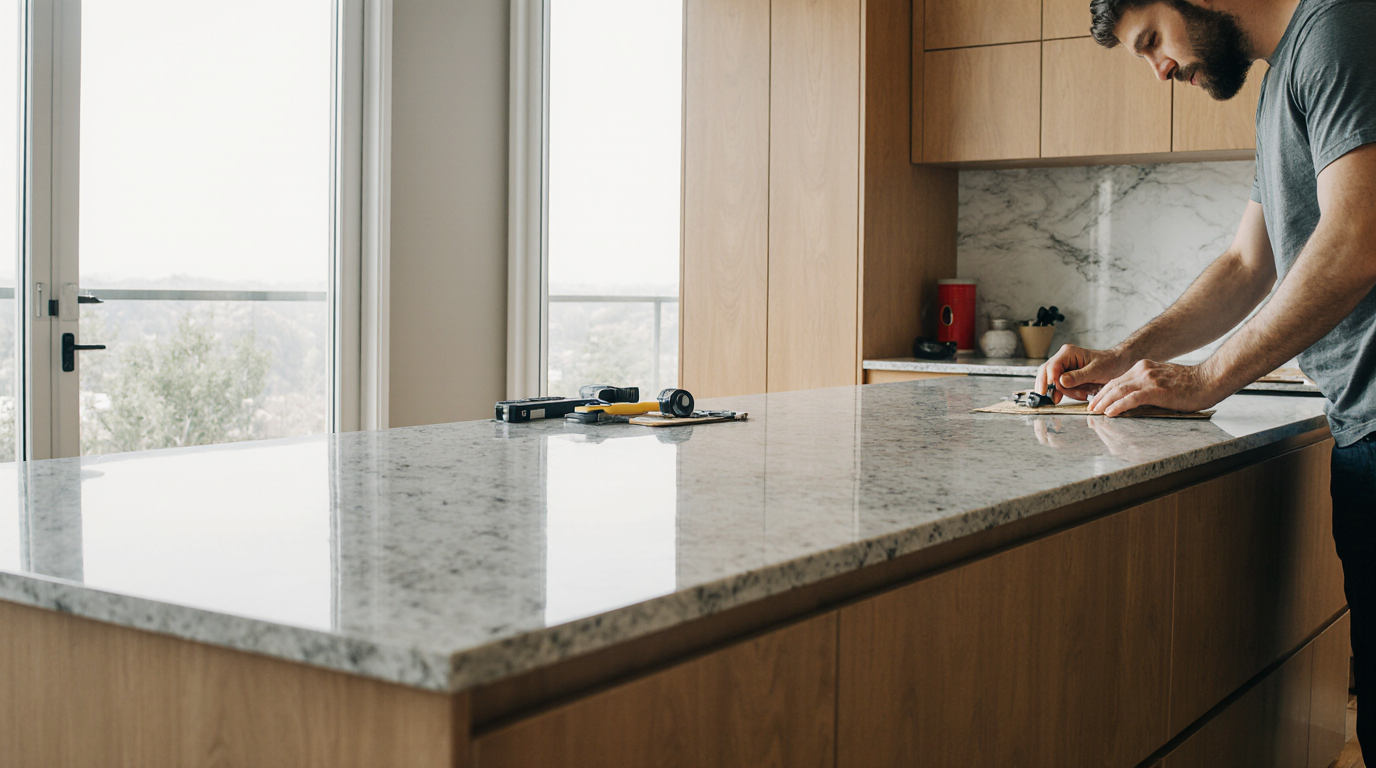
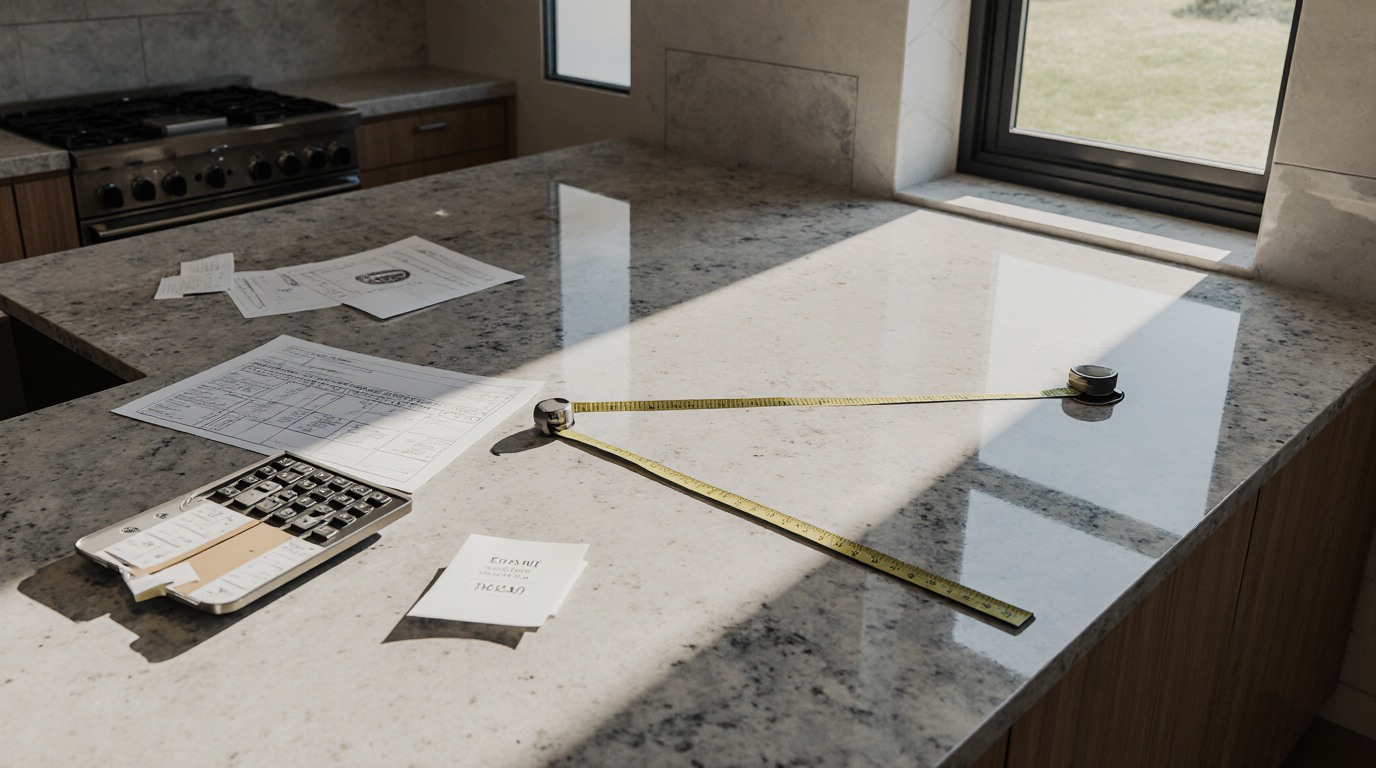
A countertop remodel here is a multi-stage process that begins long before a stone is cut. It starts with a precise digital measurement of your existing cabinets, followed by slab selection at a local supplier like Oracle Surfaces or Granite SRQ. Once you tag your chosen slab, the fabricator creates a template and a detailed layout showing where seams will be placed, which you must approve before any cutting begins.
The fabrication itself takes place off-site. The on-site work typically involves a one-day tear-out of the old countertops, followed by the installation of the new ones. The final step is sealing the stone (if natural) and the plumber returning to hook up your fixtures. The entire timeline from measurement to final installation can range from three to six weeks, heavily dependent on the fabricator's backlog and your material's availability.
Material Selection Criteria for Our Coastal Climate
- UV Resistance: For kitchens with large windows or direct sun exposure, especially in waterfront properties, choose materials where the color is stable. Some quartz resins can yellow over time with direct, prolonged UV exposure.
- Porosity and Sealant Needs: Given our humidity, a low-porosity material like quality engineered quartz is ideal. If you choose granite, ensure the fabricator uses a high-grade, 15-year sealant designed for humid environments.
- Salt Air Resilience: For homes on Longboat or Casey Key, even indoor surfaces are exposed to salt air. This makes materials resistant to pitting and corrosion, like high-density granites and quartz, a far safer bet than softer, more porous stones.
- HOA Compliance: Many Sarasota communities have strict rules about work hours (e.g., no work after 5 PM or on weekends) and debris disposal. Your selection criteria must include a fabricator who is licensed, insured, and willing to comply with these rules.
Comparing Countertop Materials for a Sarasota Kitchen
Choosing a countertop isn't just about color. It's an investment in your home's daily function and long-term value in a demanding climate. Homeowners often get stuck comparing granite and quartz, but other options and factors are critical for making a sound decision in our specific market.
| Material | Upfront Cost (Per Sq. Ft. Installed) | Humidity & Salt Air Resistance | Maintenance Level |
|---|---|---|---|
| Engineered Quartz | $80 - $150+ | Excellent (Non-porous) | Very Low |
| Granite | $70 - $200+ | Good to Excellent (Requires proper sealing) | Low to Medium |
| Marble | $90 - $250+ | Poor to Fair (Porous, etches easily) | High |
When a Full Slab Replacement is Not the Right Choice
A complete countertop replacement is not always the best solution, especially if you are looking for a quick update on a tight budget before selling. If your existing laminate countertops are in good structural shape, professional resurfacing can provide a modern look for a fraction of the cost. I’ve seen this work well for homeowners in older neighborhoods like Gulf Gate, where the goal was a cosmetic refresh to attract buyers, not a full-scale renovation. It’s a trade-off: you sacrifice the durability and prestige of stone for speed and significant cost savings.
A Safe Hiring Checklist for Your Countertop Fabricator
Hiring the right fabricator in Sarasota is more critical than picking the perfect stone. A great stone installed poorly is a failed project. A good fabricator can make a modest stone look spectacular. Your vetting process should be rigorous and focused on local experience.
- Verify their license and insurance with Sarasota County. Ask for a copy of their certificate of insurance and make sure it's current.
- Ask to see projects they completed at least 3-5 years ago in a coastal environment. New installations always look good; the real test is how their work holds up to our climate.
- Confirm they use digital templating technology. This method is far more precise than physical templates and minimizes errors and gaps during installation.
- Review their seam policy. Ask to see examples of their seam work and get in writing how they color-match their epoxy and what their warranty covers for seam separation or discoloration.
- Ensure the contract specifies who is responsible for plumbing. A turnkey quote that includes the cost of a licensed plumber prevents finger-pointing if a leak occurs post-installation.
- Discuss their protocol for working in high-rise condos or HOAs. An experienced local fabricator will already know the rules for buildings downtown or on the keys regarding service elevator use and floor protection.
Decisions That Determine the Outcome of Your Remodel
The success of your countertop project will be determined by a few key decisions made at the very beginning. The first is your choice of sink. An undermount sink requires a more precise cutout and polished rim than a drop-in sink. You must choose your sink model before the countertop is templated, as the cutout is permanent. Changing your mind later is not an option.
Another critical decision is the edge profile. While a complex, ornate edge might look appealing, simpler edges like a pencil or eased edge are less prone to chipping and are easier to clean. In a high-traffic family kitchen, function should often win over intricate form. This small detail has a big impact on the countertop's long-term durability and your daily satisfaction.
The Exact Moment When the Majority Gets It Wrong
The most common mistake I see is homeowners visiting a slab yard and falling in love with a stone under perfect warehouse lighting without taking a sample home. They sign off on the slab, and when it's installed in their kitchen, the color looks completely different under their home's natural and artificial light. The single most important thing you can do is get a physical sample of your chosen slab and view it in your kitchen at different times of the day. This simple step prevents the most heartbreaking and expensive form of buyer's remorse.
Practical Answers About Operations in Sarasota
Navigating the local logistics of a countertop remodel can be complex. Beyond choosing a material, you have to contend with building codes, condo association rules, and the realities of construction in a bustling coastal city. Understanding these operational details is key to a smooth project.
How Do Condo Board Rules Impact My Project?
In most downtown Sarasota and barrier island condo buildings, you can't simply start a remodel. You must submit your contractor's license, insurance, and a scope of work to the building management or HOA for approval. They will dictate work hours (typically 9 AM to 5 PM, weekdays only), require padding in elevators, and specify routes for material transport. This approval process can add 2-4 weeks to your timeline before any work can even begin.
Are There Specific Building Code Requirements?
While a simple countertop replacement doesn't typically require a building permit from Sarasota County, it changes if you alter plumbing or electrical layouts. For example, moving a sink or adding an outlet in your island absolutely requires a permit. Furthermore, in high-velocity hurricane zones (which includes all of the barrier islands), any significant kitchen renovation may trigger requirements to ensure cabinetry and fixtures are anchored to meet Florida Building Code wind-load standards.
What's the Realistic Turnaround Time in Peak Season?
Sarasota's workforce is stretched thin during "season" (roughly October through April). What might be a 3-week turnaround for a countertop in the summer can easily stretch to 6-8 weeks in February. Good fabricators are booked months in advance. If you are a seasonal resident hoping to get a project done, you must book your fabricator and select your material in the fall to have any chance of completion before you head north for the summer.