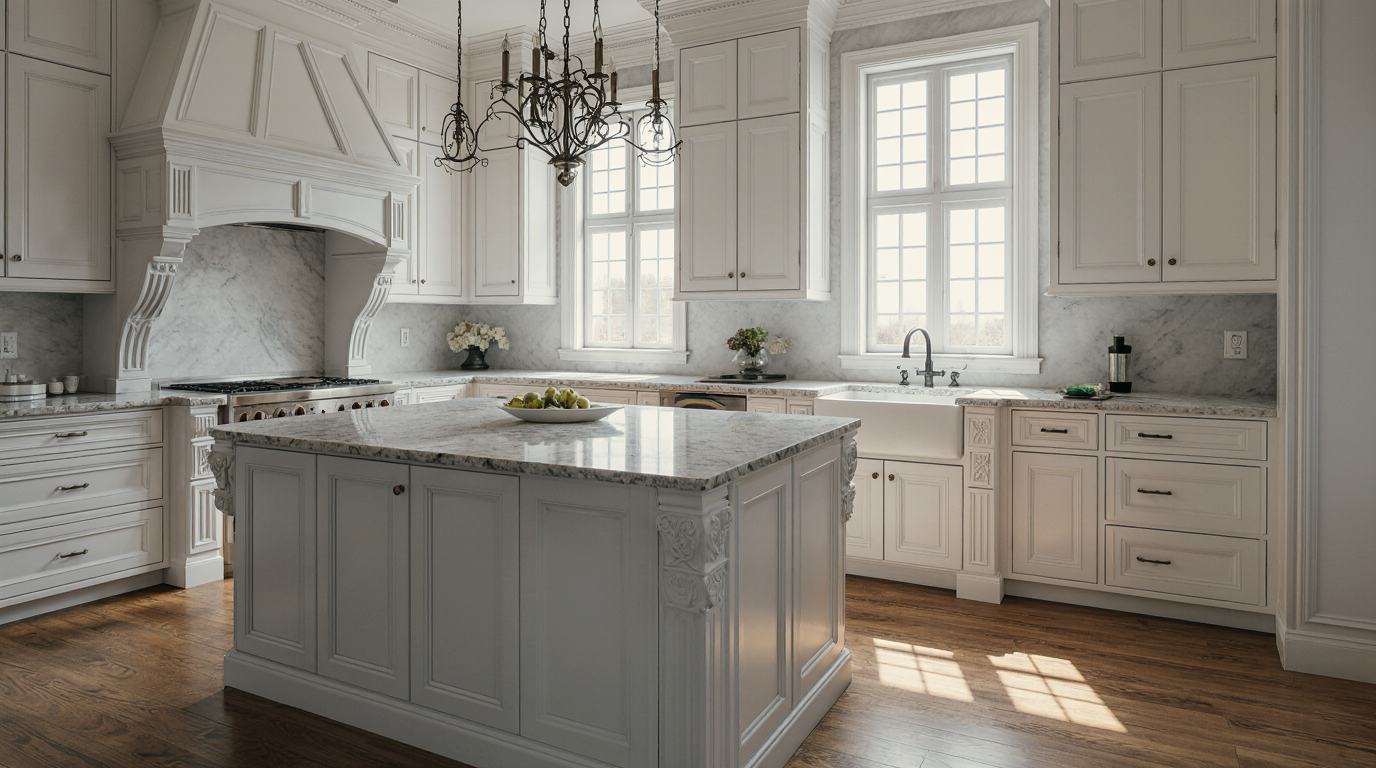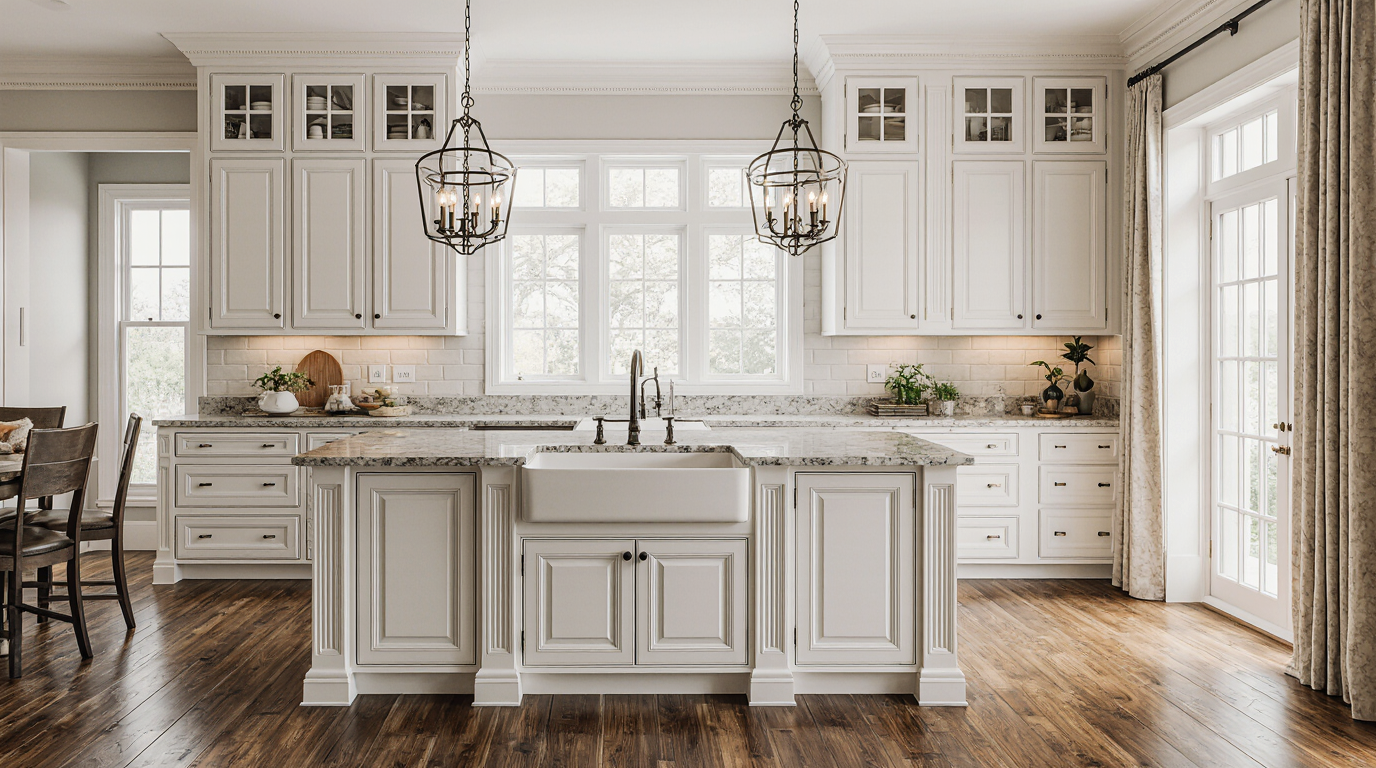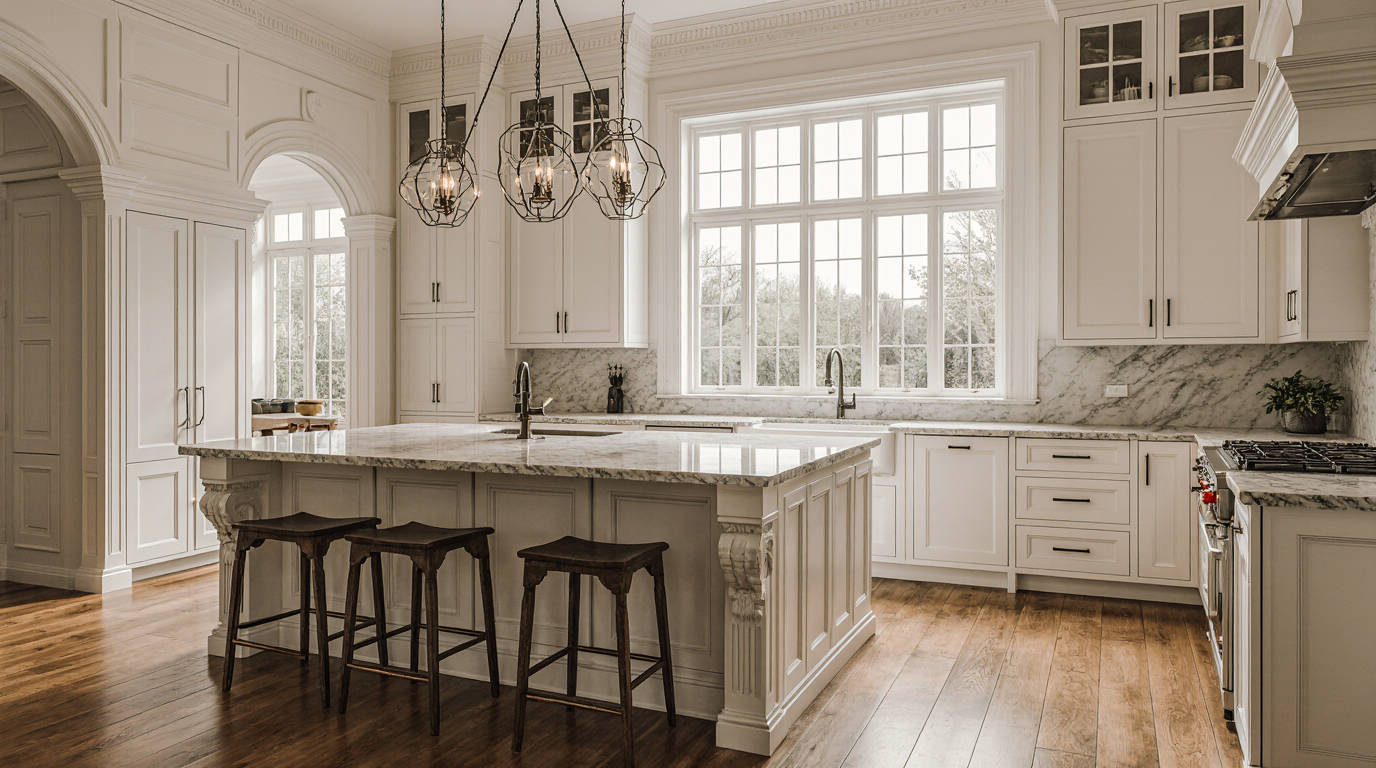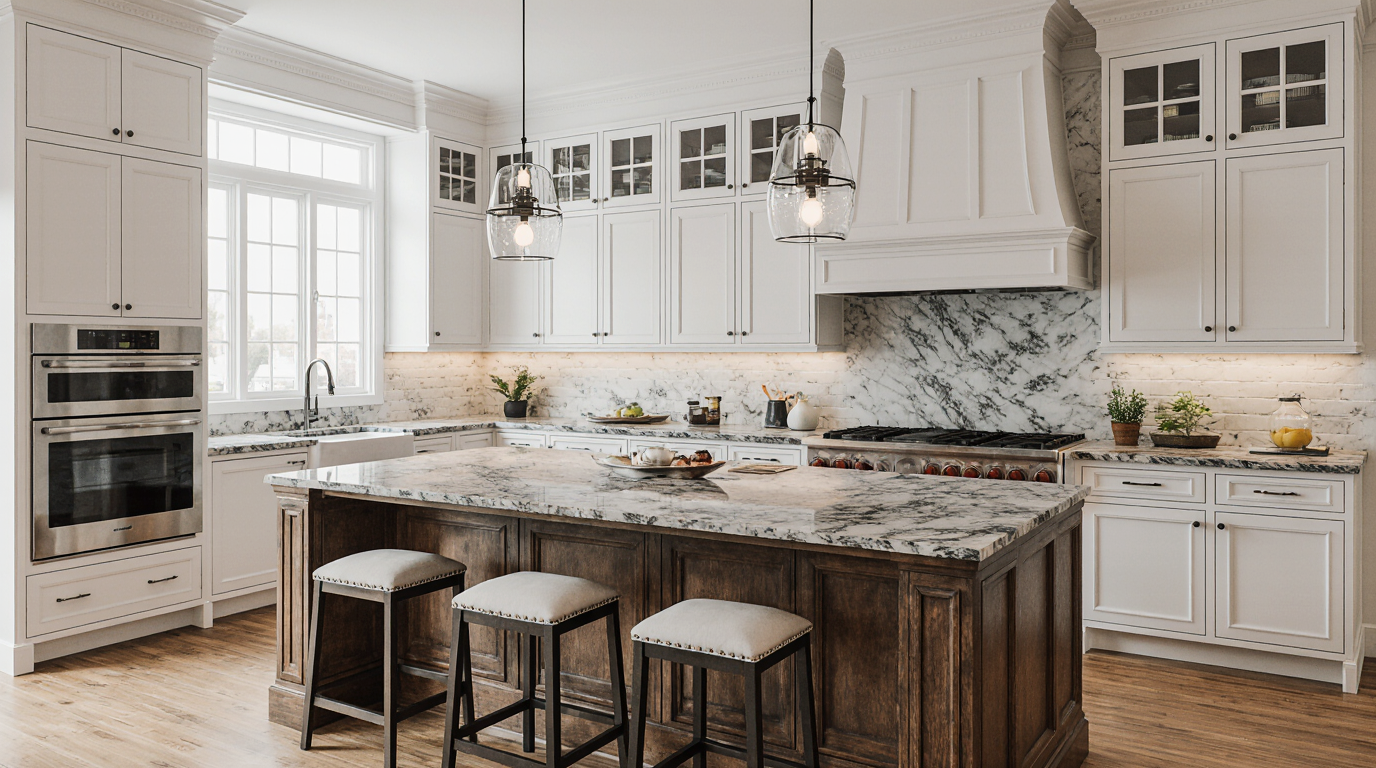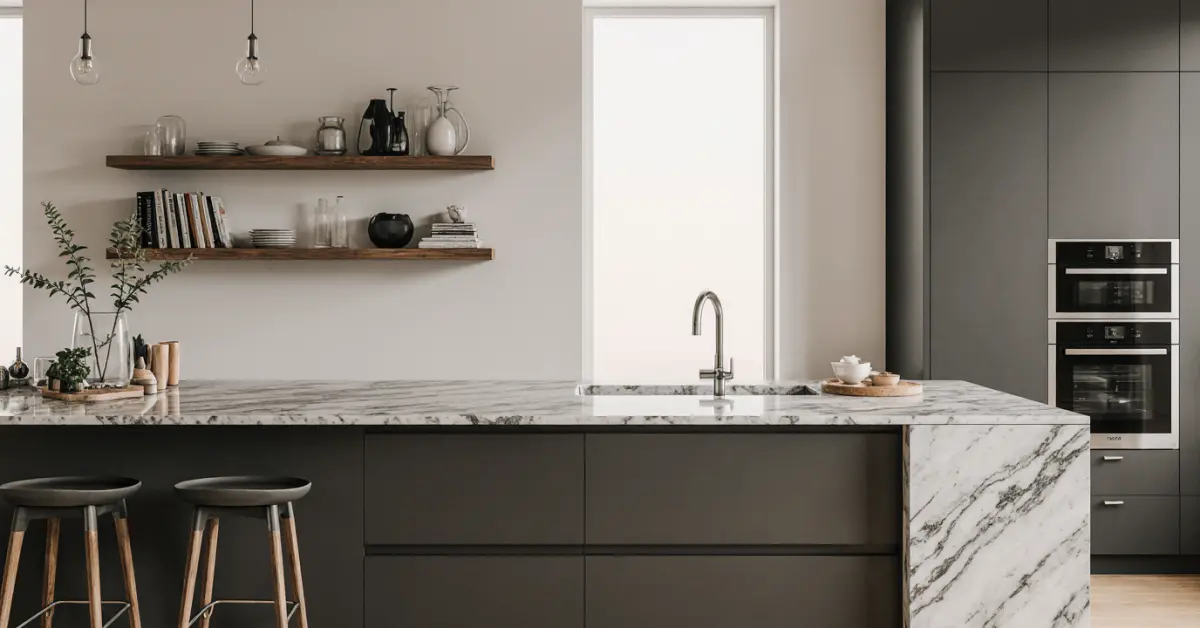
Why do so many kitchen designs in Sarasota look dated within a decade, despite a significant initial investment? It's rarely about choosing the “wrong” color or countertop. The real issue I’ve seen time and again is a fundamental mismatch between the chosen concept and the realities of our Gulf Coast environment and lifestyle. A design that works flawlessly in a dry, northern climate can become a maintenance headache here, with warping doors, corroding hardware, and finishes that don't stand up to the intense UV light and humidity.
The most successful kitchen concepts in this market aren't just about creating an open layout or achieving a timeless look. They are about engineering a space that performs under specific local pressures. This means prioritizing materials that resist moisture, planning for seamless indoor-outdoor entertaining, and selecting finishes that offer longevity against salt and sun, ensuring the kitchen remains the heart of the home, not a source of constant upkeep.
Executive Summary of Sarasota Kitchen Design
From my hands-on experience designing and building kitchens from Longboat Key to The Lake Club, I can tell you that a successful Sarasota kitchen concept is less about trend-chasing and more about climate-conscious engineering. We're not just creating a space to cook; we're building an environment that must actively resist humidity, salt air, and intense sunlight while accommodating a lifestyle centered on entertaining and relaxation. The core mistake is applying generic design principles to a highly specific coastal setting.
- Material Selection is Paramount: MDF and standard particle board have a dramatically shorter lifespan here. The non-negotiable starting point for cabinetry carcasses should be high-quality, domestic plywood, with marine-grade plywood being the standard for any waterfront or barrier island home.
- Hardware Isn't an Accessory, It's a Defense: Standard steel or zinc-plated hardware will show signs of corrosion, sometimes within 18-24 months on waterfront properties. Specifying solid brass or 316-grade stainless steel for all pulls, hinges, and drawer glides is critical.
- Ventilation Dictates Longevity: A beautiful design with inadequate ventilation is a recipe for moisture problems. Properly sized and vented range hoods are not optional; they are essential to managing indoor humidity generated from cooking, which is the primary enemy of cabinetry and finishes in our climate.
- Layout Must Serve the Lifestyle: Whether it's an open kitchen design for a home in Harbor Acres built for entertaining or a simple, efficient layout for a seasonal condo downtown, the flow must reflect how the space is actually used by a Sarasota resident, which often involves guests and a connection to outdoor living areas.
Planning Failures That Inflate Costs and Timelines
The most significant and costly planning failures I see in Sarasota kitchen projects happen long before a single cabinet is ordered. They stem from a misunderstanding of the local context, leading to rework, budget overruns, and long-term dissatisfaction. These are not minor aesthetic regrets; they are structural and financial mistakes born from a one-size-fits-all design approach.
The Most Expensive Failure: Underestimating HOA and Condo Board Reviews
I managed a project for a client in a luxury condo tower on Gulf Stream Avenue. They had a clear vision for a sleek, open kitchen, which involved removing a non-load-bearing wall. The design was finalized, and initial deposits were paid. The failure was assuming the condo association's approval was a mere formality. Their design review board, concerned with plumbing and electrical infrastructure in shared walls, took 75 days to review the plans—more than double our anticipated timeline. This delay pushed our start date directly into the high season, when building rules restricted noisy work to limited hours. The project timeline stretched by nearly three months, and the carrying costs and extended labor fees added over 15% to the total budget. The lesson is brutal: in Sarasota, the approval process is the *first* critical path item, not a box to check later.
The Practical Process for a Sarasota Kitchen Renovation
Executing a kitchen project in Sarasota follows a distinct path shaped by climate, regulation, and lifestyle. The process begins not with aesthetics, but with a technical assessment of the home's specific conditions—its proximity to saltwater, its existing ventilation, and the structural realities of the building. This diagnostic phase dictates the material palette and design constraints from the very start, preventing costly changes later.
Key Selection Criteria for a Local Design Partner
Choosing a designer or builder here requires a different lens. A beautiful portfolio is secondary to proven experience navigating our unique challenges. When vetting a partner, focus on these Sarasota-specific qualifications:
- Verifiable Waterfront Project Experience: Ask to see projects specifically on Siesta Key, Lido Key, or Longboat Key. Inquire about the hardware and core materials used and why. If they can't speak fluently about marine-grade plywood vs. moisture-resistant board, that's a red flag.
- In-House Knowledge of HOA/Condo Board Submittals: A partner who has repeatedly navigated the approval processes for communities like Lakewood Ranch or downtown condos can anticipate requirements and prevent delays. Ask for examples of approval packages they have submitted.
- Relationships with Local, Climate-Aware Subcontractors: Do they work with HVAC technicians who understand the need for properly sized dehumidification and ventilation systems in our climate? Do their electricians understand vapor barrier requirements for coastal construction?
- Familiarity with Florida Building Code (FBC) Wind Load Requirements: Especially for projects involving new windows or exterior doors as part of the kitchen renovation, understanding impact rating and anchoring requirements under the FBC is non-negotiable and directly affects project permits and insurance.
Comparing Design Approaches for the Sarasota Market
Homeowners often weigh a fully custom design against semi-custom or stock options. In the Sarasota context, the decision hinges on longevity and performance as much as on aesthetics and budget. A stock solution from a big-box store might look good initially, but the materials are often ill-suited for our humidity, leading to delamination and swelling over time.
| Feature | Fully Custom Design | Semi-Custom Cabinetry | Stock (Big-Box) Cabinetry |
|---|---|---|---|
| Material Durability (Humidity/Salt) | Excellent: Can specify marine-grade plywood, stainless hardware, and custom, salt-resistant finishes. | Variable: Limited to manufacturer's options. May offer plywood upgrades but rarely true marine-grade. | Poor to Fair: Typically uses MDF or particle board cores highly susceptible to moisture damage. |
| Design Flexibility & Layout | Unlimited: Tailored to exact dimensions and lifestyle needs, ideal for unique spaces or small kitchens. | Good: Standard sizes with modification options for width/depth. Good for traditional kitchen layouts. | Limited: Fixed sizes in 3-inch increments. Often creates need for non-functional filler strips. |
| Long-Term Value & Resale | Highest: A well-executed, climate-appropriate custom kitchen is a major selling point in the Sarasota luxury market. | Good: A recognized brand with quality materials can hold value well. | Lowest: Often requires replacement upon resale, viewed as a liability by discerning buyers. |
When a Simpler Approach Makes More Sense
A full custom design is not always the right answer. For an investment property intended for rental, or for a homeowner planning to sell within 2-3 years, the higher upfront cost of a bespoke kitchen may not provide a sufficient return. In these cases, a high-quality semi-custom line that offers all-plywood construction can be a pragmatic compromise, providing better durability than stock options without the premium of a fully custom build. The key is to still insist on the plywood upgrade—it's the most critical factor for longevity in Florida.
A Safe Hiring Checklist for Your Kitchen Project
Hiring the right team in Sarasota goes beyond checking licenses and insurance. It's about verifying their specific expertise in building for a subtropical, coastal environment. This checklist is designed to uncover that specific competence.
- Verify Florida Contractor's License and Liability Insurance: Check the license status on the Florida Department of Business and Professional Regulation (DBPR) website. Ensure their insurance is current and adequate for your project's value.
- Request a Certificate of Insurance Naming You as an Additional Insured: This is a critical step that provides you with direct protection if an incident occurs on your property.
- Confirm Experience with Sarasota County Permitting: Ask how many kitchen renovation permits they have pulled in Sarasota County in the last year. An experienced contractor will navigate the process smoothly, avoiding delays. A typical permit review for a straightforward kitchen remodel can take 2-4 weeks.
- Ask for a Sample Material Specification Sheet: It should detail not just the wood species and finish, but the cabinet box material (e.g., "3/4-inch domestic plywood"), drawer glide manufacturer and material (e.g., "Blum, stainless steel"), and hinge type. Vague specs are a warning sign.
- Discuss Their Warranty Specifically Regarding Warping and Finish Failure: A confident local professional will have a clear warranty that addresses moisture-related issues. A generic manufacturer's warranty may not cover failures caused by our high humidity.
- Check Their Protocol for Managing Subcontractors in an Occupied Home: This is especially important for seasonal residents not present during the work. What are their rules for dust control, daily cleanup, and site security?
Decisions That Define a Successful Kitchen Outcome
After overseeing dozens of projects here, I've learned that the final quality of a Sarasota kitchen is sealed by a few key decisions made early in the process. These choices separate the projects that delight for decades from those that become sources of regret. They require a mindset shift from pure aesthetics to long-term performance.
The Exact Moment Most Homeowners Get It Wrong
The critical mistake happens at the very beginning: homeowners fall in love with a photo of a kitchen from a magazine or social media—a kitchen likely located in a completely different climate—and they ask to replicate it. They focus on the door style, the color, the countertop. The right approach is to start with the floor plan and the ventilation. Before you pick a single finish, you must finalize the layout that best serves your life and engineer a ventilation system that can handle the humidity. A beautiful design with a flawed layout or poor air exchange is a failed kitchen. Everything else—the timeless design, the cabinets, the counters—must serve that functional foundation, not the other way around.
Practical Answers for Kitchen Projects in Sarasota
Navigating the local bureaucracy and building codes is often the most stressful part of a renovation. Understanding these specific Sarasota bottlenecks ahead of time can save immense frustration and cost.
How Do HOA Design Reviews in Lakewood Ranch Impact Timelines?
In master-planned communities like Lakewood Ranch, the Homeowners Association (HOA) design review committee is a formal gatekeeper. Any exterior modification, including new kitchen windows or exhaust vent locations, requires their approval. Submissions typically require detailed plans, material samples, and color swatches. The critical point is that these committees often meet only once or twice a month. A missed submission deadline or an incomplete application can easily add a 30- to 45-day delay to your project before you can even apply for a county permit.
What Are the Key Florida Building Code Rules for a Kitchen?
The Florida Building Code (FBC) has specific requirements that directly impact kitchen design. For example, any new window or glass door within the kitchen must meet the wind-borne debris standards for our region if you are in a high-velocity hurricane zone (HVHZ), which includes all of the barrier islands. Furthermore, electrical outlets on countertops must be GFCI-protected, and there are specific rules about their spacing. A knowledgeable contractor builds these non-negotiable safety and structural requirements into the initial design, not as an afterthought.
Navigating Permitting with the Sarasota County Building Department
A kitchen renovation that involves moving walls, altering plumbing, or changing electrical layouts requires a permit from Sarasota County. The process involves submitting architectural plans for review. A common bottleneck is an incomplete submission. The county's online portal is efficient, but if the plans lack details on electrical load calculations or plumbing schematics, they will be rejected, starting the review clock over again. An experienced local professional knows exactly what the Sarasota plan reviewers look for, which can shorten the approval time from a month or more to just a couple of weeks.