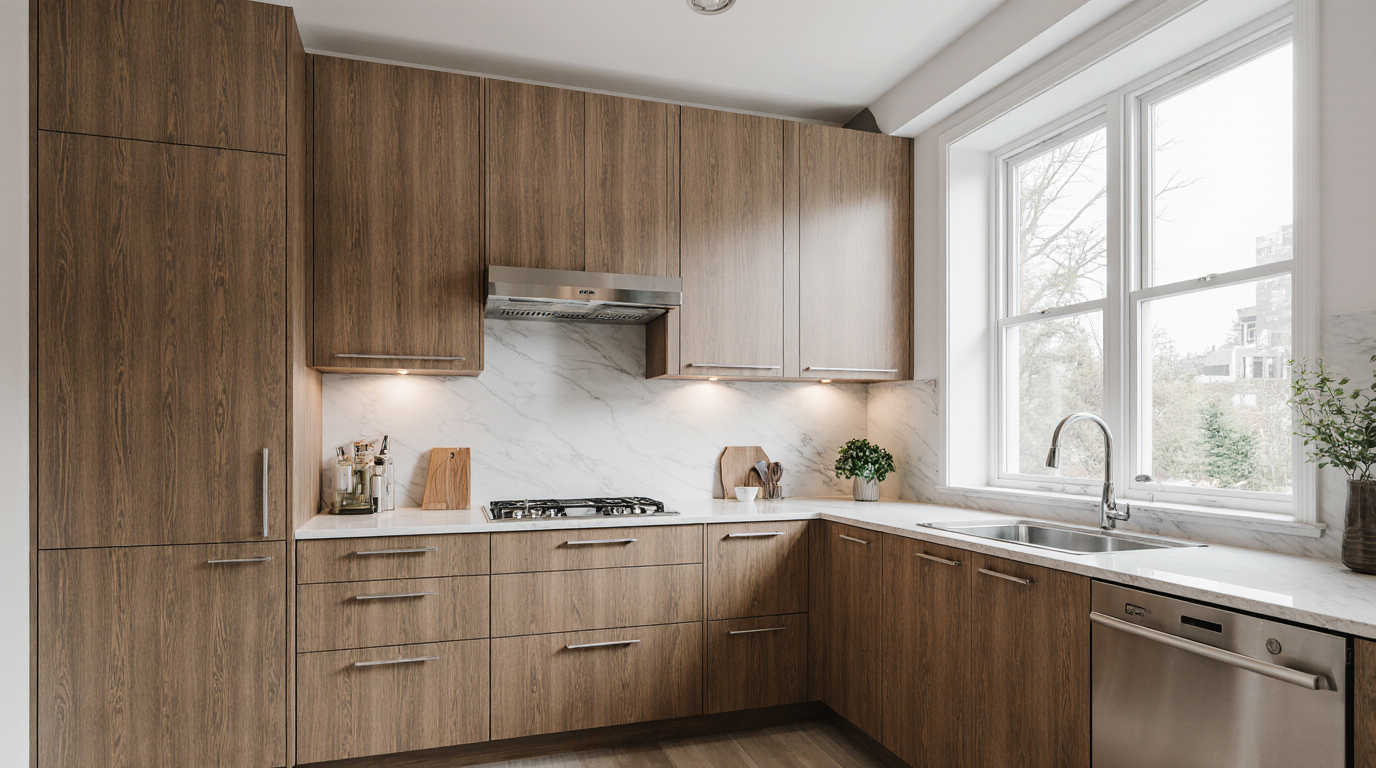
From my 15 years working on kitchen renovations here, the success of a cabinet redo in Sarasota hinges less on the
From my 15 years working on kitchen renovations here, the success of a cabinet redo in Sarasota hinges less on the brand of paint or the style of the door and more on a deep understanding of our coastal climate. The real work is in pre-planning to combat humidity and salt air, factors that I've seen cause catastrophic failures in projects that looked perfect on day one. A redo here is an exercise in material science as much as it is in design.
- Material Selection: The choice between solid wood, marine-grade plywood, and high-density fiberboard is dictated by the home's proximity to the water and its HVAC system's consistency.
- HOA & Condo Boards: Approval timelines, especially in communities on Longboat Key or in downtown condos, can add 30-60 days to a project schedule before any work begins.
- Finish Durability: Standard lacquers can fail. Conversion varnish or catalyzed polyurethane finishes are essential for resisting moisture intrusion and yellowing from UV exposure.
- Hardware Specification: Stainless steel (304 or 316 grade) is not a luxury but a necessity for hinges and pulls to prevent rust and corrosion from the salt-laden air.
The Planning Failures That Inflate Your Final Cost
The most significant budget overruns I see in Sarasota kitchen redos don't come from surprise structural issues. They come from underestimating the impact of our local environment on materials and timelines. A client might select a beautiful, nationally advertised cabinet line without realizing its standard MDF core construction is completely unsuitable for a non-climate-controlled lanai kitchen or a home on Siesta Key that's often aired out.
Another common failure is ignoring ventilation. Boxing in a refrigerator without proper airflow channels or failing to vent a range hood correctly traps warm, moist air. I've seen this lead to delamination and mold growth on brand-new cabinets within two years, forcing a second, unplanned redo. It's a failure of planning, not a failure of the product.
The Most Expensive Mistake: Ignoring Humidity's Impact on Wood Movement
The costliest error is choosing a cabinet style or wood species that is inherently unstable in high-humidity swings. For example, a client insisted on wide, solid maple shaker doors for their Casey Key home. Despite warnings, the aesthetic was paramount. Within one year, the drastic humidity changes between the dry A/C-on season and the humid open-window season caused the solid wood center panels to expand and crack the paint at every single joint. The entire set of doors had to be remade with a more stable engineered center panel, effectively doubling the cost of the cabinet fronts.
The Reality of a Cabinet Redo Process in Sarasota
A cabinet redo is not a single event but a multi-stage process that must be managed with our local context in mind. It begins with a deep assessment of the existing cabinet boxes to determine if they are structurally sound enough for refacing or if a full replacement is necessary. In older waterfront homes, I often find hidden water damage or termite activity behind the toe-kicks, which immediately changes the scope from a simple cosmetic update to a more involved replacement.
Once the scope is defined (refinish, reface, or replace), the next phase is material and finish selection, guided by the home's specific location. The final, critical phase is installation, which must account for things like proper anchoring to meet Florida Building Code requirements, especially in high-velocity hurricane zones which cover all of Sarasota County.
Key Selection Criteria for a Sarasota Contractor
- Demonstrates experience with projects on the barrier islands (Lido, Siesta, Longboat Key) and can explain their specific methods for mitigating salt air corrosion.
- Provides material options like marine-grade plywood and can articulate the pros and cons versus standard particleboard in our climate.
- Has a clear process for navigating HOA or condo association design review boards, including providing the required drawings and material samples.
- Specifies corrosion-resistant hardware (e.g., 316 stainless steel) and moisture-resistant finishes like conversion varnish as their standard, not an upgrade.
Comparing a Full Redo to Other Kitchen Updates
Deciding to redo your cabinets is a significant investment. It's crucial to weigh it against simpler updates, especially for seasonal residents or those planning to sell in the near future. The right choice depends entirely on your goals, budget, and the existing condition of your kitchen.
| Option | Typical Cost Range | Durability in Coastal Climate | Impact on Home Value |
|---|---|---|---|
| Cabinet Painting/Refinishing | $3,000 - $7,000 | Low to Moderate (Highly dependent on prep work and paint quality) | Moderate |
| Cabinet Refacing | $7,000 - $15,000 | Moderate to High (Depends on veneer/door material and adhesive quality) | Moderate to High |
| Full Cabinet Replacement | $15,000 - $50,000+ | High (Allows for best materials and layout changes) | High |
When a Full Replacement Is the Wrong Choice
A complete tear-out and replacement isn't always the best path. If you have a historic home in an area like Gillespie Park, preserving the original, well-built cabinet boxes might be more valuable. For a rental property, the ROI on a full custom replacement is often negative; a professional refinishing or refacing provides the necessary aesthetic lift without the significant capital outlay. The goal is to match the investment to the property's use and value, not to reflexively choose the most extensive option.
Pre-Hire Checklist for a Sarasota Cabinet Project
Hiring the right team in Sarasota requires looking beyond a glossy portfolio. The questions you ask should be specific to the challenges of building and renovating in our unique corner of Florida. A contractor's inability to answer these confidently is a major red flag.
- Verify their State of Florida license (Certified or Registered) and that they carry both General Liability and Worker's Compensation insurance specific to construction.
- Ask for references from at least two recent projects located west of the Trail or on one of the keys, and ask those homeowners specifically about hardware corrosion or finish durability.
- Request a detailed breakdown of the materials proposed, including the core material of the cabinet boxes and doors (e.g., particle board, plywood, HDF) and the brand and type of finish to be used.
- Confirm their familiarity with the Florida Building Code's requirements for cabinet anchoring, especially in multi-story condos with high wind-load ratings.
- If you live in an HOA, ask about their standard procedure for submitting plans for architectural review and the typical timeline they've experienced with your specific community's board.
- Inquire about their warranty and what it specifically covers regarding moisture-related failures like delamination or finish cracking.
Decisions That Define a Successful Renovation
The outcome of your kitchen redo will be determined long before the first cabinet is installed. The most critical decisions revolve around prioritizing long-term performance over short-term savings or trendy aesthetics that are ill-suited for our environment. I have seen countless homeowners regret choosing a cheaper cabinet line with a particle board box to save a few thousand dollars, only to face swollen and crumbling cabinets after a minor plumbing leak or a period of high humidity.
The single most impactful decision is committing to a cabinet box constructed from plywood, ideally with a UV-cured prefinished birch interior. It provides superior structural integrity, screw-holding power, and, most importantly, far greater resistance to moisture. This is the foundation of a kitchen that will endure the Sarasota climate.
The Moment Most Homeowners Get It Wrong
The critical mistake happens during the material selection phase. Homeowners become fixated on the door style and color, treating the cabinet box as an invisible commodity. The conversation is about aesthetics. The conversation should be about the box first. My guidance is always the same: allocate your budget to the best possible cabinet box construction you can afford. You can always reface a high-quality plywood box in 15 years if styles change, but you can never fix a failing particle board box without a full tear-out.
Navigating Practical Operations in Sarasota
Beyond design and materials, a successful cabinet redo involves navigating local regulations and logistical realities. Understanding these processes upfront prevents delays and frustration, ensuring a smoother project from start to finish.
Permitting for Kitchen Remodels in Sarasota County
A common question is whether a permit is needed. If you are not moving any walls, electrical, or plumbing, simply replacing cabinets often does not require a permit from Sarasota County. However, the moment you relocate an outlet for an appliance garage or move a water line for a new sink location, a permit is triggered. This process typically adds 2-4 weeks for plan review and requires licensed tradespeople for the work, which is something a simple cabinet installer may not be.
HOA Design Review in Master-Planned Communities
In communities like Lakewood Ranch or The Founders Club, the HOA's architectural review board has significant authority. A cabinet redo visible from windows might require approval, and any exterior work (like new ventilation) absolutely will. Submittals often require detailed drawings, material samples, and color chips. A contractor unfamiliar with this process can cause significant delays. A standard review cycle can take 30 days, and if the initial submission is incomplete, it can easily stretch to 60 days, stalling your entire project.
Material Acclimation and Installation Protocols
Materials must be acclimated to the home's environment before installation. I insist on delivering cabinets and wood components to a Sarasota job site at least 72 hours before installation begins, allowing them to stabilize in the home's ambient humidity and temperature. Installing wood products immediately after they come off a hot truck is a recipe for joint separation and panel shifting as the material adjusts. This is a non-negotiable step for a quality, long-lasting installation in our climate.