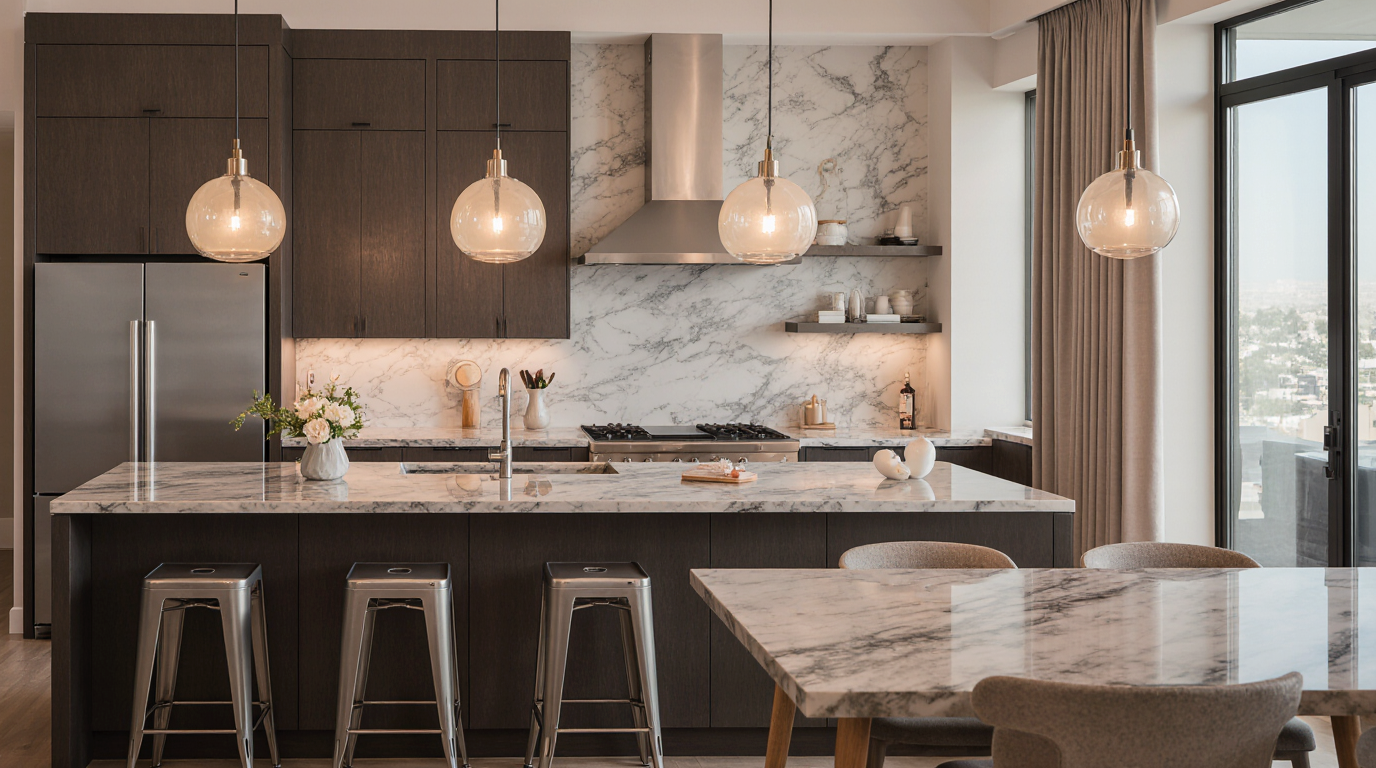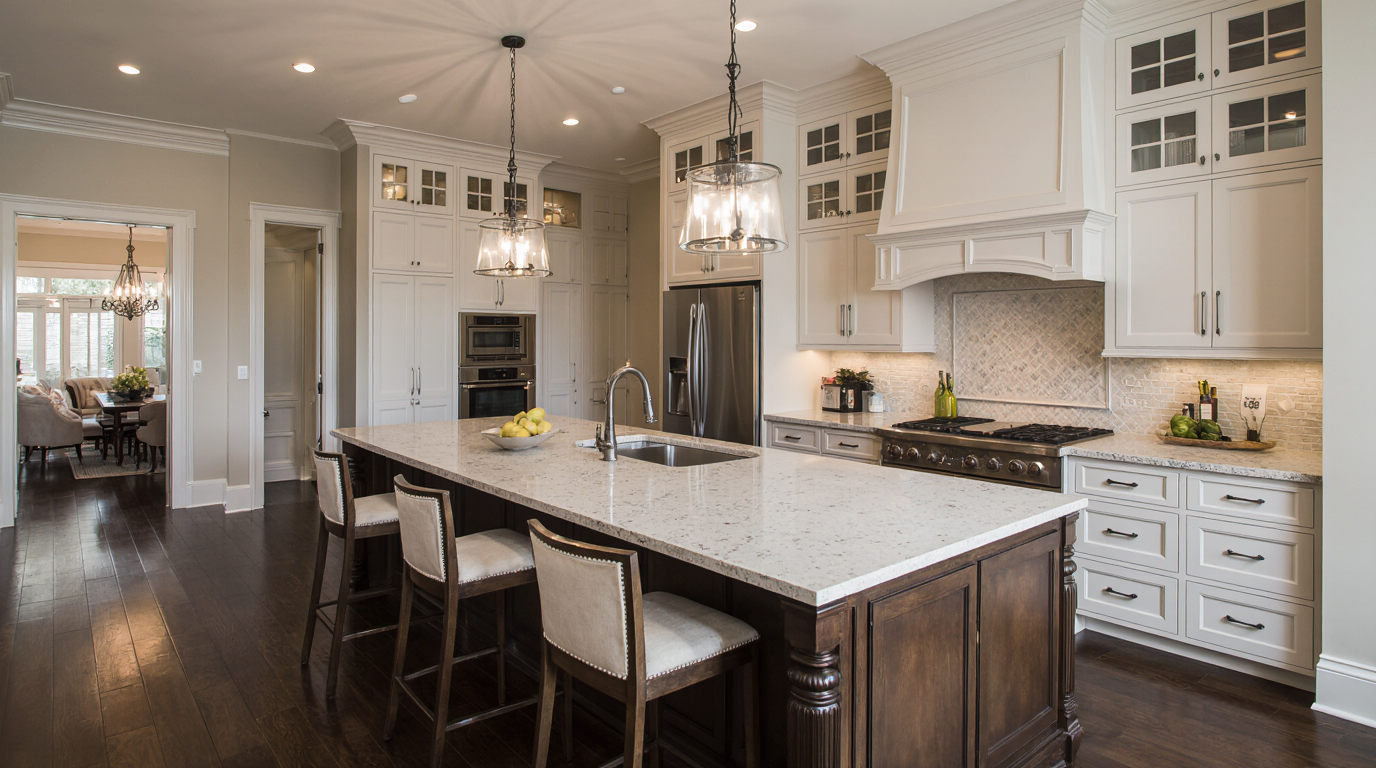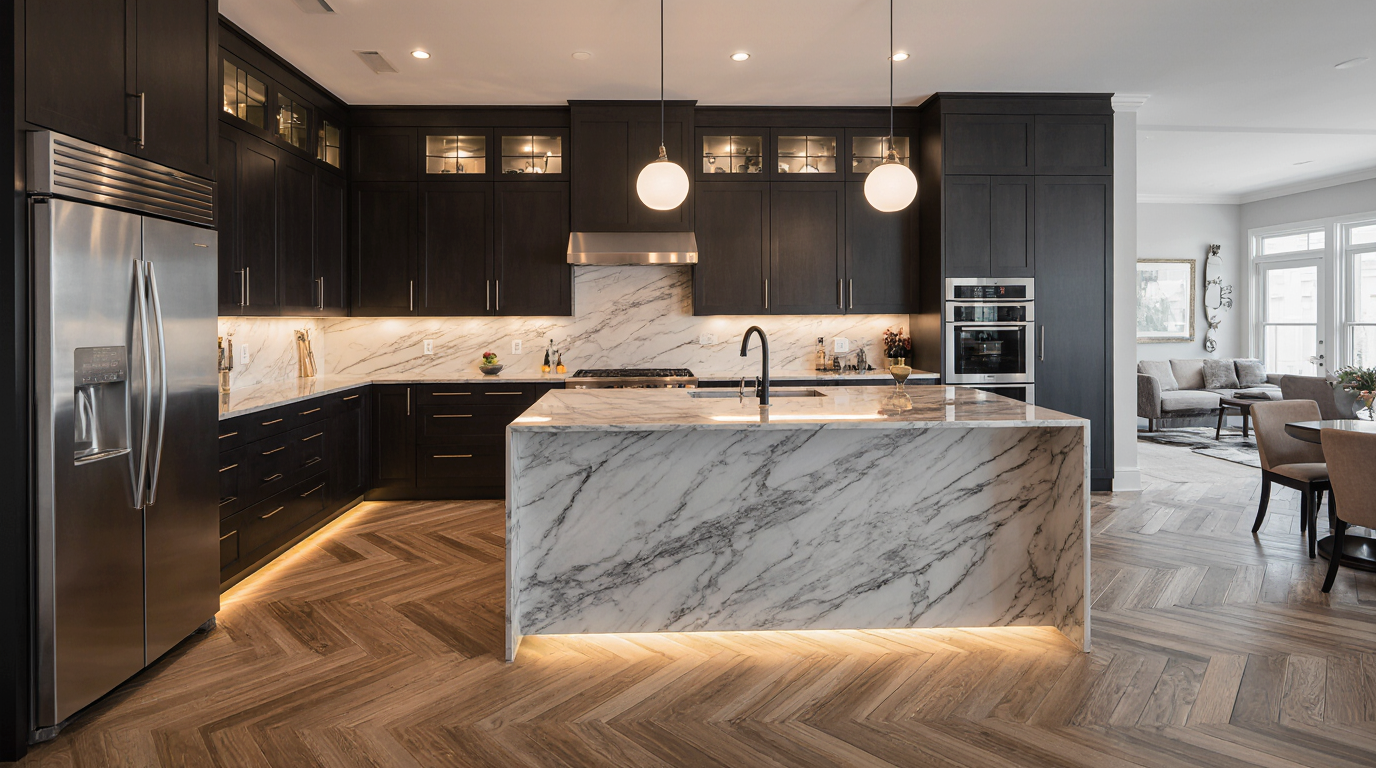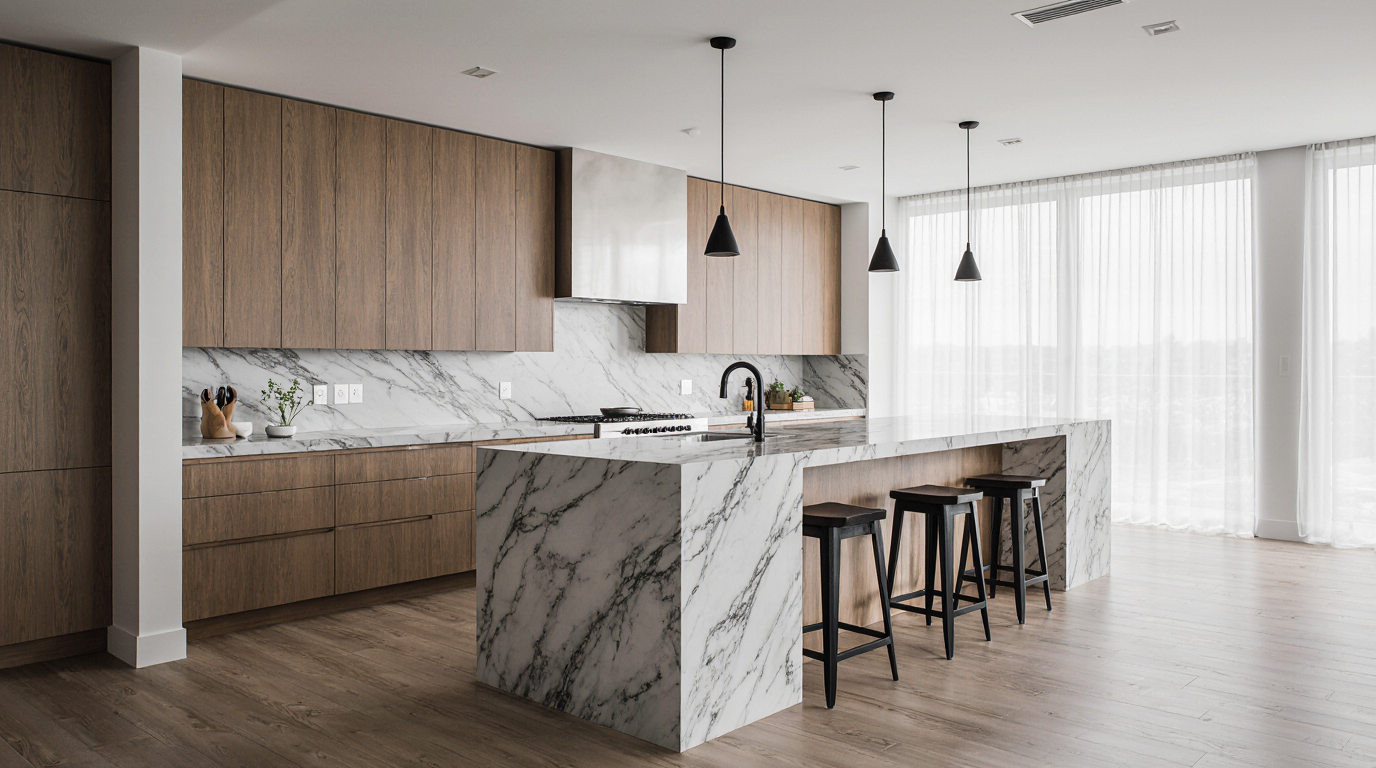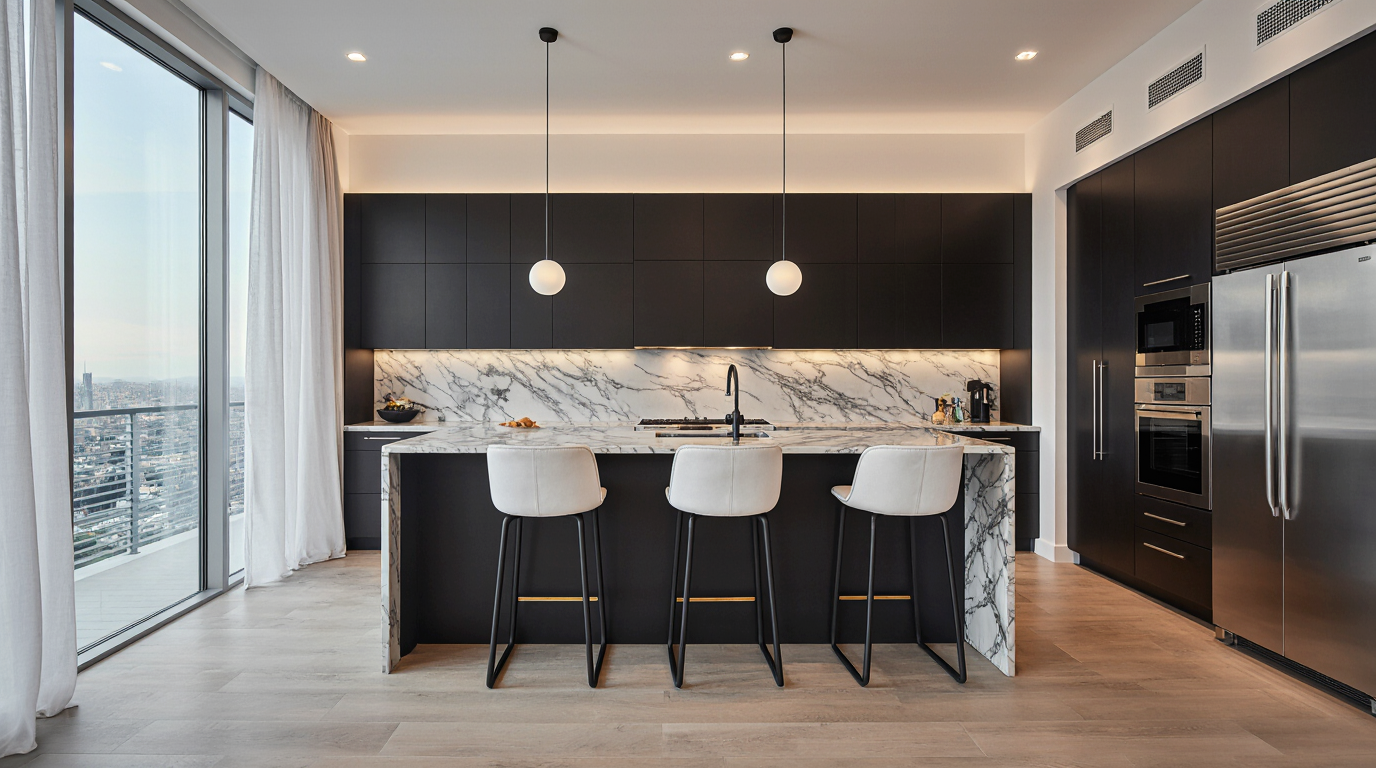
Why do so many high-end kitchen remodels in Sarasota, with six-figure budgets, start showing signs of failure within three years? The issue isn't a lack of investment in premium appliances or custom cabinetry. The critical failure point is almost always a misunderstanding of how our coastal environment wages a silent war on building materials. Homeowners approve designs based on aesthetics seen in magazines, not on the material science required to survive Florida's humidity and salt air.
Executive Summary: The Sarasota High-End Remodel Playbook
From my experience managing these projects from Siesta Key to The Lake Club, a successful high-end kitchen remodel in
From my experience managing these projects from Siesta Key to The Lake Club, a successful high-end kitchen remodel in Sarasota hinges on a climate-first strategy. It's a process where material specification precedes design flair, and logistical planning for humidity and potential storms is non-negotiable. The most durable, beautiful kitchens I've seen are not just assembled; they are engineered specifically for this environment. This means prioritizing performance against moisture, salt, and intense UV light over trends that work well in other parts of the country.
- Material Integrity: The core of every cabinet box must be marine-grade plywood or a high-density, moisture-resistant composite, not standard furniture-grade particleboard.
- Ventilation & Sealing: The project must integrate a robust ventilation plan, including a properly sized and sealed range hood, to manage the intense humidity generated by cooking.
- Hardware Specification: All visible and concealed hardware—from hinges and drawer slides to pulls—must be stainless steel (316 grade for waterfront) or have a certified corrosion-resistant finish.
- HOA & Permitting Strategy: A detailed submission package for the specific HOA (e.g., Lakewood Ranch Design Review Committee) must be prepared before any demolition, as their review can often take 45 to 60 days, impacting timelines significantly.
The Silent Budget Breakers in Sarasota Kitchen Renovations
The most significant unforeseen costs in a Sarasota kitchen remodel don't come from changing a countertop selection. They emerge from discovering what lies behind the walls. Our coastal building practices, especially in older homes, often hide moisture intrusion, outdated electrical that doesn't meet current Florida Building Code, or plumbing that needs to be re-routed to accommodate modern appliance layouts. These are the issues that can stall a project and inflate a budget overnight.
The Most Expensive Oversight: Ignoring Humidity's Impact on Cabinetry
I managed a project in a beautiful bayfront home on Longboat Key where the client insisted on a specific type of solid wood, inset cabinet door they had seen in a New England design magazine. Despite warnings, the focus was on the look. Within two years, the seasonal humidity changes caused the doors to swell and bind. They simply would not close properly during the summer months. The fix required removing all doors and fronts, having them re-milled, and refinished—a costly and disruptive process that could have been avoided by choosing a more dimensionally stable material or construction method from the start.
The High-End Remodel Process in Practice
A true high-end remodel is a managed process, not just a construction project. It begins with a deep discovery phase to understand not just your aesthetic but your lifestyle, followed by meticulous planning that front-loads all material and finish selections. Once a design is locked, we move into permitting with Sarasota County, which involves structural, electrical, and plumbing plans. Only then does demolition begin. The process is intentionally sequential to prevent the costly on-the-fly changes that plague less-organized projects.
Key Selection Criteria for a Sarasota-Based Team
Choosing a contractor or design-build firm in this market requires a specific lens. A beautiful portfolio is table stakes; you need a team that understands the unique technical challenges of building on the Gulf Coast.
- Verifiable Waterfront Experience: Ask for addresses of projects completed on barrier islands like Lido Key or Casey Key. This demonstrates experience with salt air, corrosive environments, and coastal construction codes.
- In-House Humidity Management Plan: They should be able to explain their process for dehumidifying the workspace during construction, especially during the humid summer months, to prevent moisture from being trapped in new drywall and cabinetry.
- Deep Relationships with Local HOAs: A team familiar with the processes of specific communities like The Concession or The Founders Club can navigate the design review board approvals far more efficiently.
- Transparent Material Sourcing: They must be able to provide documentation for materials like marine-grade plywood or specify the exact grade of stainless steel (304 vs. 316) for hardware and fixtures.
Comparing High-End Remodels to Other Options
A full, high-end remodel is a significant undertaking. It is crucial to understand its value proposition against more limited interventions. For many, a more moderate kitchen redo on a budget might be more appropriate, while for others, only a complete overhaul will achieve their goals. The average cost to redo a kitchen can vary wildly, but the investment in a high-end project is justified by longevity and performance in our demanding climate.
| Indicator | Full High-End Remodel | Cosmetic Update (Refacing/Counters) | "Pull and Replace" Remodel |
|---|---|---|---|
| Longevity in Coastal Climate | 20+ years (with climate-specific materials) | 5-8 years (underlying structures remain vulnerable) | 10-15 years (quality depends on stock cabinet grade) |
| HOA Approval Complexity | High (requires full plan submission) | Low to None (often no review needed) | Moderate (if layout is unchanged) |
| Return on Investment | Highest (adds significant value and market appeal) | Low (seen as a temporary fix by discerning buyers) | Moderate (improves appeal but lacks custom feel) |
| Typical Timeline | 4-9 months (including design and permitting) | 2-4 weeks | 6-12 weeks |
When a Full Gut Remodel Is the Wrong Choice
A full, high-end remodel is not the right path if your timeline is inflexible or if you are not the long-term owner of the property. For a seasonal resident who needs a functional, modern kitchen remodel completed between May and October, the potential for permitting delays or unforeseen structural issues can be a dealbreaker. In these cases, a high-quality "pull and replace" using premium semi-custom cabinets might be a more pragmatic, time-conscious solution.
A Vetting Checklist for Your Sarasota Project
Hiring the right team is the single most important decision you will make. This checklist goes beyond checking for a license and insurance; it probes for genuine local expertise.
- Verify their Florida Certified General Contractor license is active and free of complaints on the DBPR portal.
- Request a copy of their liability and workers' compensation insurance, ensuring coverage is at least $1 million.
- Ask for their specific protocol for protecting the rest of the home from construction dust and debris, especially the HVAC system.
- Inquire about their supplier for marine-grade plywood and ask how they ensure its authenticity versus standard exterior-grade sheets.
- Discuss their plan for securing the job site and materials during a tropical storm or hurricane watch, a real possibility from June through November.
- Review a sample project schedule. It should include explicit buffers for permit review and HOA approvals, not just construction phases.
- Confirm they will pull all necessary permits with Sarasota County themselves; asking a homeowner to pull a permit is a major red flag.
Decisions That Define a Successful Outcome
The success of a high-end project is determined long before the first hammer swings. It's defined by a series of critical early decisions that prioritize durability and function. I have seen that clients who achieve the best long-term results are those who become educated on our local conditions and empower their design-build team to make technical recommendations, even when it means adjusting an initial aesthetic vision.
The Moment Most Homeowners Get It Wrong
The most common mistake happens during the material selection phase. Homeowners fall in love with a specific look online or in a showroom and become emotionally invested in it. The correct approach is to define the performance requirements first, and then find the aesthetic you love within that pre-qualified group of materials. For instance, instead of saying "I want this specific white oak cabinet," you should say, "I want a light wood cabinet that is warrantied to be dimensionally stable in Sarasota's humidity." This shifts the conversation from subjective wants to objective needs and lets your team guide you to a beautiful and durable solution.
Navigating Sarasota's Remodeling Landscape
Executing a project here involves interacting with specific local regulations and entities. Understanding these operational hurdles is key to a smooth process and realistic kitchen redesign cost calculations.
Handling the Sarasota County Permitting Process
Any full kitchen remodel involving changes to plumbing, electrical, or walls requires a permit from the Sarasota County Planning and Development Services. The initial plan review can take anywhere from 4 to 8 weeks. A common bottleneck is an incomplete submission. A professional team will prepare a full drawing set, including MEP (Mechanical, Electrical, Plumbing) plans, to ensure the application is accepted on the first try, avoiding weeks of back-and-forth.
Meeting Florida Building Code for Coastal Areas
If your remodel includes new windows or exterior doors, they must meet the wind-borne debris and impact resistance standards of the Florida Building Code for our region. This is not just a suggestion; it is a structural and safety requirement that will be inspected. This can affect the kitchen layout, especially for waterfront homes where large windows are a key feature. The cost of impact-rated windows can be 50-75% higher than non-rated versions, a significant budget factor.
Mastering the HOA Design Review Board Submission
For homes in communities like Lakewood Ranch, The Founders Club, or on Longboat Key, the HOA's Design Review Board (DRB) holds significant power. Their review goes beyond paint colors; they may have rules on everything from exterior vent placement to the type of window treatments visible from the street. Submitting an incomplete package can result in a denial, forcing a redesign and delaying the project by months. A successful submission includes not just drawings, but material samples, color swatches, and a detailed scope of work that preemptively answers the questions the DRB is likely to ask.