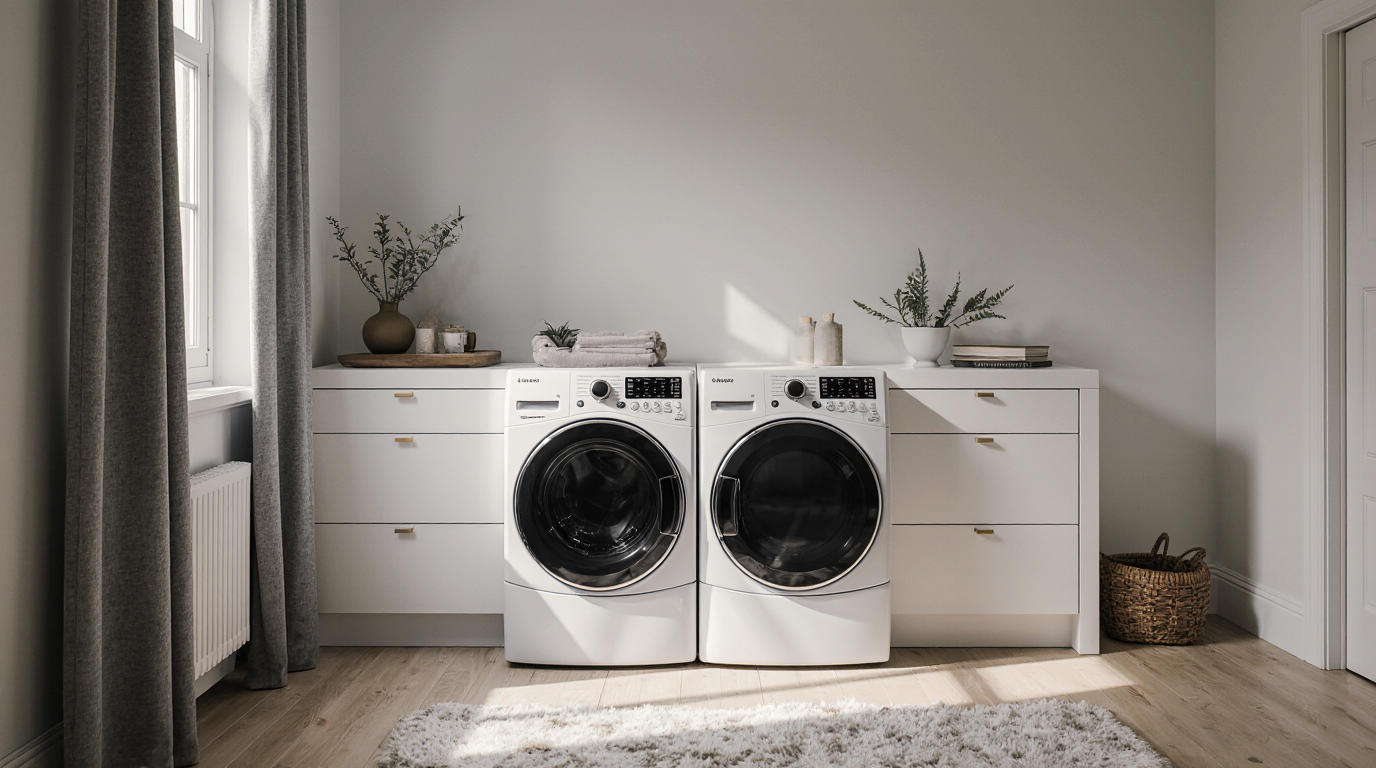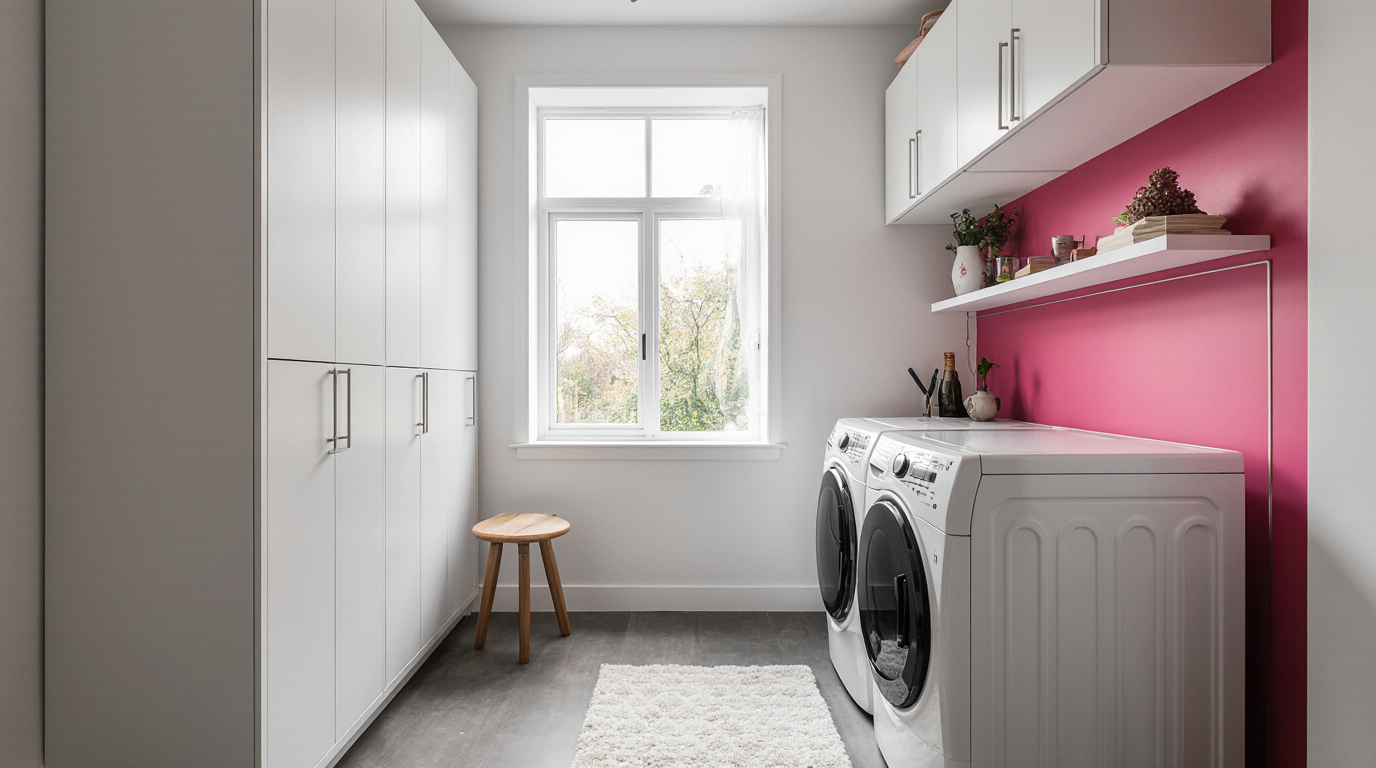
The contemporary laundry space is undergoing a remarkable transformation, shifting from a utilitarian neglected corner into a carefully crafted, dual-purpose hub of household productivity and relaxation. We've moved past the era when this space was shoved into a dark, unpleasant corner of the basement. Modern aesthetics integrate design ingenuity and ergonomic principles to establish an ambiance where even the most repetitive tasks feel effortless. To realize this vision calls for a focus on bespoke cabinetry, smart technology integration, and a dedication to responsible choices.
A key component of high-end laundry design revolves around streamlined movement. This is not merely about appliance placement; it is about the complete process of a garment, from dirty clothes basket to folded perfection. Ergonomics plays a critical role here. A design flaw to avoid is the standard height of traditional benchtops. In modern plans, we advocate for counters set at a personalized waist level, often near 36 inches or even 1000 millimeters for higher comfort, significantly mitigating musculoskeletal strain caused by prolonged bending over folding surfaces. Furthermore, washer-dryer units should be lifted onto designer risers, lifting the drum opening to a convenient reach, preventing the repeated, taxing crouch. The thoughtful positioning of appliances should also ensure an clear route—if implementing a two-wall plan, ensure doors swing outside the main work triangle to prevent obstruction and accidental bumps during load transfer.
Clever storage solutions separate the experience between mess and order in a optimized laundry. Flexible shelving units are a rising trend for their customization, allowing homeowners to adjust shelving as needs change. We highly recommend the use of pull-out hampers or built-in divider units right below the countertop or on either side of the machines. These systems, often including distinct compartments for pre-sorted loads, streamline the initial organization and banish the visual clutter of overflowing plastic bins. Upward space management is crucial strategy in maximizing smaller footprints. Utilizing the space between the overhead cupboards and the ceiling with a top tier of closed storage keeps infrequently used supplies like backup products out of sight. For frequently accessed items—washing products—natural wood supports keep things handy while enhancing the room's cozy feel, often in natural timber finishes to pair well with contemporary palettes. For items requiring a quick line, look into using a retractable drying rack that folds flush against the wall or ceiling when not in use, avoiding the intrusion of a clunky, fixed rack.
The choice of high-quality fittings and fixtures lifts the room from basic to bespoke. Look past standard chrome. The introduction of brass, brushed nickel, or even matte black on cabinetry and faucets lends a refined, accent piece effect. Deep utility troughs, perhaps executed in durable materials like high-grade solid surface rather than standard ceramic, give generous capacity for pre-soaking or hand-washing without spraying over the surrounding surfaces. When considering the utility sink, verify it is adequately deep but without forcing it forces users into excessive forward flexion to reach the bottom—often a vessel-style sink is more comfortable to a fully undermounted basin.
Illumination planning is an feature that is paramount but crucial for both working visibility and the room's mood. A lone ceiling light is not enough. A well-lit laundry uses multiple light sources: ambient light from recessed ceiling fixtures, focused illumination installed directly underneath wall cabinets to eliminate shadows without shadow, and where appropriate decorative sconce lighting to enhance the room's aesthetic appeal. The light quality is crucial; choosing a neutral to slightly warm white light (a balanced tone) allows that clothing colors are perceived accurately.
The current color trends highlight serene, nature-inspired tones that promote calm. Calm aquas, earthy moss tones, and warm natural colors are taking the place of stark white or clinical gray. These colors work exceptionally well when paired with the natural texture of hardwood flooring, a material choice that adds significant personality and warmth, though moisture protection is critical for humidity control. A statement wall covering, featuring a detailed design or a vibrant pattern, acts as the centerpiece, creating a design moment in an utilitarian environment.
For true smart integration, consider more than the appliances themselves. A great option is Wi-Fi-enabled ventilation systems that respond to humidity spikes, proactively managing mold and mildew are prevented from forming. The appliances need to have advanced textile recognition capabilities that auto-adjust water levels and cycle times, promoting resource efficiency in utility usage—a nod to sustainable living within the home.
The best-in-class designs merge utility with lifestyle. The laundry-mudroom hybrid is a top choice, particularly for spacious houses or where functional overlap is beneficial. This requires dedicated zones: a drop zone for outerwear, robust waterproof flooring, strong pegs for coats and bags, and integrated storage for household chemicals and animal accessories. Even in a dedicated laundry space, incorporating a small, well-lit desk or a craft workspace permits multiple uses, making the most of every square foot. The final touch involves personalization: placing a unique sculpture, a small decorative mat, or bringing in resilient indoor plants, such as a Pothos or Peace Lily, shifts the room's vibe entirely from a chore zone to a personalized retreat. This all-encompassing philosophy makes certain the laundry room is a place of both utility and beauty.