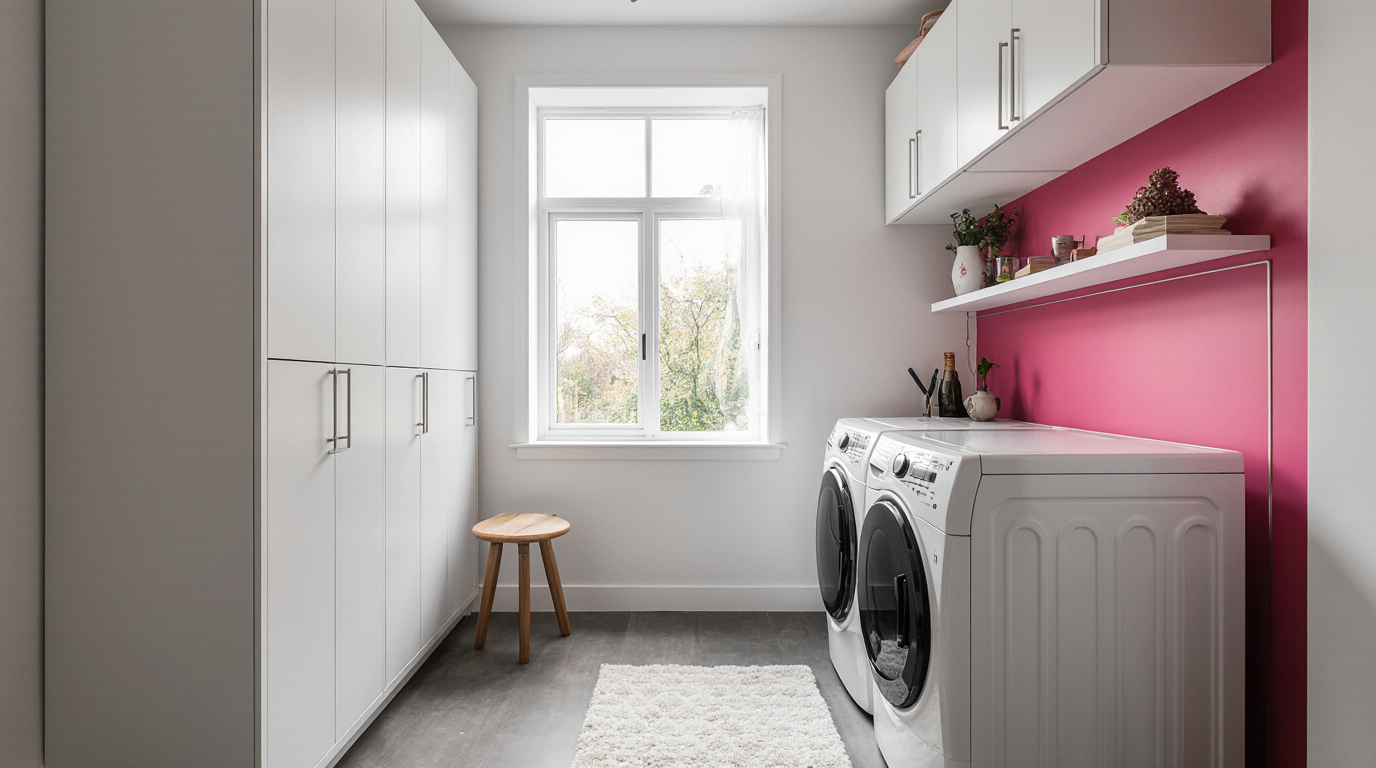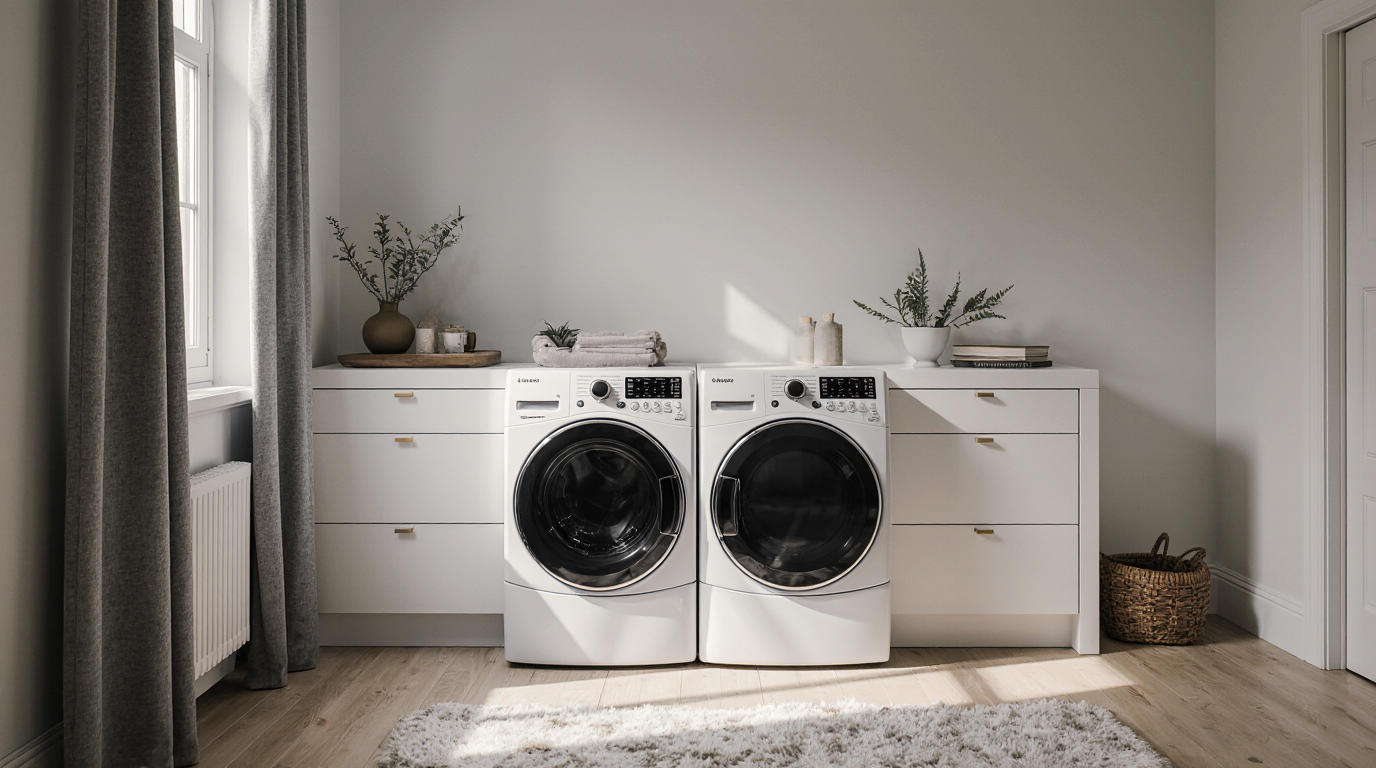
The contemporary laundry room has become much more than a mere chore spot; it is far removed from the basic utility closet housing basic washers and dryers. Presently, this area functions as a key component of the residence, a room requiring careful structural consideration and sophisticated interior design. Achieving an elegant laundry room is about blending optimal workflow with high-end aesthetics, transforming required work into a more delightful process. This successful redesign depends on precise forethought, starting with the fundamentals of space utilization and the intentional choosing of top-tier finishes.
A significant element that separates between a standard area and a luxurious destination is the investment in tailored storage solutions. Dismiss generic, readily available storage units; an upscale laundry area features floor-to-ceiling units crafted from high-quality hardwoods or resilient, water-safe composite material with designer paint or veneer treatments. Consider clean-lined, contemporary flat-panel fronts, integrated pull-out hampers that conceal dirty linens until wash day, and purpose-built compartments for cleaning products, delicate tools, and pressing supplies in an organized, dust-free manner. The metal fixtures are vital for expressing the room's high value; opting for brushed nickel, matte black, or polished brass drawer pulls and knobs adds an immediate layer of sophistication and richness.
The specifying the benchtop is a critical stage where material science meets design flair. Despite the low cost of composite tops, real refinement requires natural or engineered stone such as durable quartzite, sealed soapstone, or thick butcher block, provided they are correctly protected from inevitable splashes and spills. Solid tops provide excellent resilience, are easy to clean, and deliver a continuous, generous workbench for processing laundry—a crucial element for comfortable workflow. A deep, under-mount utility sink, often paired with an industrial-inspired, gooseneck tap in a matching hardware tone, brings an element of high-functioning utility while preserving the room’s sleek visual coherence.
The impact of illumination is often overlooked but is critical for both function and atmosphere. A sophisticated wash area rejects the outdated idea of one central, bright light. The focus shifts to a strategy of diversified illumination. This typically begins with bright, high-CRI (Color Rendering Index) overhead fixtures to allow for precise differentiation between different garment shades. This is supported by hidden, low-profile lighting along the work surfaces to brighten the key working plane uniformly, preventing dark spots. For a moment of aesthetic interest, consider installing a small, decorative pendant light over the sink area, making it a focal point of the design.
The flooring decision shapes the foundational aesthetic of the space. Even though durability and moisture-proof qualities are non-negotiable, the aesthetic impact cannot be ignored. Oversized ceramic planks designed to replicate the texture of quarry stone or dark wood, frequently specified in highly durable synthetic compositions, offer a clean, continuous flow across the floor. To infuse the space with a distinct, hand-finished quality, graphic encaustic tiles can introduce an eye-catching geometric or Moorish style that makes the floor a memorable design feature. The grout lines should be minimal or color-matched to the tile to ensure a uniform appearance.
The seamless incorporation of machinery defines contemporary luxury. Instead of letting the washer and dryer become the room’s main focus, consider housing them within custom millwork that creates a built-in furniture effect. If space planning is a priority, think about vertically orienting the washer and dryer when floor area is limited, or opting for sleek, front-loading models arranged side-by-side. The movement towards Wi-Fi connected machines featuring remote settings and usage trackers contributes not only to convenience but also to a highly managed, efficient utility area.
Utilize the upward dimension to boost capacity. Beyond the standard upper cabinets, include a space-saving retractable clothesline system and disappears seamlessly when folded away. Convenient clothes poles mounted below the cabinetry allow for immediate hanging of delicate items or shirts straight from the steam cycle, reducing the likelihood of creases and the time spent pressing—a major boost to task efficiency. For minor essentials, built-in compartments for lost socks, fabric softener sheets, and clips provide the ultimate touch of systematic arrangement.
The design ethos must cultivate serenity and avoid the feeling of clutter. This is established by a careful and intentional scheme of hues. Warm neutrals, soft grays, muted blues, or deep charcoal tones provide a backdrop of understated luxury. Accents can be introduced through textiles, such as a stylish long area rug crafted from a hard-wearing, short-fiber material, or through the placement of sculptural containers crafted from organic materials such as rattan or jute. Such touches provide a counterpoint to the rigid shapes of the appliances and built-ins, contributing a feeling of tactile richness and a hint of calming retreat.
It is vital to incorporate small features that express individuality and acknowledge its purpose while maintaining a sophisticated veneer. A small, built-in ironing station that slides out from a narrow cabinet or a purpose-designed cupboard with airflow for a standing clothes steamer reflects an unwavering dedication to user experience. The inclusion of small, beautiful objects—a piece of artwork, a fragrant diffuser, or a small vase of fresh or high-quality faux botanicals—signals that this room is treated with the same design consideration as the living areas of the home. This holistic approach, which merges functional engineering with high-level finishing, is the blueprint for creating a truly unforgettable and elegant laundry room that contributes significantly to the overall value of the home.