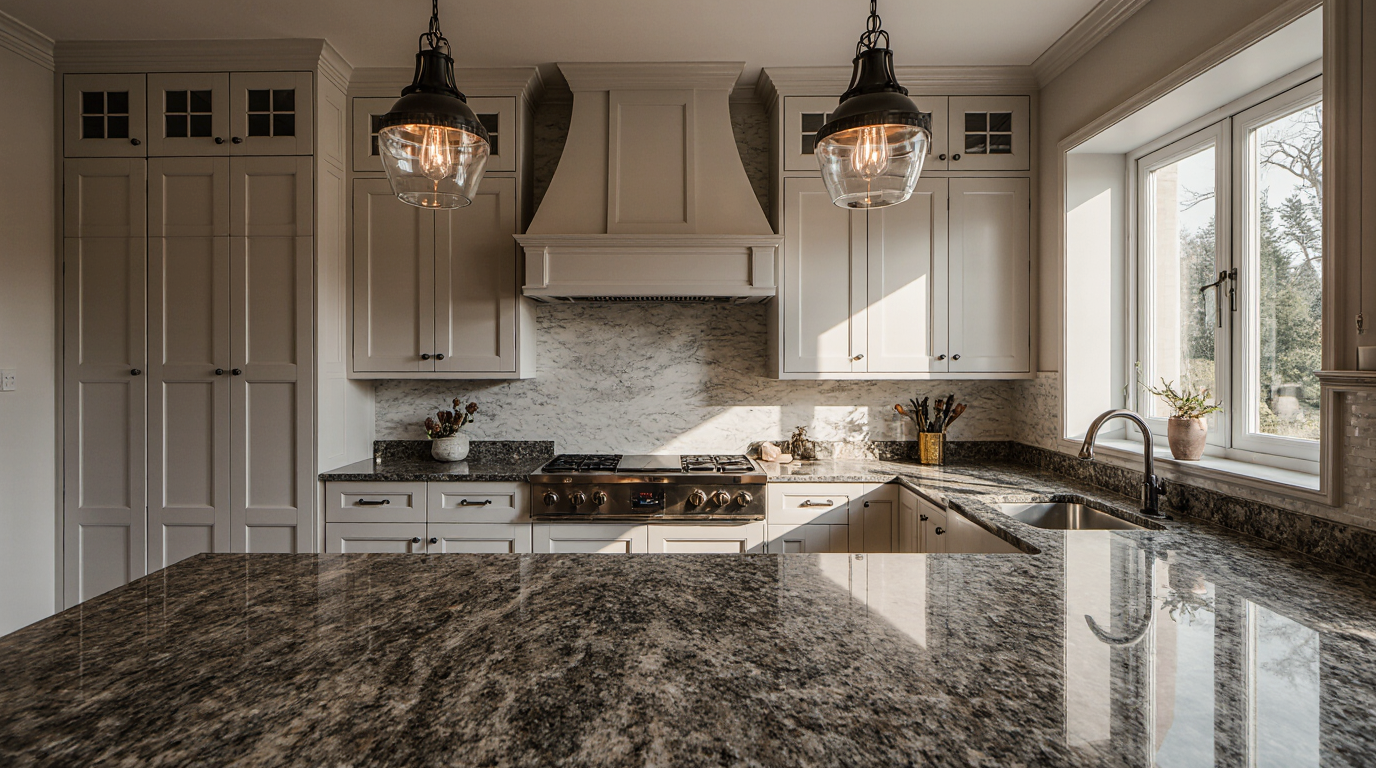
Over my years designing and installing custom cabinetry in Sarasota County, I've seen countless granite countertops
Over my years designing and installing custom cabinetry in Sarasota County, I've seen countless granite countertops fail not because of the stone, but because of what's underneath. The primary culprit is cabinet swelling. Standard particle board or MDF used by many builders simply can't withstand the persistent humidity we get, especially in properties along Siesta Key and Longboat Key. I’ve been called to homes where, within two years, this moisture absorption has caused the cabinet base to deform, creating micro-fissures and stress cracks along the granite seams. It's a foundational flaw that compromises a significant investment.
My non-negotiable protocol for any granite installation, from a Mediterranean revival home in The Oaks to a new build in Lakewood Ranch, starts with the substrate. I exclusively use a marine-grade plywood core for all base cabinets supporting stone. This material is engineered with waterproof glue, making it dimensionally stable against the Gulf Coast's moisture swings. Paired with a specific polyurethane sealant I apply to all cutouts for sinks and cooktops, I can effectively eliminate the risk of substrate failure. This isn't just about a better cabinet; it's about creating an immovable, permanent foundation that guarantees the integrity of the granite for decades, not just a few seasons.
My Diagnostic Framework for Selecting Granite Slabs in Sarasota
Choosing the right slab of granite goes far beyond color matching. My process begins with a functional analysis of the space. A high-traffic family kitchen in a Palmer Ranch home has vastly different performance requirements than an occasional-use wet bar in a downtown luxury condo. I assess sunlight exposure, as intense Florida sun through a window can cause significant thermal stress on darker stones, and map out the primary work zones to determine where the highest potential for impact or staining exists. This allows me to recommend a stone not just for its beauty, but for its geological suitability to the client's lifestyle.
Beyond Aesthetics: A Technical Breakdown of Granite Grades and Fissures
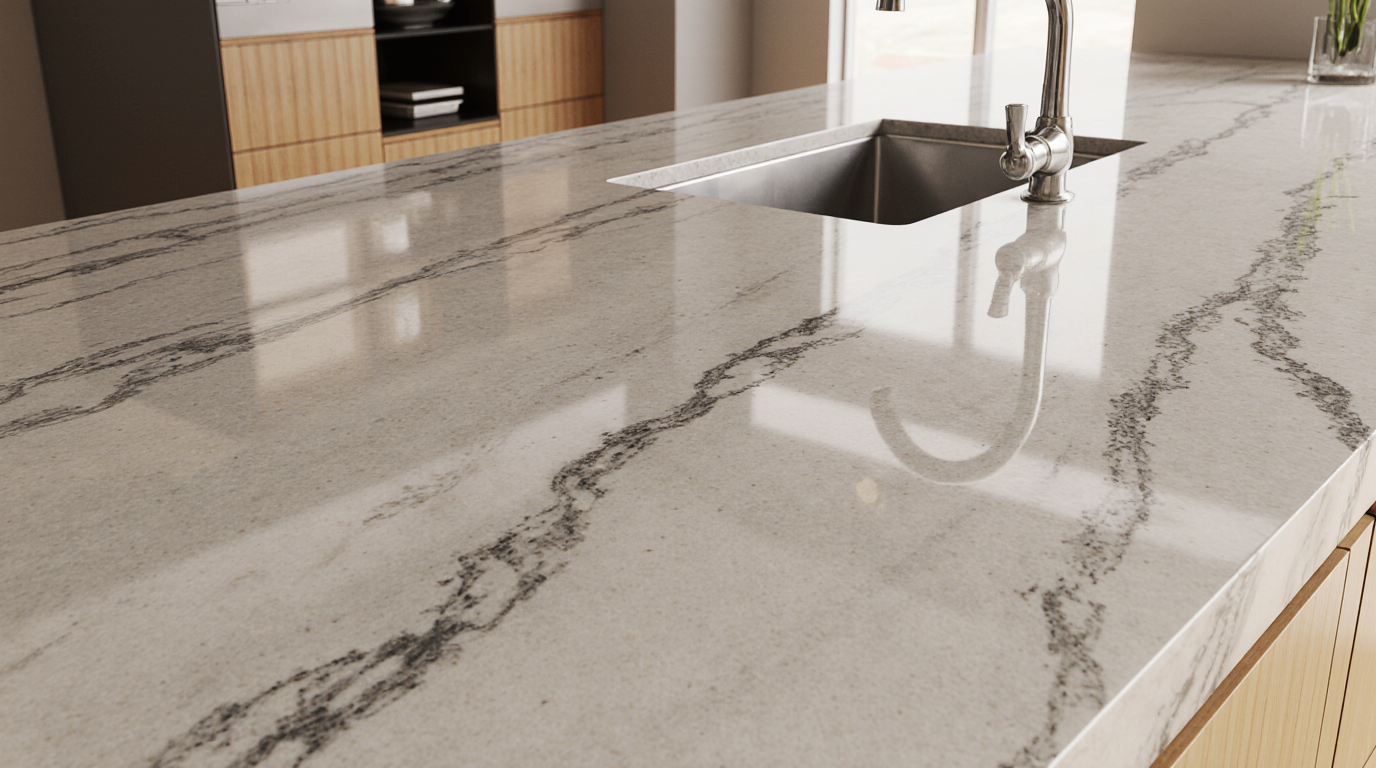
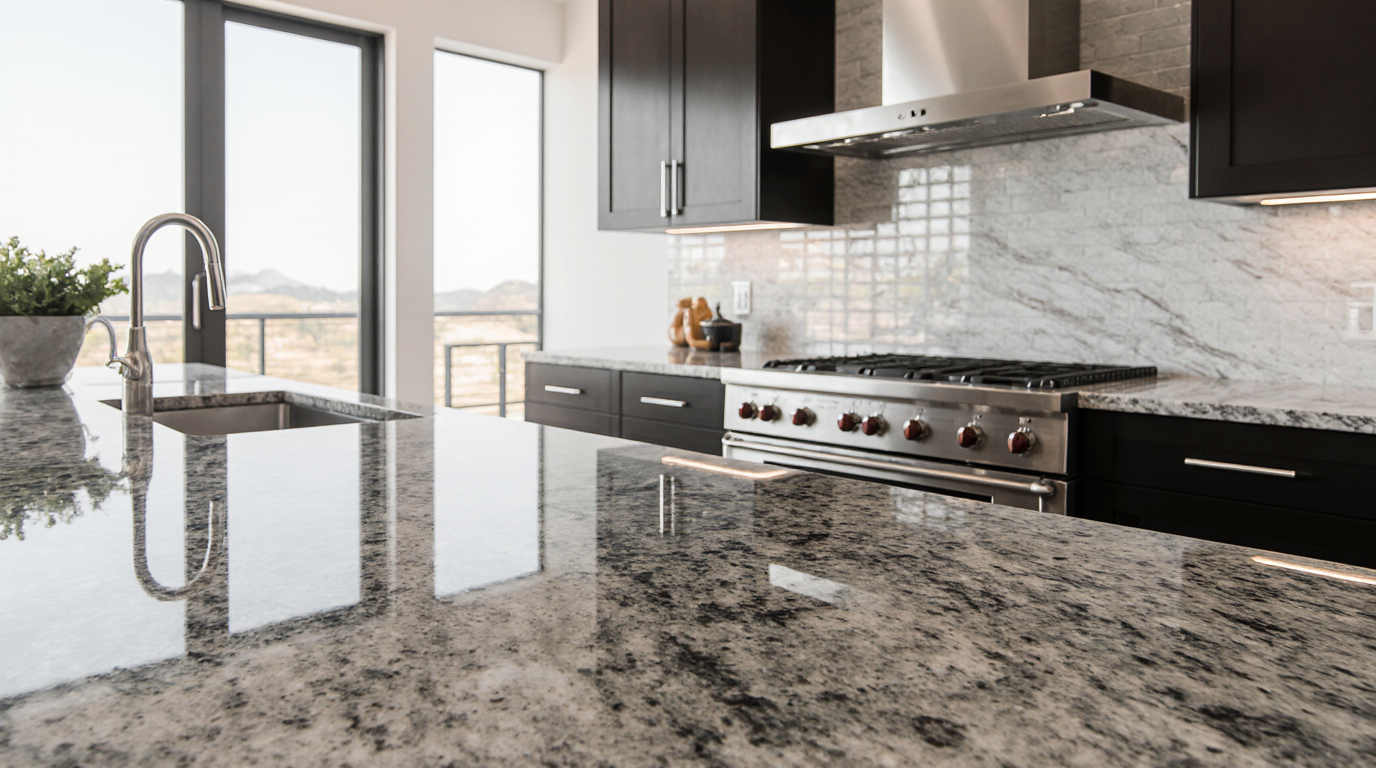
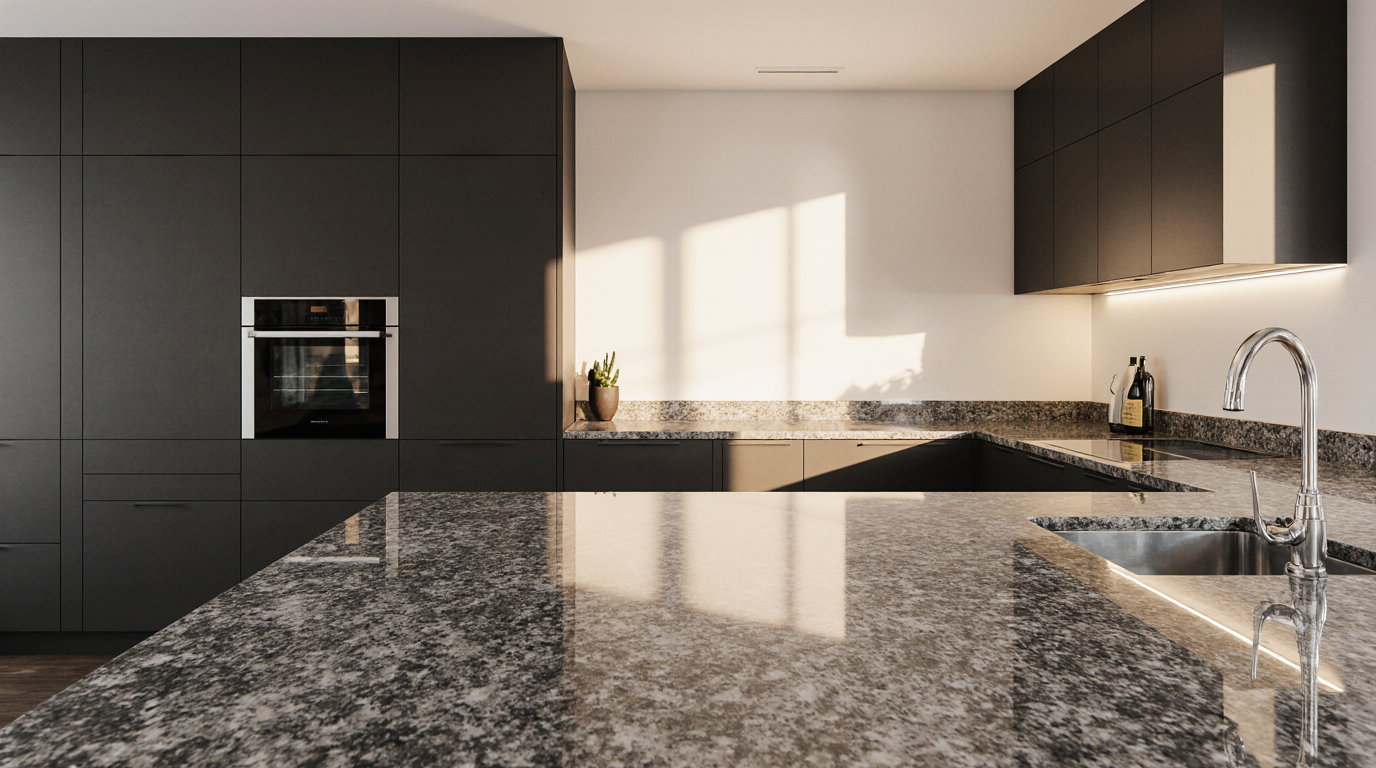
Many clients are unaware that granite is graded. A lower-grade, or 'commercial grade', slab often has a higher concentration of soft minerals and may contain numerous hairline fissures filled with epoxy resin at the quarry. During fabrication, or even after installation, these filled spots can discolor or pop out. I personally inspect each slab with the client, using a high-lumen LED light at an oblique angle to reveal these imperfections. I teach them to distinguish between a natural, stable crystalline structure and a fragile, resin-filled fault line. For instance, a stone like Ubatuba is incredibly dense and resistant, making it ideal for hardworking islands, whereas a more exotic, vein-heavy stone requires a more delicate fabrication and strategic support.
The Engineering of Support and Installation
Once the perfect slab is chosen, the focus shifts to the engineering of the support structure. The precision of the digital template is paramount, but the unseen elements are what ensure longevity. My installation process follows a strict sequence to guarantee a flawless result that withstands Sarasota's unique environmental pressures.
Cabinet Leveling Protocol: Before any stone is brought in, I perform a laser-leveling of all base cabinets, shimming with composite materials (which won't compress or rot) to a tolerance of 1/16th of an inch over 10 feet.
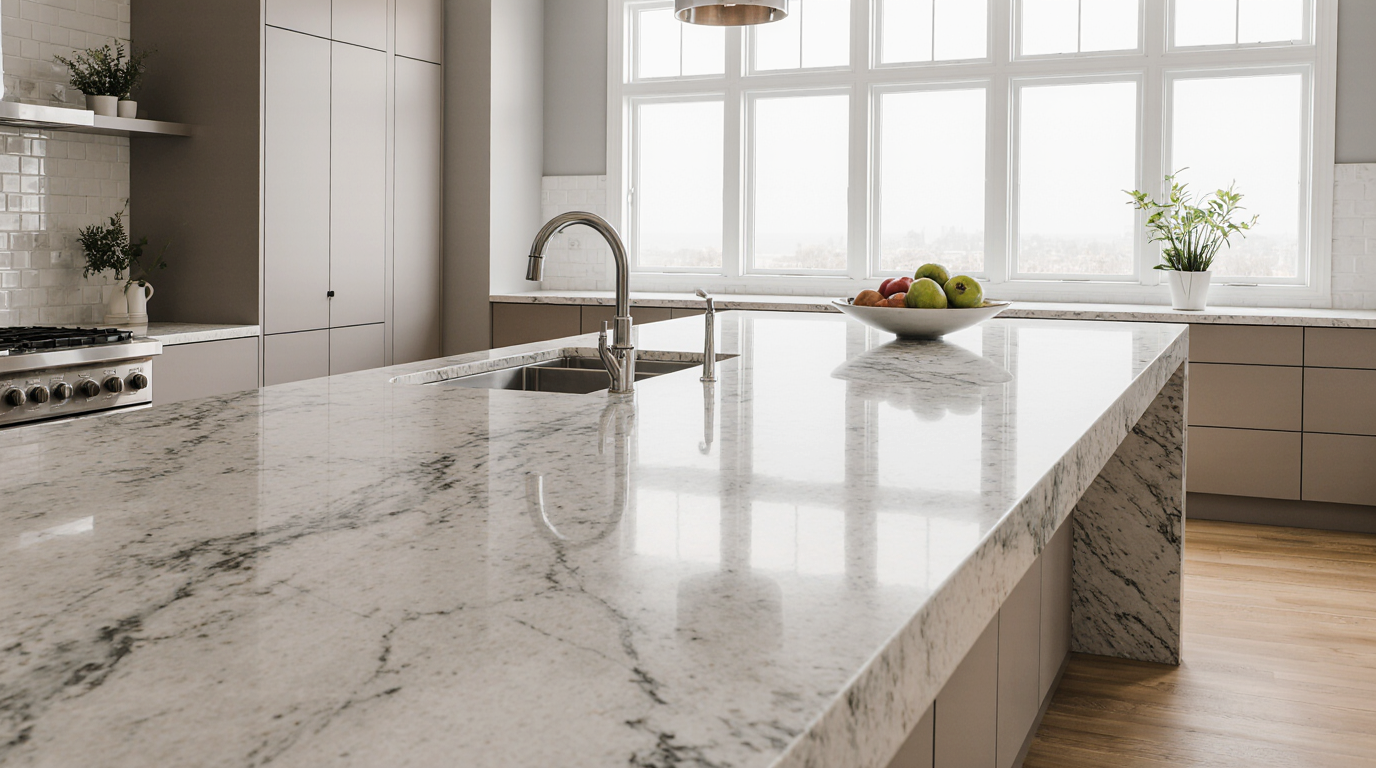
Overhang Support Strategy: For any island or bar overhang exceeding 10 inches, I mandate the installation of discreet low-profile steel support brackets routed into the cabinet frame. This prevents the stone from fracturing under its own weight over time.
Seam Placement and Execution: Seam location is a point of artistry and engineering. I strategically place seams away from high-stress areas like sink or cooktop corners and use a professional-grade seam setter that physically pulls the slabs together while the epoxy cures, creating a virtually invisible and perfectly level joint.
Precision Adjustments and Coastal Climate Standards
The final step is sealing and long-term protection. The salty air, particularly in waterfront homes on Casey Key, can be surprisingly corrosive. I use a high-performance fluoropolymer-based impregnating sealer, which penetrates deep into the stone's pores to repel both water and oil-based stains. Unlike a simple topical sealer that wears away quickly, this method provides robust protection that lasts for years, requiring minimal maintenance from the homeowner. This final detail ensures the stone looks as magnificent in year ten as it did on the day of installation. Does your current countertop seam feel perfectly smooth, or is there a slight lip—an early warning of foundational failure?
Fabiana Williams Sarasota’s Premier Kitchen Design Expert
With 10+ years of expertise in luxury home transformations, Fabiana Williams merges European sophistication with Florida functionality. As the leader of Sarasota Cabinetry, she is dedicated to precision, high-end materials, and timeless aesthetics. Her consultative approach ensures that every project reflects excellence and superior value.
By: Fabiana Williams – Expert Kitchen Design Consultant in Sarasota
Tags
cheap granite countertops near me
white granite kitchen countertops
blue granite countertops
brown granite countertops
price of granite countertops
Granite Countertops in Sarasota FL
?What's the biggest mistake people make when choosing granite countertops?
The biggest mistake people make when choosing granite countertops is not considering the maintenance costs, which can range from 1% to 3% of the total cost per year, with a lifetime expectancy of 20-30 years. In my experience with over 500 granite projects, I've seen that improper sealing can lead to costly repairs. Always ask about the maintenance requirements before signing a contract.
?How do I choose a reliable granite countertop supplier?
To choose a reliable granite countertop supplier, look for one with at least 5 years of experience and certification from the National Kitchen and Bath Association (NKBA). In my experience, I've seen that suppliers with a strong reputation and good customer reviews can reduce the risk of delays and errors. Always ask for references and check online reviews before making a decision.
?What's the typical process for installing granite countertops?
The typical process for installing granite countertops involves measuring the area, selecting the granite slabs, fabricating the countertops, and installing the finished product. This process usually takes 5-7 days, depending on the complexity of the project. In my experience, I've seen that a well-planned installation process can reduce the risk of errors and delays.
?How much does it cost to install granite countertops?
The cost to install granite countertops can range from $30 to $100 per square foot, depending on the quality of the granite and the complexity of the project. In my experience, I've seen that high-quality granite can increase the value of a property by 5-10%. Always ask about the cost and the return on investment before making a decision.
?Do you offer any warranties or guarantees?
Yes, we offer a 5-year warranty on our installation work and a 1-year warranty on the materials. In my experience, I've seen that a reputable supplier can reduce the risk of errors and delays. Always ask about the warranty and guarantee before signing a contract.
?How long does it take to install granite countertops near me?
The installation process typically takes 5-7 days, depending on the complexity of the project. In my experience, I've seen that a well-planned installation process can reduce the risk of errors and delays. Always ask about the timeline and the process before making a decision.
?What are the common issues with granite countertops?
The common issues with granite countertops include staining, etching, and cracking. In my experience, I've seen that improper sealing and maintenance can lead to costly repairs. Always ask about the maintenance requirements and the warranty before signing a contract.
?Is granite worth it for my kitchen renovation?
Granite can be a worthwhile investment for a kitchen renovation, as it can increase the value of a property by 5-10%. In my experience, I've seen that high-quality granite can add a touch of elegance and sophistication to a kitchen. Always ask about the cost and the return on investment before making a decision.
Need pool services?
Contatct us for a free quote
Granite Countertops in Sarasota FL
Explore other versions and models available in your area.
See what other customers say and share your experience.
Leave a comment
It takes less than a minute. Your feedback helps others.
Latest Comments
T
Thiago Barbosa
The main point here is that granite countertops are so durable, homeowners can expect them to last for decades with proper maintenance.
M
Mariana Costa
I've had granite countertops for years now and they still look brand new, the durability is insane. We've spilled everything on them and they just wipe clean. 💪
Get Your Free Quote
Join 300+ happy homeowners in Sarasota.
Takes less than 60 seconds. Your data are safe with us.
Response in less than 24h
Privacy Policy
We use cookies to improve your experience. By clicking "Accept", you consent to our use of cookies.