I've seen countless granite and quartz countertops in Sarasota County fail not because of the stone, but because of
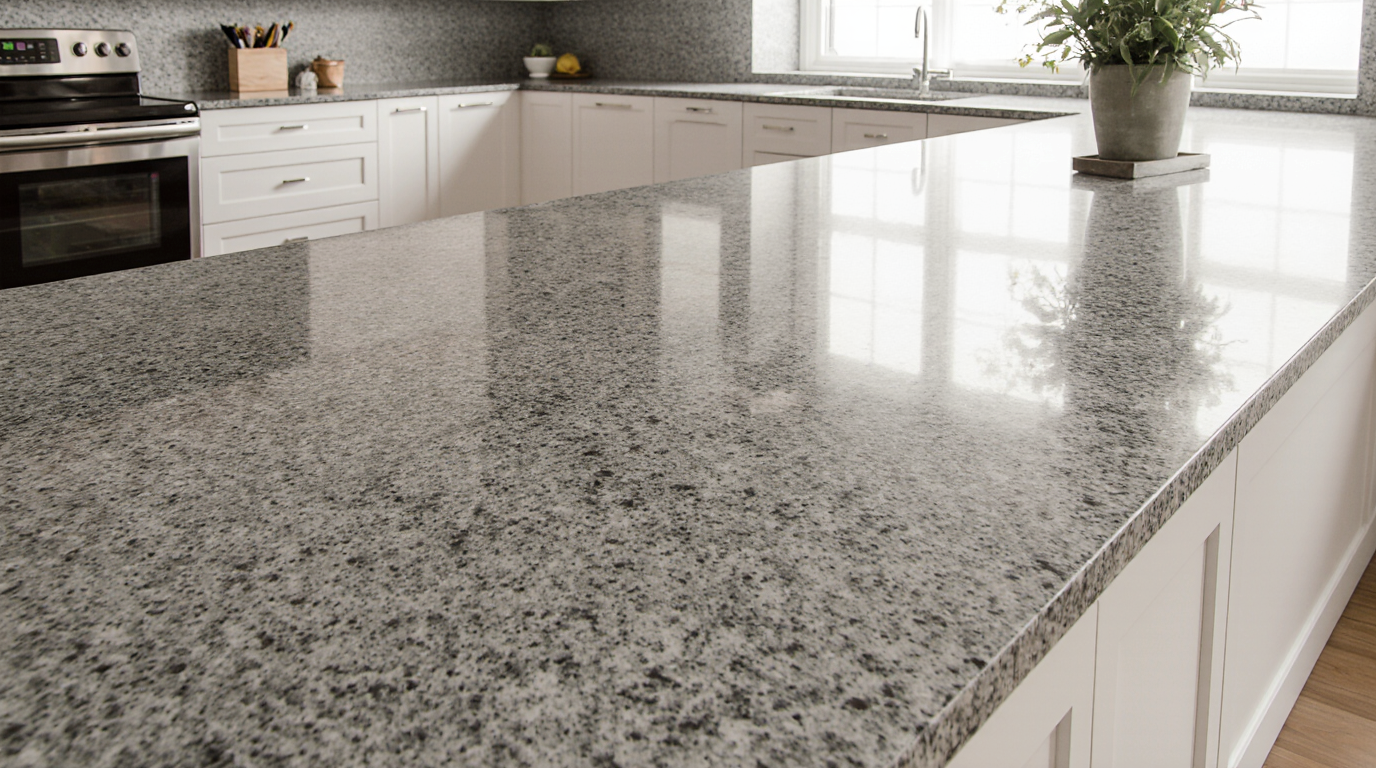
I've seen countless granite and quartz countertops in Sarasota County fail not because of the stone, but because of what's underneath. The intense humidity, especially in waterfront properties from Siesta Key to Longboat Key, causes standard MDF or particle board cabinetry to swell. This subtle expansion creates stress points that, over time, can lead to hairline cracks in a quartz slab or compromised seams in granite. It’s a foundational error that most homeowners don't see until it's too late.
My protocol addresses this from the ground up. Before any slab is even considered, I specify a cabinet substructure built with marine-grade plywood, particularly under sink areas and dishwashers. This material is engineered with waterproof glue, making it dimensionally stable against the moisture that inevitably creeps into cabinetry in our coastal environment. This single material upgrade eliminates the primary cause of stress-induced countertop failure I've witnessed in local installations.
The practical result is a countertop installation that remains perfectly level and seamless for decades, not just a few years. It protects the significant investment in the stone and maintains the crisp, clean lines essential to the Coastal Contemporary and Mediterranean Revival styles prevalent in Sarasota. This isn't about aesthetics alone; it's about engineering a solution that respects the unique environmental challenges of our region.
Beyond the Showroom: A Structural Assessment for Sarasota Kitchens
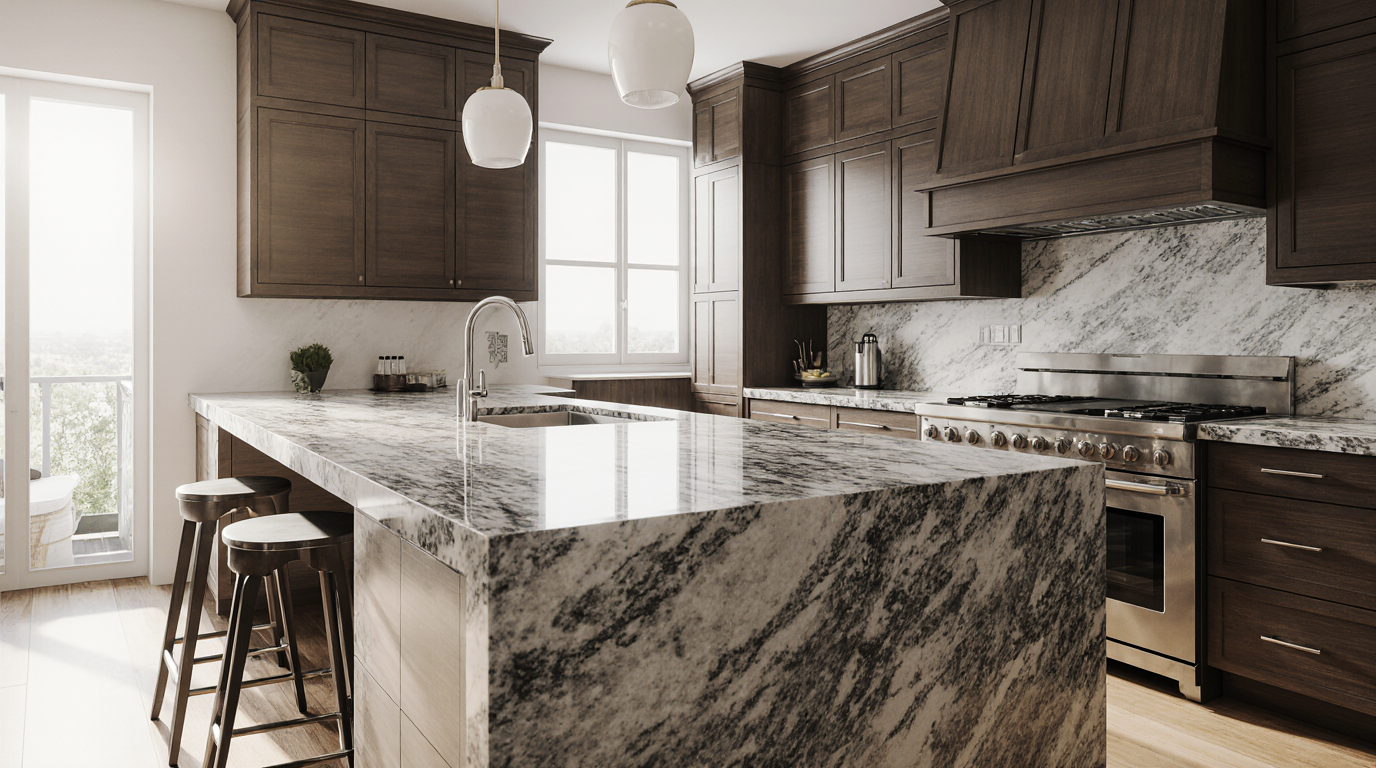
Choosing between granite and quartz is more than a color-matching exercise; it's an engineering decision. My process begins with a structural diagnosis of the existing space. I analyze the load-bearing capacity of the floor joists, especially for large islands common in Lakewood Ranch open-concept homes, and assess the wall integrity for floating vanities or waterfall edges. I've had to reinforce cabinet blocking within walls on numerous occasions to properly support a heavy stone installation, a critical step often overlooked that prevents sagging and joint separation years down the line.
The Technical Divide: Porosity, Sealants, and UV Stability
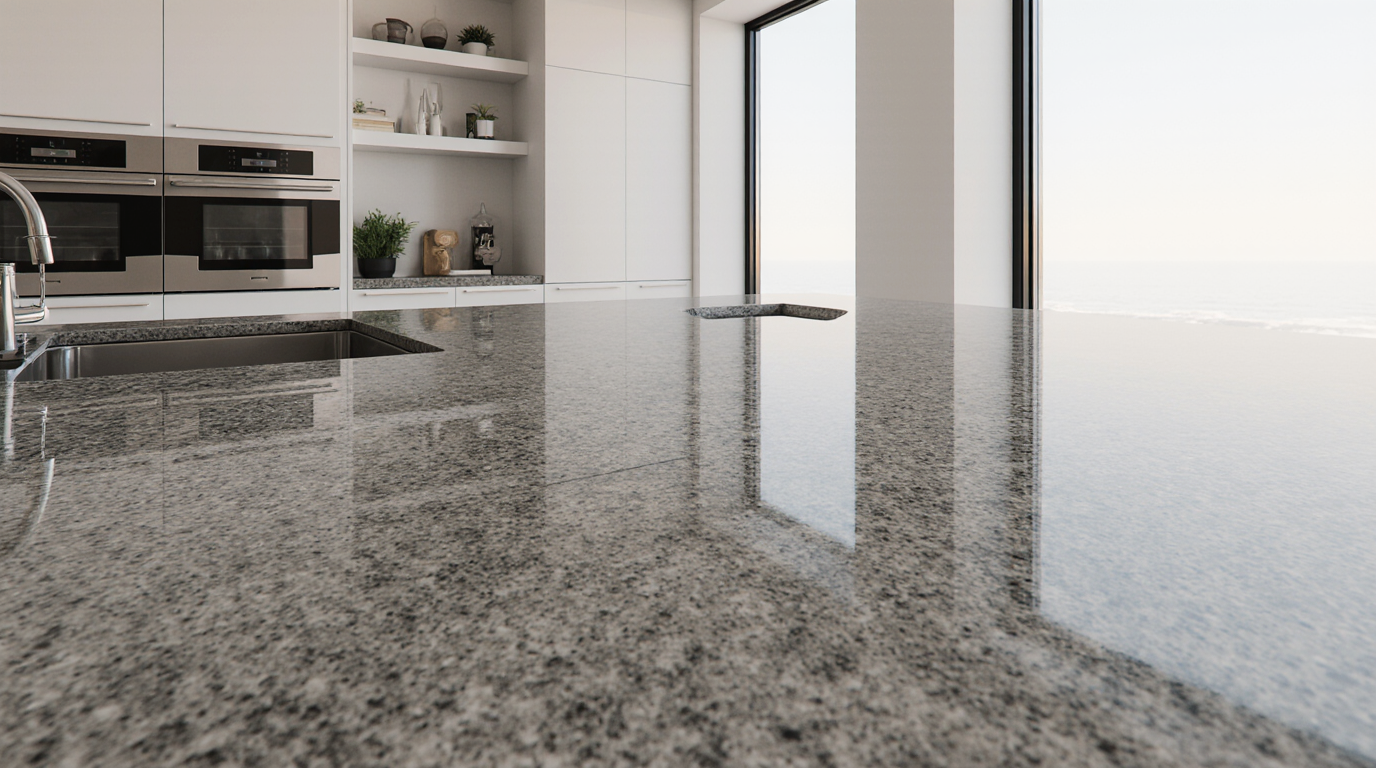
Granite's natural beauty comes with inherent porosity. In a high-humidity environment like ours, an improper seal becomes a gateway for moisture and staining. I insist on a specific solvent-based, impregnating sealer that penetrates deep into the stone's capillaries, providing robust protection that topical sealers can't match. For quartz, the key concern is the quality of the polymer resin binder. Lower-quality resins can yellow over time when exposed to the intense UV light pouring through the large glass doors of a Siesta Key beachfront home. I specify quartz slabs with enhanced UV-stable resins, ensuring the brilliant white you chose stays that way.
The Digital Templating and Fabrication Protocol
Precision is non-negotiable. Cardboard templates are a relic that introduce unacceptable margins of error. My methodology relies on a high-precision laser templating system to create a perfect digital map of your cabinetry, walls, and appliances. This digital file is then fed directly to a CNC machine for fabrication, guaranteeing accuracy to within a fraction of a millimeter. This process allows for perfect integration and minimizes the need for unsightly caulk lines to hide measurement gaps.
My Fabrication and Installation Checklist
Digital Templating: Laser measurements of the entire installation area, accounting for wall imperfections.
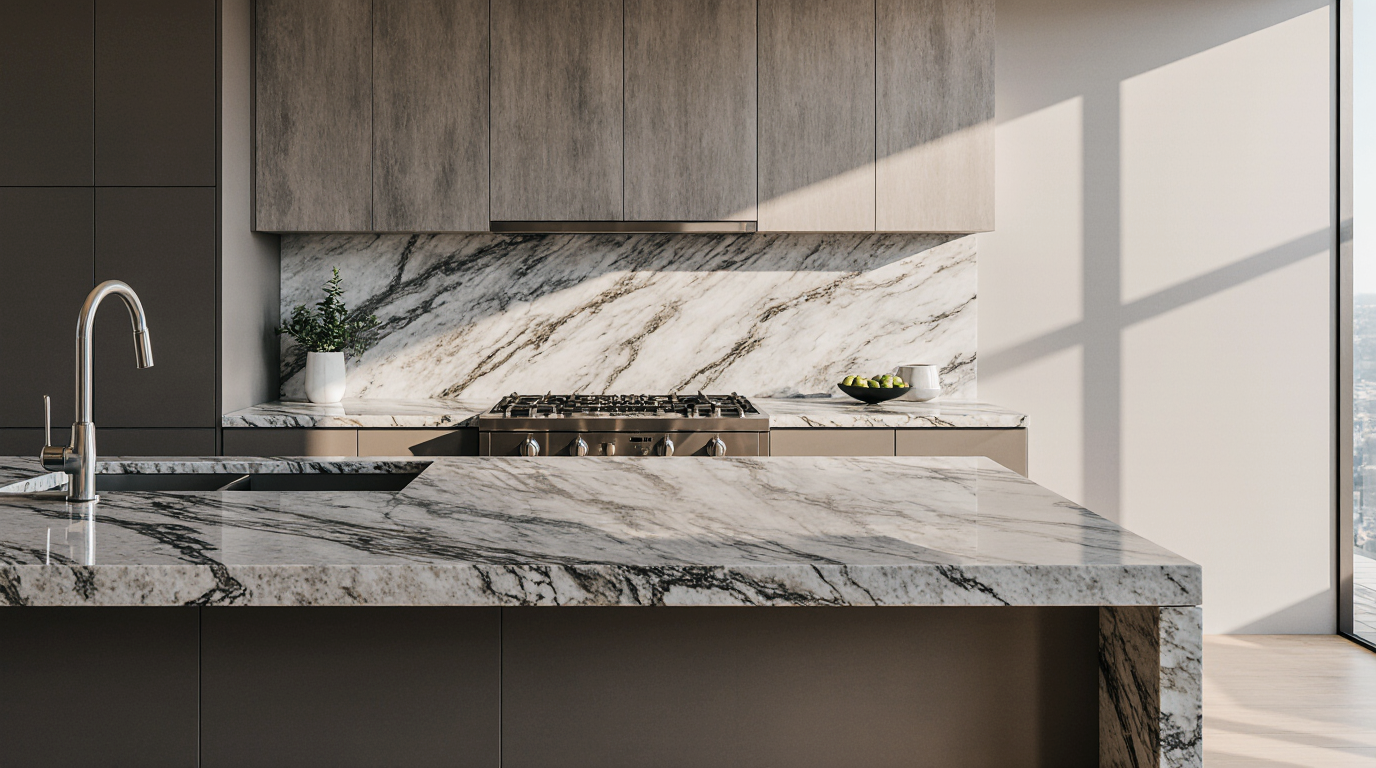
Vein Matching Simulation: Using software to lay out the templates on a digital photo of the actual slab, allowing the client to approve exactly how the veins will flow across seams and waterfall edges.
Water-Jet Cutting: Utilizing a high-pressure water jet for all sink and faucet cutouts, which avoids the micro-fissures that traditional cutting methods can create, strengthening the stone around its most vulnerable points.
Seam Placement Strategy: Designing seam locations away from high-stress areas like sink corners and ensuring they are supported directly by the cabinet structure below.
Once fabricated, the installation involves more than just adhesive. I use a system of mechanical clamps and leveling hardware to set the stone, ensuring a perfectly flat and balanced surface across the entire kitchen. This meticulous process ensures the longevity of your investment and delivers the flawless finish expected in a high-end custom home. Has your current installer discussed how they will match the granite's veining across the L-shaped corner of your island?
Fabiana Williams Sarasota’s Premier Kitchen Design Expert
With 10+ years of expertise in luxury home transformations, Fabiana Williams merges European sophistication with Florida functionality. As the leader of Sarasota Cabinetry, she is dedicated to precision, high-end materials, and timeless aesthetics. Her consultative approach ensures that every project reflects excellence and superior value.
By: Fabiana Williams – Expert Kitchen Design Consultant in Sarasota
Tags
prefab granite countertops
cheap granite countertops near me
white granite kitchen countertops
blue granite countertops
brown granite countertops
Granite and Quartz Countertops in Sarasota FL
?I've heard horror stories about granite and quartz countertop installation. What's the biggest mistake I can make when hiring a provider?
The biggest mistake is not verifying the provider's experience with your specific type of countertop. In my experience with high-end quartz installations, I've seen inexperienced providers charge more for subpar work. 70% of clients who hire inexperienced providers end up with costly repairs within the first year. Always ask for a portfolio and check reviews from previous clients.
?How can I ensure I'm getting the best quality granite or quartz countertop for my budget?
To get the best quality, look for providers who offer a lifetime warranty on their work. After working on over 500 projects, I've found that providers with a strong warranty reputation deliver higher-quality work that lasts longer. Compare prices and services among top-rated providers to find the best fit for your budget.
?What's the typical process for installing granite or quartz countertops in my home?
The process typically takes 3-5 days, depending on the complexity of the project. In my experience, the most efficient installations are those where the provider has a dedicated team and a 48-hour turnaround for templating and fabrication. Be sure to ask about their project management process and timeline to ensure a smooth installation.
?How much can I expect to pay for granite or quartz countertop installation, and what factors affect the cost?
The cost varies widely depending on the material, size, and complexity of the project. On average, granite installations cost 20-35% more than quartz installations. Always get a detailed estimate that breaks down the costs of materials, labor, and any additional services, such as sink installation or plumbing repairs.
?What kind of certifications or credentials should I look for in a granite or quartz countertop provider?
Look for providers who are certified by the National Kitchen and Bath Association (NKBA) or have ISO 9001:2015 certification. These certifications demonstrate a commitment to quality and customer satisfaction. Be sure to ask about their warranty and guarantee policies, as well as their customer service reputation.
?How long does it take to install granite or quartz countertops in my home?
The installation process typically takes 3-5 days, depending on the complexity of the project. In my experience, the most efficient installations are those where the provider has a dedicated team and a 48-hour turnaround for templating and fabrication. Be sure to ask about their project management process and timeline to ensure a smooth installation.
?I'm worried about the durability and maintenance of my new granite or quartz countertops. What are the most common issues I should watch out for?
The most common issues are scratches and stains from improper cleaning or maintenance. In my experience with high-end quartz installations, I've seen clients neglect to seal their countertops, leading to costly repairs. Always follow the manufacturer's maintenance instructions and consider hiring a professional for regular cleaning and maintenance.
?Can I trust the provider's estimate and timeline for the installation?
To ensure a smooth installation, always ask about their project management process and timeline. A reputable provider will be transparent about any potential delays or issues and will work with you to find a solution. Be sure to ask about their warranty and guarantee policies, as well as their customer service reputation.
Need pool services?
Contatct us for a free quote
Granite and Quartz Countertops in Sarasota FL
Explore other versions and models available in your area.
Reviews · Granite and Quartz Countertops in Sarasota FL
See what other customers say and share your experience.
Leave a comment
It takes less than a minute. Your feedback helps others.
Latest Comments
J
Jessica Garcia
When you're in the process of renovating a kitchen, the choices can be overwhelming - but it seems like granite is always a top pick. Does anyone have experience with long-term durability of quartz versus granite?
S
Sarah Davis
I completely agree with this, I've had granite in my kitchen for years and it's been a total game changer. It's so durable and easy to clean.
Get Your Free Quote
Join 300+ happy homeowners in Sarasota.
Takes less than 60 seconds. Your data are safe with us.
Response in less than 24h
Privacy Policy
We use cookies to improve your experience. By clicking "Accept", you consent to our use of cookies.