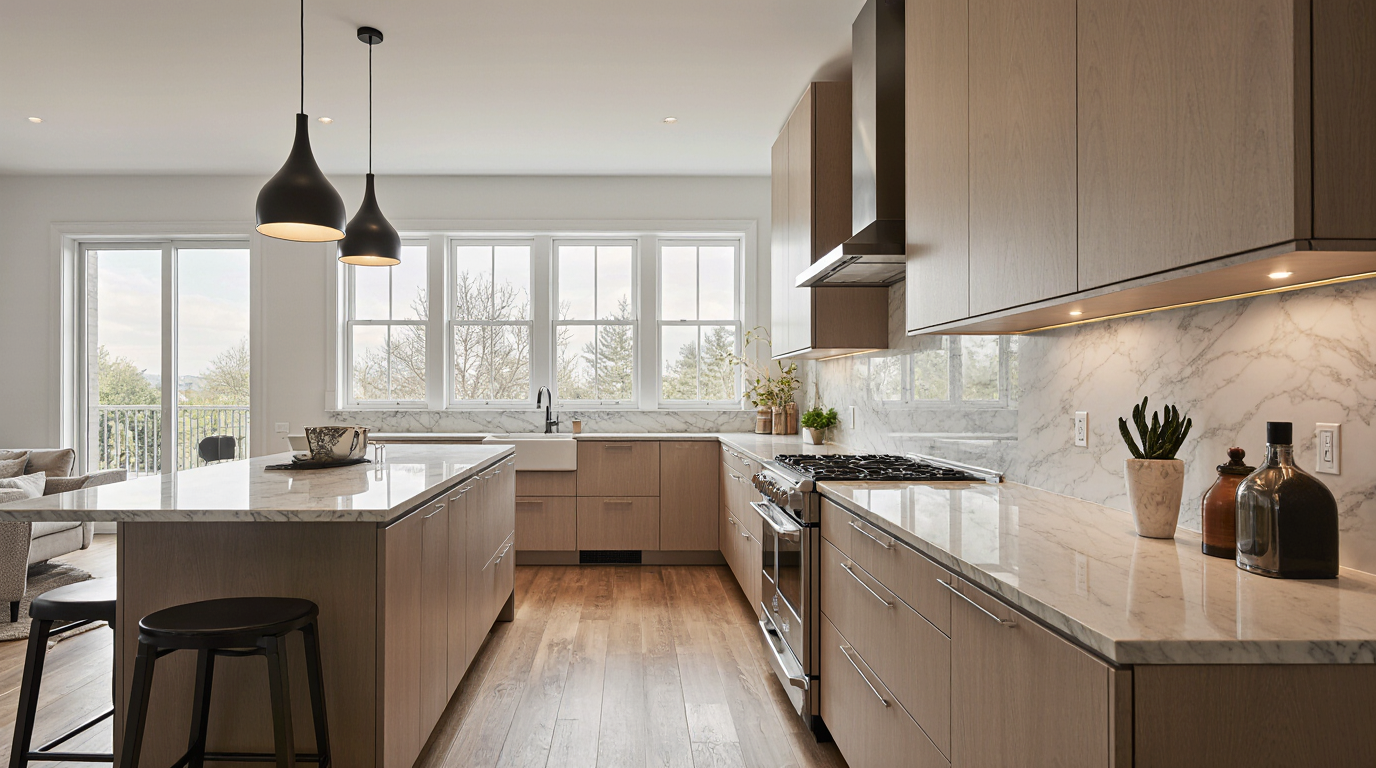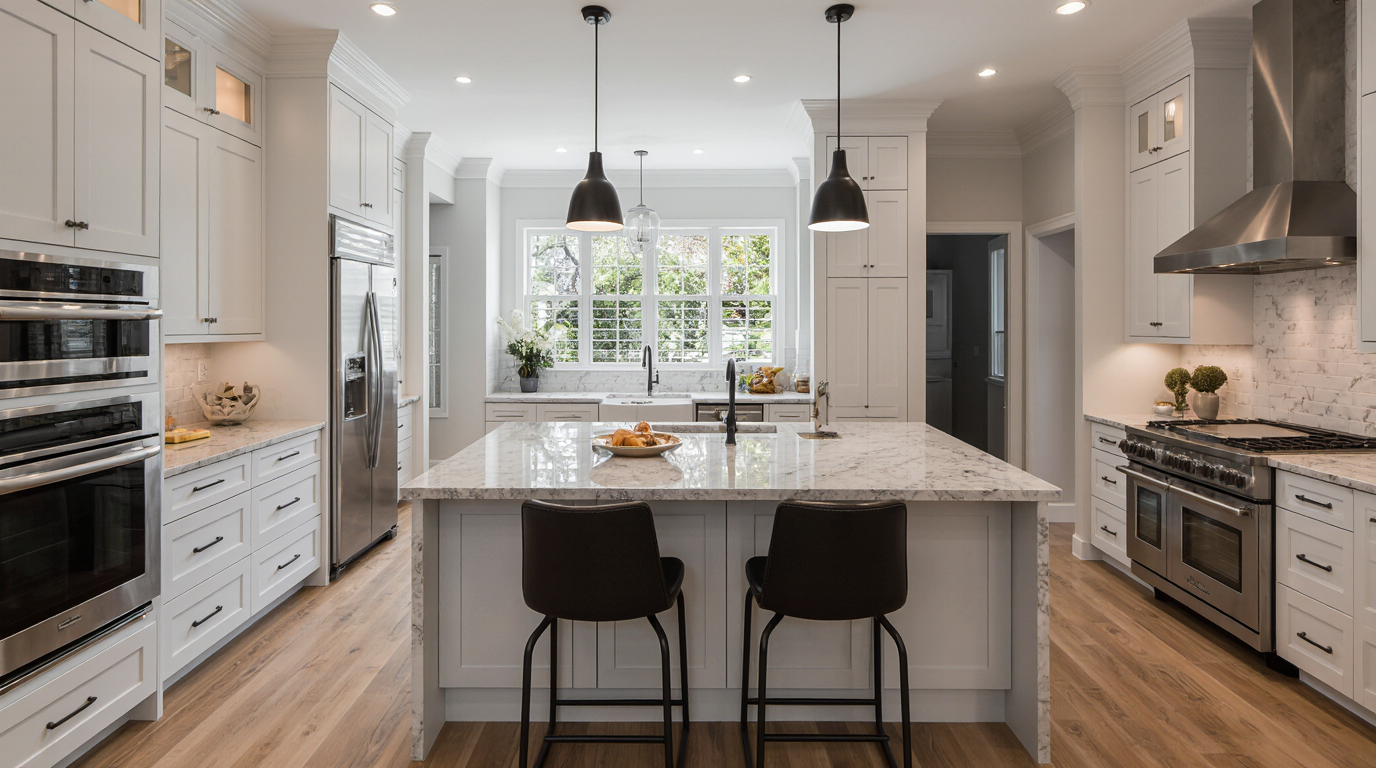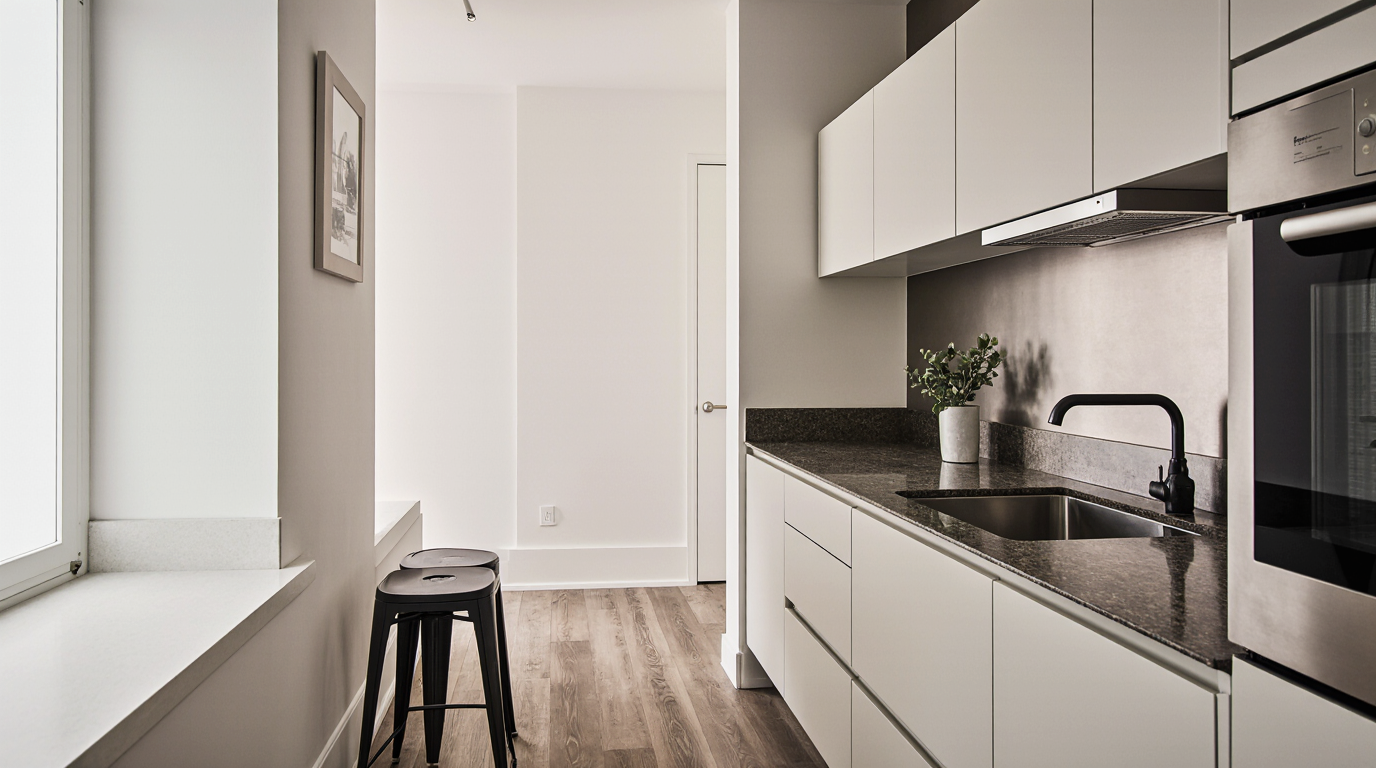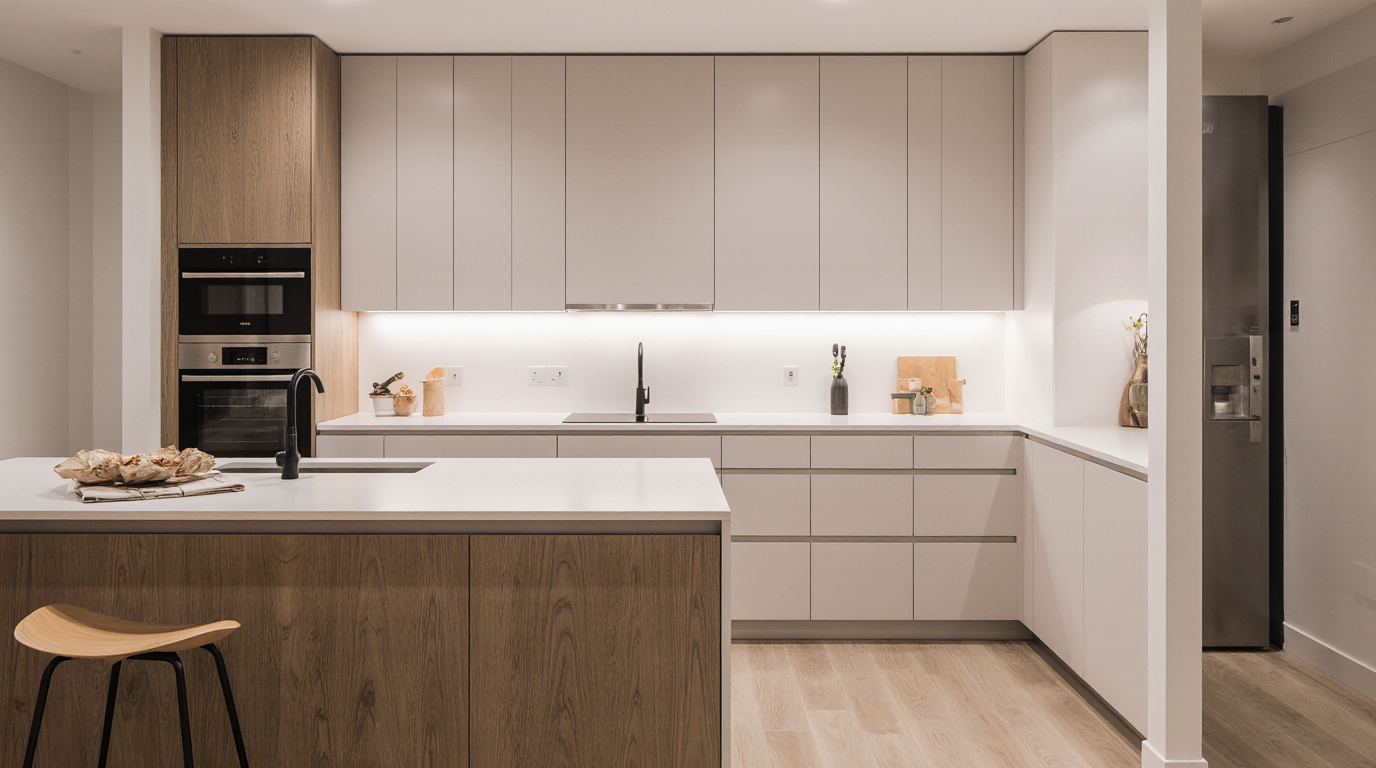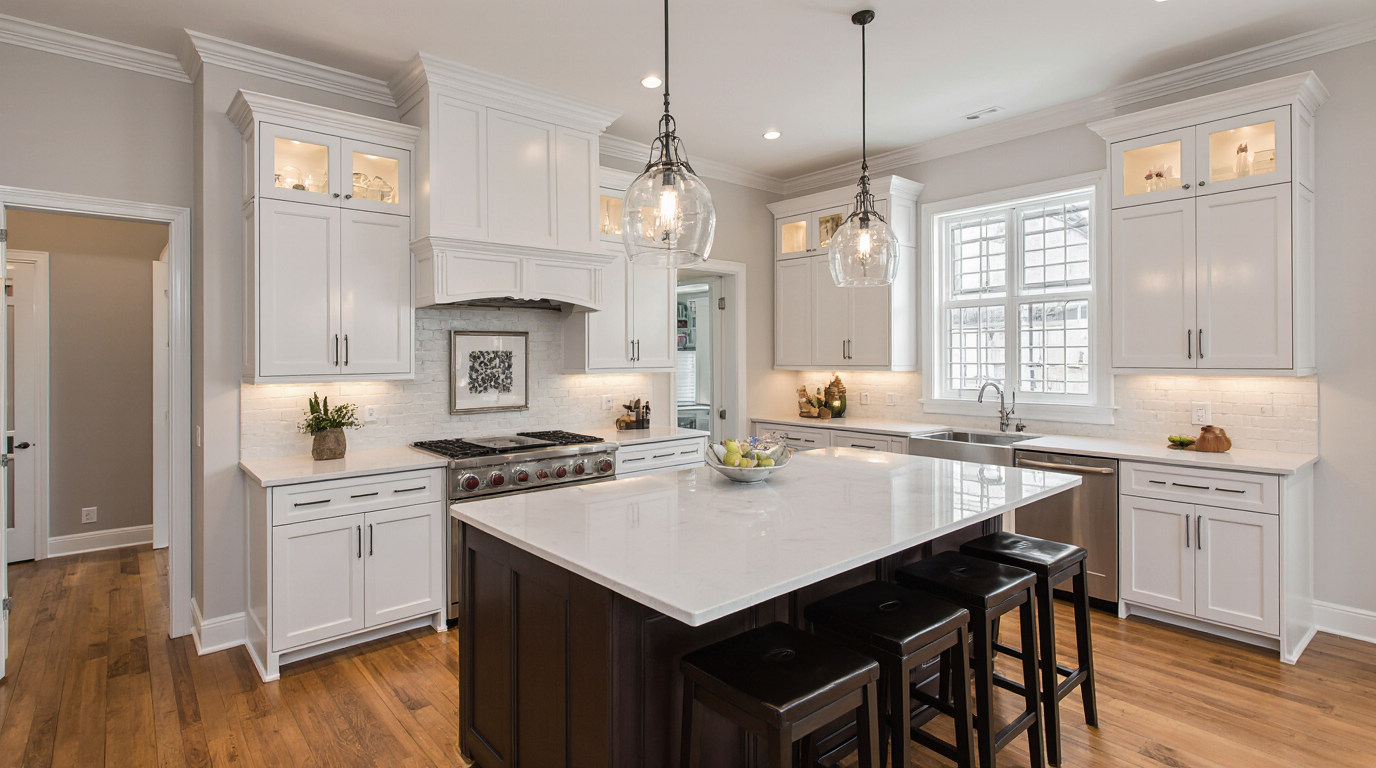
I remember standing in a beautiful, newly remodeled kitchen on Lido Key, less than two years old. The homeowner was pointing out how the shaker-style cabinet doors were already starting to swell and misalign near the range hood. They had chosen a standard MDF door from a big-box store to save on the budget. In Sarasota's humid, salt-laced air, that "savings" had just turned into a pending tear-out. The most critical factor in a Sarasota kitchen remodel isn't the countertop or the appliances; it's the unseen material science that battles our climate 24/7.
Executive Summary: Your Sarasota Kitchen Remodel
From my years managing complete kitchen renovations from The Landings to Palmer Ranch, a successful project in this
From my years managing complete kitchen renovations from The Landings to Palmer Ranch, a successful project in this market is an exercise in defensive design. It's about building for longevity against humidity, salt, and storm-related code requirements. The aesthetics are the final layer, not the foundation. An improperly specified kitchen here can show signs of failure, like warped cabinet doors or corroded hardware, in as little as 18-24 months, completely eroding the investment.
- Material Priority: Humidity and salt-air resistance are non-negotiable. Marine-grade plywood for cabinet boxes is the professional standard for waterfront properties.
- Code & Compliance: All work must adhere to the Florida Building Code, which includes specific requirements for window/door installation and structural anchoring, impacting everything from vent hoods to island placement.
- HOA Navigation: Most significant remodels in planned communities like Lakewood Ranch or The Isles require pre-approval from an Architectural Review Board (ARB), a process that can add 30-60 days to your timeline before any permits are pulled.
- Timeline Realism: Supply chain issues for high-end appliances and custom millwork are real. Factoring in a 4-6 month timeline from design finalization to completion is a realistic starting point for a full-gut remodel in Sarasota County.
The Planning Failures That Inflate Costs After a Contract is Signed
The most significant budget overruns I see in Sarasota kitchen remodels stem from underestimating our environment and regulations during the initial design phase. Clients focus on the layout and finishes, but the structural and material decisions made to combat the local climate are what truly protect the investment. Ignoring these factors early on leads to costly change orders and delays once construction begins.
The Most Expensive Oversight: Ignoring Humidity's Impact on Materials
The costliest mistake is choosing cabinet materials based on appearance and initial price alone. A client on Siesta Key insisted on using standard MDF-core cabinets with a thermofoil finish because they loved the sleek, modern look and the attractive price point. Within three years, the thermofoil began peeling at the seams, and the cabinet boxes near the dishwasher showed visible swelling. The resulting tear-out and replacement cost nearly 40% more than if they had initially invested in solid wood frames with plywood boxes and a high-quality factory paint finish. They paid for their kitchen 1.4 times over because the initial material choice was fundamentally incompatible with a humid, coastal home.
The Remodeling Process in Practice for Sarasota Residents
A full kitchen remodel here is a multi-stage process heavily influenced by local oversight. It begins with design and material selection, but quickly moves into a phase of approvals and permitting that is more rigorous than in many other parts of the country. Only after these bureaucratic hurdles are cleared can demolition and construction commence, followed by installation, inspections, and final punch-list items.
Key Selection Criteria for a Sarasota Contractor
When vetting a contractor for a job in this specific market, your questions should go beyond their portfolio. The right partner understands the unique challenges of building on the Gulf Coast.
- Verifiable HOA Experience: Ask for specific examples of projects completed within large, managed communities like The Founders Club or University Park. A contractor unfamiliar with the ARB submittal process can cause months of delays.
- Waterfront & Barrier Island Work: Have they worked on Lido, Longboat, or Siesta Key? This demonstrates experience with salt-air corrosion, elevated construction requirements, and the logistics of working in condensed, high-value areas.
- Florida Building Code Fluency: They must understand recent updates, particularly regarding wind load requirements for windows, doors, and exterior vents (like range hoods) that are part of the kitchen scope.
- Subcontractor Stability: Ask how long they have worked with their primary subcontractors (plumbing, electrical). In Sarasota's tight labor market, a contractor with a loyal, high-quality team is a significant advantage.
Comparing a Full Remodel to Other Kitchen Upgrades
A full kitchen remodel is a significant undertaking. Homeowners often weigh this option against less disruptive alternatives like refacing or a partial cosmetic upgrade. The right choice depends on your budget, the existing condition of your kitchen, and your long-term goals for the property.
| Factor | Full Gut Remodel | Cabinet Refacing | Cosmetic Refresh (Paint, Hardware) |
|---|---|---|---|
| Typical Cost Range | $65,000 - $150,000+ | $15,000 - $30,000 | $5,000 - $12,000 |
| Impact on Layout & Function | Total transformation; can fix all functional issues. | None; layout is fixed. | None. |
| Durability in Coastal Climate | Excellent, if proper materials (e.g., marine-grade plywood) are used. | Variable; depends on the quality of the existing cabinet boxes. | Poor to fair; does not address underlying material weaknesses. |
| Project Timeline | 3 - 6+ months | 1 - 2 weeks | 3 - 7 days |
When a Full Remodel Is the Wrong Choice
A full remodel is not the right path if your primary goal is a quick, low-cost update for an immediate property sale. The return on investment for a major upscale kitchen remodel isn't always dollar-for-dollar in the short term. If the existing cabinet boxes are in excellent structural condition and made from quality plywood, and the layout works well, a professional refacing combined with new countertops and backsplash can provide a significant aesthetic lift for a fraction of the cost and disruption of a budget kitchen remodel.
A Safe Hiring Checklist for Your Project
Hiring the right team is the single most important decision you will make. A slick sales presentation means nothing if the company lacks the technical expertise and local knowledge to execute the project correctly. Verifying credentials and experience is your primary defense against a failed renovation.
- Confirm the contractor holds a current, valid Certified General Contractor (CGC) or Certified Building Contractor (CBC) license with the Florida Department of Business and Professional Regulation (DBPR).
- Request certificates of insurance for both General Liability and Workers' Compensation. The liability policy should be for at least $1 million.
- Ask for a list of 3-5 recent, completed kitchen projects in Sarasota County and speak with the homeowners.
- Insist on a detailed, itemized contract that specifies all materials, model numbers for appliances, and a clear payment schedule tied to project milestones, not dates.
- Verify their process for handling HOA/ARB applications. An experienced local firm will manage this entire submittal for you.
- Check their history with the Sarasota County Building Department's online portal for a history of pulled permits and inspection results.
- Clarify their warranty in writing. A one-year warranty on labor is standard, but you should also receive all manufacturer warranties for materials and products.
The Decisions That Truly Determine the Outcome
After overseeing dozens of these projects, I've seen that success isn't determined by the brand of the faucet or the color of the backsplash. It's dictated by a few foundational decisions made long before the first hammer swings. Homeowners who get these right end up with a kitchen they love and that adds lasting value; those who rush them often face regret and unexpected costs.
The Exact Moment Most Homeowners Get It Wrong
The critical error happens when a homeowner falls in love with a design and gets a price before they have fully committed to a specific, climate-appropriate material specification. They get a quote for "custom cabinets" and assume it covers what's necessary for Sarasota. The single most effective action you can take is to finalize your cabinet box and door material *before* sending a design out for bid. Tell contractors to bid on a kitchen with ¾-inch marine-grade plywood boxes and solid wood door/drawer fronts. This forces an apples-to-apples comparison on labor and quality, removing the variable of contractors cutting corners with cheaper, unsuitable materials like particle board or MDF to win the job on price.
Practical Answers About Remodeling in Sarasota
Navigating the local bureaucracy and project logistics is often the most frustrating part of a renovation. Understanding the specific processes in Sarasota County can help you set realistic expectations for your project's timeline and budget.
How does the Sarasota County Permitting Process Work?
For a full kitchen remodel involving changes to plumbing, electrical, or walls, a building permit from Sarasota County is mandatory. The process typically involves submitting architectural drawings and plans. After submission, the average review time for a residential interior alteration permit can range from 15 to 30 business days, assuming the initial plans are complete and correct. Any errors or requests for more information will reset this clock. The permit fee itself is a small part of the kitchen upgrade cost, often just a few hundred dollars, but the cost of producing the required architectural plans can add $1,500-$3,000 to your project's soft costs.
What Are Typical HOA Design Review Requirements?
In communities like Prestancia or Laurel Oak, the HOA's Architectural Review Board (ARB) has final say over any exterior modifications, which can include new windows or exhaust vents associated with your kitchen. You must submit your full plan, including material samples, paint colors, and contractor information. They review for compliance with community aesthetic standards. This process is entirely separate from county permitting and must be completed first. Expect a 30 to 60-day review period, and be prepared for potential feedback or required changes.
How Does the Florida Building Code Affect My Kitchen?
The FBC has a direct impact, especially concerning safety and storm resilience. For example, any new windows or glass doors in the kitchen must meet the current wind-borne debris and impact-resistance standards for our region. Electrical outlets must be GFCI-protected and meet specific spacing requirements along countertops. Furthermore, any structural changes, like removing a wall to create an open-concept kitchen, require engineering calculations to be submitted with the permit application to ensure the home's structural integrity is maintained.