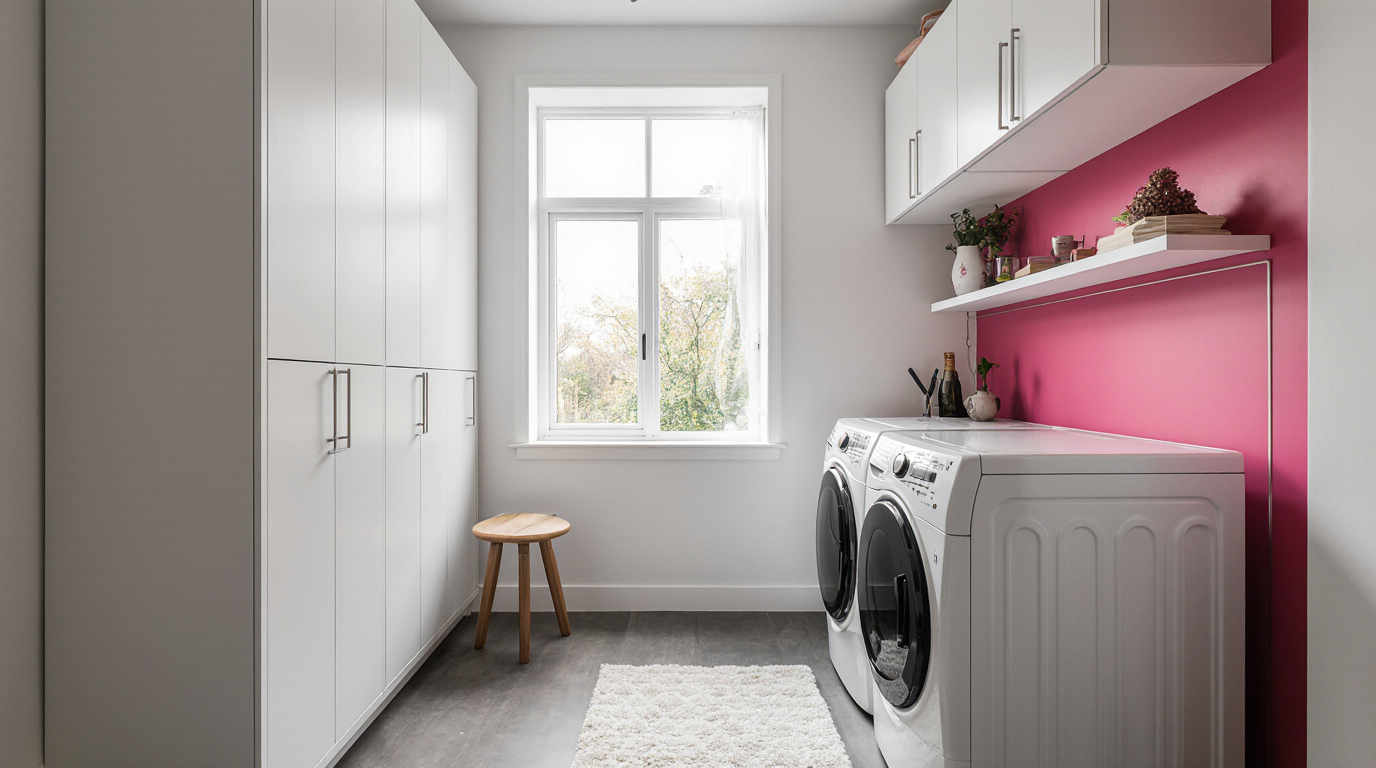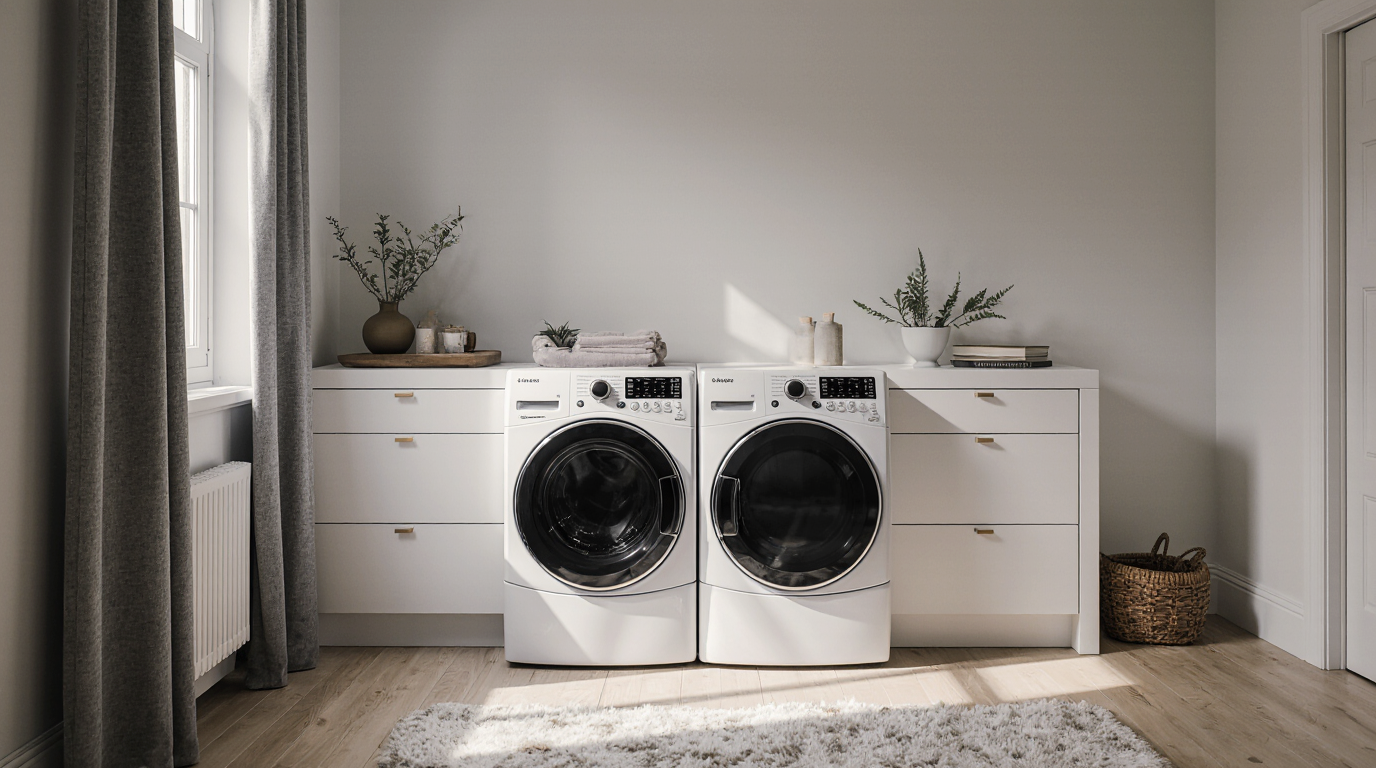
The modern utility space has developed into a dedicated design statement; it is no longer merely a cramped closet housing basic washers and dryers. In the current home design landscape, it serves as an essential nexus, a space demanding thoughtful architectural integration and sophisticated interior design. The goal for an upscale laundry area involves fusing ergonomic efficiency with luxurious visual appeal, making a routine chore feel like a genuinely enjoyable activity. This successful redesign depends on precise forethought, focused on the basics of efficient spatial layout and the thoughtful specification of durable, beautiful components.
One of the primary differentiators between a standard area and a luxurious destination is the dedication to bespoke millwork. Move beyond standard, mass-produced cabinets; an upscale laundry area features floor-to-ceiling units crafted from premium solid woods or durable, moisture-resistant MDF with refined exterior coatings. Think deep, shaker-style doors, integrated pull-out hampers that conceal dirty linens until wash day, and specialized drawers designed to hold detergents, stain removers, and ironing accessories in an organized, dust-free manner. The selection of knobs and pulls is instrumental in defining opulence; opting for brushed nickel, matte black, or polished brass drawer pulls and knobs adds an immediate layer of sophistication and richness.
The countertop selection is another area where practicality intersects with visual appeal. While laminate is cost-effective, true elegance is achieved with solid surfaces such as quartz, granite, or even marble, provided they are correctly protected from inevitable splashes and spills. Such premium materials ensure longevity, are effortless to wipe down, and create a broad, seamless area ideal for garment preparation—a crucial element for comfortable workflow. A large, recessed wash-up sink, often paired with an industrial-inspired, gooseneck tap in a matching hardware tone, adds a layer of professional capability while ensuring a tidy, unencumbered appearance.
Lighting design is frequently underestimated but is essential for task performance and mood creation. A high-end utility space implements more than just a solitary, basic ceiling fixture. Rather, the design employs a combination of light sources. This commences with primary, neutral-spectrum ambient lighting to allow for precise differentiation between different garment shades. This is enhanced with subtle linear task lighting placed beneath the upper units to brighten the key working plane uniformly, eliminating shadows. For a touch of visual drama, consider installing a small, decorative pendant light over the sink area, treating it as a jewel in the room.
The flooring decision shapes the foundational aesthetic of the space. Even though durability and moisture-proof qualities are non-negotiable, the visual contribution must be carefully managed. Oversized ceramic planks designed to replicate the texture of quarry stone or dark wood, often in water-resistant engineered forms, deliver an uninterrupted visual plane that makes the room feel larger. For homeowners seeking a more artisanal touch, ornate mosaic arrangements provide a vintage or bespoke appeal that transforms the space into a visual destination. The grout lines should be minimal or color-matched to the tile to support the seamless effect.
Appliance integration is where modern design truly shines. Instead of letting the washer and dryer become the room’s main focus, opt to surround them with bespoke cabinetry for a refined, tailored look. To achieve the highest level of refinement, think about vertically orienting the washer and dryer when floor area is limited, or selecting contemporary, eye-level models installed in a linear formation. The trend toward smart appliances that offer app-controlled cycles and energy monitoring adds significantly more than mere ease of use but also to a future-forward, intentionally styled setting.
Think vertically for storage efficiency. In addition to typical wall-mounted storage, integrate an ingenious ceiling-mounted airer that descends on demand and retracts flush when not in use. Convenient clothes poles mounted below the cabinetry provide instant staging for wrinkle-prone fabrics after washing, reducing the likelihood of creases and the time spent pressing—a noticeable enhancement to the chore process. For miscellaneous goods, tailored inserts for organizing small accessories and supplies add that final layer of organizational mastery.
The overall mood in a luxurious wash space should be one of tranquility, not disarray. This is established by a careful and intentional scheme of hues. Warm neutrals, soft grays, muted blues, or deep charcoal tones provide a backdrop of understated luxury. Accents can be introduced through textiles, such as a stylish long area rug crafted from a hard-wearing, short-fiber material, or through the addition of beautiful storage vessels using bamboo, rope, or woven wood. Such touches provide a counterpoint to the rigid shapes of the appliances and built-ins, contributing a feeling of tactile richness and a hint of calming retreat.
Always pay attention to the finishing elements that make the room unique and acknowledge its purpose while maintaining a sophisticated veneer. A clever, recessed pressing area that unfolds from the wall or a niche for the vertical fabric refresher with appropriate air circulation shows a commitment to detail. The inclusion of small, beautiful objects—a sculptural accessory, an essential oil infuser, or a miniature potted plant—suggests the room is held to the same high aesthetic standard as the primary living spaces. This comprehensive strategy, uniting practical design with premium material application, provides the method for designing a wash area that leaves a lasting impression that serves as a genuine asset to the residence.