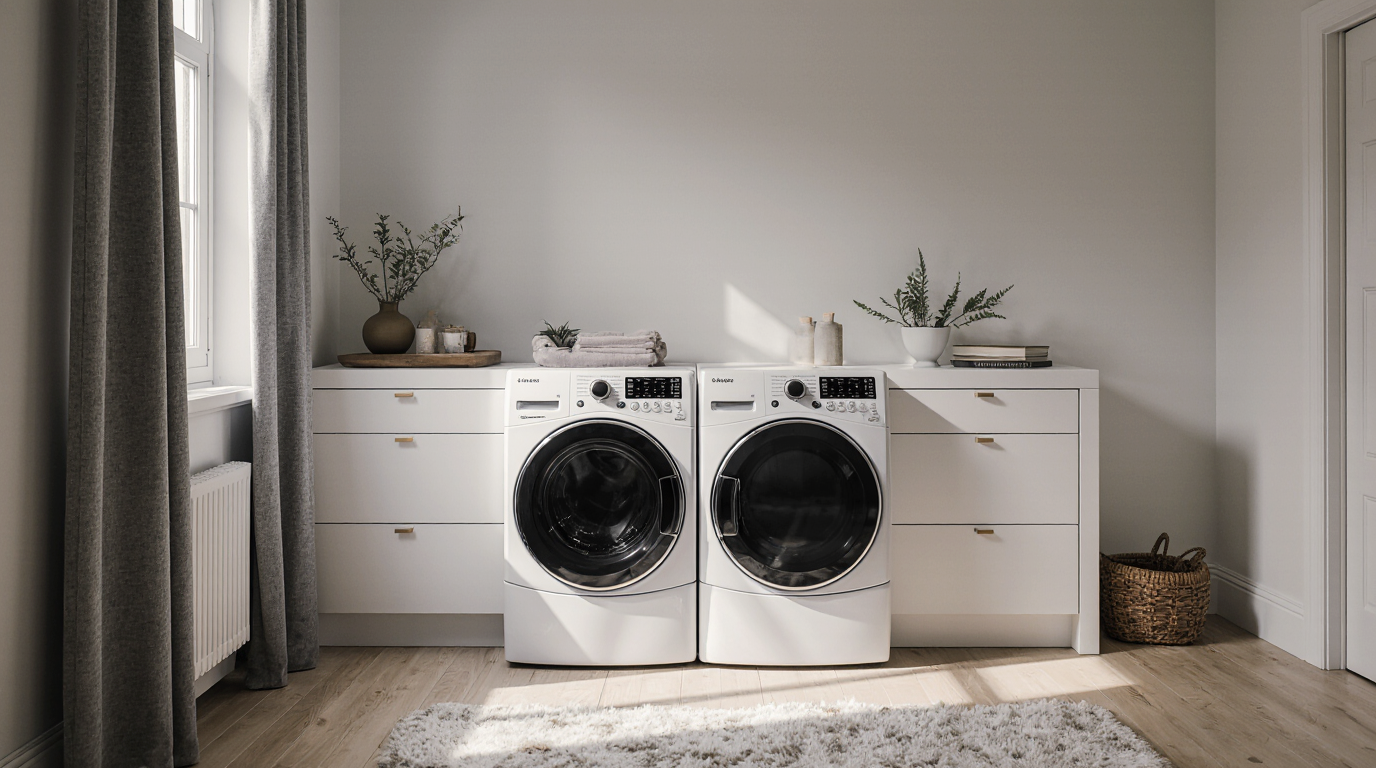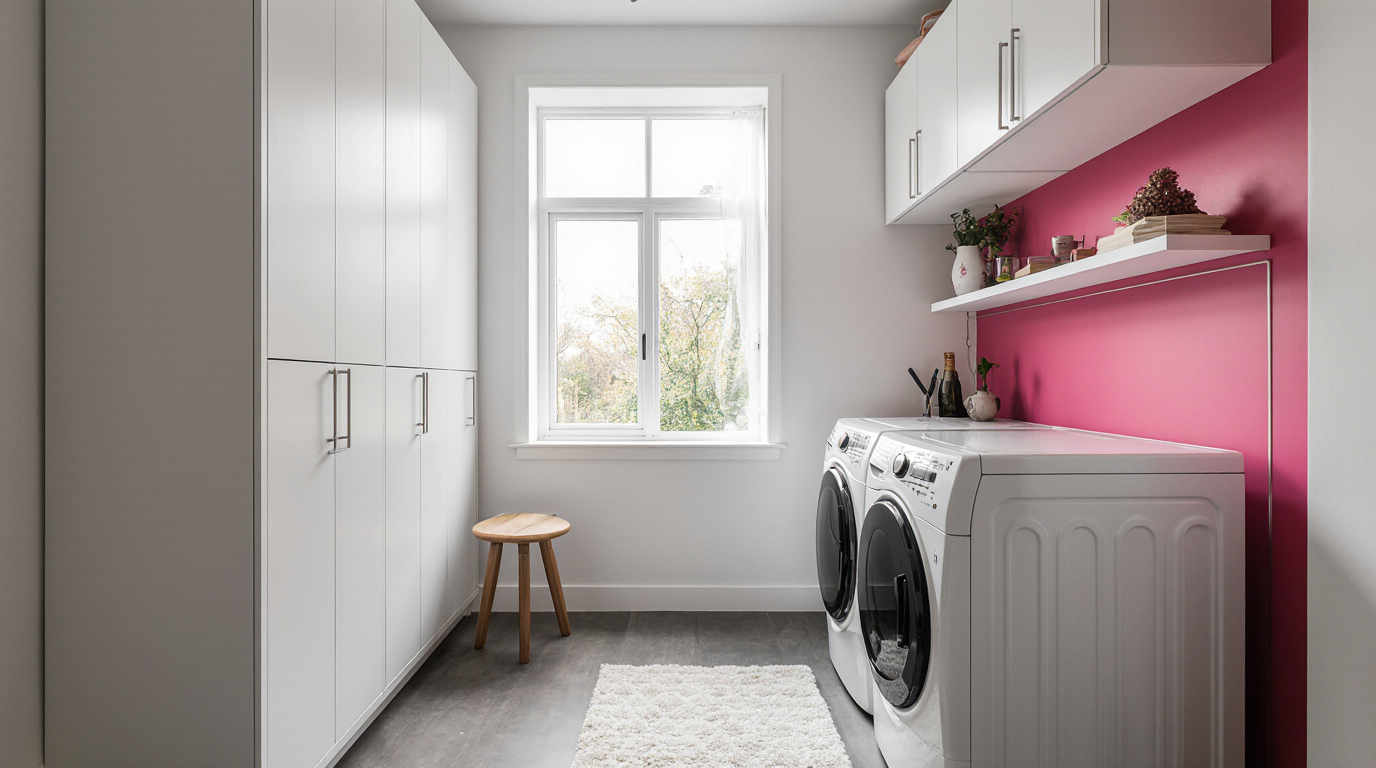
The modern laundry room is undergoing a significant evolution, evolving from a strictly functional secondary concern into a meticulously designed, versatile hub of domestic efficiency and personal well-being. Gone are the days when this space was relegated to a gloomy, musty corner of the basement. Current trends integrate aesthetic innovation and human-centered design to foster an environment where even the most mundane tasks become harmonious. To realize this vision requires a close look at bespoke cabinetry, digital connectivity, and a dedication to eco-friendly products.
A fundamental element of high-end laundry design centers on workflow optimization. This is not merely about where the machines sit; it is about the complete process of a garment, from laundry pile to neatly organized stacks. Human engineering is key. A design flaw to avoid is the fixed height of conventional countertops. In contemporary design, we recommend counters set at a personalized waist level, often near 920 millimeters or a full meter for higher comfort, significantly mitigating musculoskeletal strain caused by prolonged bending over folding surfaces. Beyond this, washer-dryer units should ideally be elevated onto custom pedestals, bringing up the drum opening to a convenient reach, avoiding the incessant, taxing crouch. The intentional layout of machinery should also prioritize an clear route—if designing a narrow room, ensure doors swing clear of the central zone to maintain access and potential injury during load transfer.
Intelligent storage solutions define the boundary between disorder and calm in a perfectly planned laundry. Flexible shelving units are becoming popular for their customization, allowing homeowners to reconfigure shelving as life shifts. We strongly support the use of concealed sorting bins or integrated sorting drawers right below the countertop or flanking the machines. These systems, often including distinct compartments for pre-sorted loads, simplify the pre-wash process and eliminate the messy appearance of piles of clothes. Floor-to-ceiling utilization is another non-negotiable in getting the most out of smaller footprints. Taking advantage of the area between the wall units and the ceiling with a final, high row of hidden shelving stores infrequently used supplies like seasonal cleaning agents out of sight. For frequently accessed items—laundry aids—floating wood shelves offer easy reach while adding a touch of organic texture, often in materials like raw white oak or walnut to complement contemporary palettes. For items needing immediate hanging space, look into using a retractable drying rack that folds flush against the wall or ceiling when not in use, preventing the annoyance of a clunky, fixed rack.
The choice of high-quality fittings and fixtures lifts the room from simple to stunning. Think beyond standard chrome. The introduction of brass, brushed nickel, or even matte black on cupboards and taps creates a premium, accent piece effect. Oversized farmhouse sinks, perhaps executed in durable materials like quartz or a composite stone rather than classic white clay, offer ample space for pre-soaking or hand-washing without spraying over the surrounding surfaces. When considering the utility sink, make sure it is sufficiently large but not so deep that it forces users into excessive forward flexion to reach the bottom—sometimes a basin placed on the counter surface is more comfortable to a deeply recessed one.
Lighting design is an aspect frequently overlooked but crucial for both job performance and the room's mood. A single overhead fixture is insufficient. A truly successful design uses multiple light sources: overhead illumination from flush-mounted pot lights, under-cabinet strips installed directly underneath wall cabinets to brighten the workspace without shadow, and optionally decorative sconce lighting to add visual interest. The light quality is a key consideration; selecting a neutral to slightly warm white light (around 3000K to 4000K) allows that clothing colors are seen clearly.
The current color trends lean towards serene, nature-inspired tones that induce relaxation. Serene blues, earthy moss tones, and warm natural colors are replacing stark white or clinical gray. These colors look fantastic when juxtaposed against the natural texture of hardwood flooring, a material choice that contributes real character and a sense of home, though moisture protection is critical for humidity control. A striking tiled accent, perhaps a geometric pattern in black and white or a colorful motif, draws the eye, providing visual interest in an otherwise practical space.
For seamless automation, look beyond the appliances themselves. Consider incorporating Wi-Fi-enabled ventilation systems that automatically manage moisture, ensuring mold and mildew are prevented from forming. The appliances ought to include advanced textile recognition capabilities that auto-adjust water levels and cycle times, reducing consumption in household resources—a step towards sustainable living within the home.
The best-in-class designs merge utility with lifestyle. The laundry-mudroom hybrid is a top choice, in scenarios where or where functional overlap is beneficial. This requires dedicated zones: a bench for removing boots, hard-wearing surfaces, durable hooks for outdoor gear, and hidden compartments for maintenance items and pet needs. Even in a dedicated laundry space, fitting a dedicated craft area or a folding table allows the room to serve dual duty, turning a chore into a focused activity. The final touch involves personalization: hanging a favorite print, a small decorative mat, or bringing in resilient indoor plants, such as a naturally air-purifying species, shifts the room's vibe entirely from a work area to a calming space. This all-encompassing philosophy makes certain the laundry room is not just efficient, but an inspirational domestic space.