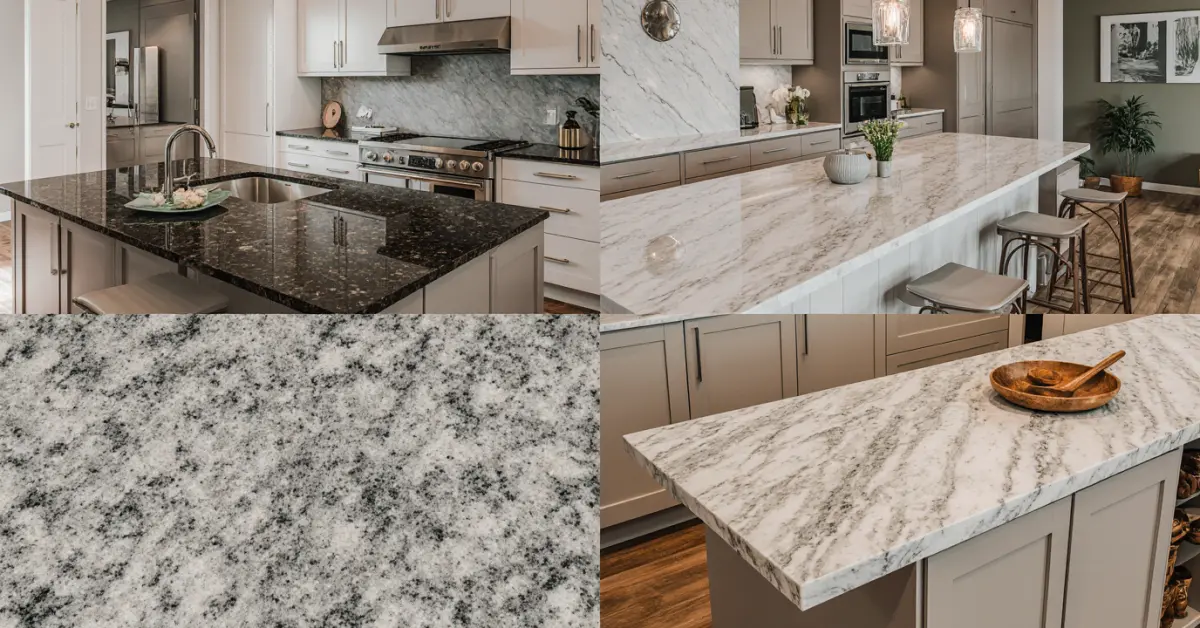
I remember a project in a beautiful waterfront home on Longboat Key. The client had fallen in love with a specific slab of Carrara marble during a trip to Italy. Against my advice, they insisted on it. Less than two years later, I was called back. The pristine white surface was etched and had developed a subtle, irreversible yellow tinge near the windows, a direct result of the relentless combination of salt air and UV exposure. Their dream countertop became a constant maintenance headache, a perfect example of why material choice in Sarasota is less about trends and more about environmental science.
Executive Summary: Countertop Selection in Sarasota
From my direct experience installing countertops from Lakewood Ranch to Casey Key, the central challenge is balancing
From my direct experience installing countertops from Lakewood Ranch to Casey Key, the central challenge is balancing aesthetics with long-term performance against humidity and UV light. The wrong material doesn't just look bad; it fails prematurely, leading to costly replacements. The most successful projects prioritize non-porous and UV-stable materials, understanding that our coastal environment is the ultimate stress test.
- Dominant Local Factor: The combination of high humidity and intense sunlight accelerates staining in porous stones and can cause discoloration (yellowing) in resins used in some engineered products.
- Performance Indicator: Porosity is the single most critical technical specification. Low-porosity materials like quality quartz and properly sealed dense granites consistently outperform porous stones like marble or travertine.
- Cost Misconception: The initial price per square foot is misleading. The true cost is the initial price plus the lifetime maintenance and sealing expenses, which can double the investment for the wrong material in this climate.
- Geographic Nuance: Homes west of the Trail, especially on the barrier islands, require a higher standard of material selection due to direct salt spray exposure, which can pit and degrade lesser-quality surfaces.
The Most Common Planning Failures I See
The biggest mistakes happen long before a slab is ever cut. They are rooted in prioritizing a specific “look” seen on a national design show or blog without filtering it through the lens of our local Sarasota environment. This leads to predictable and expensive disappointments.
Prioritizing Aesthetics Over Environmental Suitability
This is the number one failure. A client sees a beautiful, vein-matched marble waterfall island in a magazine and becomes fixated. What the photo doesn’t show is that the home is in a dry, northern climate. Here, that same marble will absorb ambient moisture, making it susceptible to staining from a simple spilled glass of orange juice. I’ve seen countertops ruined in under a year because the material's porosity was completely ignored in favor of its pattern.
How Countertop Selection and Installation Works Here
The process in Sarasota is more involved than simply picking a slab. It includes verifying material sourcing, understanding the fabrication nuances for different materials, and ensuring the installation accounts for our building codes, especially in high-rise condos or homes in wind-borne debris zones.
A Realistic Timeline and Process
First, we determine the performance needs based on your location and lifestyle. A full-time family in a Palmer Ranch home has different needs than a seasonal resident in a downtown condo. Once a material category is chosen (e.g., quartz, granite), we select the specific slab. From template to installation, the typical timeline is 10 to 15 business days. However, sourcing a specific or exotic slab can add weeks to this. In new construction, this process must be coordinated with the General Contractor to comply with the Sarasota County building inspection schedule.
A Practical Comparison of Countertop Materials for Sarasota
Choosing a countertop isn't a one-size-fits-all decision. The best choice depends on your tolerance for maintenance, your home's location, and your budget. Below is a comparison based on factors that matter most in our coastal climate.
| Material | UV & Salt Air Resistance | Stain & Humidity Resistance | Typical Installed Cost (per sq. ft.) |
|---|---|---|---|
| Engineered Quartz | Good to Excellent (High-quality brands use UV inhibitors) | Excellent (Non-porous) | $80 - $150+ |
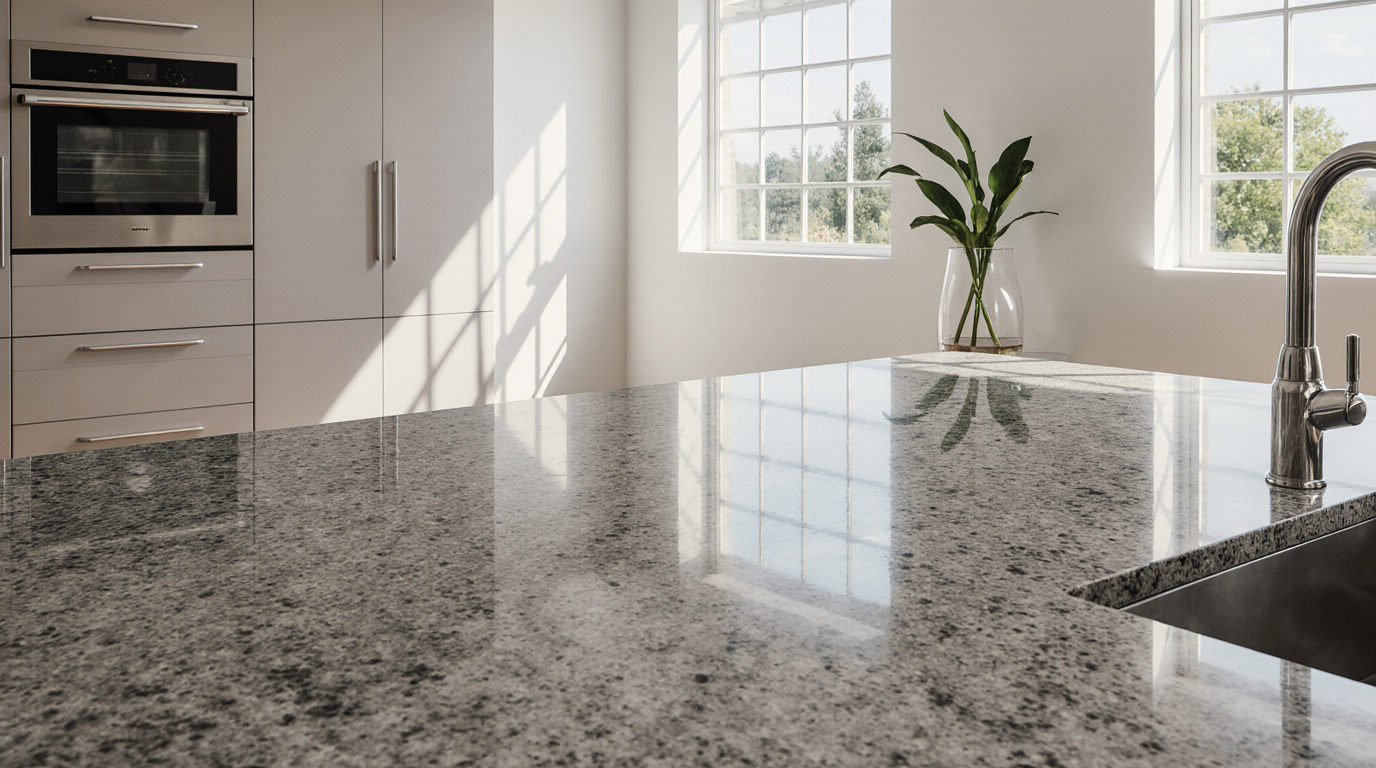
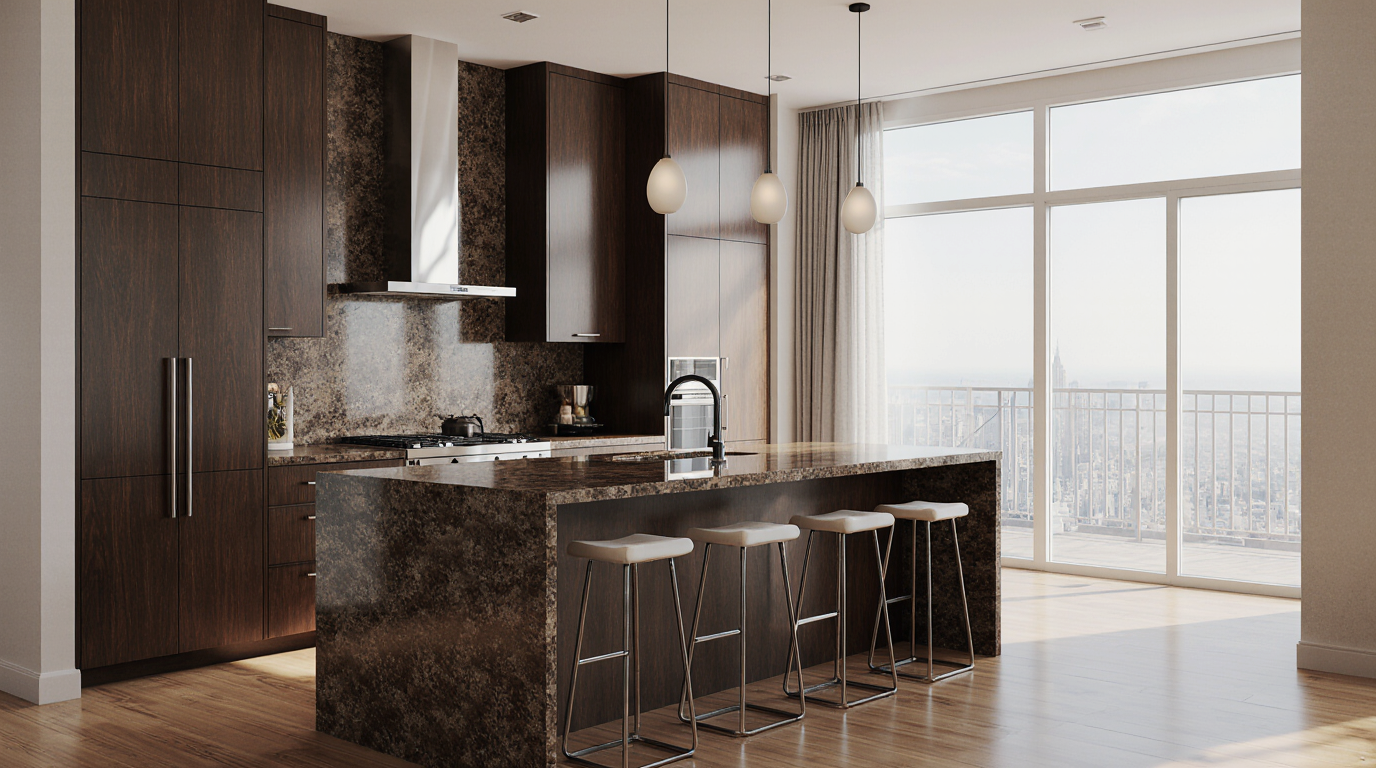
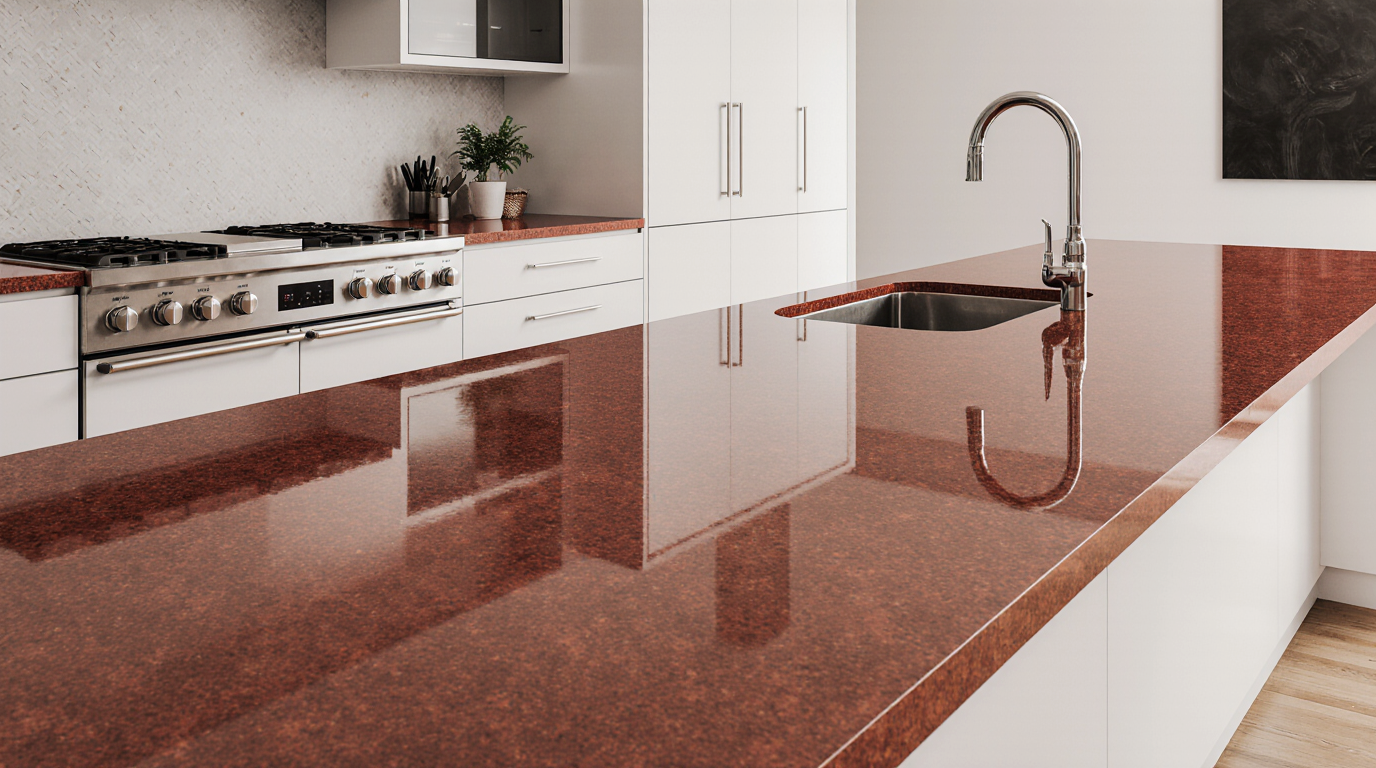
| Granite | Excellent (Natural stone is UV stable) | Good (Requires sealing every 1-3 years) | $70 - $200+ |
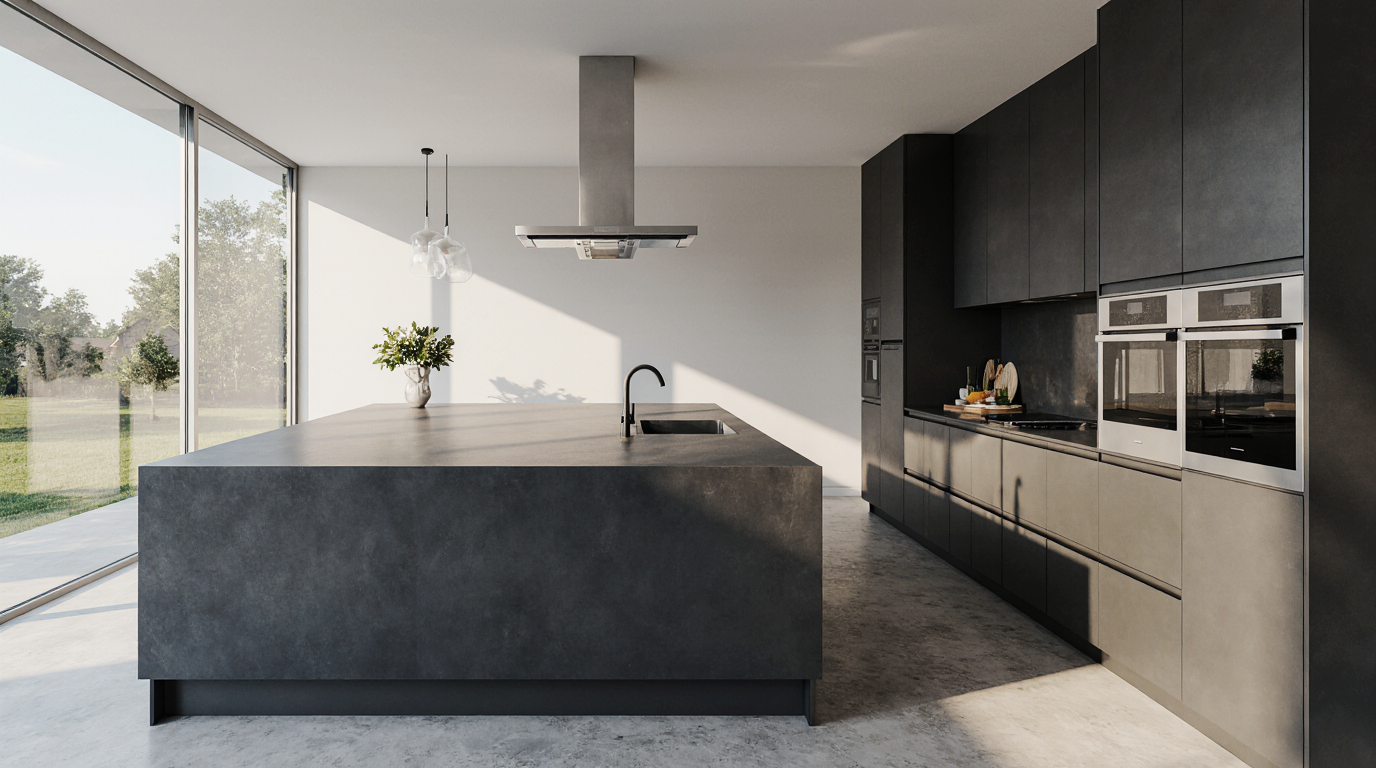
| Quartzite | Excellent (Natural stone is UV stable) | Very Good (Denser than granite, still needs sealing) | $90 - $220+ |
| Marble | Poor to Fair (Prone to etching and discoloration) | Poor (Highly porous and stains easily) | $100 - $250+ |
When Engineered Quartz Is Not the Right Choice
Despite its popularity, quartz has a key vulnerability in our market: outdoor use. I often get requests for quartz countertops for outdoor kitchens in communities like The Founders Club. I always advise against it. The resins that bind the quartz particles can yellow and become brittle with direct, prolonged exposure to Sarasota's intense sun, voiding the manufacturer's warranty. For outdoor applications, a dense granite or even porcelain slab is a far superior, more durable choice.
A Sarasota Homeowner's Hiring Checklist
Vetting a countertop installer in Florida involves more than checking their gallery. You need to ensure they understand the specific technical and regulatory requirements of working in our area. Ask these questions before signing any contract.
- Is the installer properly licensed and insured in the state of Florida? Ask for their license number and verify it.
- Do they have specific experience with installations on barrier islands (Siesta Key, Longboat Key)? This environment requires different logistical planning and material handling.
- What is their protocol for sealing natural stone? They should be able to explain the type of sealer used and the recommended re-application schedule for our high-humidity climate.
- If you live in a condo, can they provide proof of insurance that meets your building's specific requirements (often naming the association as an additional insured)?
- Do they warranty their installation workmanship separately from the material manufacturer's warranty? A one-year workmanship warranty is a standard minimum.
- How do they handle remnants? Knowing this can be a way to find a piece for a smaller project, like a vanity, and achieve what some consider 'cheap countertops' by using high-quality leftovers.
Decisions That Truly Determine the Outcome
A successful countertop project is defined by durability and long-term satisfaction, not just the initial look. The pivotal decisions are made when you balance your aesthetic desires with the non-negotiable realities of our local environment. It's a trade-off that many are unwilling to make initially, but always appreciate in the long run.
The Mini Case Study: A Tale of Two White Countertops
I worked with a client in an older home near Southside Village who wanted a classic, bright white kitchen. They were deciding between a beautiful white marble and a high-end white quartz that mimicked marble veining. The marble was their first love, but its porosity was a major concern for their busy family life. The quartz was about 15% more expensive. After we discussed the inevitable etching, staining, and biannual sealing the marble would require, they reluctantly chose the quartz. A year later, they told me it was the best decision they made. A guest had spilled red wine that sat overnight, and it wiped away without a trace. They chose peace of mind over a specific aesthetic whim, and that decision will save them thousands in maintenance and eventual replacement costs.
Practical Answers for Countertop Projects in Sarasota
Navigating a countertop installation involves practical, local hurdles. From permitting to dealing with community associations, understanding the landscape is key to a smooth process.
Do I Need a Permit for Just Replacing Countertops?
In Sarasota County, if you are doing a simple countertop replacement with no changes to the plumbing or electrical layout, a building permit is generally not required. However, the moment you move a sink, add an outlet to the island, or alter the cabinet structure, you trigger the need for a permit. This is a critical distinction. Unpermitted work can create major issues when you sell your home. A reputable installer will always clarify this scope upfront.
How Do HOAs in Communities Like Lakewood Ranch Affect My Choice?
Homeowners Associations, particularly in master-planned communities, often have Design Review Committees. While they typically don't dictate your interior countertop material, they get involved if your renovation is part of a larger project visible from the outside or if it involves significant construction traffic and debris. For example, getting a large slab of quartzite delivered might require a specific route or delivery time. You must check your community's covenants before scheduling the work.
Are There Special Requirements for High-Rise Condos?
Absolutely. Installing countertops in a downtown Sarasota or Longboat Key high-rise is a completely different operation. Most condo associations have strict rules on working hours (e.g., 9 AM to 4 PM, no weekends), require freight elevator reservations, and mandate floor and wall protection in all common areas. Installers must carry higher liability insurance, often in the range of $2 million. These factors add logistical complexity and can modestly increase the labor cost compared to a single-family home.