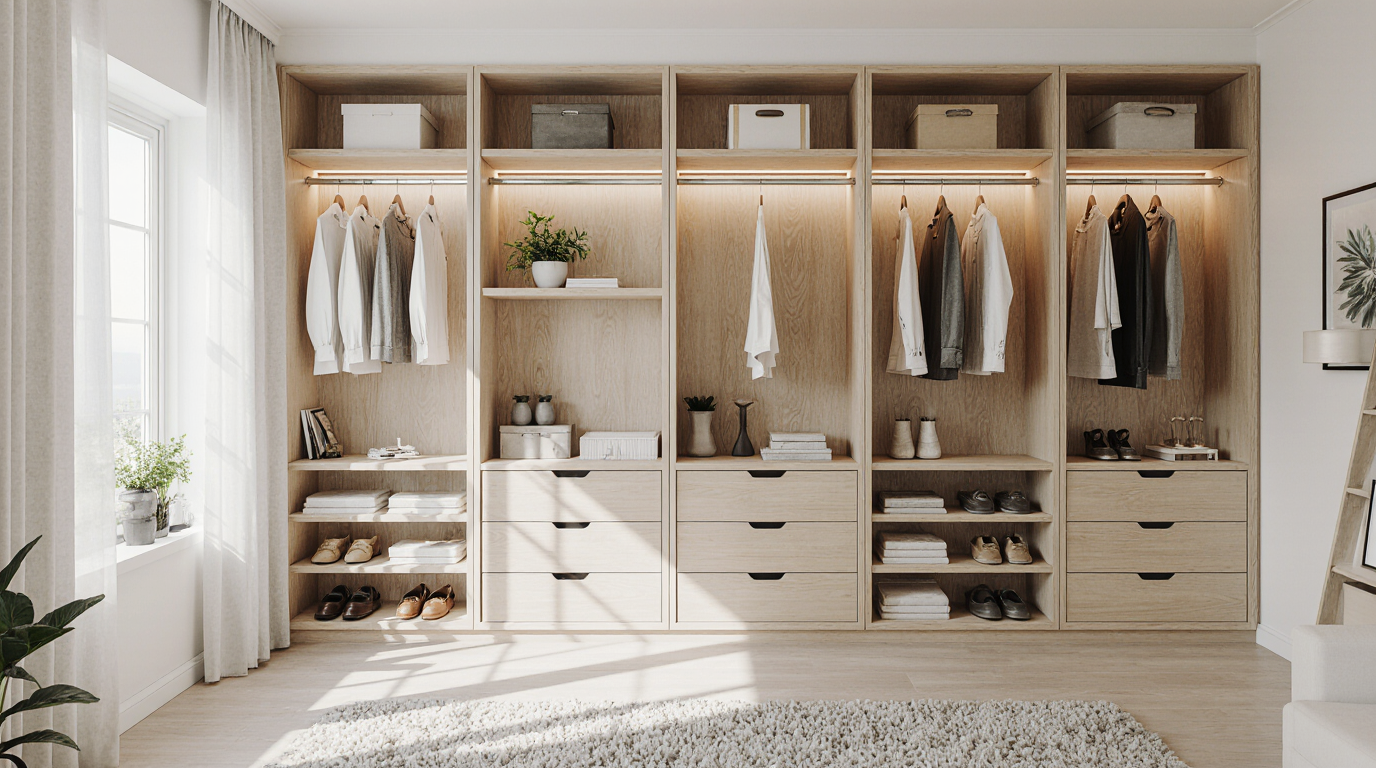
My Diagnostic Framework for Maximizing Closet Space and Longevity
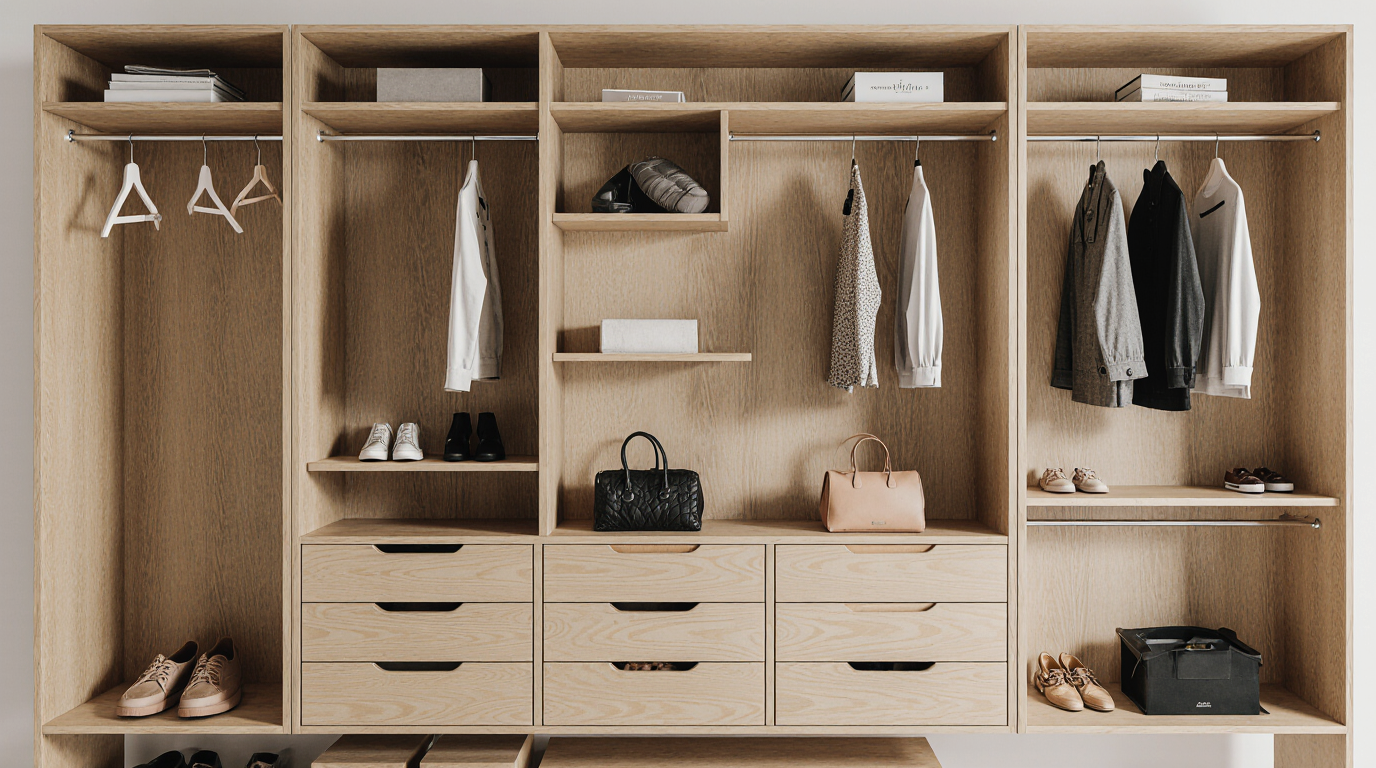
Before any design is sketched, my first step is a thorough environmental and usage analysis of the space. I don't just measure wall-to-wall. In a Lakewood Ranch estate with high ceilings, I'm assessing the potential for vertical storage—often an untapped resource that can increase usable capacity by 30% through multi-level hanging rods and high-reach shelving. For a waterfront condo on Lido Key, my primary focus shifts to airflow and proximity to windows and HVAC vents. I analyze how the daily temperature and humidity cycle will impact the materials, a factor that dictates the specific engineering of the cabinet carcasses.
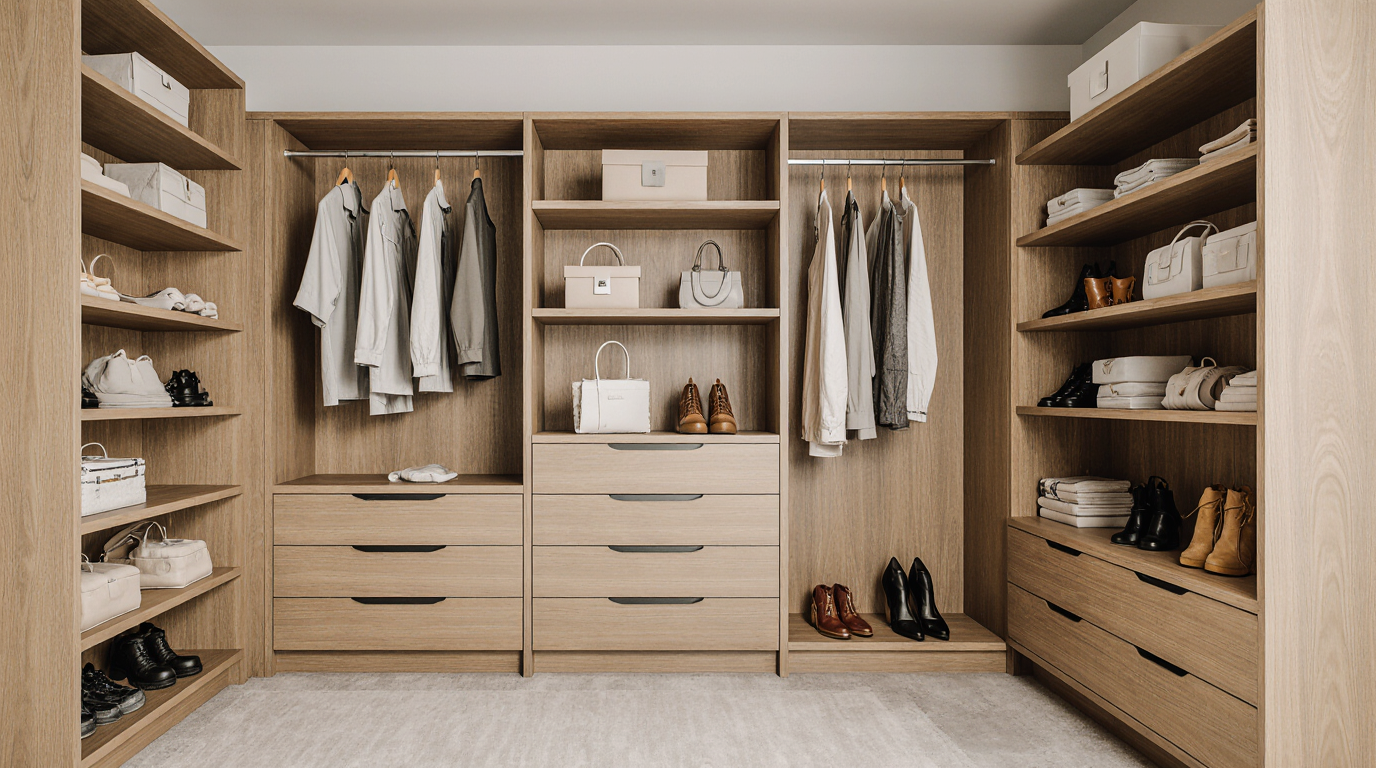
This diagnostic phase also involves a detailed wardrobe inventory. A collection of heavy suits and coats requires a different structural load-bearing design than a wardrobe of lightweight linens and dresses. I map out specific zones based on frequency of use, creating ergonomic layouts where everyday items are highly accessible while seasonal or formal wear is stored efficiently. This is about creating a functional system, not just a set of shelves and rods. My design philosophy is that the closet's internal architecture should be as thoughtfully planned as the home's primary floor plan.
A Technical Breakdown of Climate-Resistant Materials and Hardware
While the core of my closets is marine-grade plywood, the specifics matter. For visible surfaces and doors, I often use Okoume plywood, which offers exceptional stability and a flawless surface for finishing. For drawer boxes, which bear dynamic loads, I insist on void-free Baltic Birch plywood, known for its superior strength and joinery integrity. These choices are fundamental to preventing the racking and twisting that plagues lesser materials in Florida's climate.
Hardware is another area where I make no compromises. Standard steel or zinc-plated hinges and drawer slides will show signs of corrosion within a few years. My specification is a minimum of 316 stainless steel for all exposed hardware and hanging rods. For concealed mechanics, I rely on systems like Blum Tandem plus BLUMOTION runners, which I specify with their highest level of corrosion-resistant coating. Furthermore, the edge banding is sealed with PUR (polyurethane reactive) adhesive, which creates a waterproof, permanent bond that is impervious to the delamination caused by high humidity—a stark contrast to the standard EVA hot-melt glues used in mass-produced cabinetry.
The Fabrication and Installation Protocol I Personally Oversee
Every component is precision-cut using CNC technology to maintain tolerances below 1/32 of an inch, ensuring perfect alignment. From there, my process deviates significantly from industry norms. Here is the protocol I follow for every project:
- Pre-Assembly Sealing: I mandate that every cut edge of every panel is sealed against moisture *before* the closet is assembled. This is a time-consuming but critical step that encapsulates the raw core, preventing any moisture ingress over the lifetime of the unit.
- Engineered for Airflow: In every closet system I build for coastal homes, I integrate subtle passive ventilation channels into the design, typically behind the back panels. This small detail prevents stale, musty air and protects valuable clothing and accessories.
- Cabinet Assembly with Structural Fasteners: The closet is assembled using high-grade structural screws and specialized wood adhesives, not just staples and pins. This creates a monolithic unit that will not shift or loosen over time.
- Precision On-Site Scribing: No wall is perfectly plumb or level. The final installation involves painstakingly scribing the closet system to the unique contours of the walls, creating a seamless, fully integrated appearance with no unsightly gaps.
Final Adjustments and My Personal Quality Standard
After the main installation is complete, I spend several hours performing micro-adjustments. My standard is a consistent 2mm gap on all doors and drawer fronts, a tolerance that is only achievable if the entire structure is perfectly square and stable. This level of precision ensures the smooth, silent operation of all moving parts. I also test the weight capacity of all shelves and rods to ensure they exceed the demands of the client’s wardrobe. This isn't just about aesthetics; it's about delivering a piece of functional furniture that performs flawlessly every single day.
Is your current closet's material composition actively working to defeat Sarasota's humid climate, or are you simply waiting for the first signs of material failure to appear?