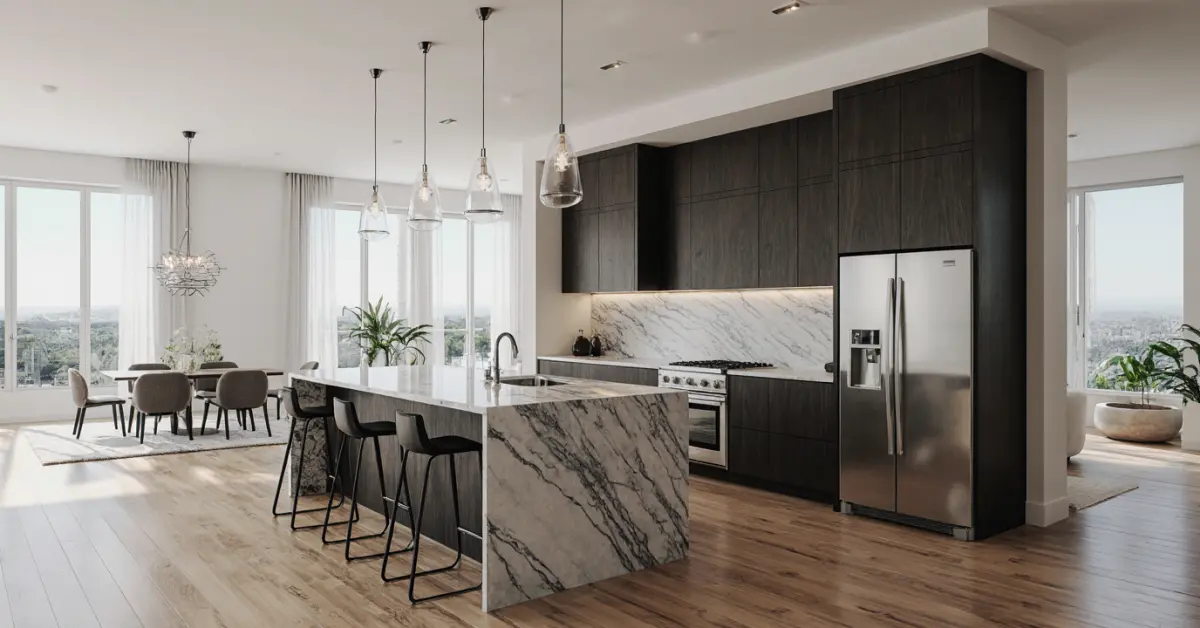
The most critical decision when customizing your kitchen in Sarasota isn't the countertop material or the cabinet color. It's the specification of the plywood core used for the cabinet boxes and the grade of the hardware, elements most homeowners never see. Ignoring this foundation for the sake of surface-level aesthetics is the single most common, and costly, mistake I see in coastal Florida projects, leading to delamination and functional failure within years.
Executive Summary: Customizing a Kitchen for the Sarasota Climate
From my direct experience executing projects from Palmer Ranch to Lido Key, a successful Sarasota kitchen customization
From my direct experience executing projects from Palmer Ranch to Lido Key, a successful Sarasota kitchen customization hinges on a materials-first approach, not an aesthetic one. The relentless humidity and salt air are not abstract concerns; they are active agents that will degrade improperly specified materials. A truly custom kitchen here is one engineered to resist the environment, with functionality and beauty built upon that resilient foundation. This involves prioritizing structural integrity and climate-appropriate finishes over purely cosmetic choices.
- Material Specification: Prioritize marine-grade or moisture-resistant plywood for all cabinet boxes and substrates, especially for homes on the barrier islands.
- Hardware Selection: Specify 304 or 316 stainless steel for all hinges, drawer glides, and pulls to prevent corrosion from salt air.
- HOA Compliance: Factor in a 45- to 60-day buffer for architectural review board (ARB) approvals in communities like The Founders Club or Lakewood Ranch.
- Ventilation Strategy: Integrate high-CFM ventilation that is properly ducted to the exterior to manage indoor humidity generated from cooking, a critical factor in preserving cabinetry.
The Planning Failures That Inflate Costs After the Contract Is Signed
The most significant budget overruns I've witnessed stem from assumptions made during the design phase. Homeowners often fall in love with a design concept sourced from a non-coastal region and fail to account for the technical adjustments required for Sarasota. This oversight creates a cascade of change orders and delays once the project is underway and the builder confronts the practical realities of our climate.
For example, a client may specify a large, hand-built kitchen island with intricate paneling made from a standard wood like poplar. Once we begin fabrication, the reality of potential expansion and contraction in our humidity forces a discussion about upgrading to a more stable engineered wood product or a different species, a conversation that should have happened—and been budgeted for—at the very beginning. This isn't an upsell; it's a necessary course correction.
The Underestimation of Humidity's Impact
The most expensive failure is treating humidity as a minor detail instead of the central design constraint. I worked on a project in a beautiful home West of Trail where the client insisted on traditional inset cabinet doors for a classic look. However, they opted against the recommended quarter-sawn oak, which is dimensionally stable, to save on material costs. Within two summer seasons, the solid wood doors had swollen enough to bind in their frames, making them difficult to open and close and ruining the perfect painted finish. The cost to remove, resize, and refinish all the doors and drawer fronts was nearly 30% of the original cabinetry budget—a completely avoidable expense.
The Customization Process in Practice for Sarasota Residents
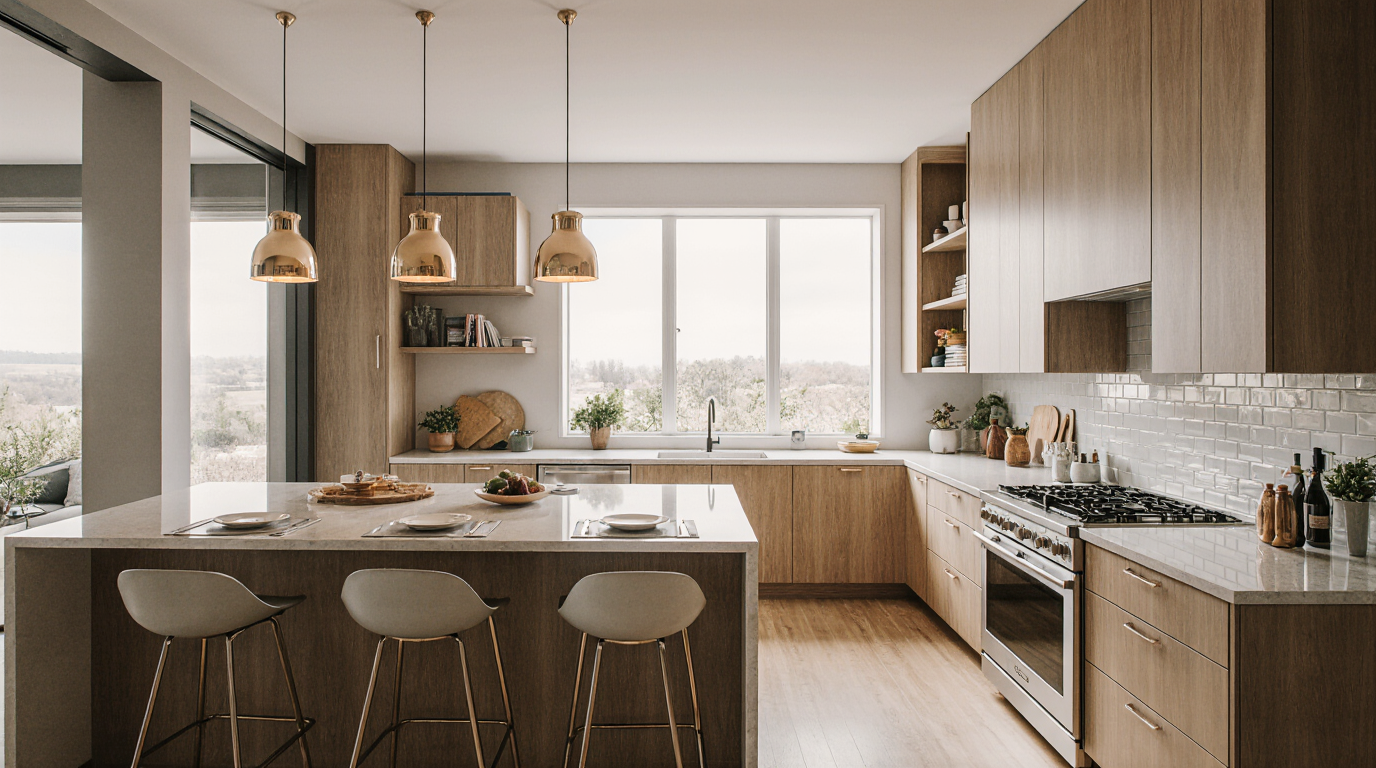
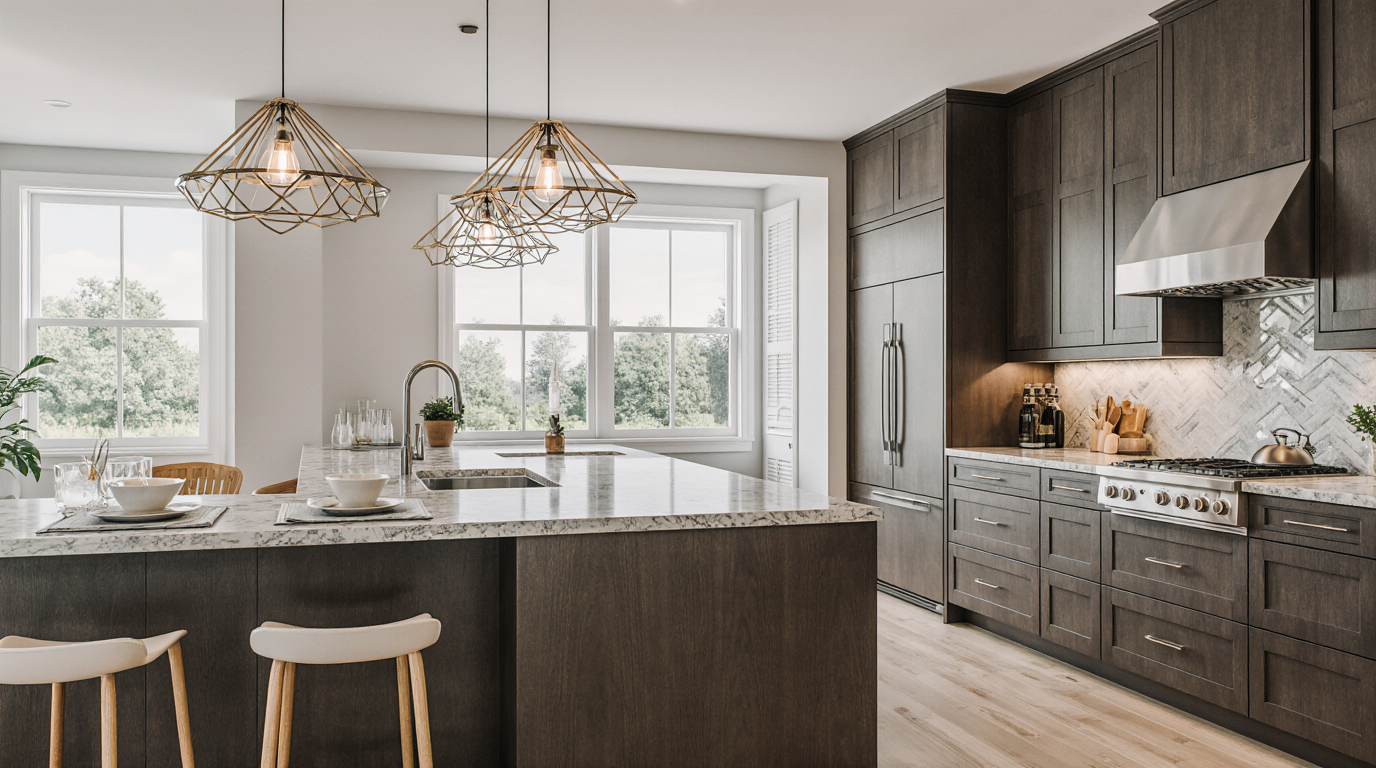
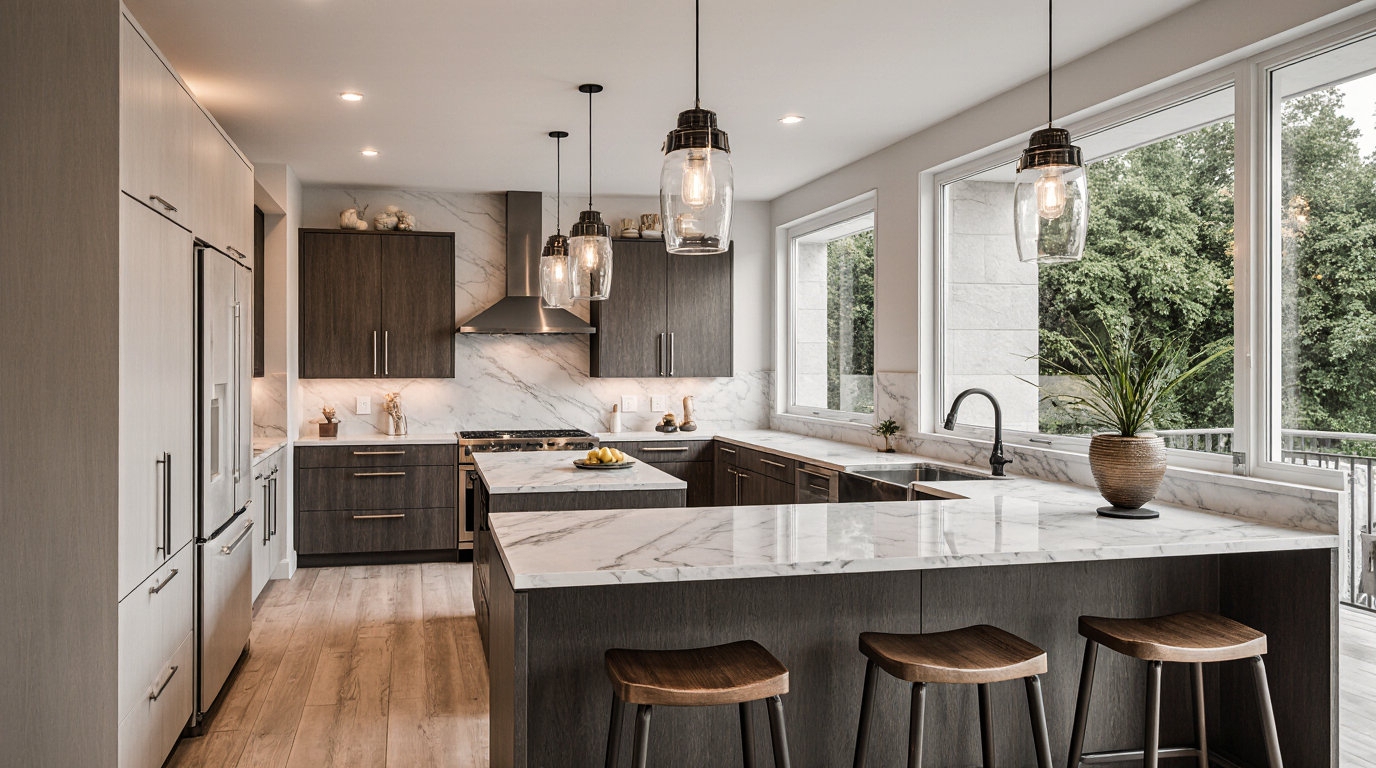
A custom kitchen project here is a multi-stage process involving design, material procurement, fabrication, and installation, all governed by local codes and, often, homeowner association rules. The process begins with a deep dive into your lifestyle—how you cook, entertain, and use the space. This informs the layout, particularly for something as central as a custom-made kitchen island with seating, which must balance ergonomics with traffic flow.
Once a design is finalized, we move to material selection, where the conversation must be brutally honest about performance in this climate. Fabrication is then scheduled, and this is a key timeline variable. A truly hand-built kitchen island from a local craftsman can have a lead time of 10-16 weeks, not including installation. This timeline must be synchronized with permit applications to the City of Sarasota or Sarasota County, which can add another 4-6 weeks to the pre-construction phase.
Critical Selection Criteria for a Sarasota Kitchen Specialist
- Verifiable Coastal Experience: Ask for addresses of projects completed on or near the water (e.g., Casey Key, Longboat Key) and speak to those homeowners about material performance over time.
- In-House Finishing Capability: A workshop that controls its own finishing process can apply more robust, multi-layer conversion varnishes necessary to seal wood against moisture, a step often rushed by third-party finishers.
- Knowledge of Sarasota County Permitting: Your builder must understand local requirements, such as when plumbing or electrical permits are triggered by reconfiguring a kitchen custom-made island.
- Transparent HOA Process Management: They should have a clear process for submitting design plans to your specific HOA, whether in a large community or a downtown condo association, and know the common points of rejection.
Comparing Customization with Other Kitchen Renovation Options
Choosing a fully custom kitchen is a significant commitment. It's essential to weigh it against other viable options, like semi-custom or high-end stock cabinetry, especially when considering the specific demands of a Sarasota property. The primary differentiator is not just aesthetics, but long-term structural resilience in a challenging environment.
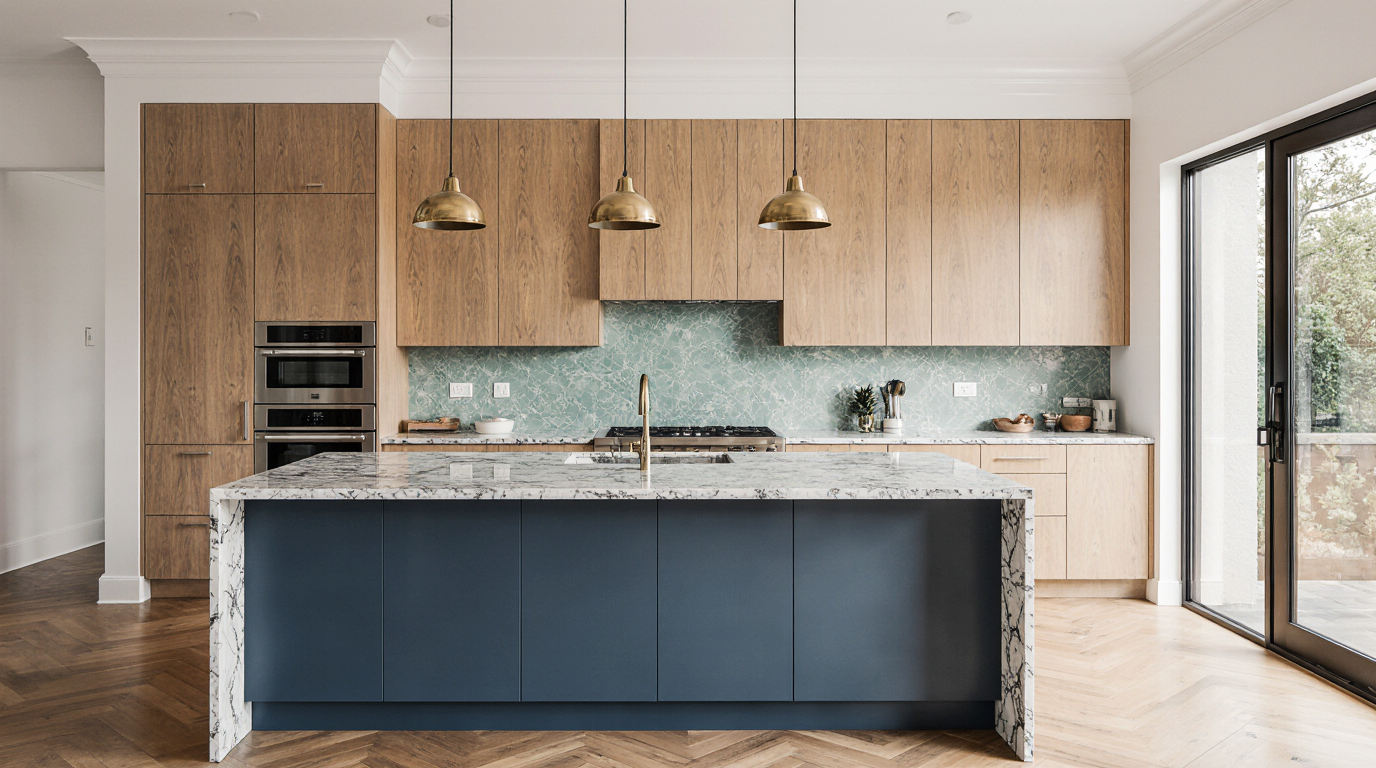
A hand-made kitchen island, for example, allows for precise integration of appliances and unique seating arrangements that stock options cannot accommodate. More importantly, it allows for the specification of marine-grade plywood and joinery techniques designed to resist moisture from the ground up.
When a Fully Custom Approach Isn't the Right Choice
A fully custom kitchen is not the best path if your renovation timeline is less than four months. The necessary phases of detailed design, material sourcing, artisan fabrication, and meticulous installation cannot be rushed. For seasonal residents or those facing a tight move-in date, a high-quality semi-custom cabinet line that offers moisture-resistant options can be a more pragmatic and timely solution, even if it means sacrificing some design specificity.
| Feature | Fully Custom Kitchen | Semi-Custom Cabinetry | Stock Cabinetry |
|---|---|---|---|
| Material Control | Total control; can specify marine-grade plywood and stainless hardware. | Limited to manufacturer's options; some offer plywood upgrades. | Typically particle board or MDF; poor moisture resistance. |
| Design Flexibility | Unlimited. Any size, shape, or finish is possible for elements like custom-built islands. | Fixed sizes with some modification options (e.g., depth reduction). | Fixed sizes and styles only. |
| Typical Timeline | 4-6 months from design to completion. | 2-3 months from order to completion. | 2-4 weeks for delivery and installation. |
| Climate Resilience | Highest, when specified correctly for coastal conditions. | Moderate, dependent on upgrade selections. | Lowest, high risk of swelling and delamination. |
A Safe Hiring Checklist for Your Sarasota Project
Hiring the right team is the most important decision you will make. A beautiful portfolio is not enough; you need a partner with proven technical expertise in building for our specific coastal conditions. Verifying their process and qualifications is non-negotiable to protect your investment.
- Verify their Florida contractor's license is active and registered with Sarasota County.
- Request proof of liability and workers' compensation insurance specific to the project's value.
- Ask for a sample material specification sheet. It should detail not just the wood species but the plywood grade, hardware material (e.g., 304 Stainless), and finish type (e.g., 2K Polyurethane).
- Inquire about their warranty specifically as it relates to warping, swelling, or finish failure due to humidity.
- Confirm they handle the entire permitting process, including electrical and plumbing for island modifications, with the relevant municipal building department.
- For properties in a VE or AE flood zone, ask how they approach cabinet installation to comply with FEMA regulations and mitigate water damage risk.
- Discuss their protocol for dust and debris management, especially critical for renovations in occupied condos or homes.
Decisions That Ultimately Determine the Outcome
The success of a custom kitchen project is defined by a few key decisions made long before the first piece of wood is cut. These choices are about function and durability first, with aesthetics following. The pattern I've seen is that clients who are happiest in the long run are those who invested more in the unseen infrastructure of their kitchen than in the decorative finishes.
This means allocating budget to a superior ventilation system, choosing the moisture-resistant cabinet box material, and selecting robust drawer glides. A hand-built island is a beautiful centerpiece, but its utility is compromised if its drawers bind or its finish peels. Focusing on this foundational integrity ensures the kitchen not only looks custom but feels solid and performs reliably every day.
The Critical Moment Most Homeowners Get Wrong
The moment of failure often occurs during the initial budget allocation. Most people assign the majority of their funds to visible items: countertops, appliances, and cabinet door styles. The correct approach is to first fully fund the non-negotiable, climate-specific infrastructure: marine-grade substrates, stainless hardware, and a high-performance, properly vented range hood. Only after these items are secured in the budget should you allocate the remainder to the aesthetic selections. This reverses the common process but guarantees a kitchen that lasts in Sarasota.
Practical Answers for Kitchen Projects in Sarasota
Navigating the local requirements and practical challenges is key to a smooth project. These are not just bureaucratic hurdles; they are safeguards that ensure your renovation is safe, compliant, and durable. Understanding them upfront prevents costly delays and surprises.
Dealing with Condominium Association Board Reviews
Most downtown Sarasota and Longboat Key condo associations have strict rules governing renovations. You typically need to submit a full package including the contractor's license and insurance, a detailed scope of work, and sometimes material samples. Boards are mainly concerned with noise, plumbing work that could affect units below, and approved work hours (often restricted to 9 AM - 4 PM, Monday-Friday). Approval can take 30 days, so this must be the first step after finalizing a design.
Florida Building Code and Wind-Borne Debris Regions
While cabinetry itself is not a structural component for wind resistance, its installation can be impacted by code. For new windows or exterior doors that are part of the kitchen remodel in a designated high-velocity hurricane zone (HVHZ), they must meet strict impact-resistance standards (FBC, Chapter 16). This can affect the kitchen layout and must be coordinated with the window installer and your general contractor to ensure a seamless, compliant result.
Permitting for Custom Made Kitchen Islands with Seating
Adding or significantly altering a kitchen island often triggers the need for permits. If you are adding a sink, dishwasher, or electrical outlets to the island, you will need separate plumbing and electrical permits from Sarasota County or the city. A common mistake is assuming this is minor work. The county requires these permits to ensure the work is done to code, especially concerning GFCI protection for outlets near a water source, which is a critical safety requirement.