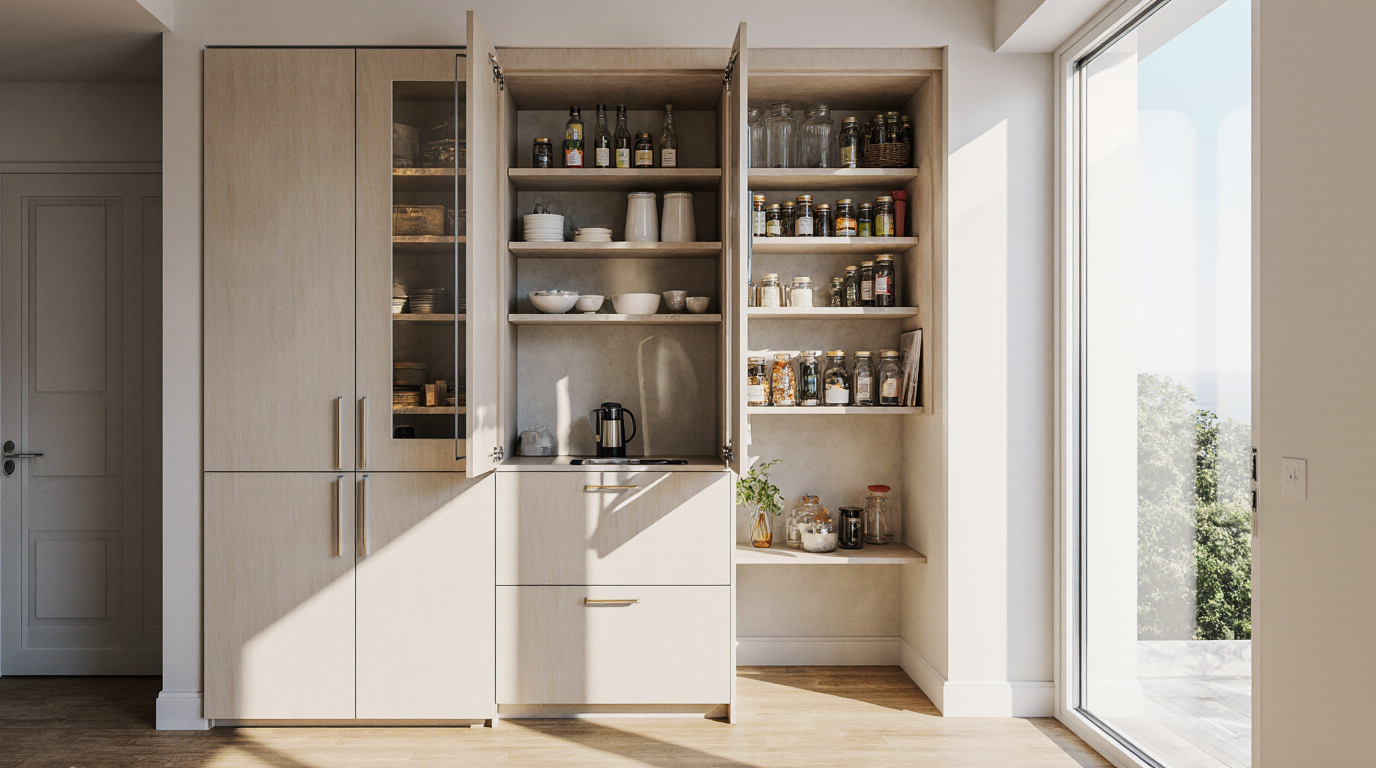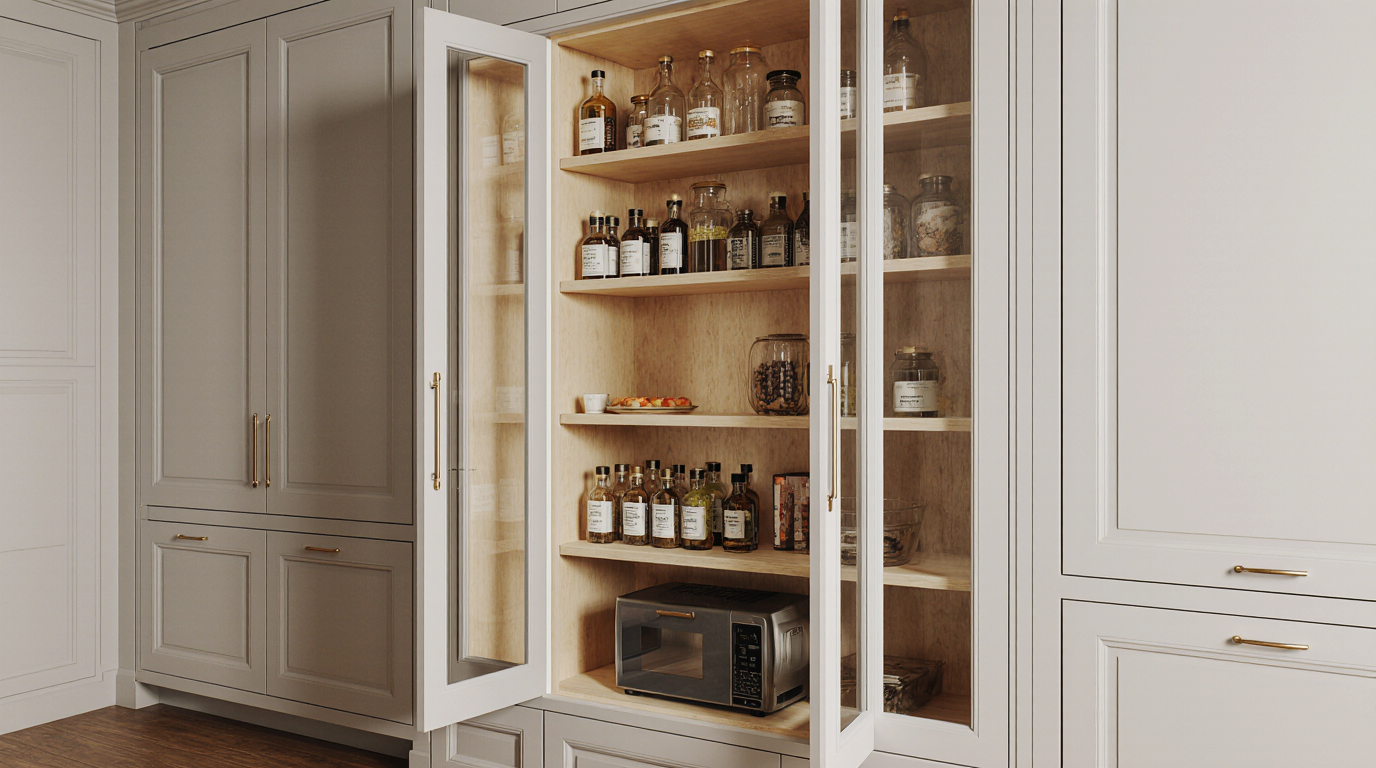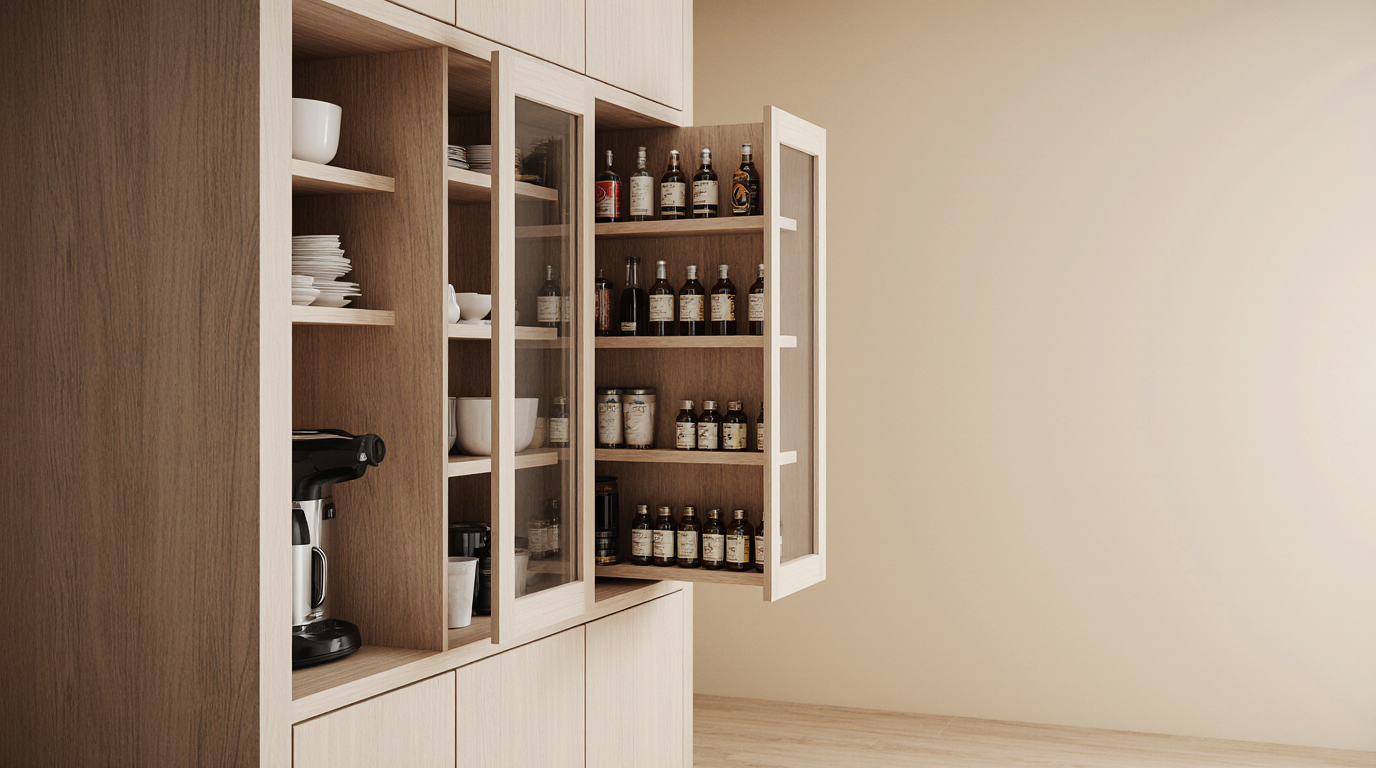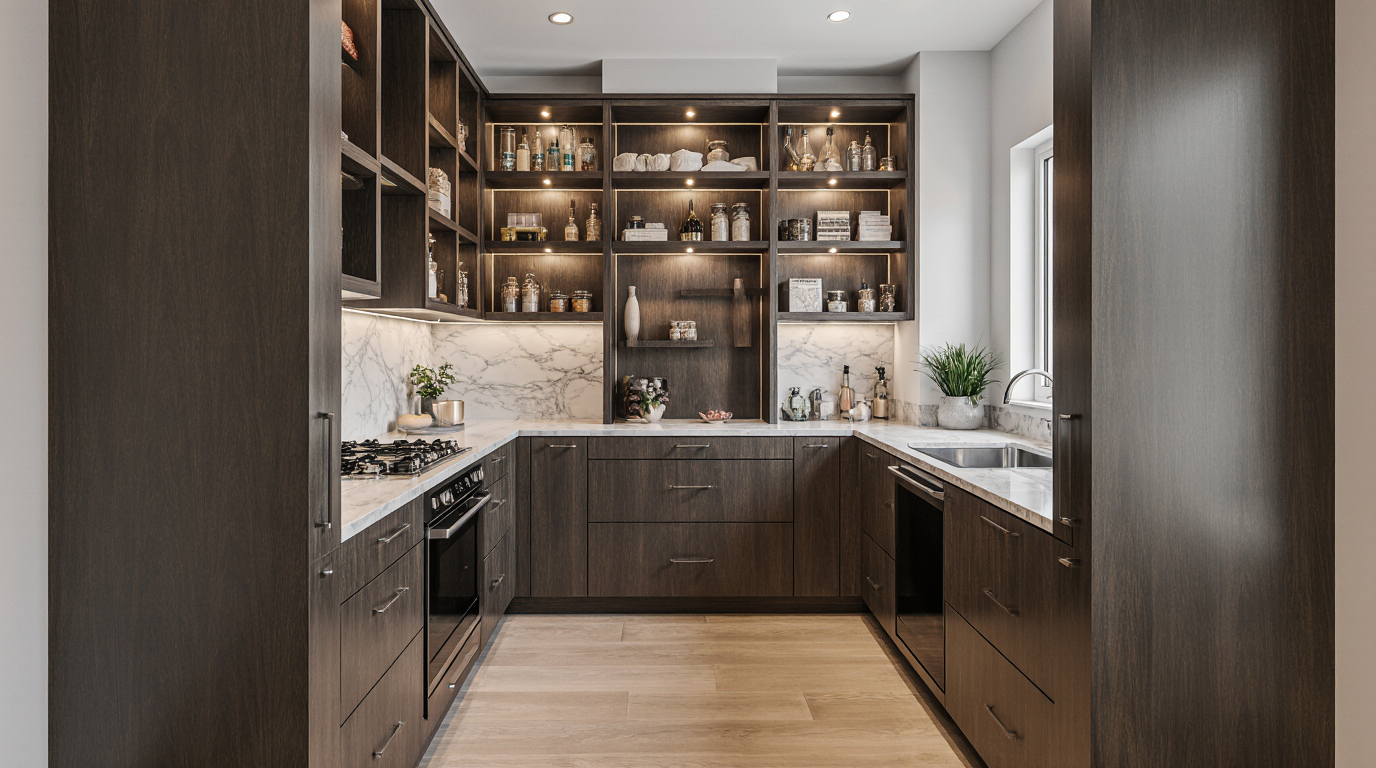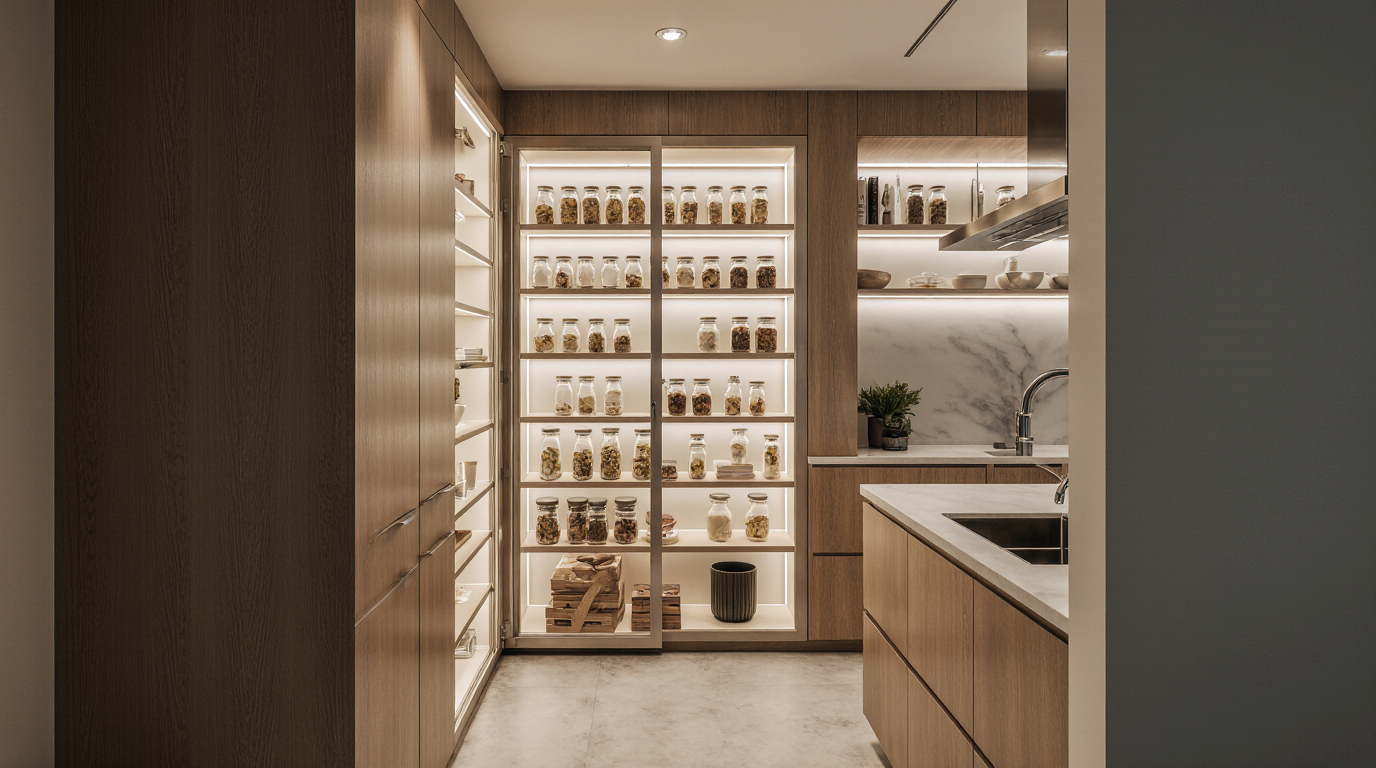
In Sarasota County, the average relative humidity hovers around 75% year-round. For a custom pantry—an enclosed space often without direct HVAC airflow—that number isn't just a weather report; it's a structural threat. I've seen beautifully crafted pantries with solid wood shelving begin to warp within two seasons because the design treated our local climate as an afterthought. The most critical part of a pantry redesign here isn't the layout; it's the material science and ventilation strategy needed to combat inevitable moisture.
Executive Summary: A Sarasota-Specific Pantry Strategy
From my direct experience designing and building pantries from Southside Village to the barrier islands, a successful
From my direct experience designing and building pantries from Southside Village to the barrier islands, a successful project in this climate is less about trends and more about resilience. A pantry must actively combat humidity, not just store goods. This involves specifying materials that are dimensionally stable and finishes that inhibit microbial growth, while ensuring the space has a pathway for air exchange. Forgoing these steps often leads to a full teardown and rebuild within five years.
- Core Problem: Persistent high humidity and salt air exposure causing material degradation (warping, delamination) and microbial growth (mold, mildew) inside enclosed pantry spaces.
- Critical Solution: Prioritize moisture-resistant substrates like marine-grade plywood or high-density composites over standard MDF or solid wood for structural components.
- Ventilation is Non-Negotiable: A pantry design must include passive or active ventilation—louvered doors, vented shelving, or a dedicated air supply vent tied into the home's HVAC system.
- HOA Compliance: In communities like Lakewood Ranch or Palmer Ranch, any structural pantry redesign that alters walls may require review by the Architectural Review Committee (ARC), a process that can add 30-60 days to the project timeline.
The Planning Failures That Lead to a Failed Pantry
The most common missteps happen long before a single piece of wood is cut. They are rooted in applying design principles from other regions to our unique coastal environment. A black kitchen pantry might look stunning, but if the finish can't handle the humidity without showing every speck of mildew, it's a functional failure.
The Most Expensive Failure: Ignoring Air Circulation
The pattern I've seen repeatedly is an obsession with maximizing every square inch of storage, resulting in a hermetically sealed box. Clients want solid doors to hide clutter and floor-to-ceiling shelving, which inadvertently creates stagnant air pockets. The result is a musty smell within months, followed by visible mildew on walls and packaging. The most expensive mistake is building a pantry without a dedicated ventilation plan. This oversight forces a costly remediation, often requiring the removal of all shelving, drywall treatment, and a complete rebuild with a proper ventilation system integrated.
The Design and Build Process in Practice
A custom pantry project in Sarasota is a multi-stage process that balances aesthetic desires with environmental realities. It begins with a deep assessment of the home's specific conditions—its proximity to the water, the efficiency of its HVAC system, and the client's lifestyle (e.g., seasonal vs. year-round residency).
Key Selection Criteria for a Sarasota Pantry Specialist
When choosing a builder, you're not just hiring a carpenter; you're hiring a materials expert who understands the local climate. The portfolio is secondary to their technical specifications.
- Demonstrated use of marine-grade materials: They should be able to explain exactly why and where they specify marine-grade plywood (which uses waterproof glue) over standard cabinet-grade plywood.
- Experience with local HOAs and condo boards: Ask for examples of projects in communities like The Meadows or Prestancia and how they navigated the design approval process.
- Integrated ventilation solutions: Their designs must show evidence of ventilation, whether it's integrated vents, louvered door designs, or recommendations for mechanical solutions.
- Knowledge of coastal-appropriate finishes: They must use finishes with mildewcides and understand how to prep and seal cabinetry to prevent moisture intrusion, especially for homes on Siesta Key or Lido Key.
Comparing Custom Pantries to Other Storage Solutions
A fully custom pantry is a significant investment. It's crucial to weigh it against semi-custom or modular options, especially considering the added cost of building for Sarasota's climate. The primary benefit of custom is the ability to integrate climate-resilience from the ground up.
| Feature | Full Custom Pantry | Semi-Custom Cabinetry | Modular/DIY Systems |
|---|---|---|---|
| Humidity Resistance | Designed-in from start; marine-grade materials and custom ventilation are standard options. | Limited; material choices often restricted to standard MDF or particleboard cores. | Poor; typically uses materials highly susceptible to moisture damage and warping. |
| Layout Efficiency | Total optimization of space, including awkward corners and non-standard depths. | Uses standard cabinet sizes with fillers, resulting in some wasted space. | Highly inefficient in non-standard spaces; reliant on fixed component sizes. |
| Typical Cost | Highest initial investment, but built to last in the local climate, preventing replacement costs. | Moderate, but may not include necessary upgrades for moisture resistance. | Lowest initial cost, but high risk of failure and replacement within 3-5 years. |
When a Full Custom Design Is Not the Right Choice
A full custom pantry is overkill if your home has excellent, modern HVAC with a dedicated dehumidifier system and the pantry is located in a core, interior part of the house away from exterior walls. In this specific scenario, a well-sealed semi-custom solution might perform adequately, saving significant upfront cost. However, this is a calculated risk that I rarely see pay off in the long run here.
A Safe Hiring Checklist for Your Pantry Project
Verifying a contractor's credentials in Florida goes beyond checking for a license. You need to confirm their specific expertise in coastal construction and cabinetry.
- Verify their General Contractor or Residential Contractor license is active and in good standing on the Florida DBPR (Department of Business and Professional Regulation) website.
- Request proof of both General Liability and Workers' Compensation insurance specifically for work in Sarasota County.
- Ask for at least two local references for pantry projects completed more than three years ago to assess long-term durability.
- Review their material specification sheet. If it lists standard MDF as the primary carcass material without discussion, this is a major red flag.
- Confirm their familiarity with the Florida Building Code, particularly sections related to wind load and anchoring if the pantry is on an exterior wall in a hurricane-prone zone.
- For condo owners, ensure the contractor has experience working within the rules of high-rise buildings, including service elevator reservations and specific work hours.
- Ask how they warrant their work against moisture-related failures like warping or mildew. A confident builder will have a clear policy.
Decisions That Determine the Outcome
The success of a custom pantry in this environment hinges on a few key decisions made at the outset. Getting these right ensures longevity; getting them wrong guarantees frustration. It's not about custom pantry ideas from a design blog; it's about engineering a space for our reality.
The Exact Moment the Majority Gets It Wrong
The project goes off the rails when the client and designer finalize the layout and aesthetic—the fun part—before they have a serious conversation about the budget for substrates and ventilation—the critical part. The most effective decision is to allocate 15-20% of the total budget specifically to moisture-mitigation upgrades *before* you choose a single finish or drawer pull. This means committing to marine-grade plywood or a similar composite core and a ventilation strategy from day one. Most people do it in reverse, falling in love with a look and then trying to cut costs on the unseen structural elements, which is precisely what fails in our climate.
Practical Answers About Operations in Sarasota
Navigating a custom build involves more than just design. It means dealing with local regulations and logistical challenges that are specific to our area.
Do I Need a Permit for a Pantry Redesign?
A permit from the Sarasota County Building Department is generally not required if you are only replacing cabinetry and shelving within the existing pantry footprint. However, if the pantry redesign involves moving or adding walls, altering electrical layouts (e.g., adding outlets or new lighting), or modifying plumbing, a building permit is absolutely mandatory. Attempting this work without one can lead to stop-work orders and difficulty selling the home later.
How Do HOA Design Reviews Impact the Timeline?
In master-planned communities, the Homeowners Association's Architectural Review Committee (ARC) or Design Review Board (DRB) often has jurisdiction over significant interior renovations. Even if a county permit isn't needed, the HOA may require a formal submission of plans. This process can add a minimum of 30 days to your project timeline before any work can begin, a critical factor for seasonal residents on a tight schedule.
What's Different About a Pantry in a Waterfront Condo?
Building in a waterfront condo on Longboat Key or in Downtown Sarasota involves unique logistical hurdles. First, all materials must be salt-air resistant, from hinges (stainless steel is a must) to finishes. Second, the condo association will dictate work hours, debris removal procedures, and service elevator access. Finally, any core drilling or significant anchoring into concrete walls often requires a structural review to ensure the building's integrity is not compromised.