Executive Summary of Our Approach
From my hands-on work in Sarasota, a successful custom laundry room is less about maximizing cabinet space and more
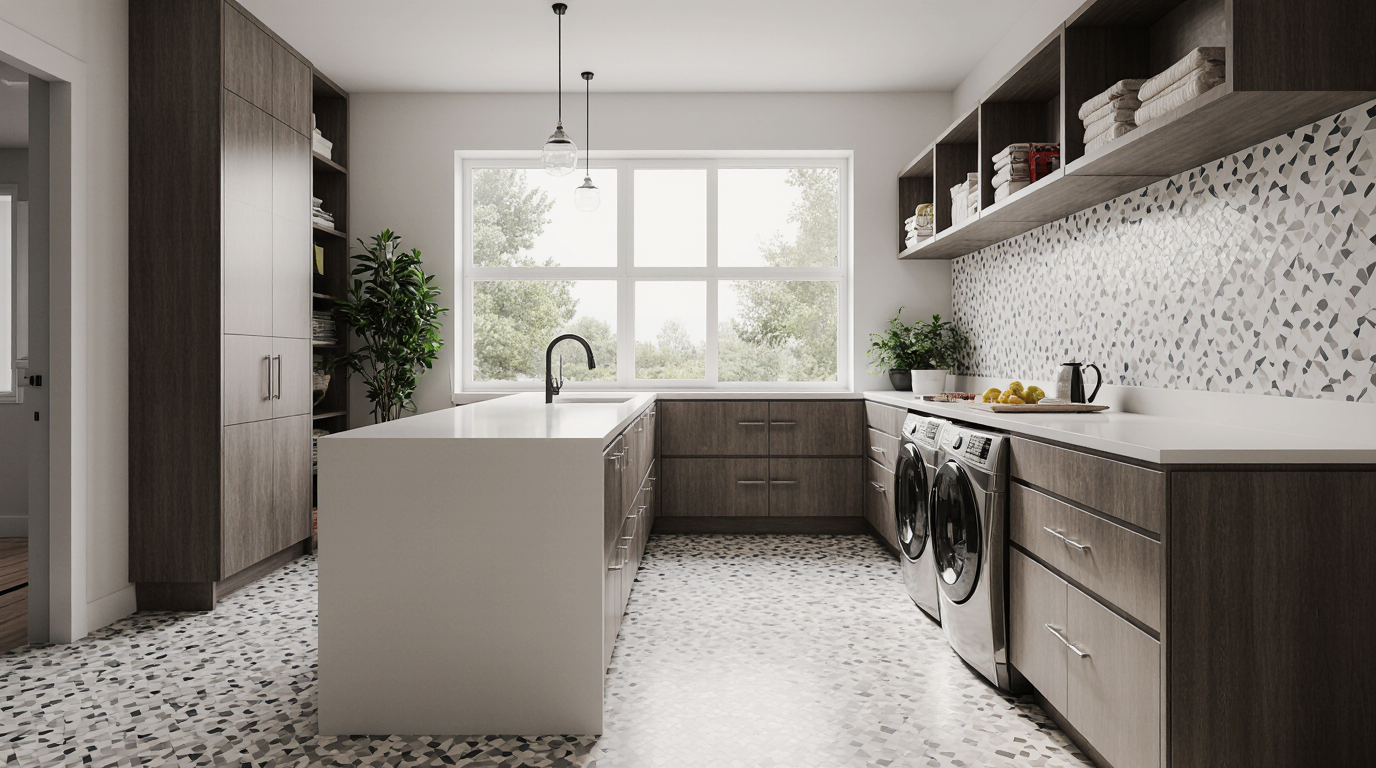
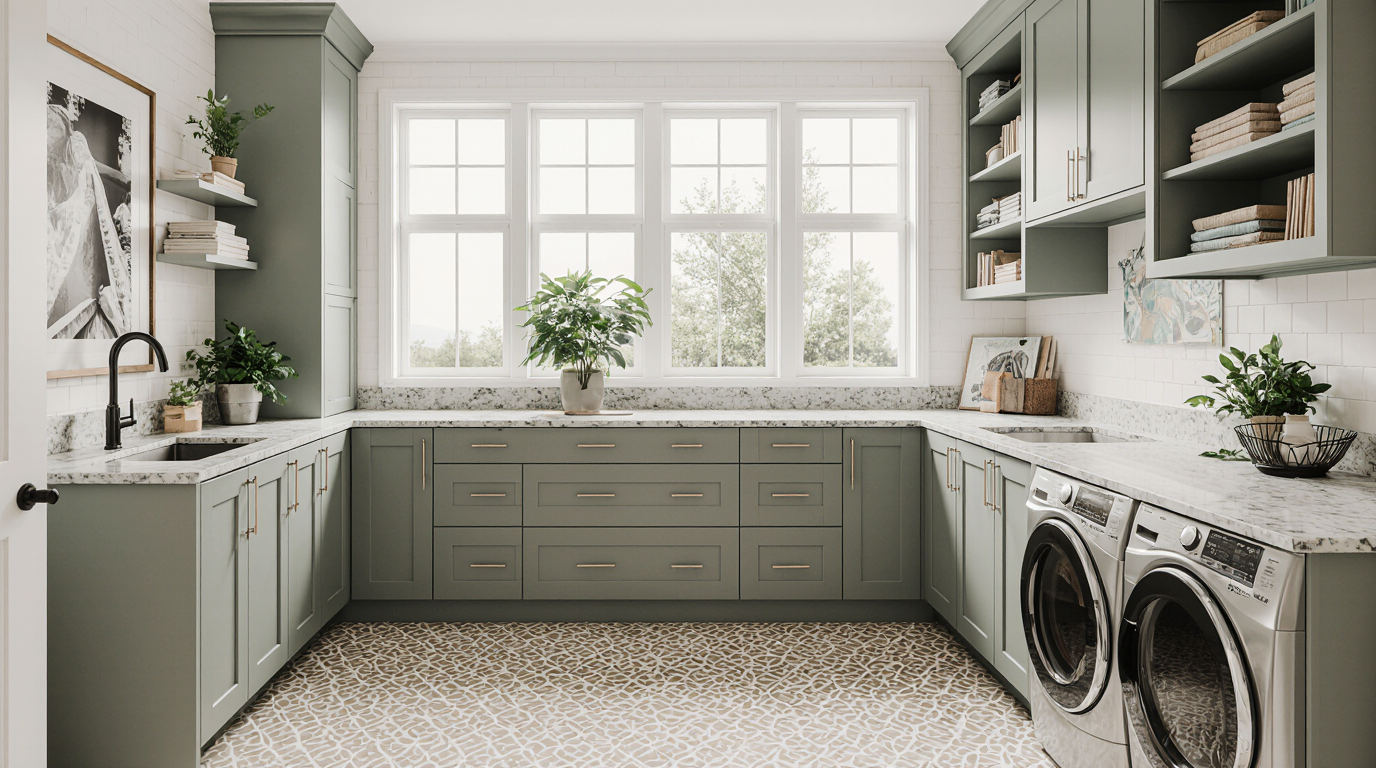
From my hands-on work in Sarasota, a successful custom laundry room is less about maximizing cabinet space and more about engineering a system that actively combats moisture and salt air corrosion. Many projects fail not from poor craftsmanship, but from using materials and designs suited for a dry climate. I build systems designed for our coastal reality, integrating ventilation into the cabinetry itself and using substrates that won't delaminate when the summer humidity peaks. The goal is a room that works as hard as you do, without becoming a maintenance liability.
- Material Specification: We prioritize marine-grade plywood or solid polymer materials over standard MDF or particle board, which are guaranteed to fail in this climate.
- Integrated Ventilation: Cabinet design incorporates passive or active ventilation to prevent stale, moist air from being trapped, a primary cause of mold.
- HOA Navigation: We manage the entire design review and approval process for communities like Lakewood Ranch, which often have strict guidelines on modifications.
- Functional Zoning: Layouts are designed for real-life use, with dedicated zones for sorting, folding, storage, and often pet care or mudroom functions.
The Planning Failures That Compromise Laundry Rooms in Florida
The biggest mistakes happen long before the first cabinet is installed. They stem from underestimating the aggressive nature of our environment. Homeowners often bring design ideas from northern climates that are simply not viable here without significant modification. The focus on aesthetics over material science is the root of most long-term problems.
The Most Expensive Failure: Ignoring Ventilation
The costliest error I consistently see is treating the laundry room as a sealed closet. Clients invest in beautiful, floor-to-ceiling custom cabinetry, boxing in their washer and dryer, but make no provision for the heat and moisture those appliances generate. Within two years, I've seen cabinet doors warp, paint peel, and mold bloom on the drywall behind the units. The fix isn't cosmetic; it requires deconstruction, mold remediation, and rebuilding with proper ventilation—a cost that can easily double the initial investment.
How a Climate-Aware Laundry Room Project Unfolds
A project designed for Sarasota's climate follows a process that front-loads technical decisions. We begin with an environmental assessment of the space—measuring ambient humidity, checking existing ventilation, and identifying proximity to salt air exposure (e.g., a home on Siesta Key versus one further inland in a community like The Founders Club). This data dictates the material and design constraints before we even discuss layout.
Selection Criteria for a Durable Sarasota Installation
- Substrate Material Verification: Insist on seeing specifications for cabinet box materials. For Sarasota, anything less than a high-grade, formaldehyde-free plywood is a red flag. Marine-grade is the gold standard for waterfront properties.
- Hardware Finish Specification: All hardware, from hinges to pulls, must be specified as stainless steel or have a PVD (Physical Vapor Deposition) finish to resist corrosion from salt air. Standard nickel or chrome will pit and rust.
- Ventilation Plan: The proposal must include a clear plan for air circulation, whether through vented toe-kicks, louvered cabinet doors, or a dedicated exhaust fan tied to the appliance usage.
- HOA Compliance Documentation: For communities with an Architectural Review Board (ARB), the contractor should demonstrate prior experience and provide a clear timeline for the submission and approval process, which can take 4-6 weeks in many master-planned communities.
Comparing Custom Solutions to Standard Options
While custom is a significant investment, its value in our climate is measured in longevity and prevention of future costs. Off-the-shelf solutions are rarely built to withstand the specific combination of heat, humidity, and salinity we experience. The initial savings are often erased by the cost of replacement in just a few years.
| Feature | Custom Millwork (Sarasota-Specific) | Big-Box Store Stock Cabinets | Open Wire Shelving |
|---|---|---|---|
| Material Durability | Excellent (Marine-grade plywood, polymer) | Poor (MDF, particle board, thermofoil) | Good (If powder-coated or stainless) |
| Moisture Resistance | High (Engineered for humidity) | Very Low (Swells and delaminates) | Excellent (No moisture trapping) |
| Initial Cost | High | Low | Very Low |
| Long-Term Value | High (Prevents replacement & mold) | Poor (Requires replacement) | Moderate (Functional but lacks polish) |
When a Full Custom Build Isn't the Right Choice
A full custom laundry room is not the right fit for every situation. If you are planning to sell your home within 1-2 years, the return on investment may not be fully realized. In this scenario, a hybrid approach using higher-quality semi-custom cabinets combined with robust open shelving and a standalone dehumidifier can provide an upgraded look without the full expense of bespoke, climate-engineered millwork.
Safe Hiring Checklist for Sarasota Homeowners
Verifying a contractor's suitability for this specific job in this specific location is critical. A portfolio of beautiful work from another state is not sufficient proof they understand the technical demands of building in coastal Florida.
- Verify their license is active and insured with the Florida Department of Business and Professional Regulation (DBPR).
- Ask for at least two local references for laundry room or bathroom projects completed more than three years ago to assess long-term durability.
- Confirm they have a documented process for handling HOA/ARB submissions in communities like The Lake Club or The Concession.
- Review their material specification sheet. It should explicitly name the type of plywood, hardware finish, and adhesive used.
- Ask how they address the Florida Building Code requirements for anchoring cabinetry, especially in homes within wind-borne debris regions.
- Ensure the contract includes specific language about moisture and mold resistance, not just generic warranties on craftsmanship.
Decisions That Determine the Outcome
The success of a custom laundry room here hinges on prioritizing performance over pure aesthetics in the initial planning phase. I've seen projects go sideways because a client fell in love with a specific door style that was incompatible with the ventilation requirements of the space. The most successful outcomes occur when the homeowner understands that in Florida, the materials and engineering must lead the design conversation.
The Exact Moment When the Majority Gets It Wrong
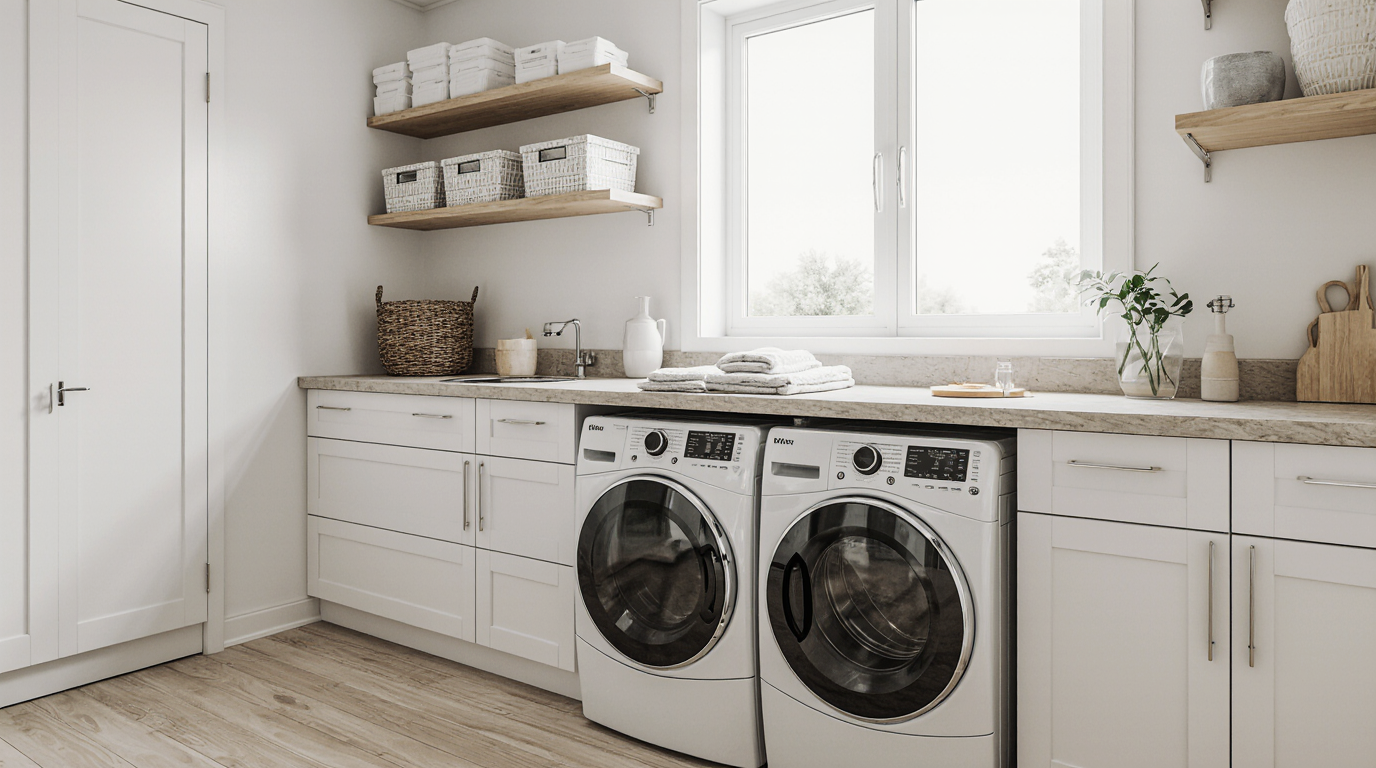
The critical mistake happens during the layout design. Most people focus on hiding the washer and dryer behind cabinet doors for a clean, integrated look. This is the single worst decision for a laundry room in a humid climate. By enclosing the appliances without engineered airflow, you are creating a perfect incubator for mold. The correct approach is to design around the appliances with ample clearance and integrated ventilation, even if it means they remain visible.
Practical Answers About Operations in Sarasota
Navigating the local specifics of a renovation project can be frustrating. These are the operational details that often cause delays and budget issues for custom laundry rooms in our area.
Permitting for Laundry Room Renovations
A purely cosmetic update involving custom cabinets typically does not require a permit from Sarasota County. However, if you are moving plumbing, altering electrical layouts (e.g., adding dedicated circuits), or changing the dryer vent path, a permit is absolutely required. A simple permit for this scope can take 2-4 weeks for review, and associated fees can range from $250 to $500 depending on the work's complexity.
Material Acclimation and Project Timelines
In our humid environment, wood materials must be delivered and allowed to acclimate inside the home for at least 72 hours before fabrication or installation begins. Skipping this step can lead to swelling, shrinking, and joint failure after installation. This adds a non-negotiable three days to any project timeline, a detail often overlooked in initial scheduling.
Florida Building Code and Cabinet Anchoring
For homes on the barrier islands like Longboat Key or Casey Key, the Florida Building Code has stringent requirements for how upper cabinets are anchored to the wall to withstand potential wind loads. This often requires more robust fasteners and blocking within the wall structure than in standard construction. A knowledgeable local installer will verify this, ensuring your investment is not only beautiful but also compliant and secure.