Modern Home Custom Closets: Innovative Solutions for Organized Living
Custom closets have evolved from exclusive luxury items to essential elements for homeowners desiring superior organization, optimal functionality, and personalized style. Standard closets often fall short in adaptability, whereas custom designs grant homeowners the freedom to define layouts, materials, and storage configurations precisely. Such an investment ensures maximized spatial efficiency, blending functional utility with sophisticated visual appeal across any room. Customization is paramount, granting homeowners complete authority over structural designs, finishes, and configurations that echo individuality and practical needs.
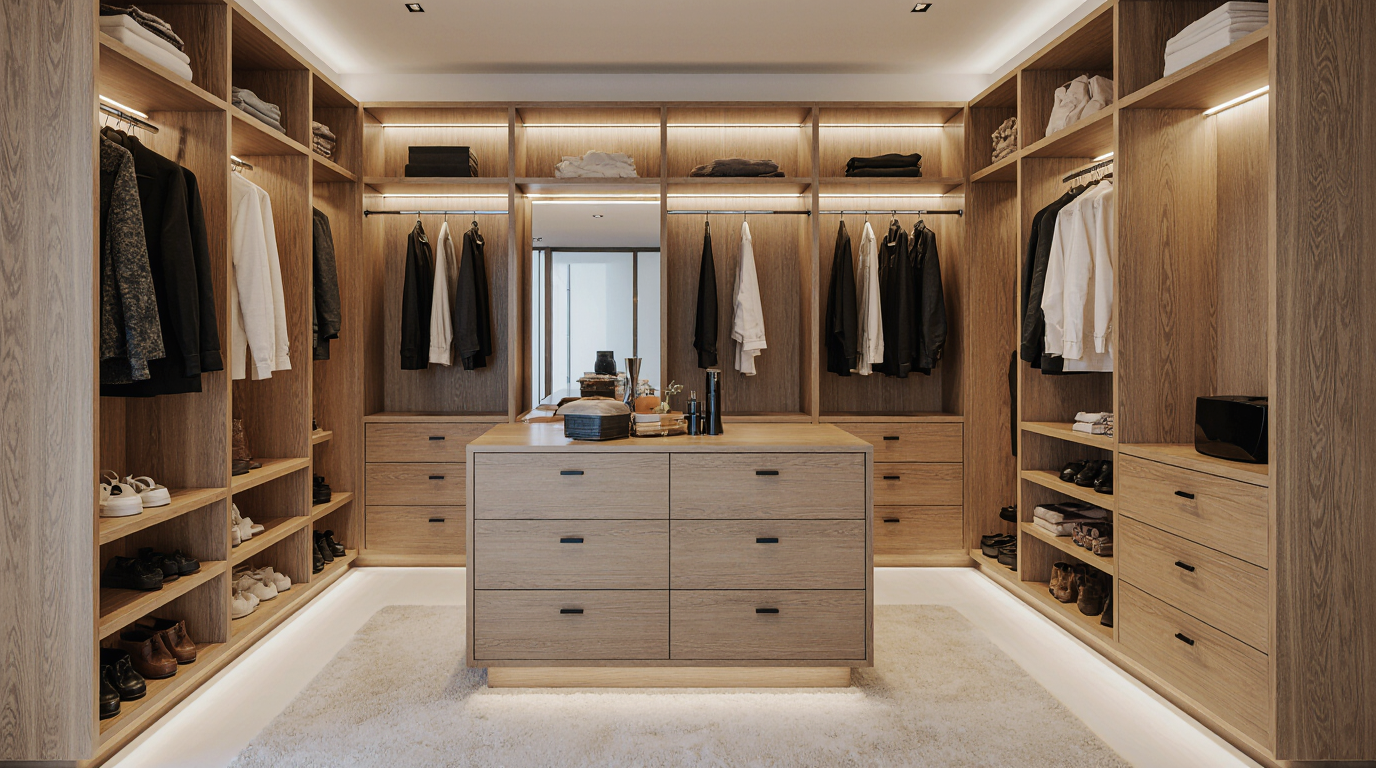
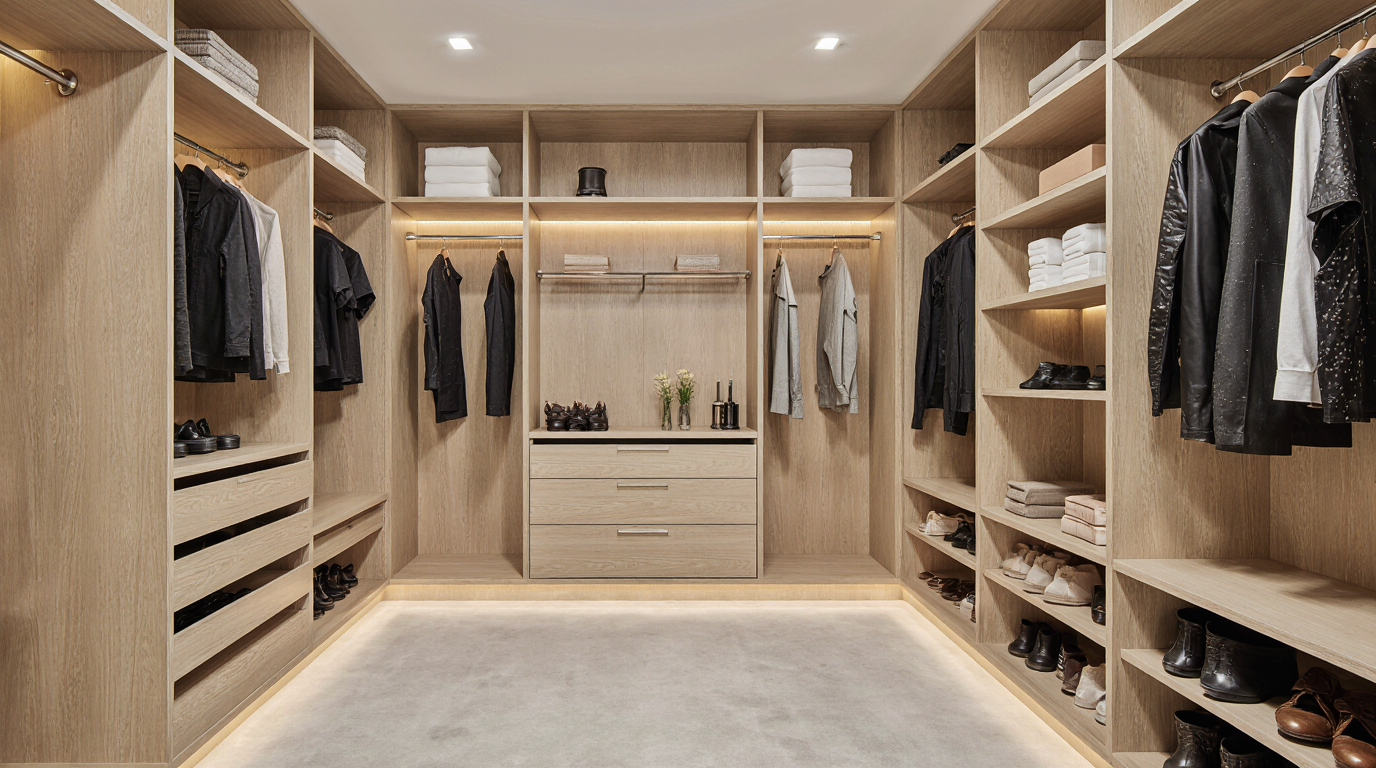
When it comes to home renovation, few upgrades deliver as much satisfaction and value as a well-designed closet. Specialized designers transform storage areas into functional art by balancing practical layouts with appealing visual designs. Closets equipped with tailored shelving, pull-out solutions, shoe organizers, and ambient lighting evolve from mere storage to luxurious, highly efficient environments. These integrated solutions not only serve functional purposes but also heighten spatial cohesion, promoting psychological comfort and a sense of well-being.
Custom closets provide a strategic advantage in property valuation, appealing to buyers seeking smart storage. Homebuyers are increasingly drawn to spaces that feature smart storage solutions. By integrating innovation and elegance, custom closets improve routine convenience and increase investment value. From partial updates to extensive renovations, custom closets remain an intelligent, high-impact upgrade. This strategy harmonizes elegance with utility, uniting high-quality craftsmanship, innovative solutions, and functional efficiency.
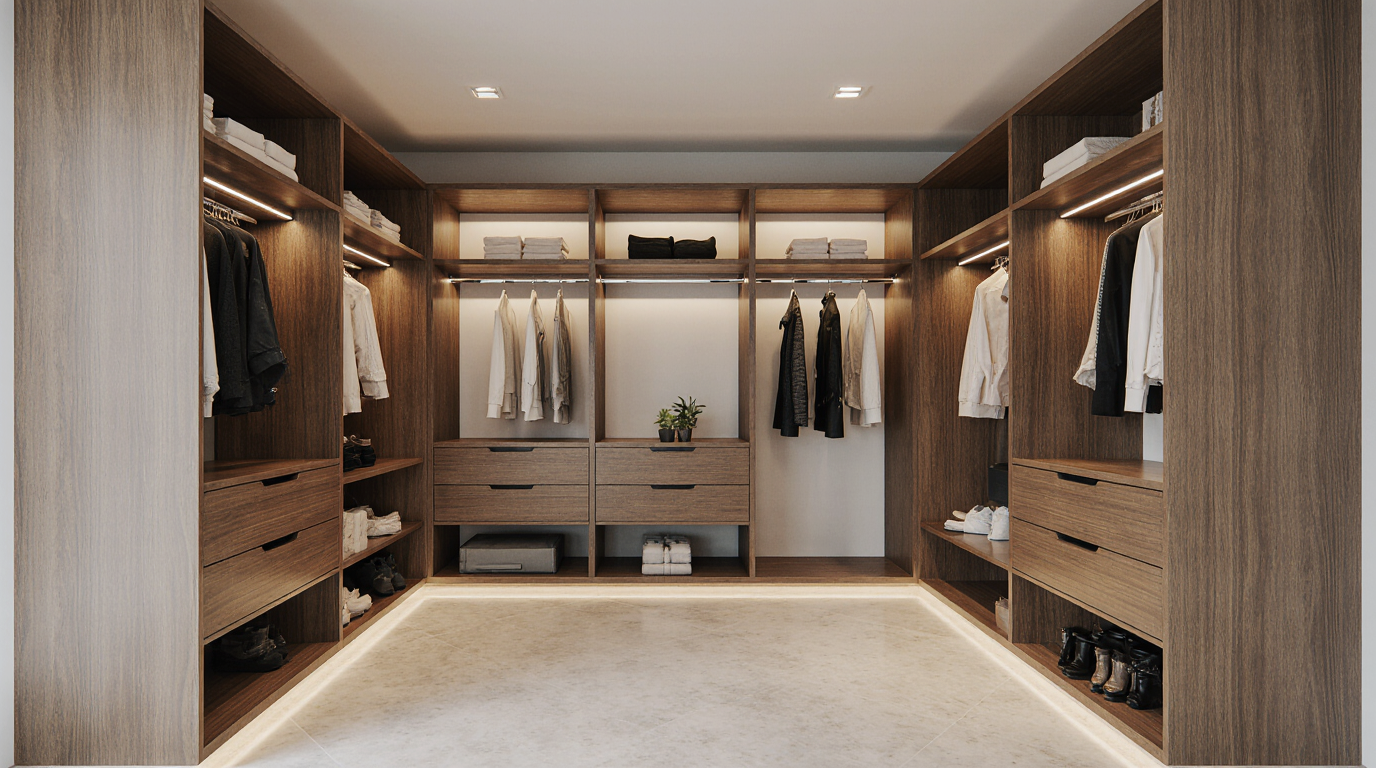
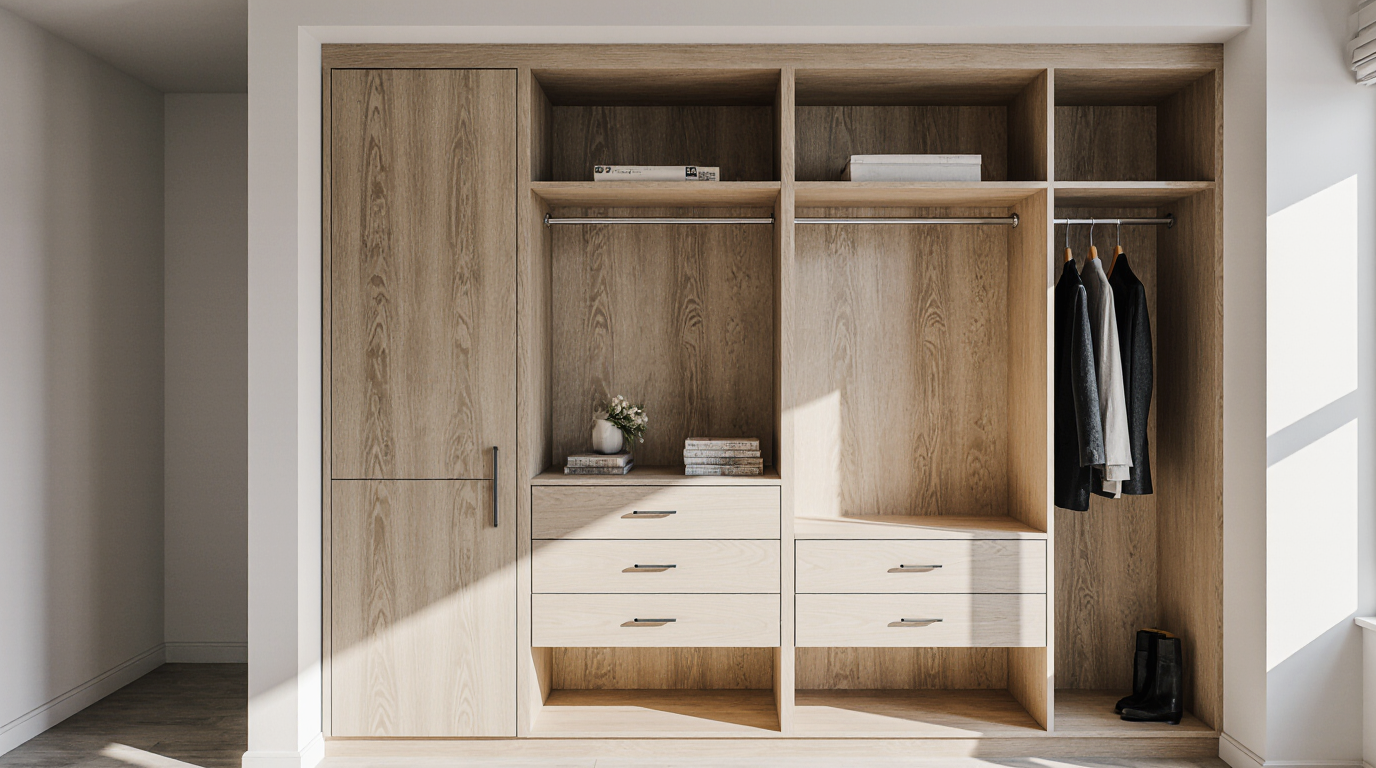
Tailored design influences every aspect of a closet, from finishes and structural elements to hardware selection. Closet materials and finishes play a major role in the overall aesthetic and durability of the space. Warm woods or contemporary laminates each shape the closet’s personality, emphasizing style and tactile quality. Eco-conscious designs favor recycled and renewable resources, enhancing environmental responsibility alongside luxury. Additionally, the use of high-quality hardware ensures long-lasting performance, reducing maintenance and enhancing the user experience. Ultimate closet design harmonizes aesthetic appeal with everyday usability, delivering efficiency and delight in equal measure.
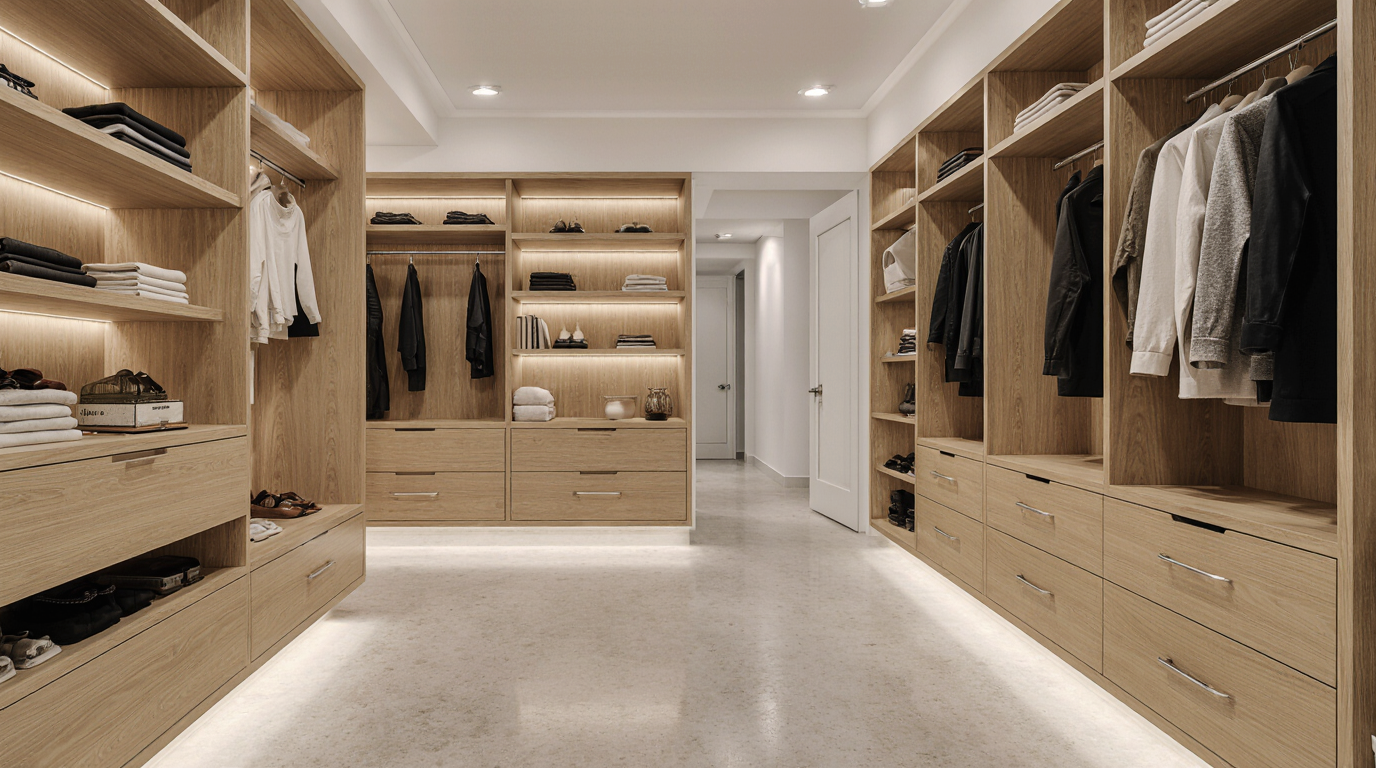
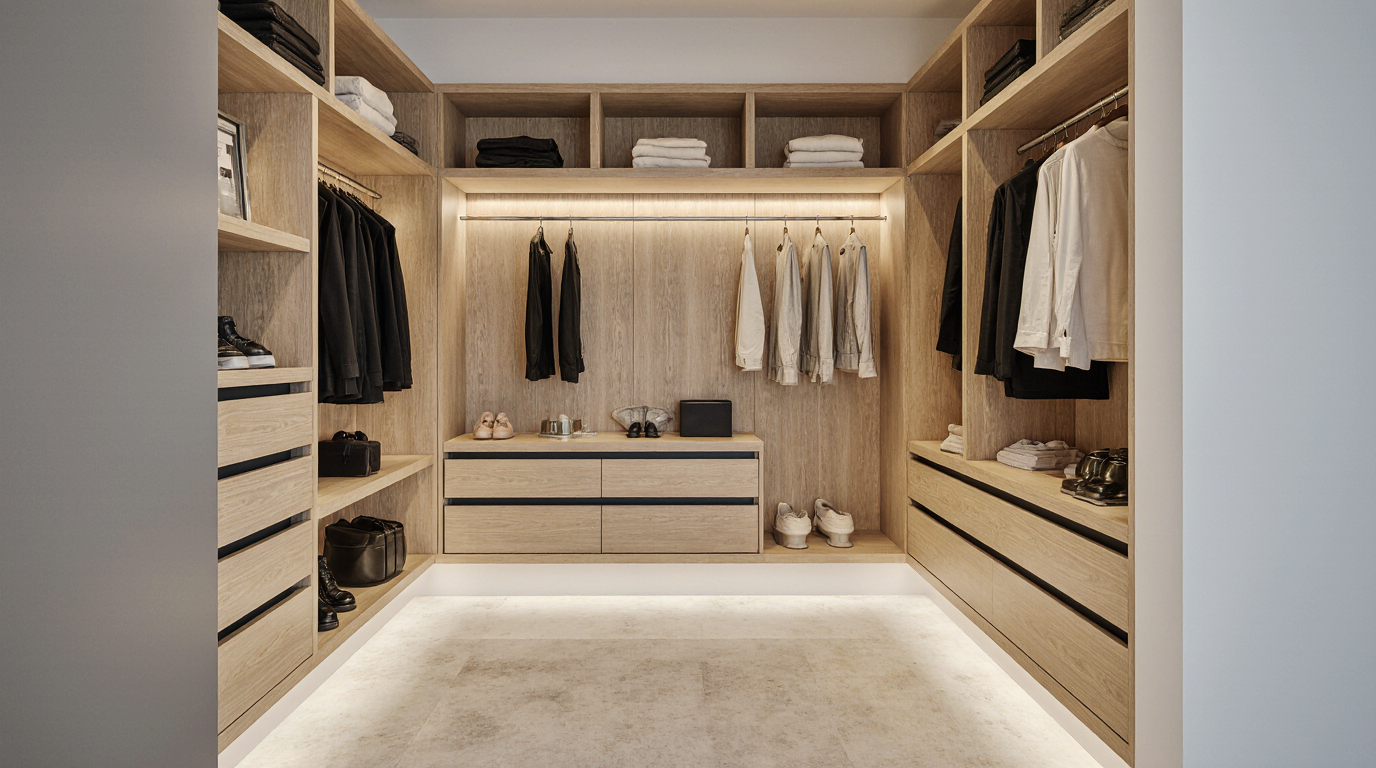
Strategic lighting design enhances visibility, style, and spatial perception within custom closets. A well-lit closet enhances visibility, makes outfit selection easier, and adds a touch of sophistication. Advanced lighting options such as strip LEDs, accent lights, and automated sensors blend practical performance with sophisticated design. Incorporating layered lighting and accent lights in expansive closets creates immersive, high-end dressing experiences. Blending sunlight with artificial illumination ensures optimal ambiance, visual balance, and material distinction.
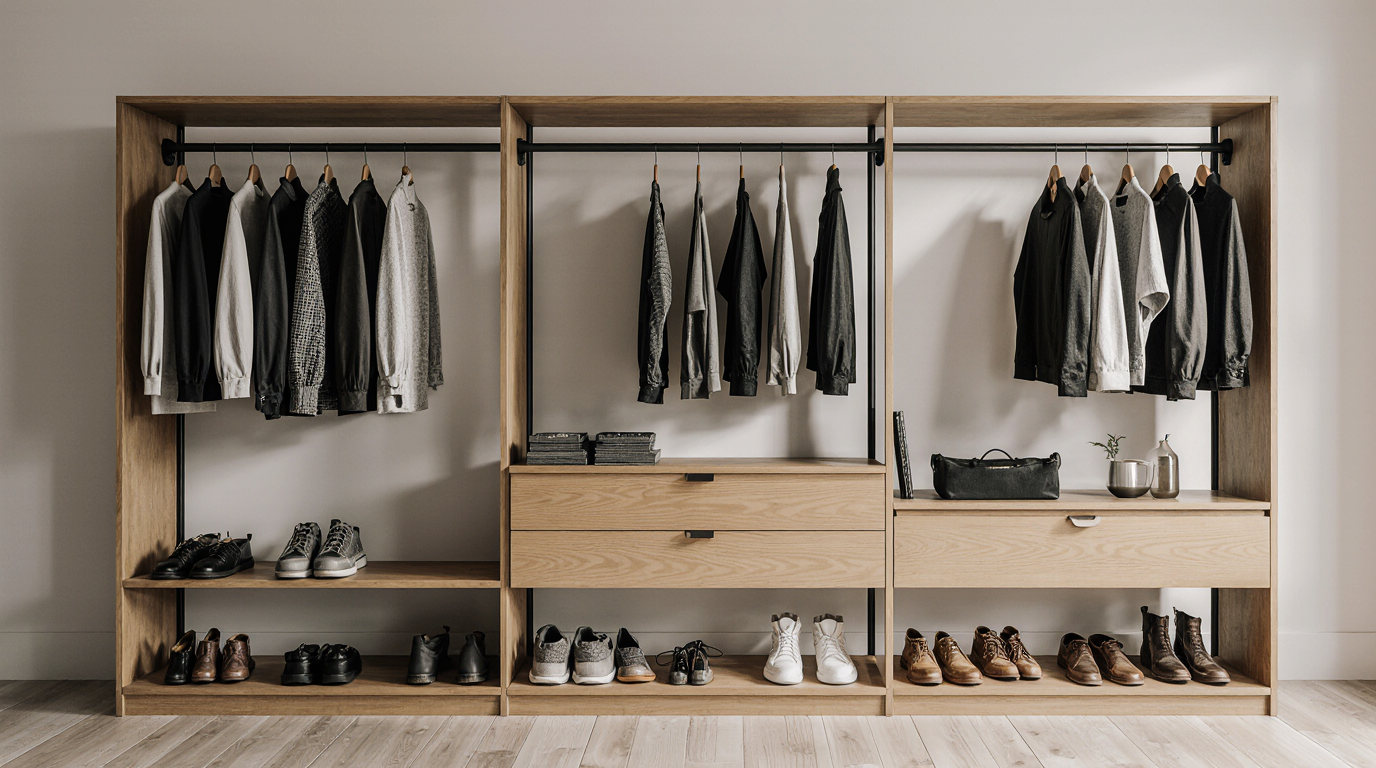
The role of custom closet organization systems extends beyond mere storage; it’s about creating harmony in everyday routines. By designing spaces with intention, homeowners can minimize clutter and maximize productivity. Dedicated compartments for accessories, jewelry, and seasonal clothing make daily dressing more efficient. Closet organizers can also incorporate flexible components that adapt as needs evolve, ensuring longevity and continued functionality. These solutions cater not only to individuals but also to families who need versatile storage for multiple users and items of varying sizes.
Closets reflect individuality, lifestyle, and emotional resonance, enhancing the homeowner’s attachment. Design choices, from color palettes to fixtures, communicate style, comfort, and luxury. Incorporating luxurious finishes, reflective surfaces, and accent furnishings creates striking, highly functional spaces. Custom closets stand out by seamlessly integrating beauty and usability, reinforcing their role as focal points in contemporary homes.
Technology has also revolutionized the closet design industry. With advanced 3D modeling software, designers can now present realistic visualizations that allow clients to see their projects before installation. Smart home integration has taken functionality to the next level, with automated lighting, temperature control, and even digital wardrobe management systems that track clothing inventory and suggest outfits. This fusion of technology and design is redefining how people interact with their living spaces, turning closets into intelligent and interactive environments.
Expert guidance ensures design feasibility, maximizes storage potential, and maintains aesthetic integrity. Design professionals evaluate room layouts, daily routines, and architectural constraints for tailored solutions. They understand the balance between storage efficiency and aesthetic harmony, ensuring that the design aligns with the home’s overall architectural style. Working with professionals also guarantees quality craftsmanship, accurate measurements, and seamless installation — factors that directly impact the final result and durability of the project.
Closet design excellence elevates both functional comfort and overall living quality. Custom solutions streamline tasks, reduce friction, and create structured, stress-free environments. Amid hectic routines, well-conceived storage systems provide indispensable structure and peace of mind. By merging functionality, elegance, and innovation, custom closets have become a symbol of modern living — where design meets purpose in the most personal of ways.
The intrinsic value of personalized closets stems from their ability to redefine living spaces. They elevate ordinary spaces into extraordinary ones, turning storage into an art form. Across all property sizes, custom closets consistently improve functionality, aesthetic appeal, and emotional connection. Investing in custom storage solutions transforms daily routines, spatial interaction, and personal connection with the home.