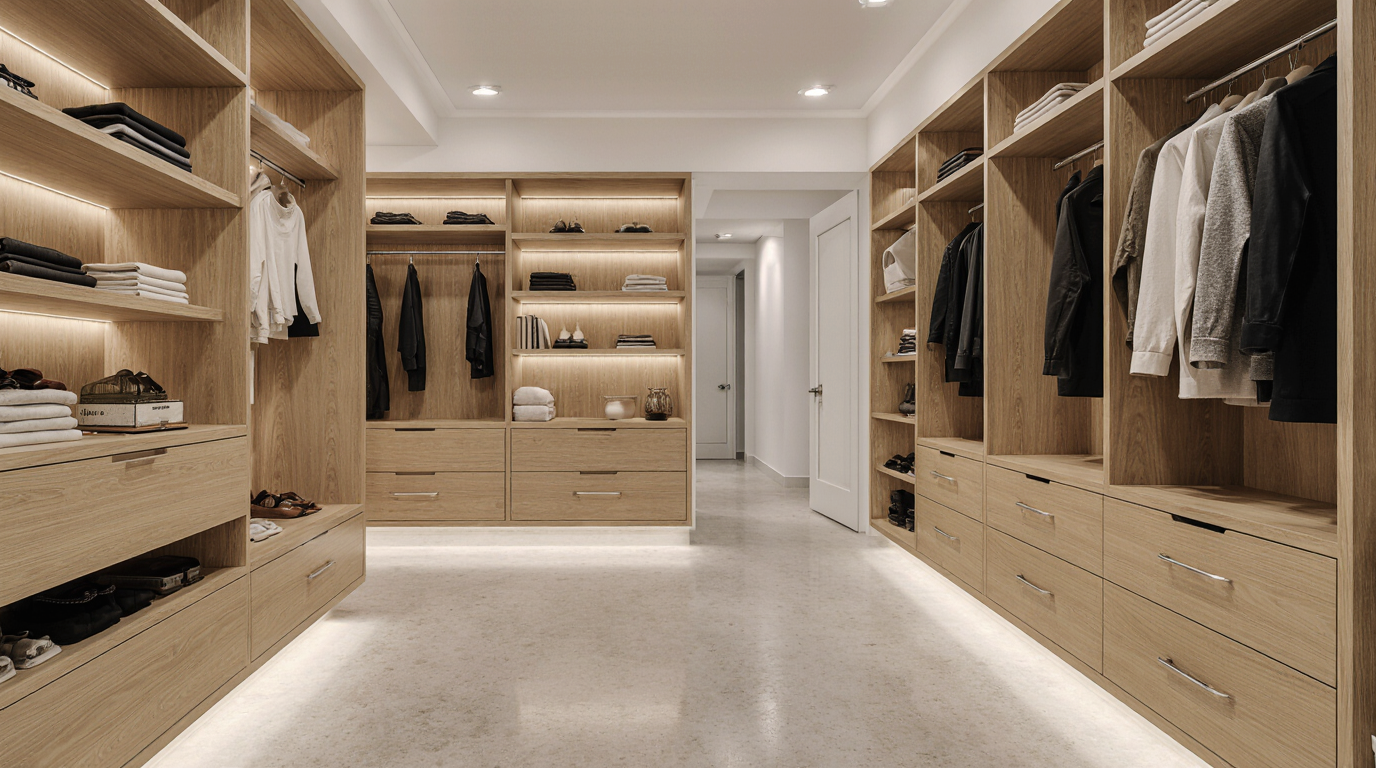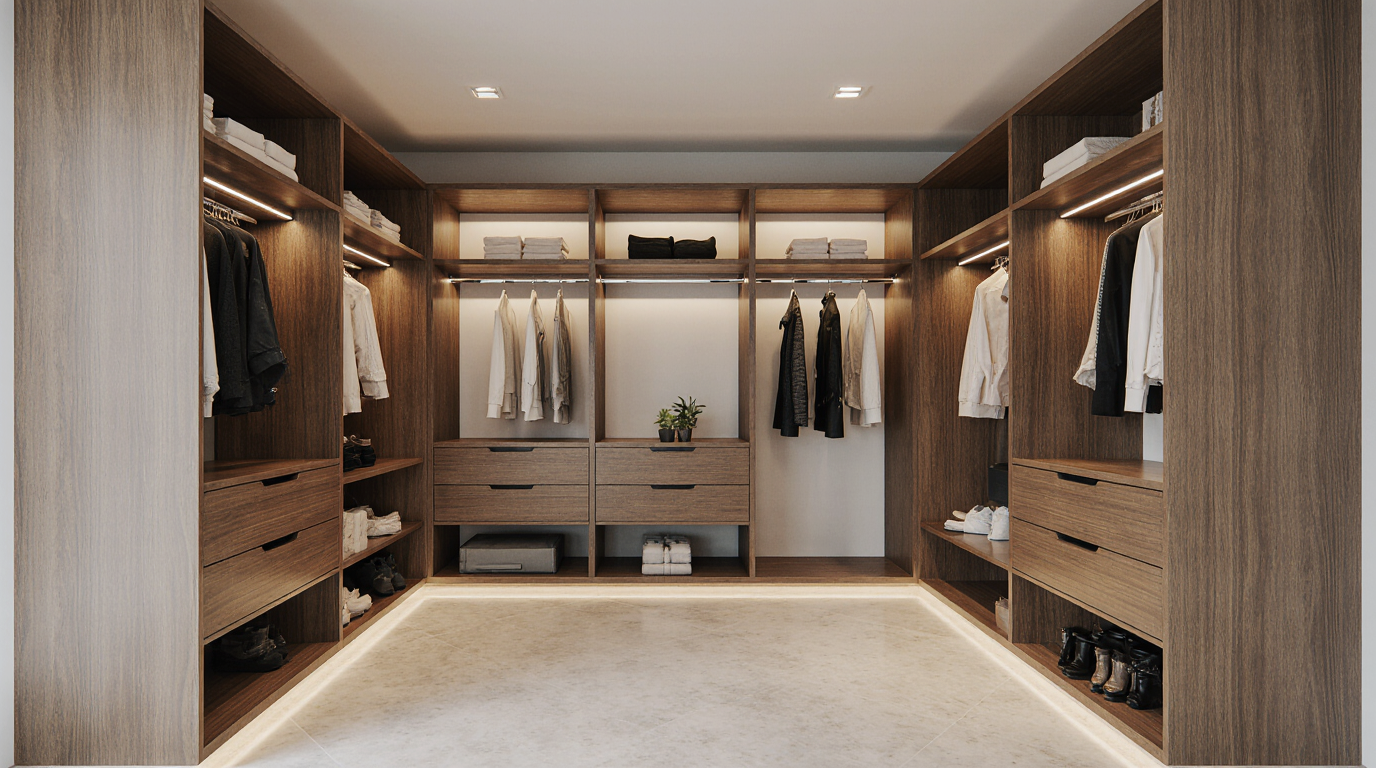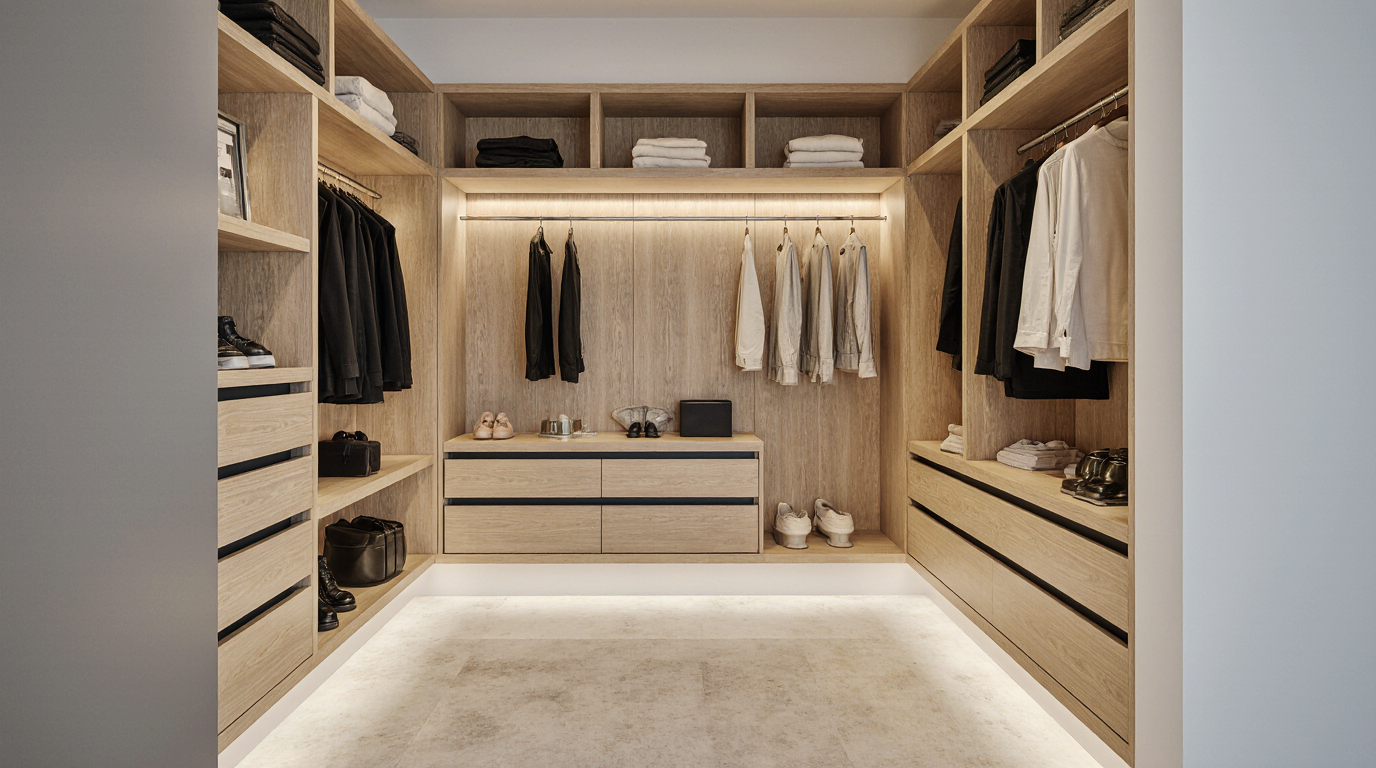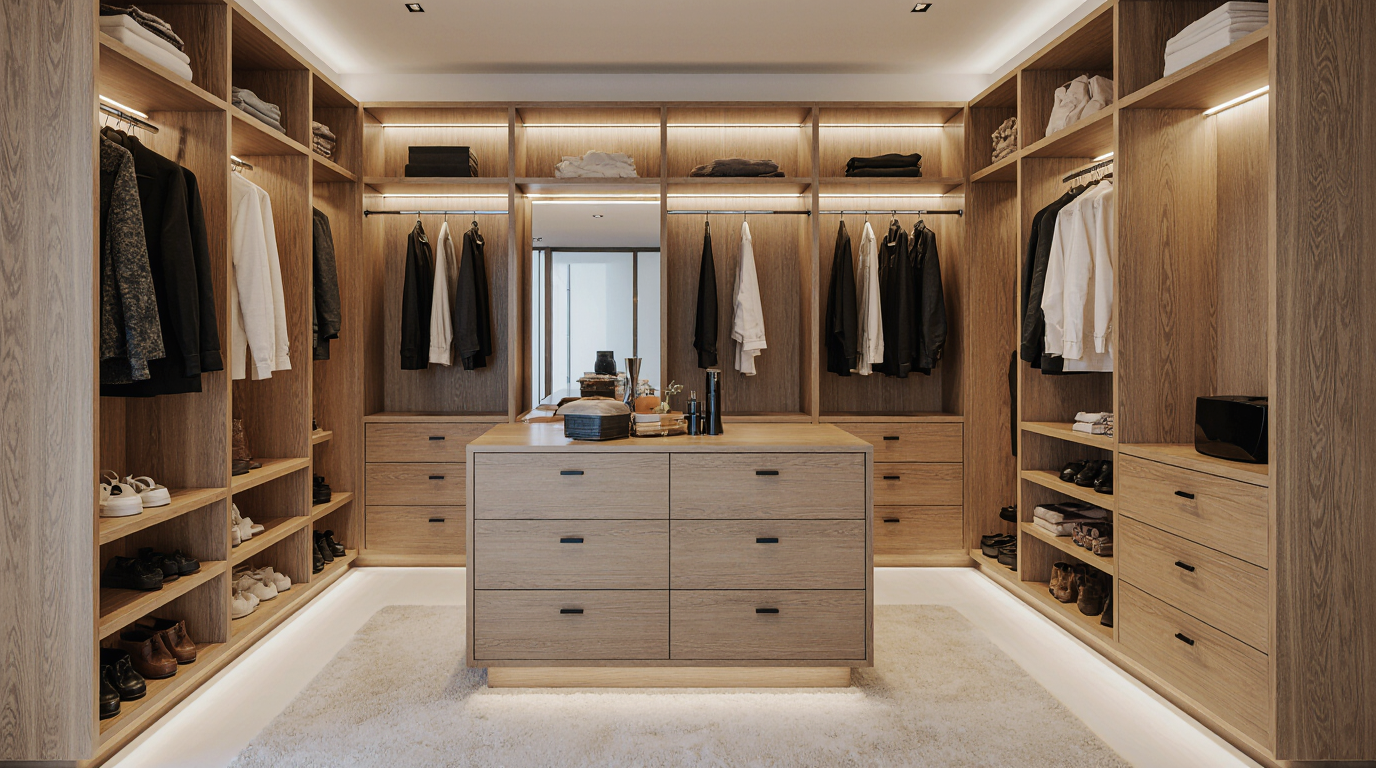
Custom Closets: My Engineering Protocol to Eliminate Humidity-Induced Warping in Sarasota Homes
The Initial On-Site Structural and Environmental Diagnosis
Before any design is sketched, my process begins with a technical assessment of the space itself. I don't just measure walls; I analyze the micro-environment. For a condominium in a downtown Sarasota high-rise, I'm looking at HVAC performance and airflow patterns. For a waterfront estate on Lido Key, my primary concern is the salinity in the air and the direct impact of sustained high humidity. I use a hygrometer to get a baseline reading of the ambient moisture within the closet space, which informs the precise level of material sealing required. This diagnostic phase is critical because a solution for a newer home in a planned community like Lakewood Ranch will differ from the retrofitting required for a historic property near the bay.
Material and Hardware Specification: Beyond the Showroom Gloss
The core of a closet's longevity lies in material selection, and this is where most off-the-shelf and even many custom solutions fail in Florida. My material hierarchy is based on performance, not just looks. While others may use a standard melamine or MDF core, I’ve found these materials act like a sponge in our climate, even the so-called moisture-resistant versions. My non-negotiable standard for all carcass construction is a BS 1088 marine-grade plywood. It uses waterproof glues in its lamination, making it structurally stable against moisture from the inside out.
Hardware is the next point of failure. Salt air is incredibly corrosive, and I’ve seen plated steel hinges show rust within 18 months. That’s why I exclusively specify hardware with proven corrosion resistance. This means drawer slides like the Blum Tandembox Antaro series with their zinc coatings, and for hanging rods and handles, I insist on 316-grade stainless steel. This small but vital specification increases the functional lifespan of the closet's moving parts by an estimated 70% in coastal applications.
My Fabrication and Sealing Process
A superior material is only as good as its fabrication. My process in the workshop is designed to create a fully encapsulated product, leaving no path for moisture ingress. This isn't just about cutting panels to size; it's a multi-step protocol for durability.
- Precision Cutting: All panels are cut using a CNC router to ensure absolute accuracy and perfectly clean edges, which is essential for a flawless edge-banding seal.
- PUR Edge Banding: I use a German-engineered edge bander that applies a Polyurethane Reactive (PUR) adhesive. Unlike standard EVA hot-melt glues that can weaken with heat and humidity, PUR glue creates a permanent, waterproof chemical bond between the edge band and the plywood core.
- Multi-Layer Finishing: Every single component is finished with a two-part post-catalyzed conversion varnish. This finish creates a hard, non-porous barrier that is far superior to common lacquer or pre-catalyzed finishes in its resistance to moisture, chemicals, and scratches.
- Component Assembly: I use robust joinery methods like dadoes and concealed cabinet connectors, which provide greater structural rigidity than simple butt joints and screws, preventing sagging shelves over the long term.
The Micro-Adjustment Phase: Achieving Perfect Tolerances
The final stage is installation, and my standard is a flawless fit and finish. My team and I work to a consistent 2mm tolerance for all door and drawer gaps, creating a clean, architectural look. Every door is meticulously adjusted for perfect alignment, and all interior components are checked with a level. The most critical step, often overlooked by other installers, is the on-site sealing of any cuts made for lighting, outlets, or wiring. I use a specialized clear sealant on these exposed core areas to maintain the panel's integrity. This final detail ensures the entire system, from the largest panel to the smallest cutout, is protected against Sarasota's demanding climate.
When you open your current closet doors, do they align perfectly from top to bottom, or has Sarasota's humidity already begun to compromise their structural integrity?