Cost of Closet Installation: Boosting Home Organization and Design
When considering a closet installation, understanding the factors that influence cost is paramount for homeowners who want both efficiency and style. A professionally handled installation redefines not only the usability of a space but also enriches the visual charm of your home. Costs can vary significantly depending on materials, size, and the complexity of design, making it vital to work with specialists who offer tailored closet designs. Investing in skilled craftsmanship ensures that every storage component are precisely fitted to your unique home layout, optimizing every inch of space.
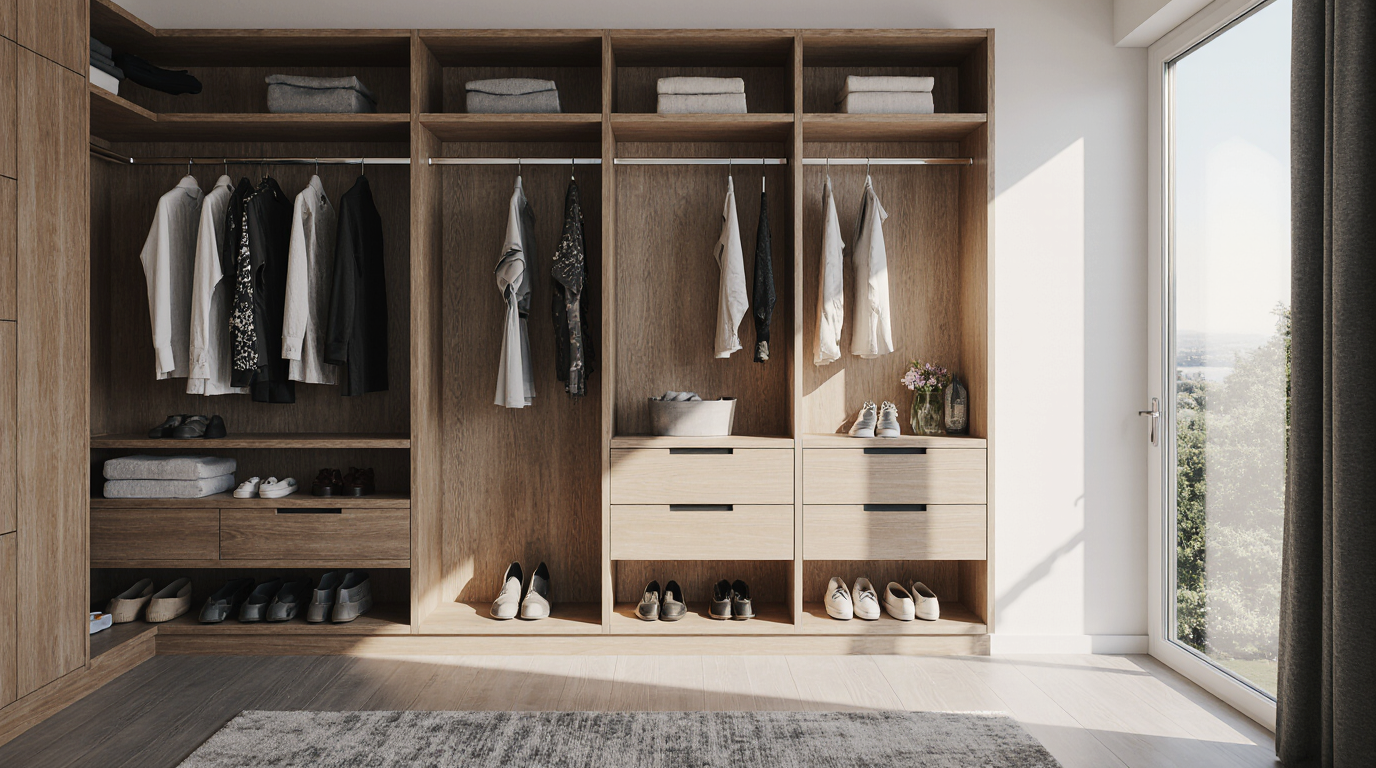
The materials selected play a decisive role in impacting financial investment. Top-tier wood, laminate finishes, and resilient hardware can increase the price but provide long-term durability and a sophisticated look. Standard MDF or particleboard options are economically viable and can still achieve both practicality and style. Tailored features further influence cost; built-in compartments for shoes, handbags, and accessories increase both practicality and home appeal, though they may raise the total cost. Homeowners must balance aesthetics, functionality, and budget when designing storage upgrades.
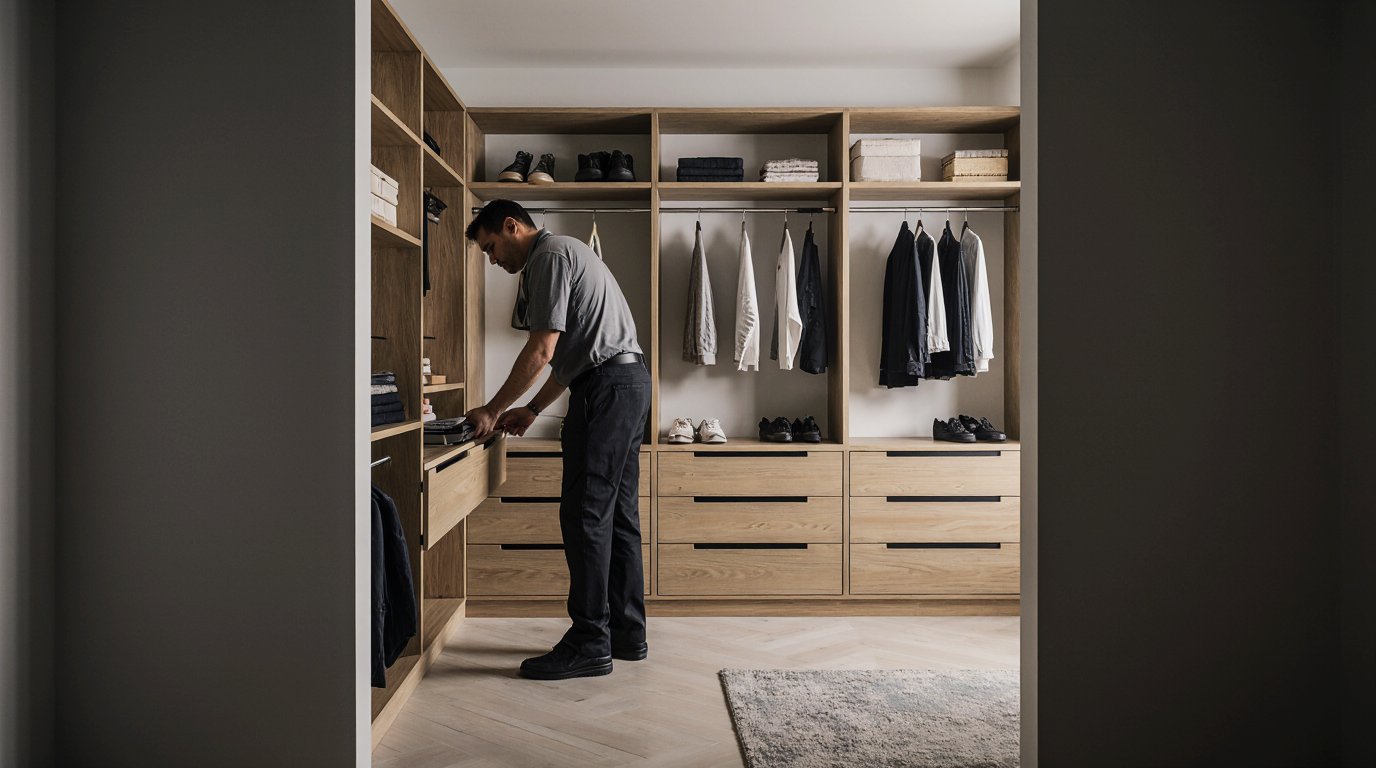
Labor and expertise are also vital components shaping expenses. Hiring certified installers ensures that each component is installed with precision and stability. Poor installation can lead to crooked shelving, unstable hardware, or design flaws, resulting in additional investment to fix issues. Expert installers combine practical skill with strategic layout advice, helping to enhance space utilization in tricky layouts. This degree of expertise justifies the investment in expert labor.
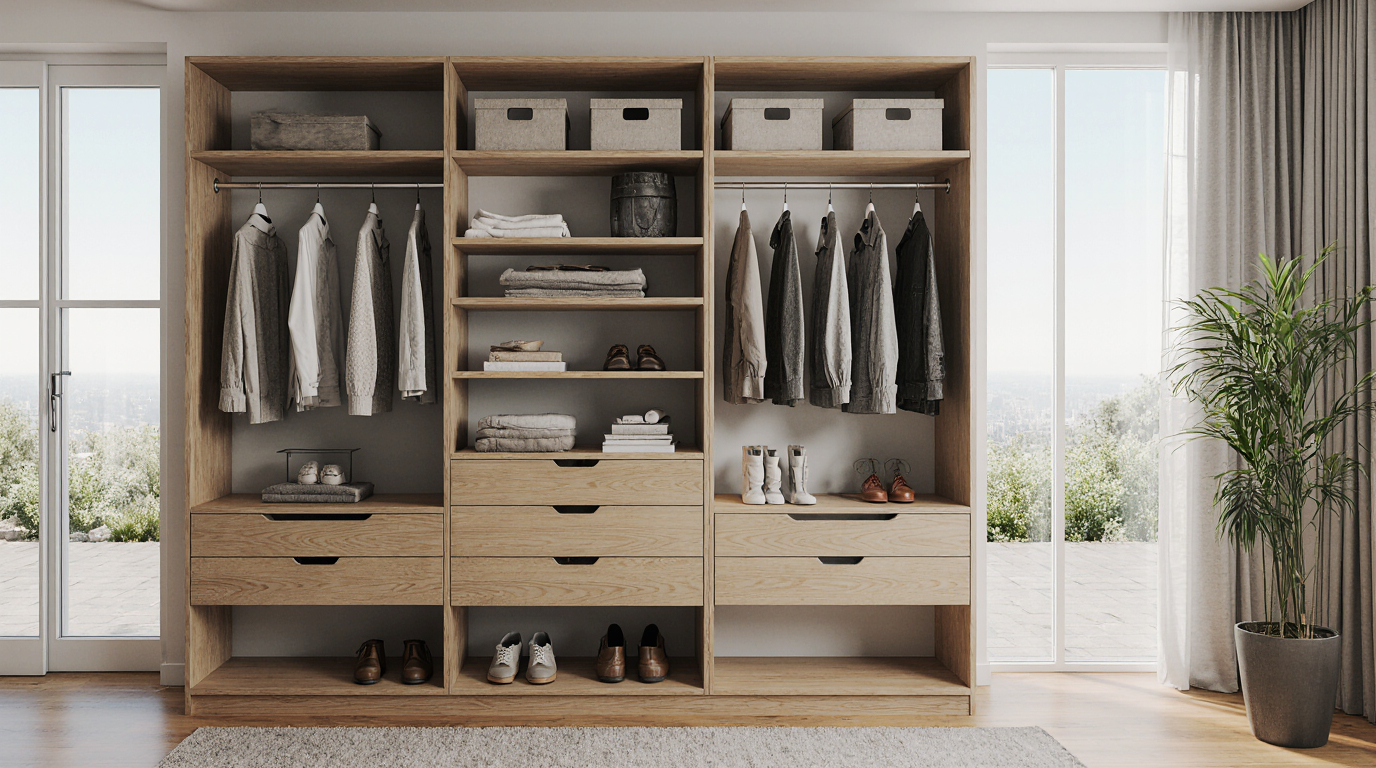
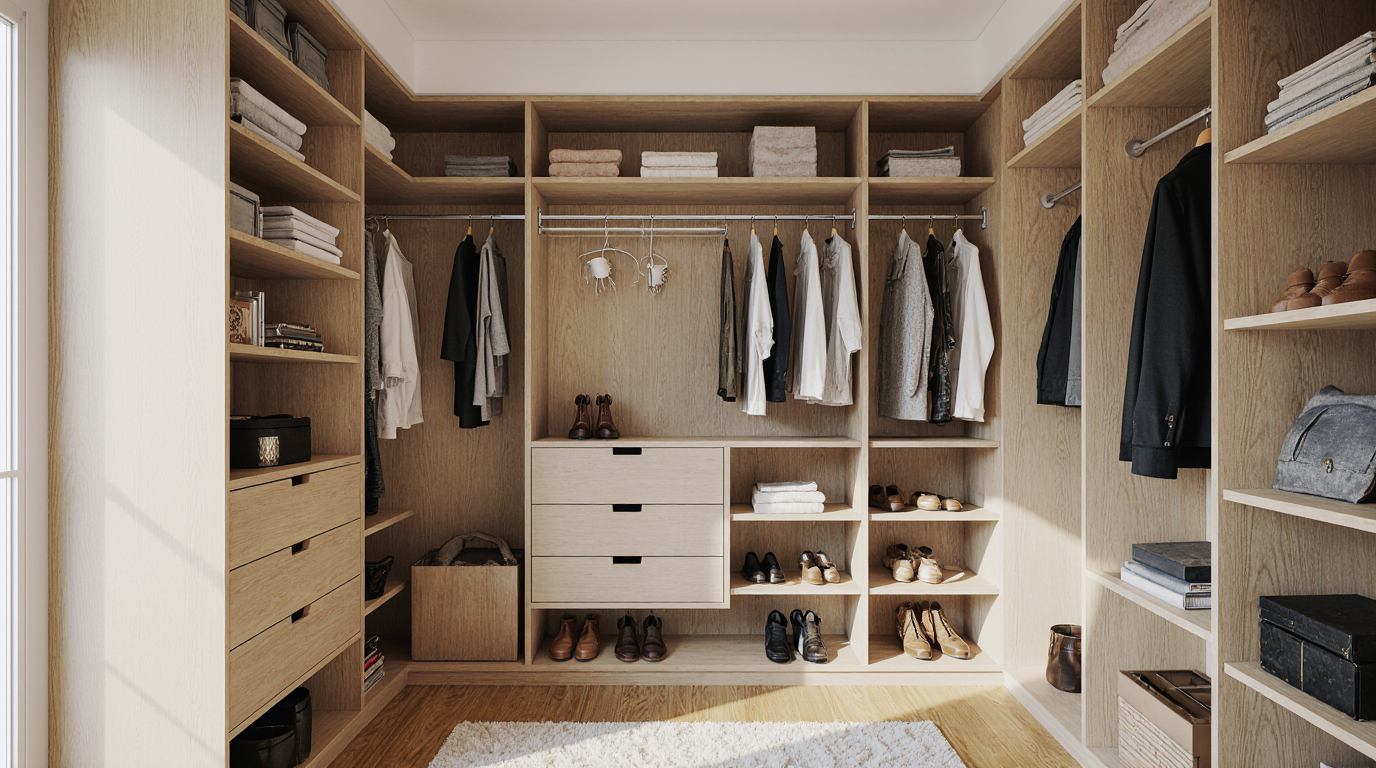
Closet installation projects can be basic setups or full-scale custom walk-ins, and each design impacts the total cost. Linear closet layouts are generally cost-effective and ideal for bedrooms or smaller spaces, whereas spacious storage solutions demand extensive planning, premium materials, and intricate design. Adding elements like sliding doors, mirrored panels, or integrated lighting also impacts the overall cost, but these improve functionality and aesthetic value. Including premium elements can enhance routine efficiency and property value. Storage efficiency is another key consideration. Modern homeowners prefer closets that balance functionality and design. Adjustable shelving, modular compartments, and multi-level hanging spaces allow for versatile arrangement, while personalized organization setups enhance organization while maintaining garment quality. These intelligent configurations often feature dedicated zones for clothing rotation, bags, and footwear, which adds to the installation cost but greatly enhances practical value.
Location and market rates influence the final price of a closet installation. High-demand metropolitan regions often have increased service charges, while less populated zones present cost advantages. Additionally, residence dimensions and space constraints can affect cost. Difficult installations can increase labor costs that necessitate advanced design solutions and adjustments. Considering regional market rates helps homeowners prepare financially for renovation projects. Timeframe and project management are further aspects to consider in closet installation. Structured project management and professional guidance minimize disruptions to daily routines and ensure timely completion. Experienced contractors often provide a detailed quote that outlines materials, labor, and potential contingencies, offering transparency and confidence for homeowners. Clear communication about expectations and desired outcomes prevents unforeseen costs and guarantees a smooth installation process, which is integral to professional closet projects.
Maintenance and longevity are closely tied to initial investment. Prioritizing high-quality construction and finishes minimizes maintenance and prolongs durability. Periodic maintenance and minor corrections keeps the system looking and performing optimally. Expertly executed closets cost more initially yet provide unmatched lasting value, supporting optimized home functionality and lifestyle improvement. In addition to practical advantages, a well-designed closet contributes to home beauty and resale potential. Prospective buyers often view custom closet systems as a luxury feature, making properties more attractive in competitive markets. Therefore, the cost of installation should be viewed not only as an expense but as an investment in home improvement. A well-planned storage system can blend with interior style, enhance order, and promote efficient living.
Ultimately, understanding closet installation cost involves analyzing costs across components, labor, bespoke features, and overall return. By emphasizing skillful installation, intelligent layout, and durable finishes, homeowners can achieve a closet system blending utility and style. Every investment made in a custom closet contributes to enhanced daily convenience, improved home aesthetics, and increased property value. Working with certified installers guarantees precise execution and optimal functionality. This comprehensive approach to closet installation underscores the importance of careful planning and professional execution. From selecting premium materials to optimizing storage layouts, every decision directly impacts cost and overall satisfaction. By attending to these details, owners secure a custom system meeting utility and design expectations.