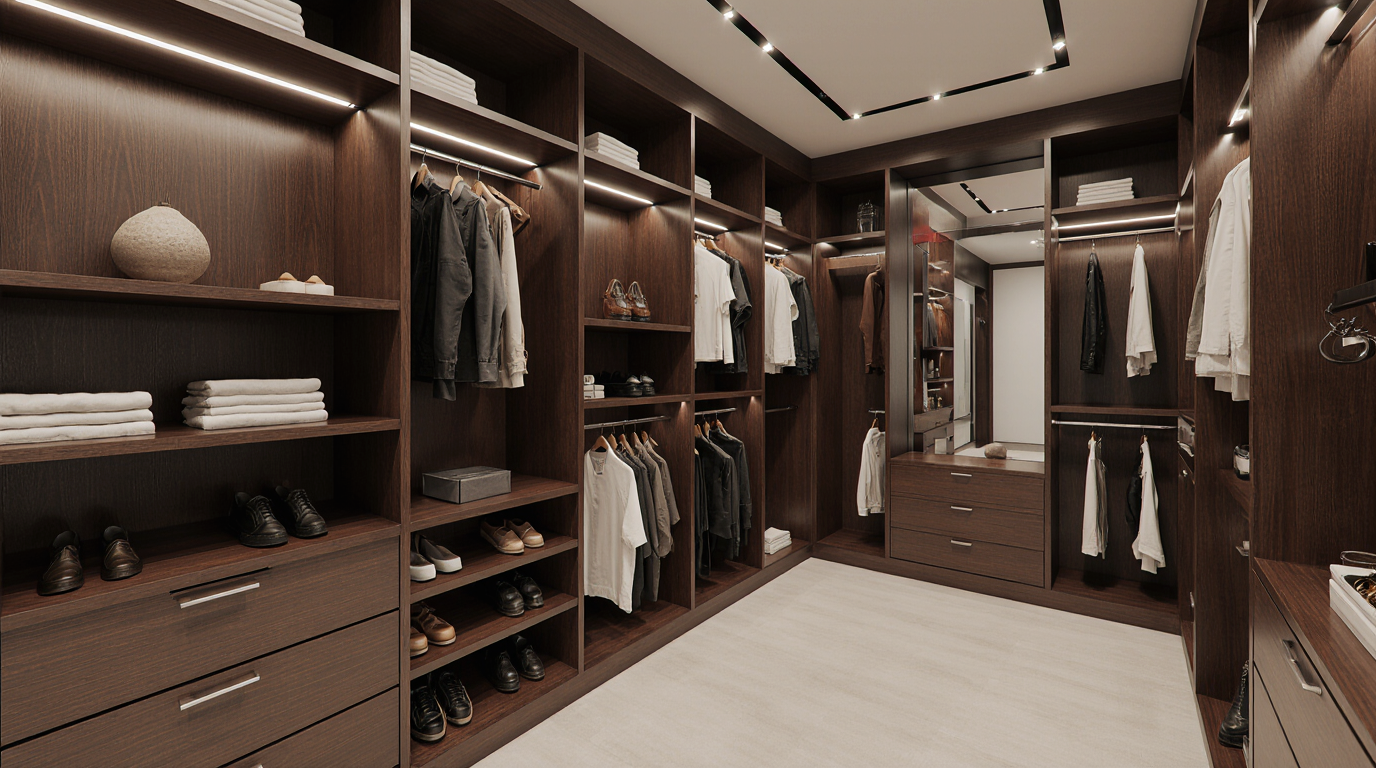
Diagnosing a Closet's Architectural DNA
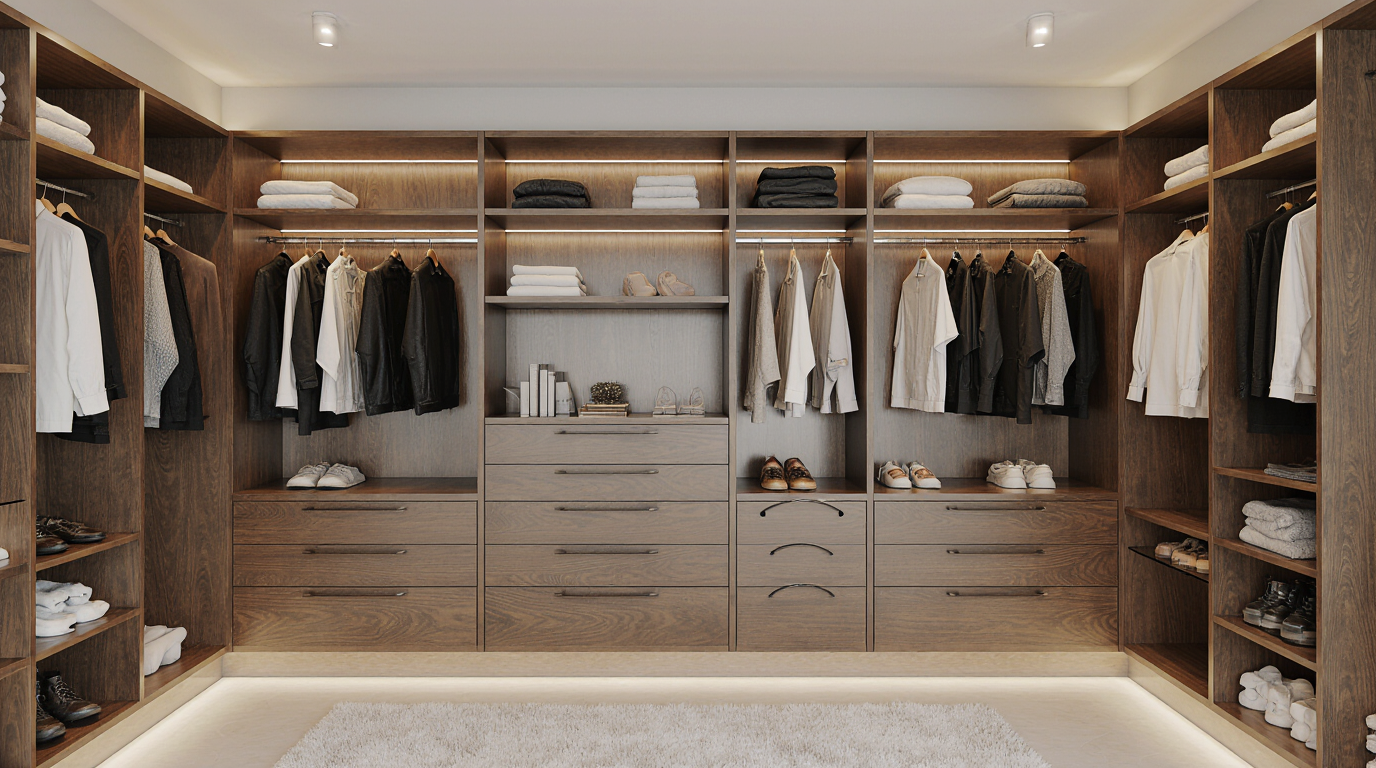
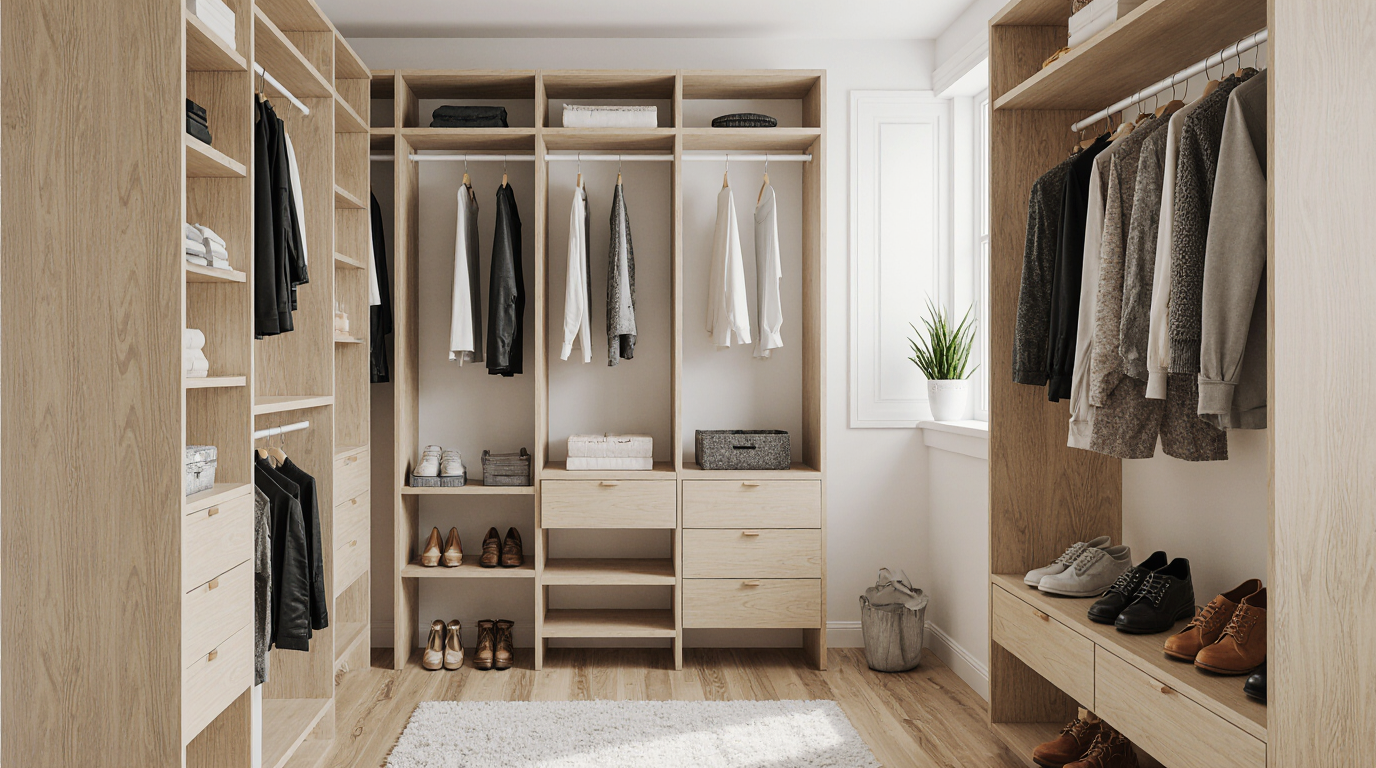
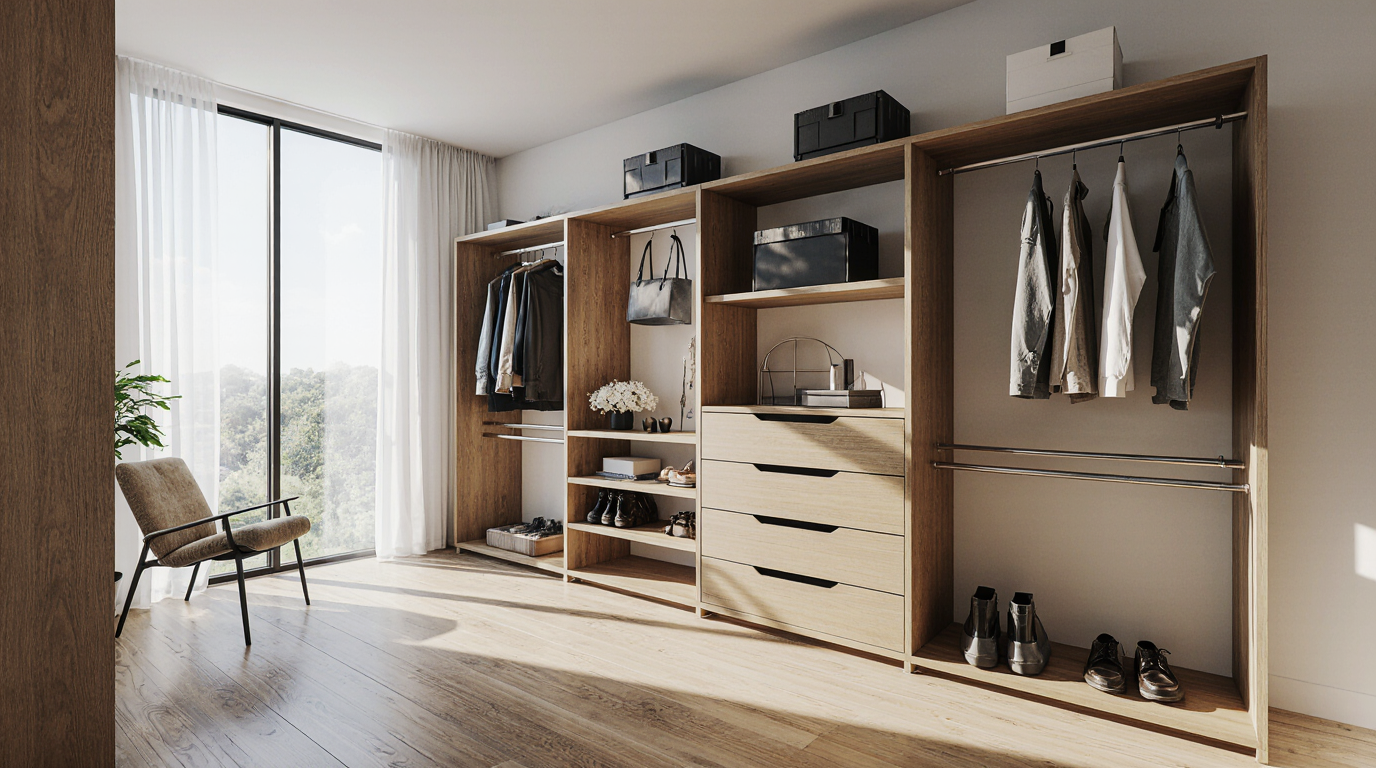
Before a single piece of wood is cut, my process begins with a structural and environmental audit of the space. I'm not just measuring wall-to-wall; I'm analyzing airflow, identifying sources of humidity from adjacent bathrooms, and assessing how natural light from windows will impact finishes over time. For a Coastal Contemporary home in Lakewood Ranch, the goal is often to create a seamless, minimalist aesthetic, which requires hiding all structural supports and engineering the shelving to handle specific weight loads without visible bracing. This is a stark contrast to a Mediterranean Revival property, where the closet can become a more expressive architectural feature.
The Material Science of a Lifetime Closet
While the description touched on my core materials, the science goes deeper. The marine-grade plywood I use is bonded with waterproof phenolic resin, a critical detail that prevents internal moisture creep. For the visible surfaces, I work with specific wood veneers that have been properly kiln-dried to a precise moisture content suitable for Florida's climate. The adhesive I use for edge banding is a high-temperature, moisture-resistant PUR (polyurethane reactive) glue, which creates an impenetrable seal against humidity, a common failure point in lesser builds.
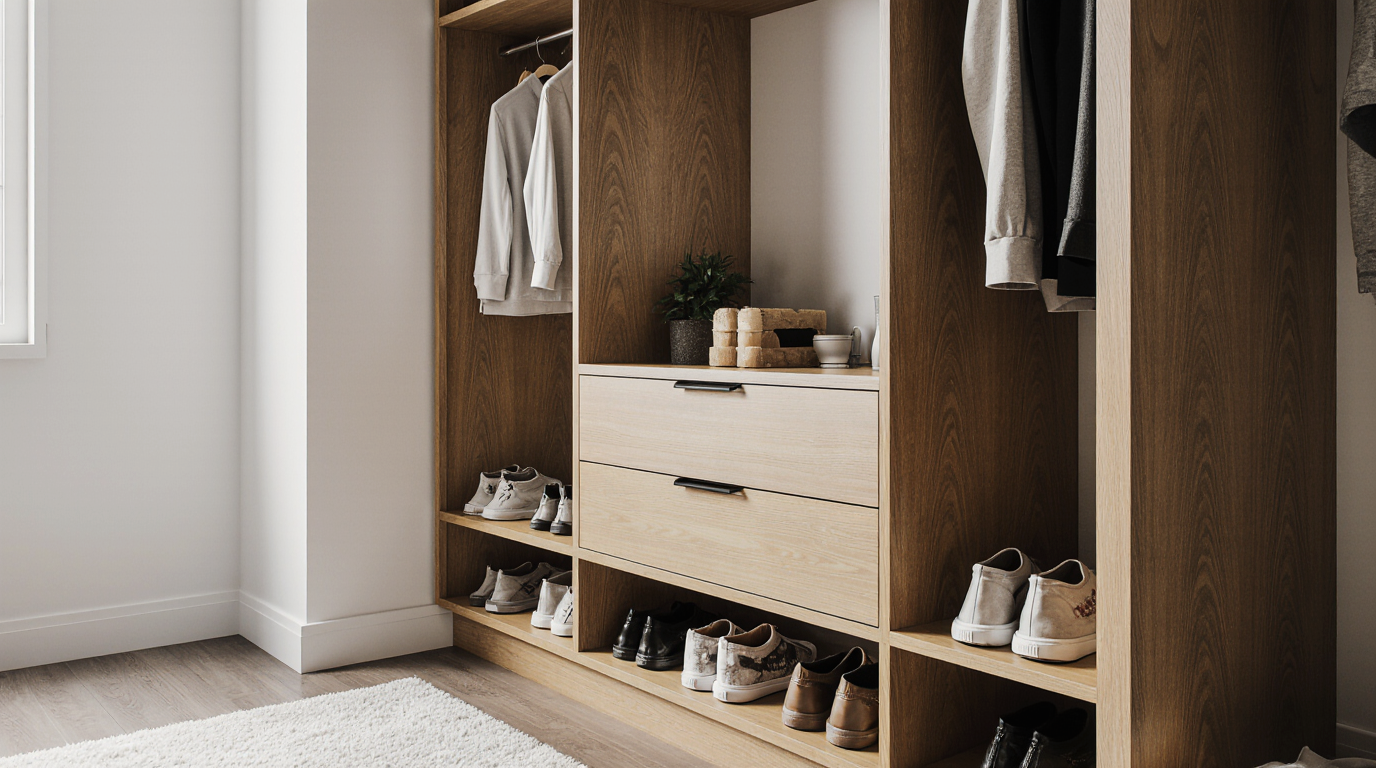
When it comes to hardware, the choice between brands like Blum or Salice isn't just about the soft-close feature. I assess the specific internal mechanics and composite materials used in their drawer slides. For heavy-duty drawers or specialized pull-outs, I often specify undermount slides with a higher load rating, ensuring a 20- to 30-year operational life without sagging or misalignment. This level of specification is where true custom engineering provides its long-term value.
From Digital Blueprint to Flawless Installation
My fabrication and installation protocol is designed for precision and minimal disruption. I've found this to be especially critical when working in high-rise luxury condominiums downtown or along the coast, where logistics are tight and residents expect a clean, efficient process. It's a system I've perfected over hundreds of projects in the area.
- Precision CNC Milling: Every component is cut using computer numerical control (CNC) machinery, ensuring tolerances are within a fraction of a millimeter. This guarantees perfect alignment and joinery.
- Sealed-Edge Assembly: All panels are assembled in my workshop, where I can control the environment. Every cut edge is sealed before assembly, leaving no raw wood exposed to potential moisture intrusion once installed.
- Phased On-Site Installation: I bring the closet to the site in pre-assembled modules. This method dramatically reduces on-site cutting, dust, and installation time, often condensing a week-long job into just one or two days.
Calibration for the Florida Climate: Tolerances and Finishes
One of my signature techniques is engineering for wood movement. In Sarasota's fluctuating humidity, wood will naturally expand and contract. I design my cabinetry with a deliberate 3mm expansion gap at key structural points. This micro-adjustment is invisible but critical; it allows the closet system to 'breathe' with the seasons, preventing stress fractures and joint failure over the long term. This is a detail completely overlooked by off-the-shelf and modular closet systems.
Finally, the finish itself is a protective barrier. I apply a multi-step conversion varnish, which chemically cures into a hard, non-porous surface. Unlike lacquer, it won't yellow from UV exposure and is highly resistant to scratches and moisture. This finish ensures the aesthetic beauty I design is locked in, protected from the harsh realities of our beautiful but demanding coastal climate. Does your current closet's design account for the inevitable expansion and contraction driven by Sarasota's humidity, or is it fighting a battle against nature it was never equipped to win?