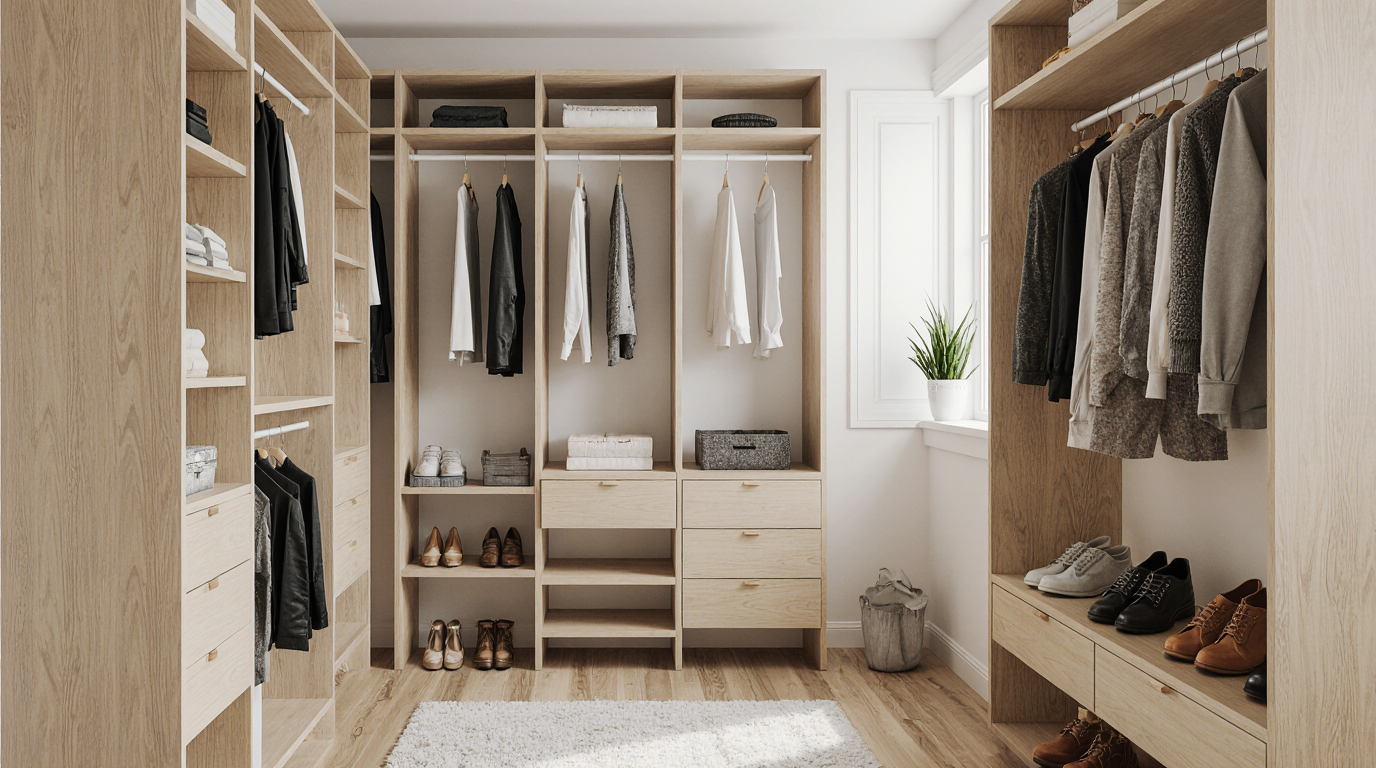
My Diagnostic Protocol for Closet Space Geometry
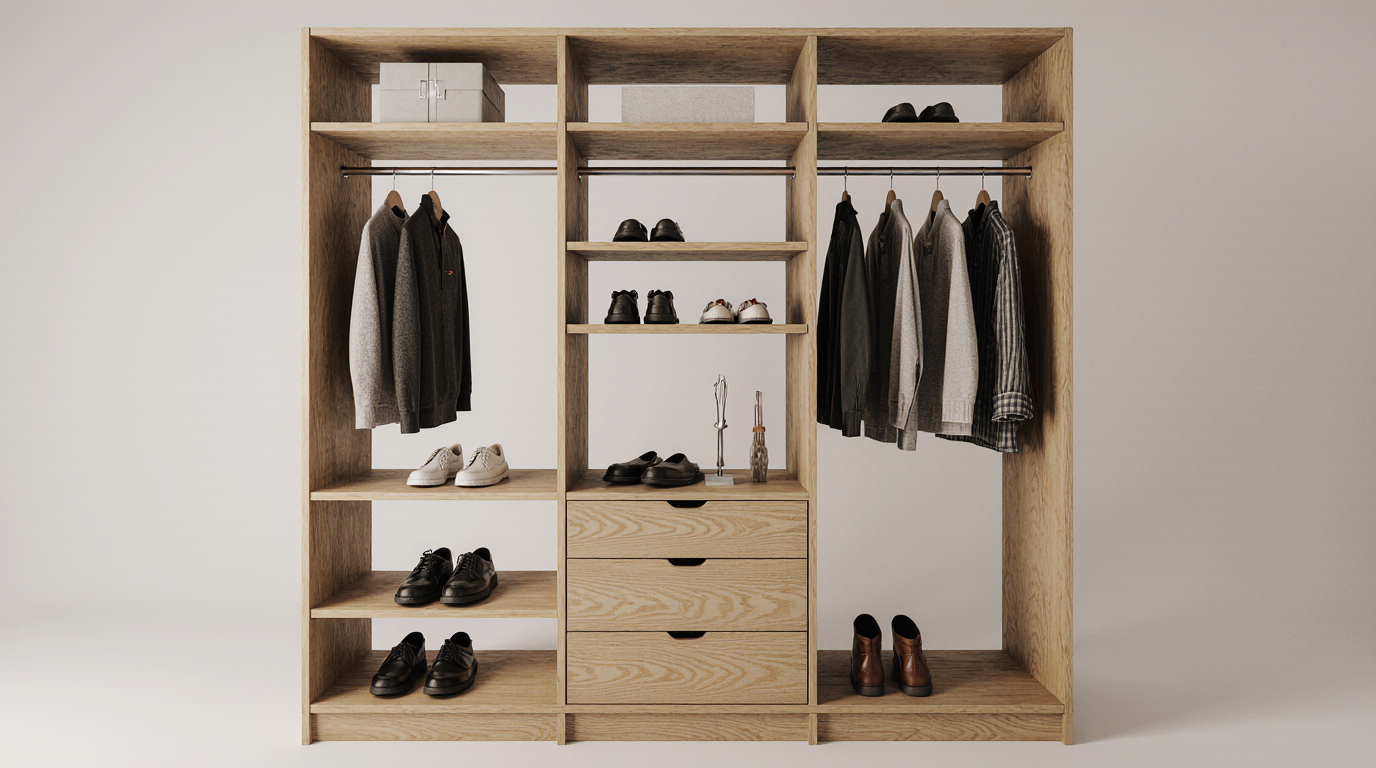
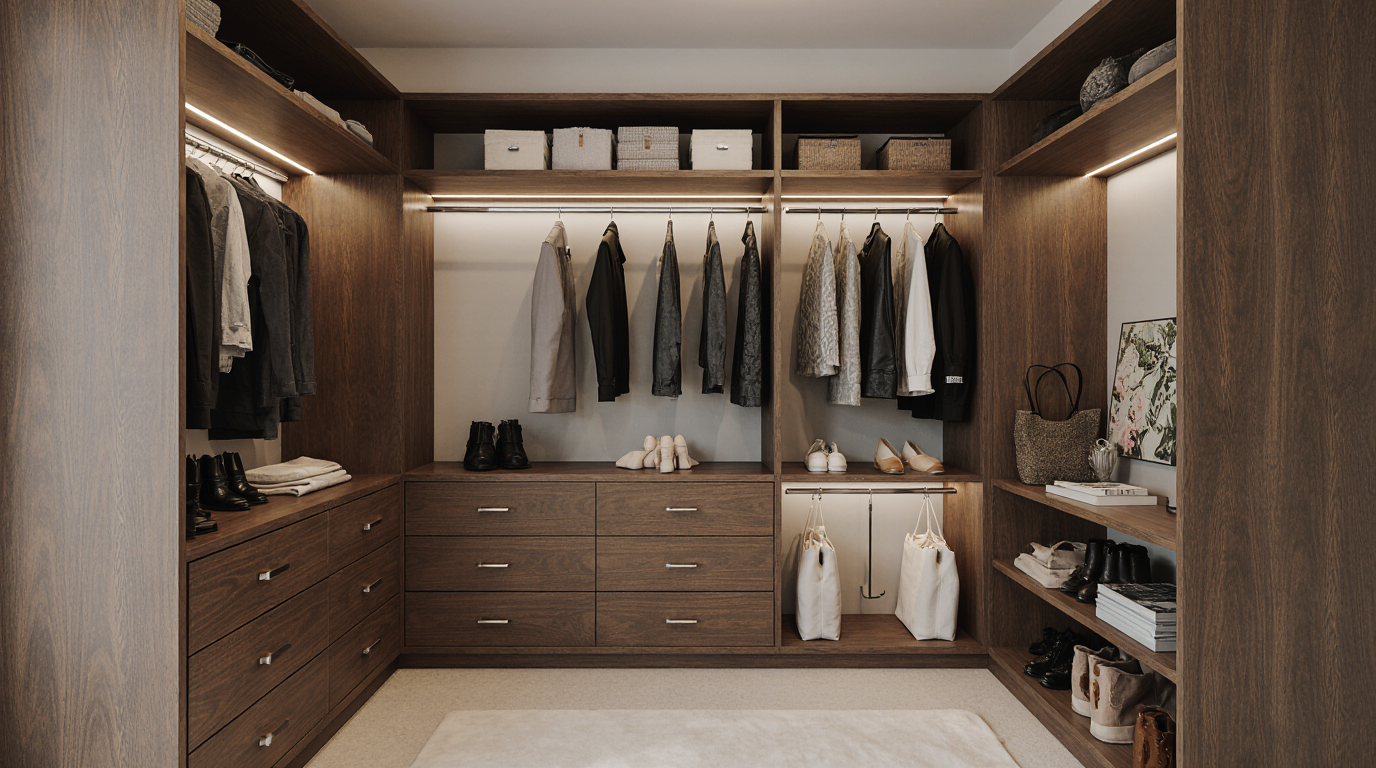
Before any design is drafted, I conduct a comprehensive spatial analysis that goes far beyond simple measurements. My first step is to understand the micro-environment of the space—assessing airflow from HVAC vents, identifying sources of natural light that can cause material fading, and mapping existing humidity patterns. I've found that closets in many newer Lakewood Ranch homes, for instance, often have poor air circulation, which accelerates material degradation. I then analyze the wall structure to determine optimal load-bearing points for heavy-duty shelving, ensuring we anchor into studs, not just drywall. This process is about engineering the space from the inside out, identifying inefficiencies like dead corners or wasted vertical areas that can be reclaimed to increase usable storage by as much as 30%.
The Material Science Behind a Climate-Proof Closet
The choice of materials is where true longevity is forged. While the description mentions marine-grade plywood, the science behind its superiority lies in its construction with waterproof phenolic resin glues. Unlike the particle-based core of MDF which acts like a sponge, this layered assembly creates an impassable barrier to moisture at every level. For the finish, my standard is a two-part conversion varnish, a chemically cured coating that forms a non-porous, furniture-grade shield. This is vastly superior to common lacquer, which can micro-fracture and allow humidity to penetrate over time. For hardware, I specify drawer slides and hinges from lines engineered for marine applications. Their sealed soft-close mechanisms prevent internal salt and moisture corrosion, a frequent point of failure I've observed in high-end installations that overlooked this critical detail.
The Fabrication and Installation Blueprint
My fabrication process is a fusion of traditional craftsmanship and modern precision engineering. It follows a strict, repeatable blueprint to guarantee flawless results. The goal is to build components in the workshop that fit together on-site with absolute perfection, minimizing disruption in the client's home.
- CAD Modeling: Every shelf, divider, and cabinet is rendered in a 3D CAD environment. This allows me to pre-visualize the entire assembly, check for clearances, and optimize material usage before a single piece of plywood is cut.
- CNC Machining: I utilize a CNC router for all component cutting. This delivers repeatable precision with tolerances under a millimeter, something impossible to achieve consistently by hand. This is essential for the tight, seamless joints that define high-end cabinetry.
- Waterproof Edge Banding: Sealing the edges of the plywood is a critical step. I use a PUR (polyurethane reactive) adhesive for edge banding, which forms a permanent, waterproof bond that will not delaminate or peel in Florida's heat and humidity—a common failure point for standard hot-melt glues.
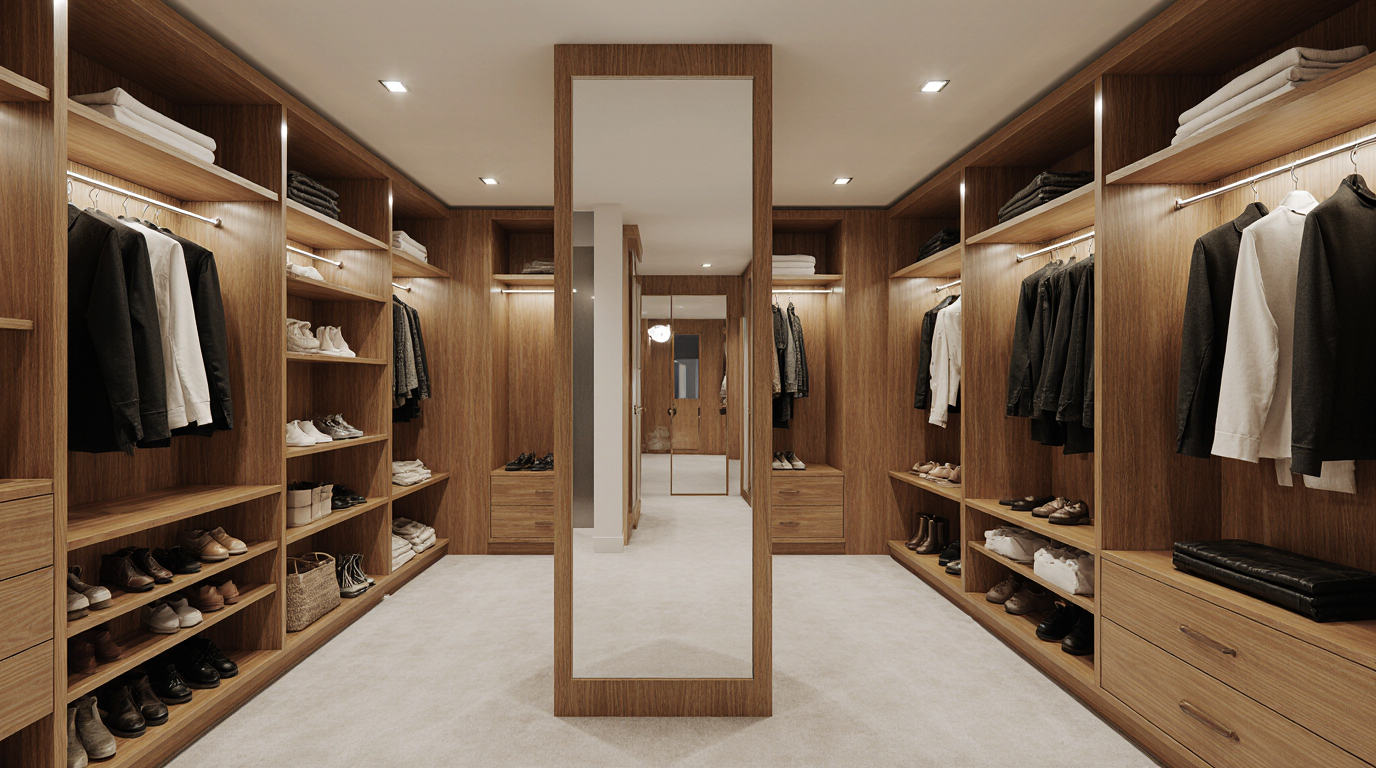
- On-Site Scribing and Installation: No wall is perfectly straight. The final stage involves meticulously scribing the finished panels to the unique contours of the walls. This creates a truly integrated, built-in aesthetic with no unsightly gaps, a detail that elevates the project from merely 'custom-fit' to architecturally seamless.
Precision Tolerances and Long-Term Stability Standards
The final assembly is governed by exacting standards. I engineer all shelving spans based on load calculations to prevent any deflection or sagging over the lifetime of the closet, often integrating concealed steel reinforcements for storing heavy items. The reveals—the gaps between doors and drawers—are set to a uniform 2mm tolerance, maintaining the crisp, architectural lines demanded in luxury projects. I've corrected too many installations in beautiful Lido Key properties where inconsistent gaps completely undermined the design intent. This meticulous attention to alignment and structural integrity is what separates a functional closet from a piece of permanent, high-performance furniture.
Is your current closet's design actively fighting against Sarasota's humidity, or is it slowly succumbing to it?