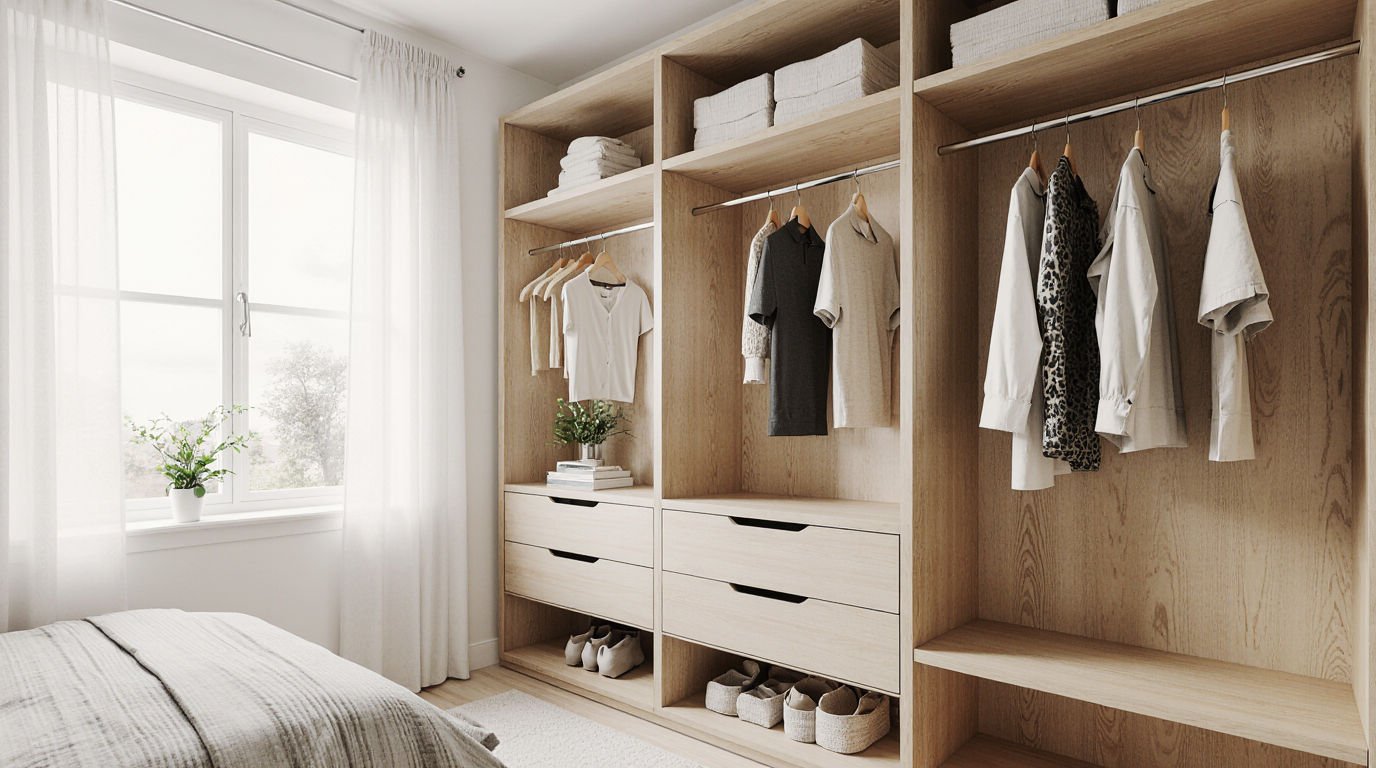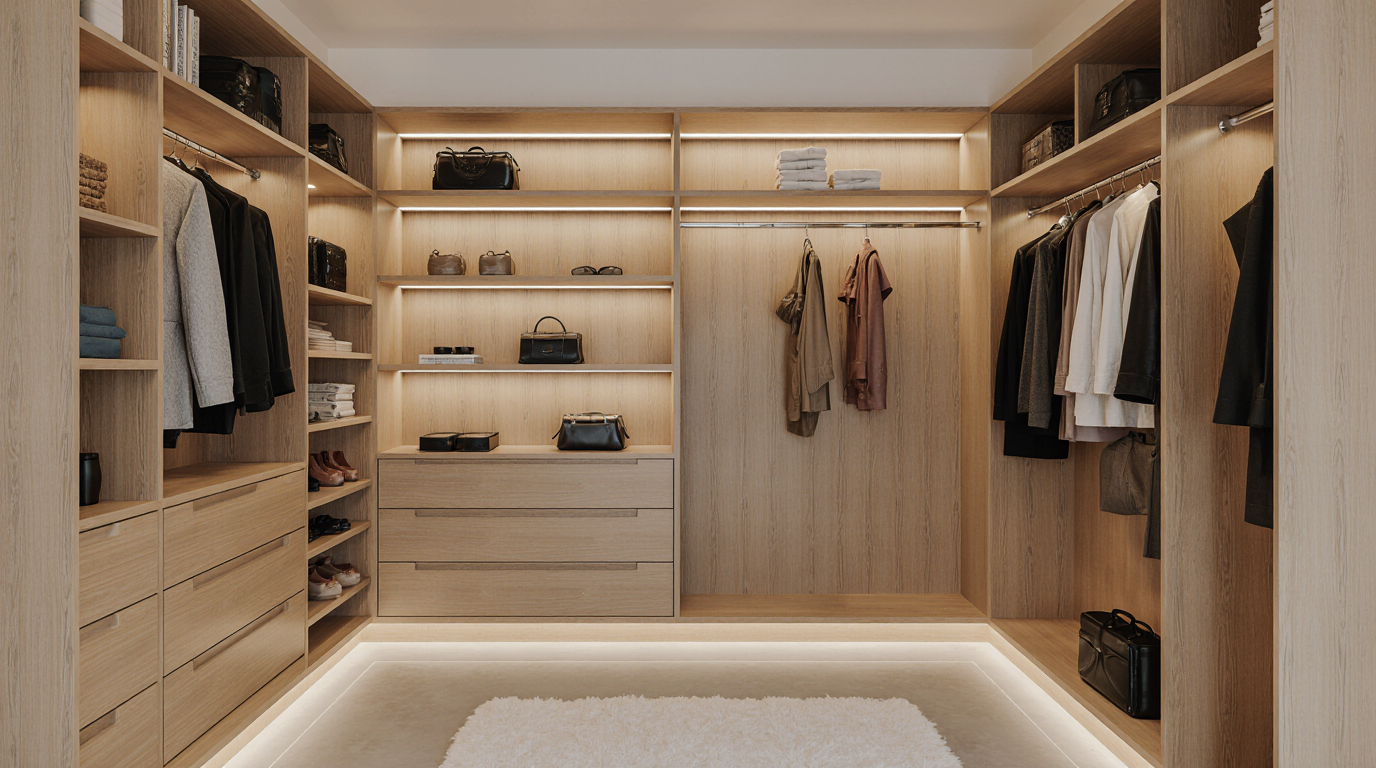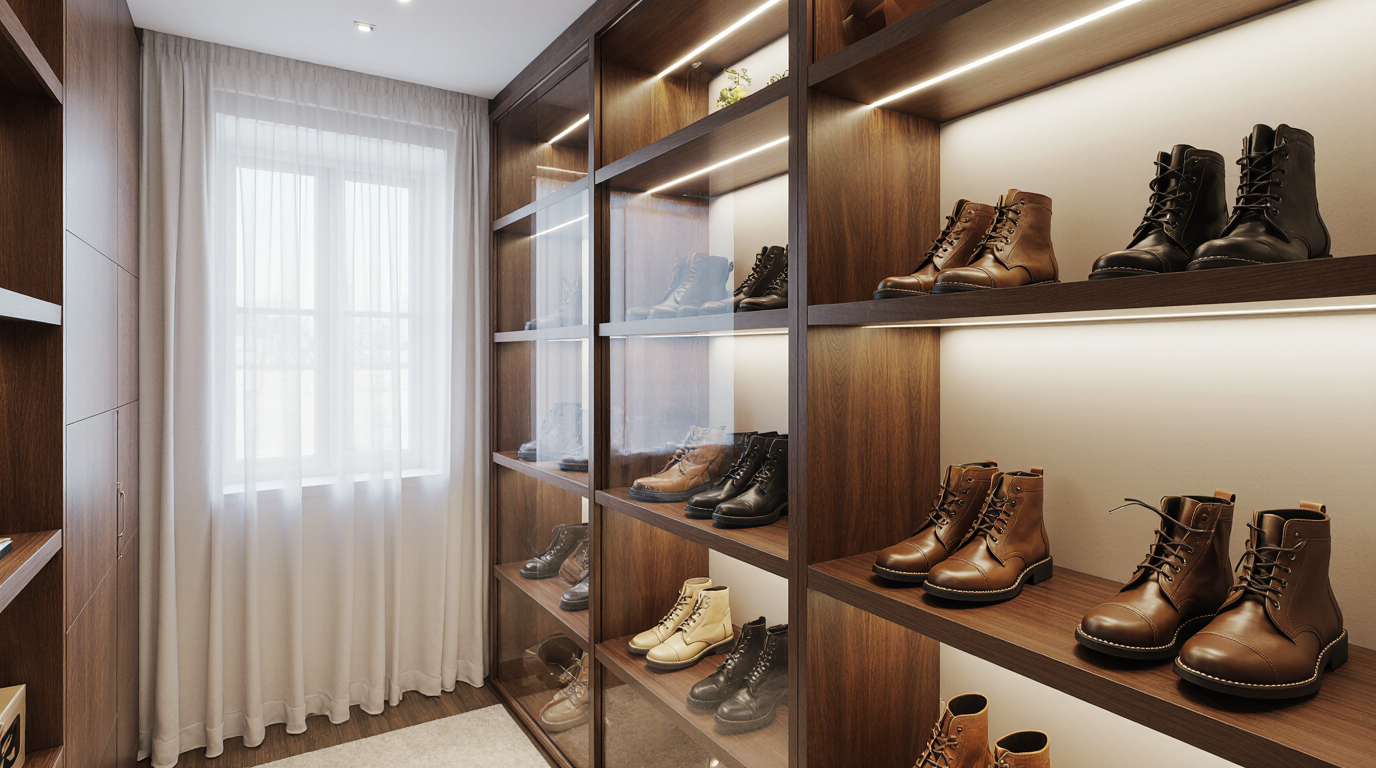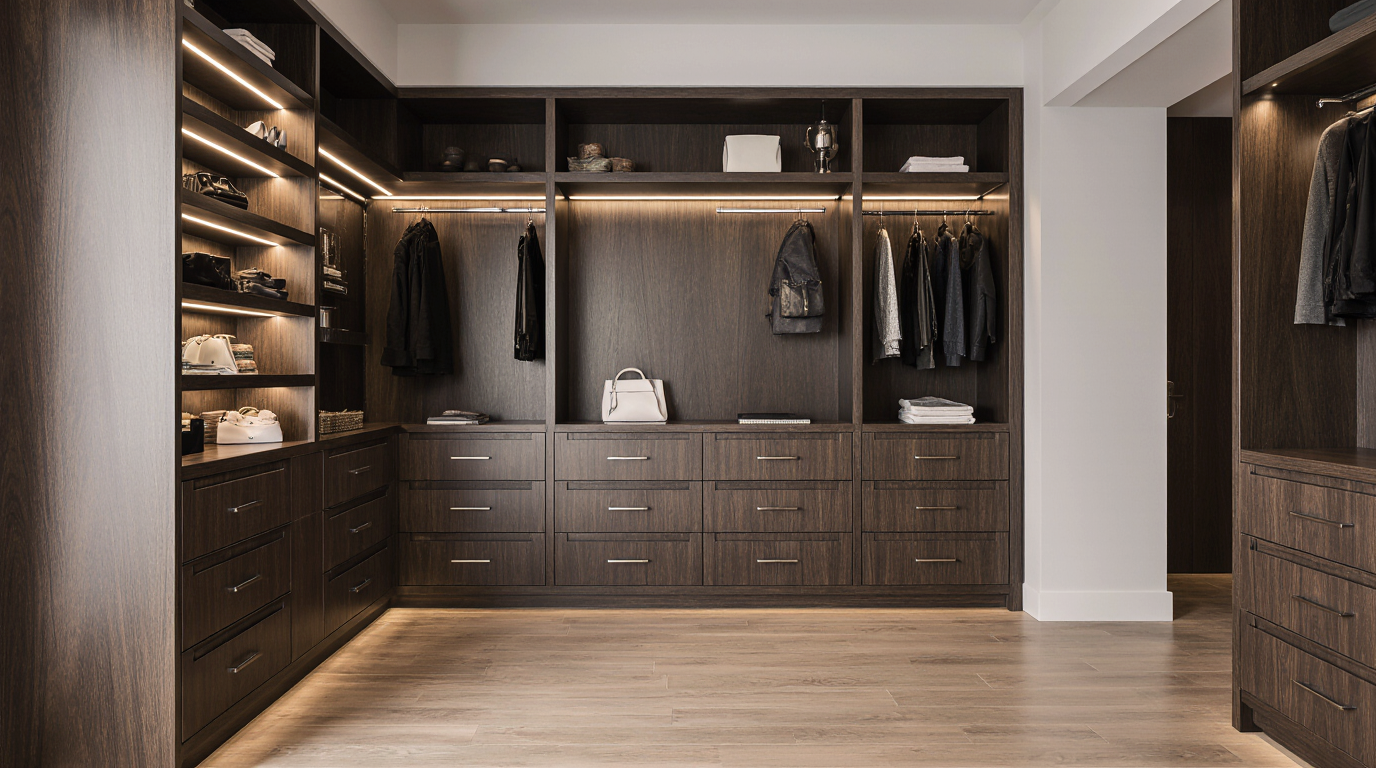
The Foundational Audit: A Diagnostic Approach Beyond Measurements
My process for designing a custom closet begins long before a single piece of wood is cut. It starts with a comprehensive on-site diagnostic of the space. I'm not just looking at dimensions; I'm analyzing the environmental dynamics of the room. I assess airflow, identify potential high-humidity zones (especially from adjoining master bathrooms), and study the specific UV exposure from windows, which can affect finish longevity. This deep analysis is crucial because the engineering needs for a sprawling walk-in closet in a Lakewood Ranch estate home are vastly different from those in a luxury high-rise condominium on Lido Key, where maximizing every cubic inch and fighting salt air infiltration are primary concerns.
Furthermore, I conduct a detailed wardrobe inventory. This isn't about being intrusive; it's about engineering a solution for what you actually own. The structural load requirements for a collection of heavy suits and coats are entirely different from those for lightweight linens and activewear. This information directly dictates shelf depth, rod placement, and the internal reinforcement of the cabinet boxes, ensuring the final structure is a perfect marriage of form and function tailored to your lifestyle.
Material and Hardware Specification: The Non-Negotiables for Durability
Once the diagnostic is complete, I move to material specification. While the description mentioned marine-grade plywood, the core itself is just the start. The specific type of joinery is equally critical. I use dado and rabbet joints, reinforced with specialized, moisture-resistant adhesives, to create cabinet boxes that are incredibly strong and resistant to racking or twisting over time. The edges are then sealed with a polyurethane-reactive (PUR) hot-melt edge banding, which creates a seamless, waterproof bond that prevents moisture from ever reaching the plywood core—a common failure point in lesser systems.
For hardware, my standards are uncompromising. Every drawer is built on undermount soft-close slides, typically from manufacturers like Blum or Grass. This type of slide provides superior stability for wider drawers and creates a cleaner, high-end look without visible hardware. For hinges, I specify models with integrated soft-close mechanisms and perform load calculations to ensure they will not sag, even on tall, heavy doors. This level of detail ensures a lifetime of smooth, silent operation.
From Digital Blueprint to Workshop Fabrication
Every element from the audit and material selection is translated into a precise 3D CAD model. This digital blueprint allows us to resolve complex spatial challenges and refine every detail before production begins. It guarantees that what is installed in your home is exactly what was envisioned, with tolerances measured in fractions of a millimeter. My fabrication process is a systematic workflow designed for quality control:
- All plywood panels are cut on a CNC (Computer Numerical Control) router to ensure perfect accuracy and clean edges for optimal joinery.
- Finishes are applied in a dedicated, climate-controlled spray booth using catalyzed lacquers or conversion varnishes, which provide a much harder and more durable surface than standard paints.
- Core cabinet modules are pre-assembled in my workshop. This allows me to verify all alignments and hardware function before bringing anything to the job site, drastically minimizing disruption in your home.
Installation Protocols and Precision Alignment
The final installation is where true craftsmanship becomes evident. Walls in any home, new or old, are rarely perfectly plumb or straight. That is why I meticulously scribe every cabinet and panel to the wall, ensuring a seamless, built-in look with no unsightly gaps. My fastening protocol involves using specialized cabinet screws to anchor every unit directly into wall studs, providing a structural connection that far exceeds the strength of drywall anchors.
The final step is a multi-point alignment check. I ensure every door and drawer front has a consistent, 2mm gap, creating perfect reveals throughout the entire closet system. This obsessive attention to detail not only looks better but also prevents long-term stress on hinges and slides. When you look at your current closet, do you see a simple storage box, or an engineered system designed to perform flawlessly within the specific environmental pressures of your home?