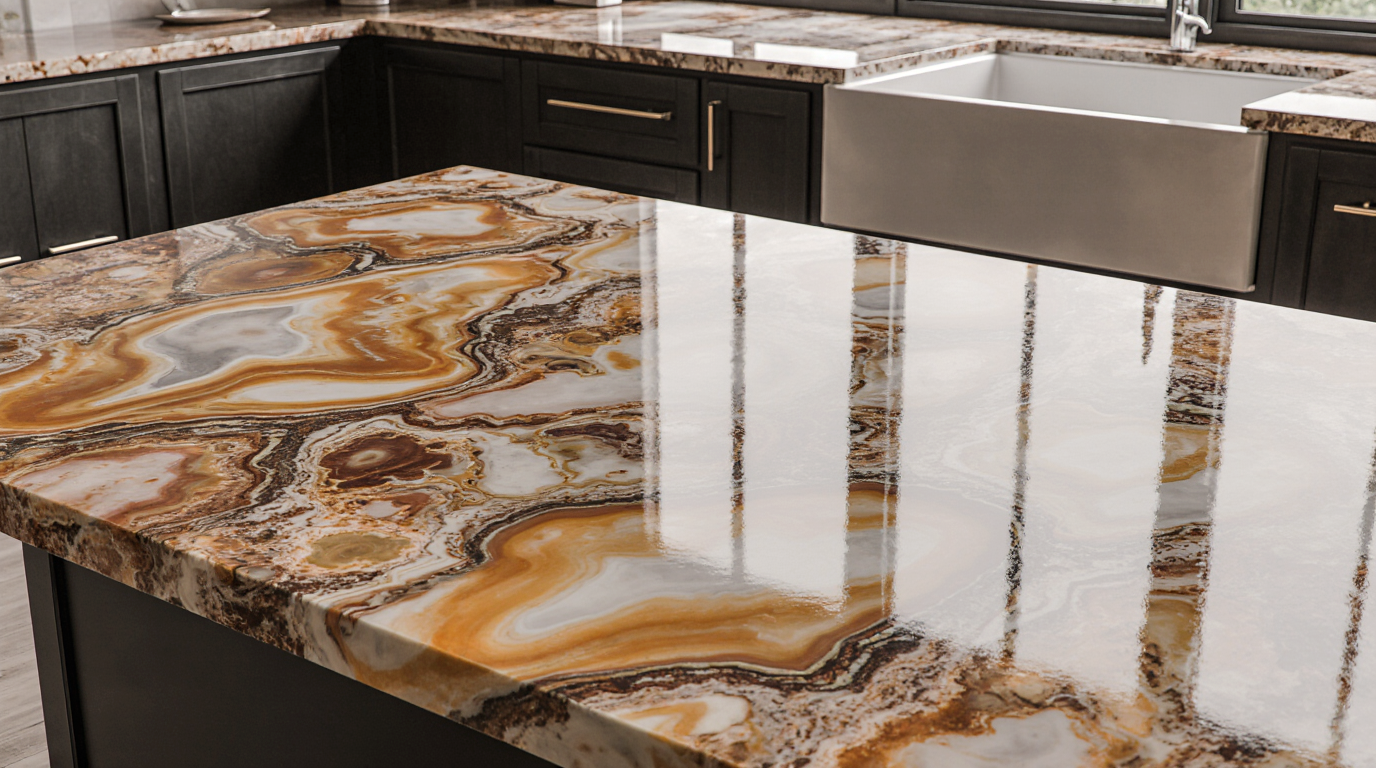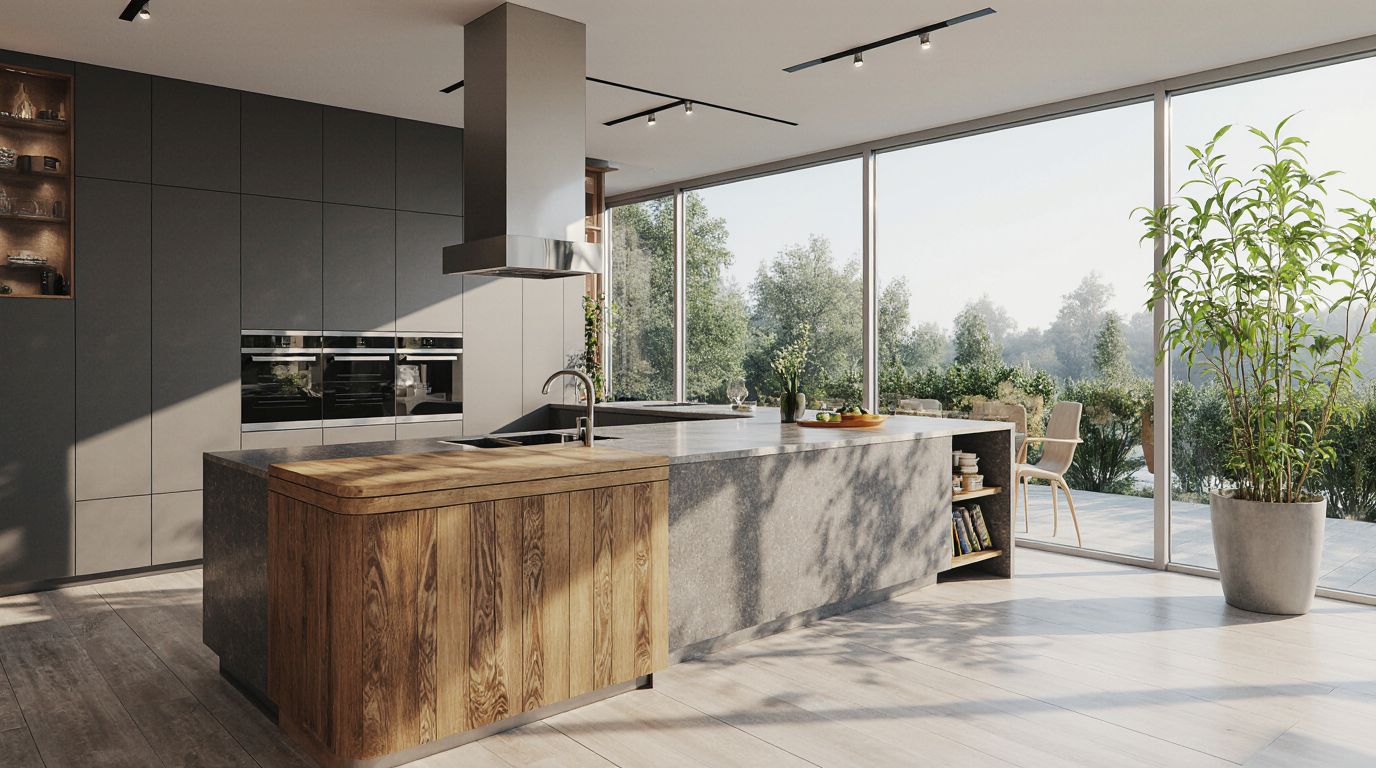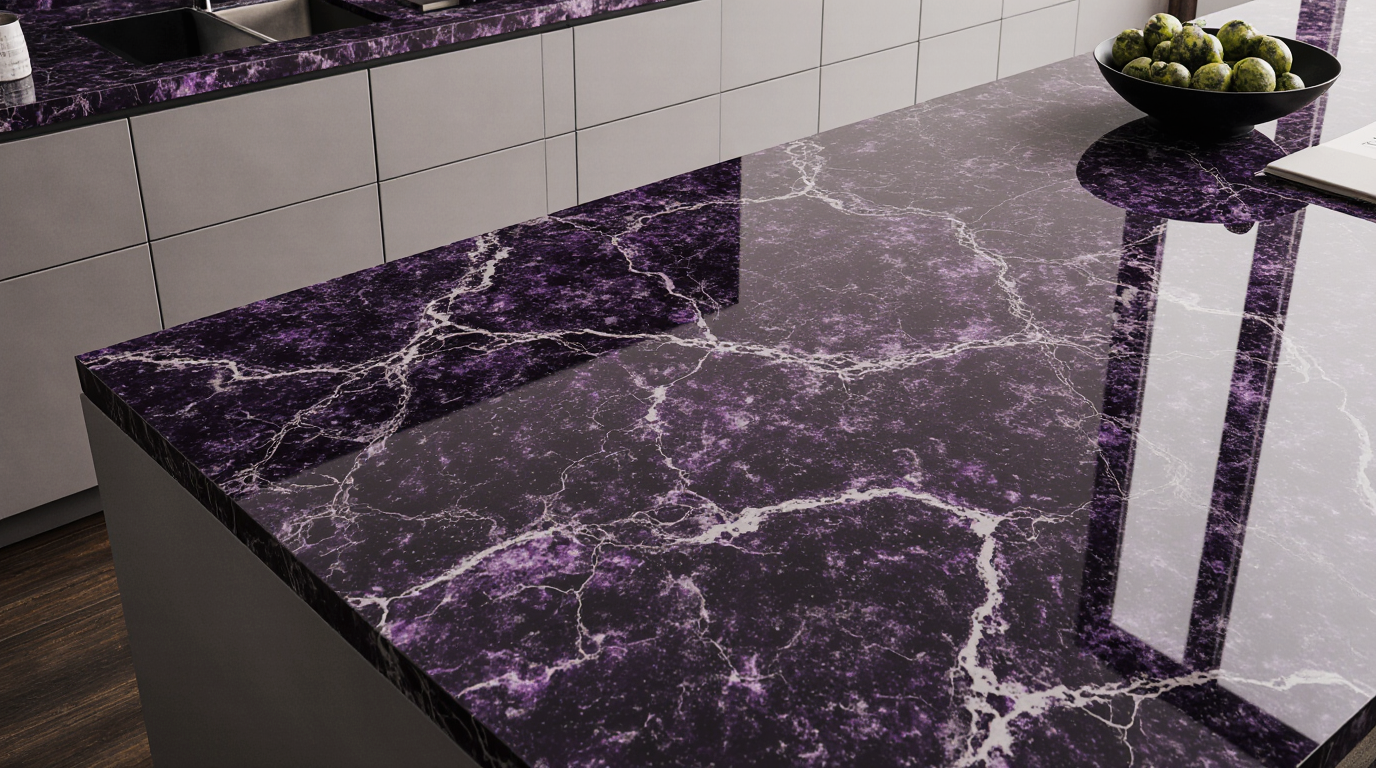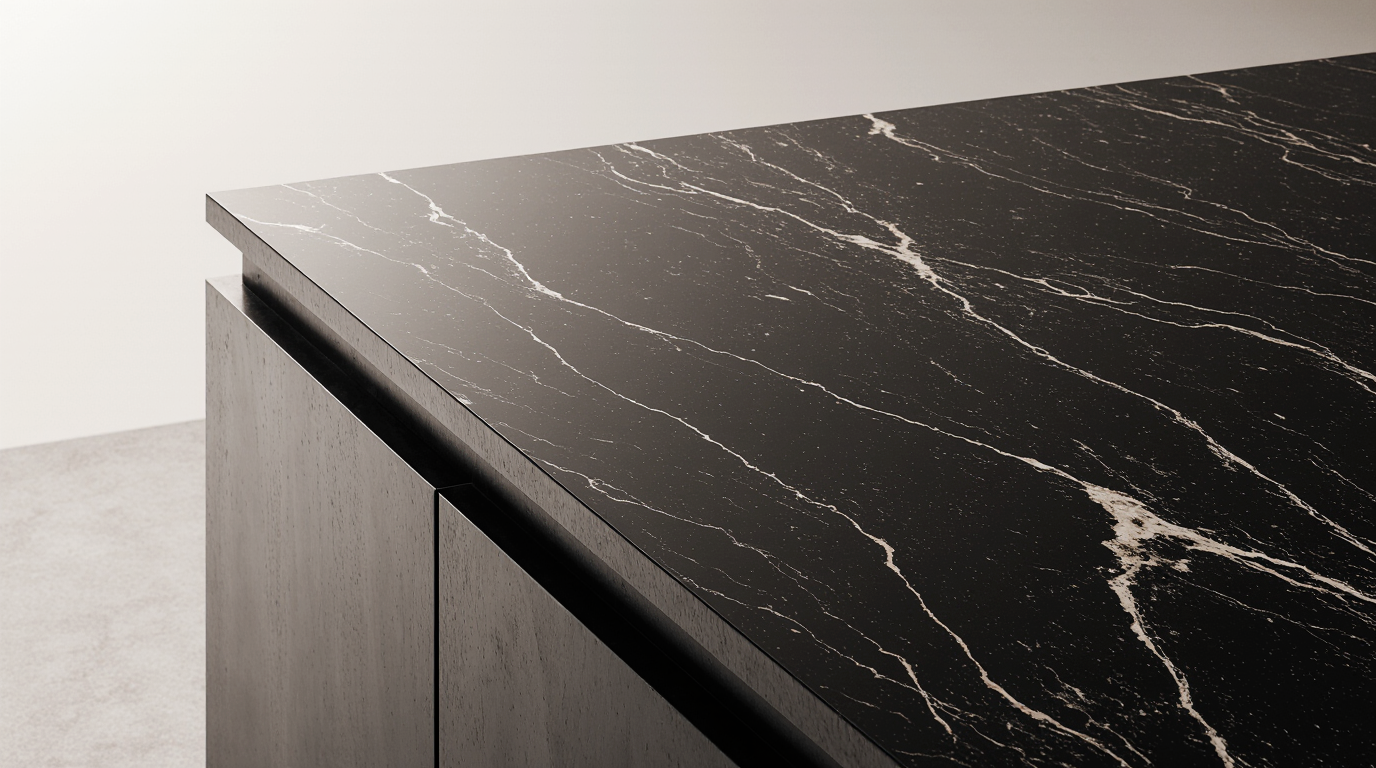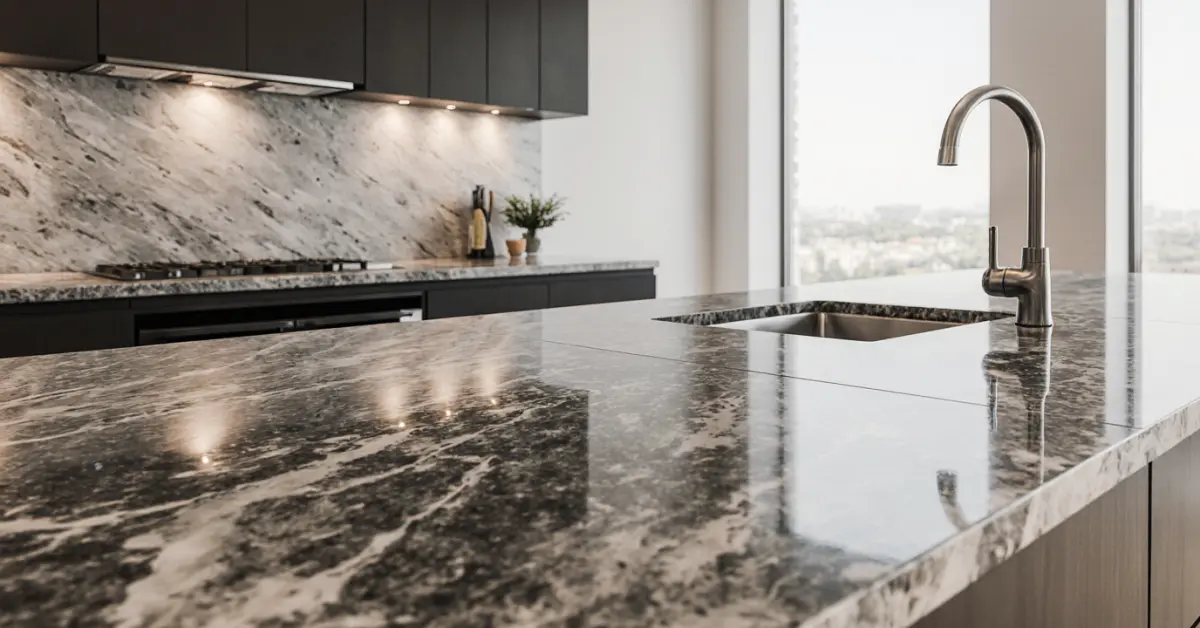
The conversation started, as it often does, with a photo of a stunning, bookmatched marble island. The clients, who had just purchased a waterfront home on Bird Key, wanted that exact look. The problem wasn't sourcing the marble; the problem was that their L-shaped kitchen design included a pass-through window to their lanai, directly exposing a portion of the counter to salt spray and relentless afternoon sun. They were focused on the unique look, but my job was to focus on the unique failure point that Sarasota’s climate would inevitably create for that material.
Executive Summary: Navigating Countertop Selection in a Coastal Climate
In my 15 years installing high-end countertops in Sarasota, I've learned that a material's uniqueness is secondary to
In my 15 years installing high-end countertops in Sarasota, I've learned that a material's uniqueness is secondary to its long-term performance in our specific coastal environment. A countertop isn't just a visual centerpiece; it's a working surface that must resist intense UV radiation, high humidity, and airborne salinity. The most successful projects are those where the material choice is driven by a deep understanding of these local pressures, not just by aesthetics seen in a magazine. The key is to match the material's properties to the home's exact location and the client's lifestyle, especially when considering popular features like outdoor kitchens or indoor-outdoor living spaces.
- UV Stability is Non-Negotiable: Resins in many engineered materials can yellow with direct sun exposure, a common issue for kitchens with large windows overlooking the bay.
- Porosity and Sealing Protocols: Porous stones like certain marbles or unsealed concrete can harbor moisture, leading to mold or staining in our humid climate.
- Salt Air Resistance: For homes on the barrier islands like Siesta Key or Lido Key, even indoor surfaces can be affected by salt air, which can etch and dull finishes over time.
- Outdoor Application Suitability: A material rated for indoor use is rarely suitable for an outdoor kitchen; it requires specific thermal shock resistance and non-porous characteristics.
Planning Failures That Compromise Unique Materials
The most common mistake is falling in love with a material before considering its application. A client sees a beautiful, veiny quartzite online but doesn't realize it will be installed next to a south-facing sliding glass door. The intense UV exposure can, over years, cause color shifts in the resin used to fill fissures in the slab, creating a shadow of the window frame on the stone itself. This isn't a material defect; it's a planning failure.
The Most Expensive Failure: Ignoring Outdoor-Specific Requirements
The costliest error I see is using a standard indoor granite or quartz for an outdoor kitchen countertop. An indoor slab is not engineered to handle the thermal stress of a hot grill, direct sun, and sudden cooling from a rain shower. I was once called to a project in Lakewood Ranch where a beautiful, dark granite countertop for an outdoor bar had developed a hairline fracture clean across the surface after less than a year. The cause was thermal shock. The fix required a full replacement with a material rated for exterior use, effectively doubling the client’s countertop budget after the fact.
The Process for Sourcing and Installing Unique Surfaces
Securing a truly unique countertop is a multi-stage process that goes far beyond picking a slab. It begins with a site assessment to understand light exposure, airflow, and proximity to salt water. We then source materials, often from specialized suppliers who deal in exotic stones, recycled content, or custom-formulated products like terrazzo or concrete. Lead times can be significant, sometimes 12-16 weeks for materials from overseas.
Selection Criteria for Sarasota Homeowners
When I consult with clients, we filter options through a very specific local lens. Generic advice doesn't apply here.
- Location-Specific Sealer: Will the home be on the mainland or a barrier island? A property on Longboat Key needs a more robust, salt-resistant sealer than one in an inland community like The Meadows.
- HOA Compliance in Planned Communities: For outdoor applications in places like Palmer Ranch, the material's color and finish may need approval from an Architectural Review Board, adding 30-60 days to the project timeline.
- Hurricane Code Considerations: For outdoor countertops, the substrate and anchoring must comply with the Florida Building Code's high-wind-load requirements. This is not about the slab itself but the structure supporting it.
- Lifestyle Compatibility: Is this a primary residence for a family that cooks daily, or a vacation condo used a few months a year? A softer stone like soapstone might be perfect for the latter but show too much wear for the former.
Comparing Unique Materials to Standard Options
While standard quartz and granite are reliable, they often lack the character clients seek. However, unique materials come with their own set of trade-offs that must be understood before committing.
| Material | Primary Benefit | Primary Drawback in Sarasota | Typical Installed Cost per sq. ft. |
|---|---|---|---|
| Recycled Glass (Vetrazzo) | Unique look, sustainable, non-porous | Can be susceptible to chipping; requires specialized fabricators | $110 - $180 |
| Sintered Stone (Dekton, Neolith) | Extremely durable, UV-proof, great for outdoors | Higher cost, can be brittle during fabrication/installation | $90 - $160 |
| High-End Quartzite | Natural stone beauty with granite-like durability | Porosity varies wildly; mislabeling as quartz is common | $100 - $250+ |
When a Standard Material Is the Better Choice
A unique countertop is not always the right answer. For a rental property or a home where resale value with broad appeal is the primary concern, a high-quality, neutral quartz is often a smarter financial decision. The investment in an exotic or polarizing material like a bold petrified wood or a vibrant blue lava stone may not be recouped if the next buyer doesn't share the same taste.
Safe Hiring Checklist for Specialized Countertops
Finding the right material is only half the battle. The fabricator and installer are just as critical, especially with materials that are difficult to work with.
- Verify the fabricator has documented experience with the specific material you've chosen, not just with stone in general. Ask to see photos of past projects.
- Confirm they carry specific liability insurance covering damage to exotic or high-value slabs during transport and fabrication. A single slab can be worth over $10,000.
- Ask about their seam-matching process. For heavily veined materials, they should be using digital templating and vein-matching software.
- Ensure their installation protocol for outdoor kitchens includes provisions for thermal expansion and anchoring that meets Florida Building Code requirements for wind uplift.
- Request a detailed sealing plan, specifying the type of sealer to be used and the recommended re-application schedule for Sarasota's climate.
Decisions That Determine the Outcome
The success of a unique countertop installation hinges on early, informed decisions. The choice of sink (undermount vs. drop-in), faucet style, and even appliance placement can affect the fabrication plan. I've seen projects delayed because a client chose a faucet with a wide base after the holes were already drilled in the slab, requiring a costly and imperfect patch.
The Exact Moment the Majority Gets It Wrong
Most clients get it wrong when they select their slab before finalizing their layout, especially for an L-shaped kitchen or one with a small footprint. They find a piece of stone they love at the slab yard, put a deposit down, and then try to make it fit their design. The correct approach is to finalize the cabinet layout and appliance locations first. With a locked-in template, you can then go to the slab yard and ensure the most beautiful and functional parts of the slab are allocated to the most visible areas, like an island or peninsula, while working around fissures or less desirable patterns for smaller cuts.
Practical Answers About Operations in Sarasota
Navigating the local specifics is crucial. These are not generic issues; they are real-world bottlenecks I deal with regularly in Sarasota County.
Condo Association Approval on Barrier Islands
In many of the high-rise condos on Lido Key and Siesta Key, countertop replacement requires board approval. The association will want to see the installer's certificate of insurance, and they often restrict work hours and elevator usage. This can add 2-4 weeks to the project timeline before any work can even begin. You must factor this administrative time into your schedule.
Sourcing Marine-Grade Substrates
For any countertop installation in an area with high moisture, especially outdoor kitchens or even indoor kitchens in non-air-conditioned lanais, standard particleboard or MDF substrate is a recipe for failure. I insist on using marine-grade plywood as the substrate. It adds approximately 20-25% to the substrate cost but prevents swelling and delamination, which can crack an expensive stone countertop from below.
Florida Product Approval for Outdoor Structures
If your outdoor countertop is part of a new structure rather than a simple replacement, the supporting cabinetry or frame may need to have a Florida Product Approval number to pass inspection by the Sarasota County building department. This ensures the system has been tested for wind resistance. Using unapproved products can lead to a failed inspection, forcing a tear-out and rebuild.