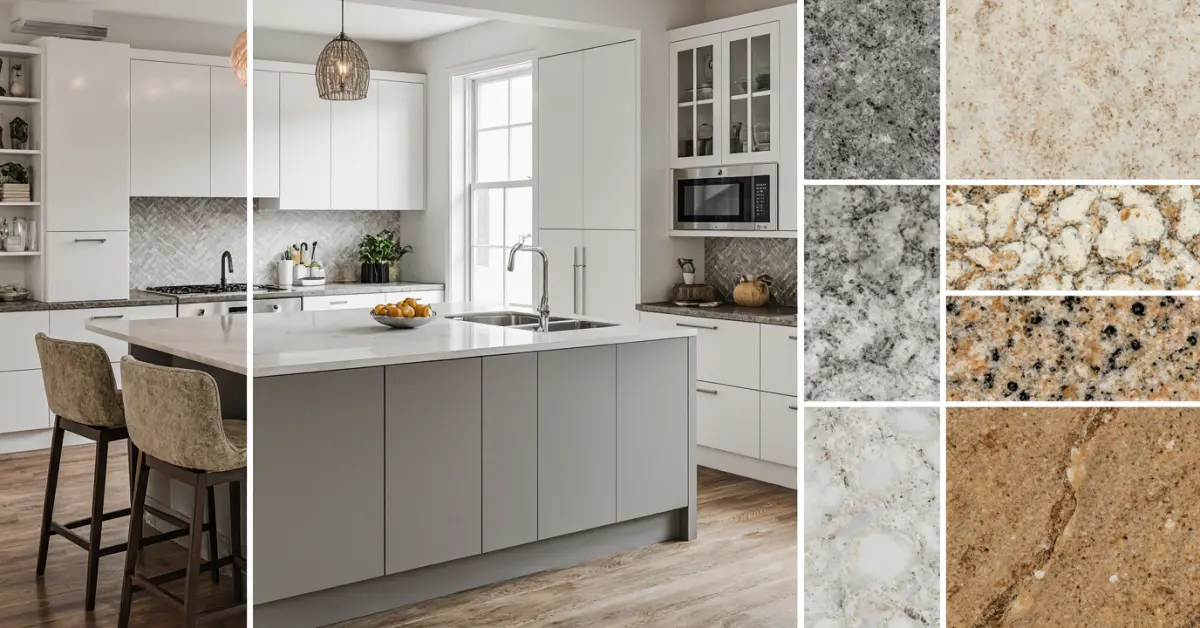
In Sarasota, the average humidity level hovers around 75% year-round. For a countertop, this isn't just a weather statistic; it's a constant pressure test. The most beautiful slab of porous marble, improperly sealed, can begin to show water spots and mildew in less than a year in a bayfront home on Longboat Key. Choosing a countertop here is less about the brand name and more about a material's resilience to moisture, salt, and UV light.
Executive Summary for Sarasota Countertop Selection
From my direct experience installing countertops from Palmer Ranch to Siesta Key, the primary driver of long-term
From my direct experience installing countertops from Palmer Ranch to Siesta Key, the primary driver of long-term satisfaction is not the initial look, but how the material behaves under our specific coastal conditions. The conversation must shift from 'what's popular' to 'what's practical' for a humid, high-UV environment. The most critical factor is a material's non-porosity and its ability to resist microbial growth and chemical etching from salt air.
- Material Porosity: Determines vulnerability to staining and moisture absorption, a key failure point in Florida's humidity.
- UV Resistance: Essential for kitchens with large windows or outdoor applications, as intense sun can fade resins in engineered stones and alter the color of some natural stones.
- Salt Air Corrosion: While less of an issue for the stone itself, it can affect fixtures and requires countertops that are easy to clean without harsh chemicals that could damage the surface.
- HOA Design Guidelines: Many Sarasota communities, especially in areas like Lakewood Ranch, have architectural review committees that may have pre-approved material palettes or specific edge profile requirements.
Planning Failures That Compromise Countertop Longevity
The most frequent errors I see are rooted in prioritizing aesthetics seen in national design magazines over local performance realities. A client might fall in love with a highly veined, soft marble for their kitchen, not realizing that its high porosity is a maintenance nightmare in our climate. The constant humidity means spills that might evaporate elsewhere can linger, creating a perfect environment for stains and mold.
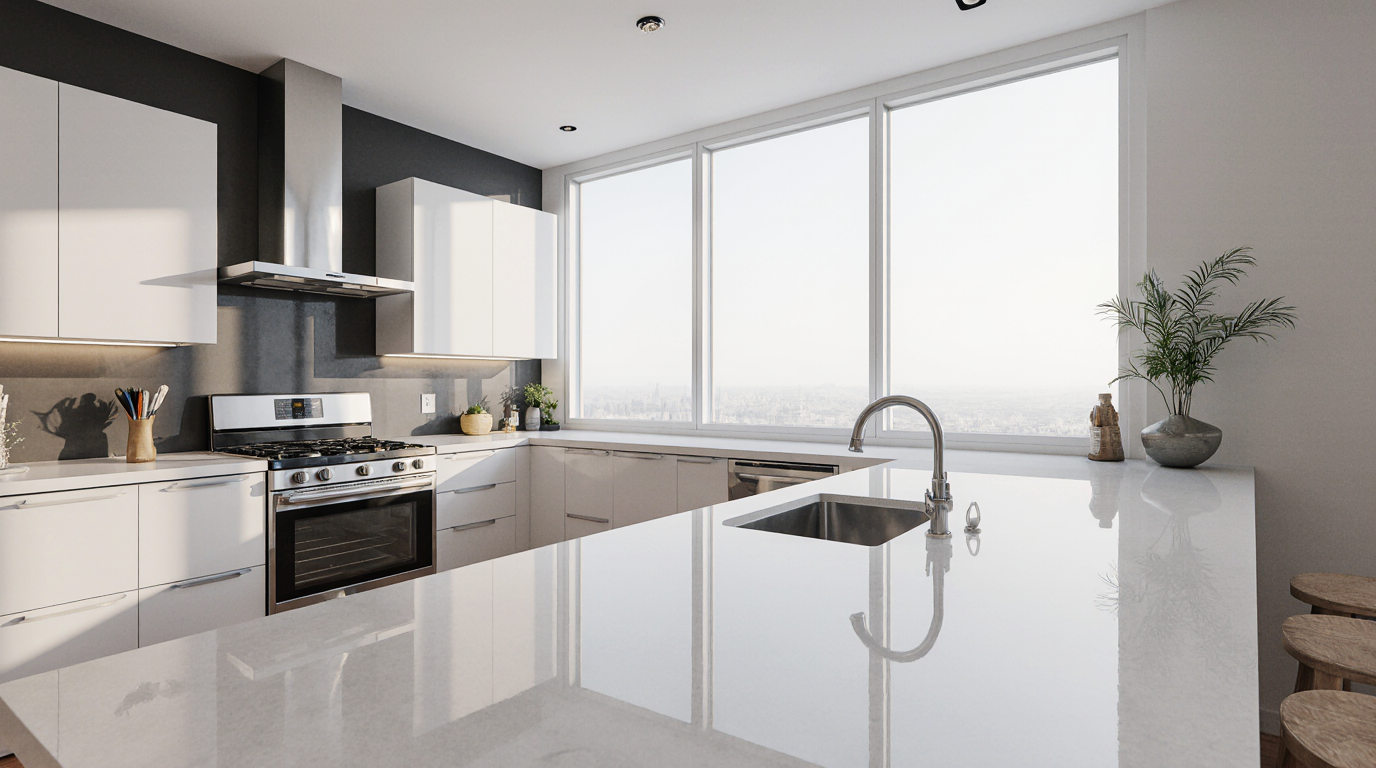
Another common mistake is underestimating the impact of direct sunlight. In homes with large glass sliders opening to a lanai, the UV radiation is intense. I've seen engineered quartz with high resin content yellow within a few years when installed in direct sun, a costly issue that is rarely covered by warranties. This is especially true for outdoor kitchens, a popular feature in Sarasota.
The Most Expensive Failure: Ignoring Sealing and Maintenance Protocols
The costliest mistake is assuming a natural stone countertop is a one-and-done installation. I worked on a project in a Lido Key condo where the homeowner installed a beautiful, light-colored granite but failed to have it professionally resealed. Within two years, the area around the sink developed a permanent, dark ring from water absorption. The cost to restore it nearly equaled 30% of the initial installation cost, and the result was never as pristine as the original. This is a recurring pattern: the investment is made upfront, but the small, ongoing cost of proper maintenance is ignored, leading to a much larger future expense.
How Countertop Installation Works in Practice Here
The process in Sarasota is more than just picking a slab. It begins with a template appointment, where precise digital measurements of your cabinetry are taken. This is followed by slab selection, often at a local supplier like UMI or Oracle Surfaces. Once you approve the slab and the layout of the templates on it (especially crucial for stones with a lot of movement), the fabrication process begins. This involves cutting, creating sink and faucet holes, and finishing the edge profile.
Installation is the final step, but it must account for our building codes. For instance, in high-velocity hurricane zones (HVHZ), which cover much of our coastal area, how the cabinetry supporting the countertop is anchored becomes relevant. The countertop itself adds significant weight, and the entire system must be secure. The full process, from templating to installation, typically takes 2 to 4 weeks, assuming the selected slab is in stock locally.
Selection Criteria for Sarasota Homeowners
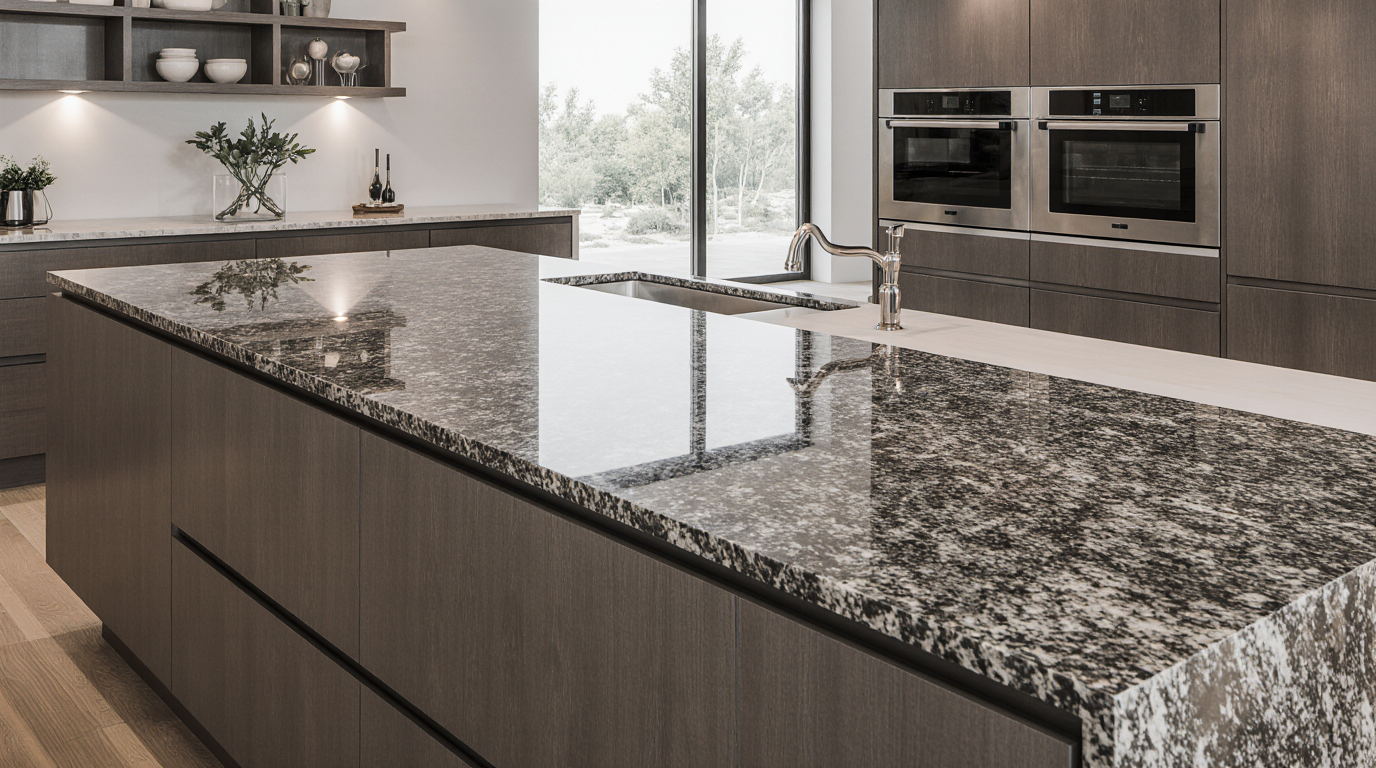
- Focus on Low Porosity: Prioritize quartz, non-porous quartzite, or densely packed granites. If choosing marble, reserve it for low-traffic areas like a guest bath and be prepared for diligent sealing.
- Verify UV Stability for Sun-Exposed Areas: If the counter will get direct sun, ask the fabricator for materials with high UV resistance. Sintered stone and certain granites are excellent choices. Avoid lower-quality quartz.
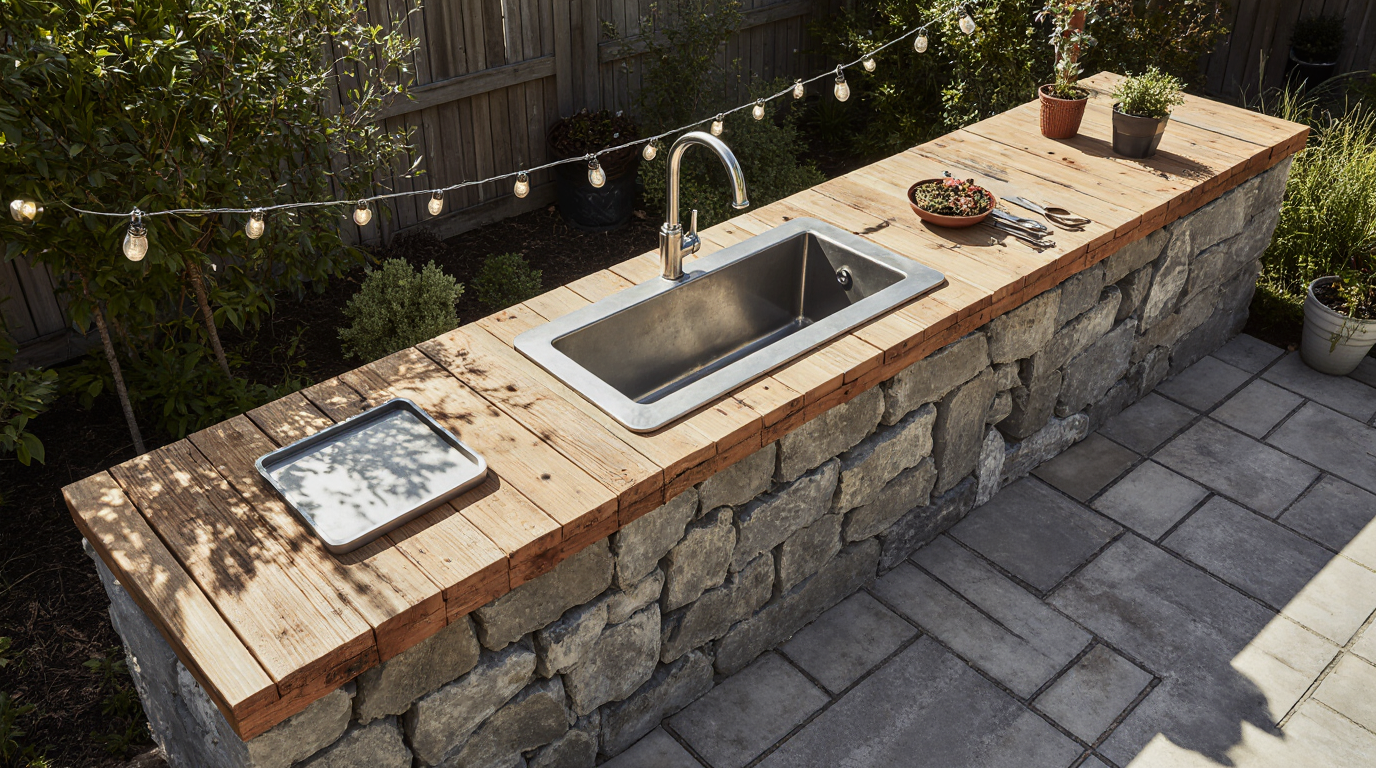
- Consider Outdoor Kitchen Durability: For lanais, select materials explicitly rated for outdoor use. Dekton, Neolith, and specific natural stones like Soapstone are superior to quartz, which can discolor.
- Check HOA Covenants: Before falling in love with a slab, review your community's architectural guidelines. Some HOAs in planned developments have restrictions on color, material, and even edge profiles to maintain a consistent neighborhood aesthetic.
Comparison of Dominant Countertop Materials for Coastal Florida
Choosing the right material involves balancing cost, maintenance, and durability against our specific environmental pressures. The table below outlines the trade-offs for the most common choices I install in the Sarasota area. It's a pragmatic look at how these surfaces perform day-to-day in our climate.
| Material | Humidity & Stain Resistance | UV & Heat Resistance | Typical Installed Cost (per sq. ft.) |
|---|---|---|---|
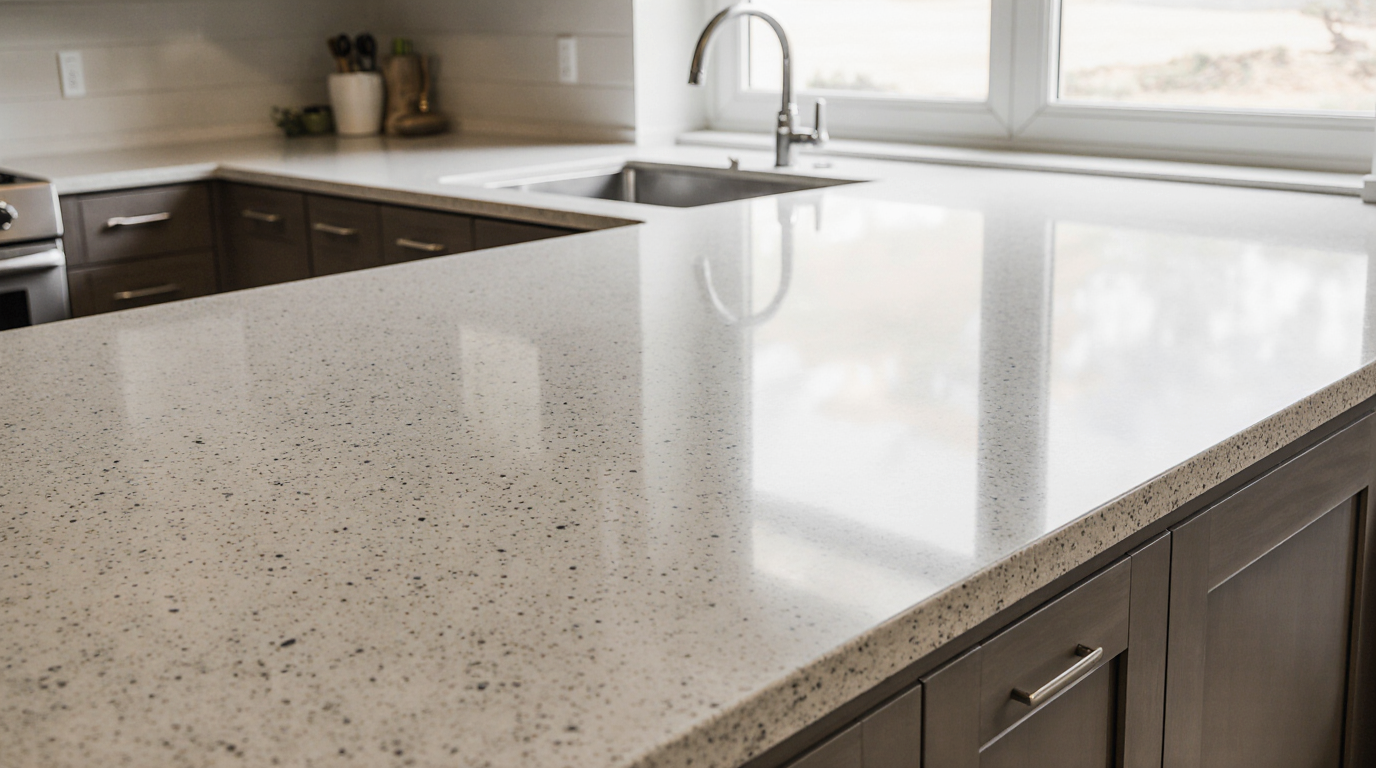
| Engineered Quartz | Excellent (non-porous) | Fair (can yellow with direct UV; heat can cause damage) | $80 - $150+ |
| Granite | Good to Excellent (depends on density and proper sealing) | Excellent (no resin to yellow; high heat tolerance) | $70 - $200+ |
| Quartzite | Excellent (if true quartzite; very low porosity) | Excellent (natural stone, no resins) | $90 - $220+ |
| Marble | Poor to Fair (very porous, etches easily, requires constant sealing) | Good (can be prone to heat shock) | $100 - $250+ |
When a High-End Stone Is Not the Right Choice
A high-end, exotic quartzite or marble is not the right choice for a family with young children in a casual, high-traffic home, regardless of budget. I've seen clients invest over $20,000 in a Calacatta marble island only to be devastated by a single spilled glass of orange juice that left a permanent etch mark. In these scenarios, a high-quality quartz that mimics the look of marble is a far more practical and stress-free solution, offering durability without the constant worry.
Safe Hiring Checklist for Your Sarasota Project
Finding a qualified fabricator and installer is as important as choosing the right stone. A beautiful material can be ruined by a poor installation. My advice is to be meticulous in your vetting process, especially given the investment level.
- Verify License and Insurance: Ensure the contractor holds a valid license with Sarasota County and carries both general liability and worker's compensation insurance. Ask to see the certificates.
- Inspect Their Seam Work: Ask to see photos of their previous work, specifically focusing on seams. A good fabricator can make seams nearly invisible. A bad one will leave you with a glaring, mismatched line.
- Discuss Sealing Protocol for Natural Stone: For granite, quartzite, or marble, ask what type of sealer they use and what the recommended resealing schedule is. A professional will have a clear, knowledgeable answer.
- Review Their Templating Technology: Modern fabricators use digital templating systems for precision. This is far more accurate than manual methods and critical for complex layouts or waterfall edges.
- Understand the Full Scope of the Bid: Ensure the quote includes material, fabrication, tear-out of old tops, installation, plumbing disconnect/reconnect (if offered), and sales tax. Hidden costs often appear here.
Decisions That Determine the Final Outcome
Two key decisions profoundly impact the success of a countertop project. The first is choosing the slab in person. Relying on a small sample is a recipe for disappointment. The veining and color of a natural stone slab can vary dramatically from one end to the other. I always insist my clients visit the slab yard and put their name on the exact slabs they want used for their project.
The second is approving the template layout on the slab. A skilled fabricator will use software to show you how the pieces of your countertop will be cut from the slab. This allows you to position the most beautiful parts of the stone in the most visible areas, like an island, and place seams in the most inconspicuous locations. Skipping this step is a gamble.
The Exact Moment When the Majority Gets It Wrong
The critical misstep happens right after selecting the stone type, like 'granite' or 'quartz.' Homeowners often delegate the selection of the *actual slab* to their contractor or designer to save time. This is a mistake. You must personally approve the slab and the template layout before a single cut is made. I had a client who wanted a specific type of granite with blue undertones. The designer picked a slab from the same lot, but it had dominant gold veining. The client was unhappy, but because the material name was correct, there was little recourse. That single visit to the supplier would have prevented the entire issue.
Practical Answers About Operations in Sarasota
Navigating the local specifics of a countertop installation can be confusing. It involves more than just design choices; it intersects with local regulations and community rules that can impact timelines and costs.
What Are Condo Association Requirements on Longboat Key?
Most condo associations on Longboat Key, Siesta Key, and in downtown Sarasota have strict rules for renovations. This typically includes limited work hours (e.g., 9 AM to 4 PM, no weekends), requirements for contractors to be licensed and insured, and protection of common areas like elevators and hallways. You must submit your contractor's information and project scope for approval, a process that can take 2-4 weeks. Failing to get pre-approval can result in fines and work stoppage.
Do I Need a Permit for Just Replacing Countertops?
In Sarasota County, replacing countertops is generally considered a cosmetic upgrade and does not require a building permit, provided you are not altering the plumbing or electrical layout. However, if your project involves moving a sink, adding a new outlet in the island, or altering any structural components, a permit will absolutely be required. The City of Sarasota has its own permitting office, so always verify with the correct jurisdiction.
How Does the Florida Building Code Affect My Kitchen Island?
The Florida Building Code has specific requirements for electrical outlets in kitchen islands to prevent the use of extension cords. Generally, an island with a countertop surface of 24 inches by 12 inches or larger requires at least one receptacle. The placement and type of receptacle are regulated. Your countertop installer must coordinate with a licensed electrician to ensure the island is code-compliant before the tops are permanently installed.