Quartzite Countertops Pricing Explained: Ultimate Homeowner’s Guide
Knowing the investment needed for quartzite countertops helps homeowners balance sophistication with long-lasting functionality Quartzite is a natural stone known for its incredible hardness, resistance to heat, and stunning visual appeal Unlike other countertop materials, quartzite combines the beauty of marble with the durability of granite, making it a premium choice for those seeking long-lasting and luxurious surfaces Quartzite costs fluctuate based on origin, slab dimensions, finishing choices, and installation intricacies For homeowners looking to invest wisely, knowing the breakdown of costs is critical.
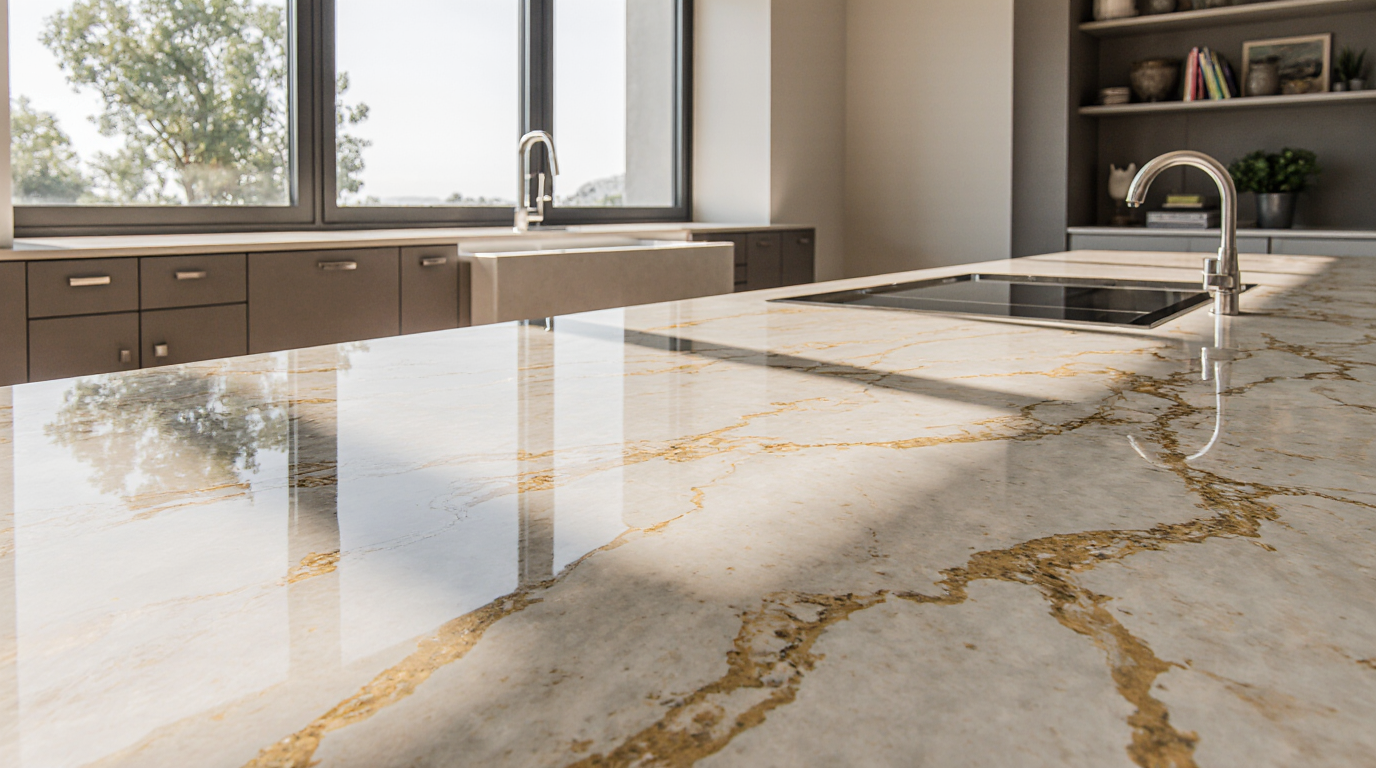
Choice of quartzite species is a major determinant in pricing considerations Exotic stones such as Taj Mahal and White Macaubas demand premium prices for their scarcity and distinctive veining On average, quartzite slabs can range from $70 to $200 per square foot, including fabrication and installation Imported quartzite often commands top-tier pricing because of transportation, handling, and extra quality verification Locally sourced quartzite may be cheaper yet still surpass granite in price, emphasizing its durability and scratch-resistant properties.
Thickness is another crucial element that influences the overall investment in quartzite countertops Standard slabs are typically 2 centimeters thick, but many homeowners opt for 3-centimeter slabs for a more substantial and luxurious look While a thicker slab provides a stronger and more durable surface, it also increases costs significantly Installation of thicker slabs demands advanced cutting tools and skilled labor, escalating costs Homeowners should balance aesthetic preferences with practical considerations, ensuring the choice aligns with their kitchen’s functionality and budget.
Quartzite pricing is influenced by the type of finish applied A polished finish creates a shiny, veined aesthetic yet demands meticulous work to avoid imperfections Honed finishes, which produce a smooth, matte surface, are slightly less expensive but still provide exceptional elegance Complex edge details, including ogee or bullnose, elevate labor intensity and overall price The combination of stone quality and finishing intricacy determines the final expense and elegance of quartzite countertops.
Installation is a significant component of the overall quartzite countertop cost Cost varies depending on kitchen layout complexity, countertop dimensions, and installer rates Complex kitchen geometries demand additional labor, precision cuts, and custom solutions, all elevating installation expense A well-executed installation safeguards the countertop’s structural integrity and appearance over time Many homeowners consider the higher initial investment worthwhile, as professionally installed quartzite countertops can last for decades with minimal maintenance.
Long-term upkeep and durability factor into overall cost evaluation Sealing ensures long-term protection for quartzite, preserving its natural resistance to damage Periodic maintenance, including sealing, maintains appearance and extends lifespan While sealing is an added expense, it ensures that the investment in quartzite countertops delivers long-term value The long-term resilience of quartzite compensates for initial expenses, offering cost efficiency over time.
Geography and supplier selection play a crucial role in pricing Local stone distributors and fabricators may offer competitive pricing, reducing shipping and handling expenses Visiting a showroom allows homeowners to see slabs in person, select unique veining patterns, and receive personalized advice Online retailers can sometimes provide cost savings, but buyers must factor in shipping fees, delivery times, and potential for damage during transit Reliable suppliers safeguard both quality and installation outcomes, crucial for premium quartzite purchases.
Custom requests influence both labor and material expenses Complex customizations, including seamless sinks or patterned cutouts, increase labor intensity and overall expense However, these customizations can enhance the kitchen’s overall design and increase property value From classic to contemporary, quartzite supports virtually limitless design options for bespoke kitchen solutions.
When measured against alternatives, quartzite’s benefits become evident While granite is often less expensive, it may not offer the same range of colors or resistance to etching Marble is beautiful but more prone to staining and scratching Quartzite offers a premium balance of durability, aesthetics, and low maintenance, justifying its higher price point for discerning homeowners Homeowners seeking durability, beauty, and ROI often find quartzite the most prudent choice.
Budgeting for a quartzite countertop requires careful planning Typical kitchen installations range from $3K–$10K based on stone type, dimensions, labor, and finish Larger or more intricate kitchens may exceed this range, but the results are unmatched in terms of elegance, durability, and resale appeal Smart planning allows cost savings by selecting standard slabs, reducing edge complexity, or sourcing locally while retaining elegance.
In summary, the cost of quartzite countertops reflects a combination of stone quality, thickness, finish, installation, customization, and supplier factors Despite elevated initial costs, quartzite rewards homeowners with enduring beauty, low upkeep, and superior durability Homeowners who carefully select slabs, work with experienced installers, and maintain the surface properly will enjoy stunning, functional countertops that elevate the overall aesthetic of their homes for decades Investing in quartzite ensures a blend of luxury and practicality, offering both immediate visual impact and enduring value.
This article provides an in-depth understanding of pricing considerations, helping homeowners make informed decisions about one of the most sophisticated and resilient countertop options available.