Cost of Marble Countertops: Factors, Quality, and Investment Insights
In the realm of home renovations, choosing marble countertops signifies both opulence and classic aesthetic charm. The price of marble countertops can vary significantly, influenced by factors such as material quality, slab origin, thickness, and complexity of installation. Marble’s distinctive veining and natural elegance create a one-of-a-kind surface, positioning it above conventional countertop materials for those seeking style and longevity. Investing in a marble countertop is not just about the surface itself; it reflects a commitment to quality, prestige, and long-term value in interior design.
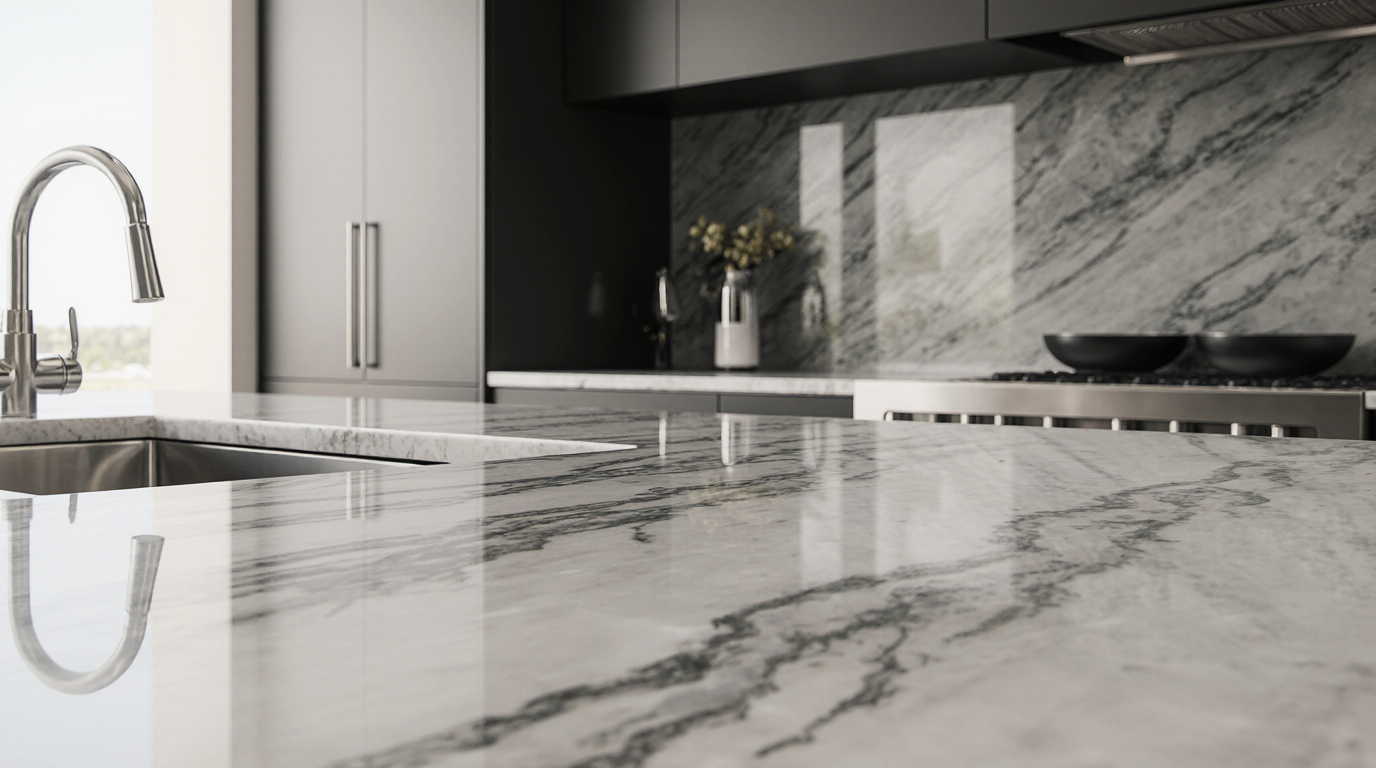
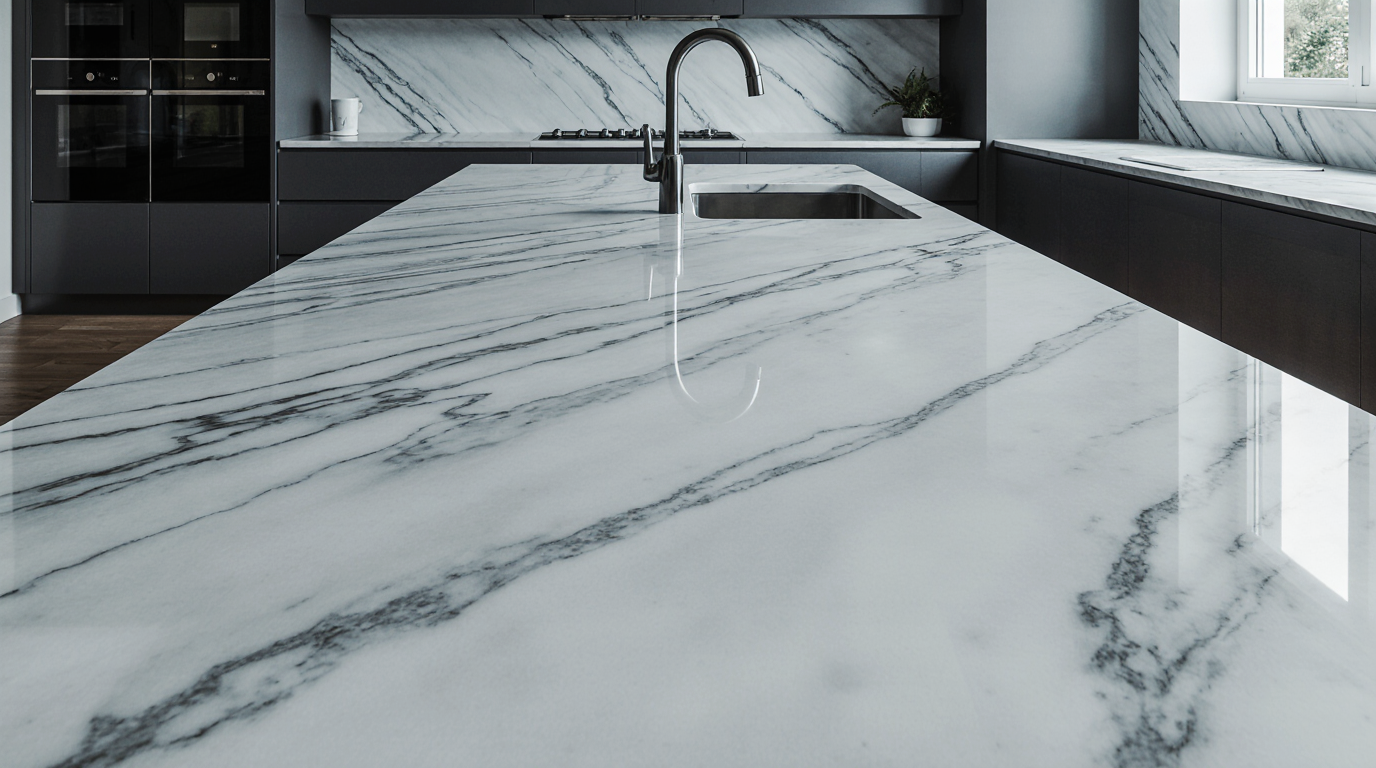
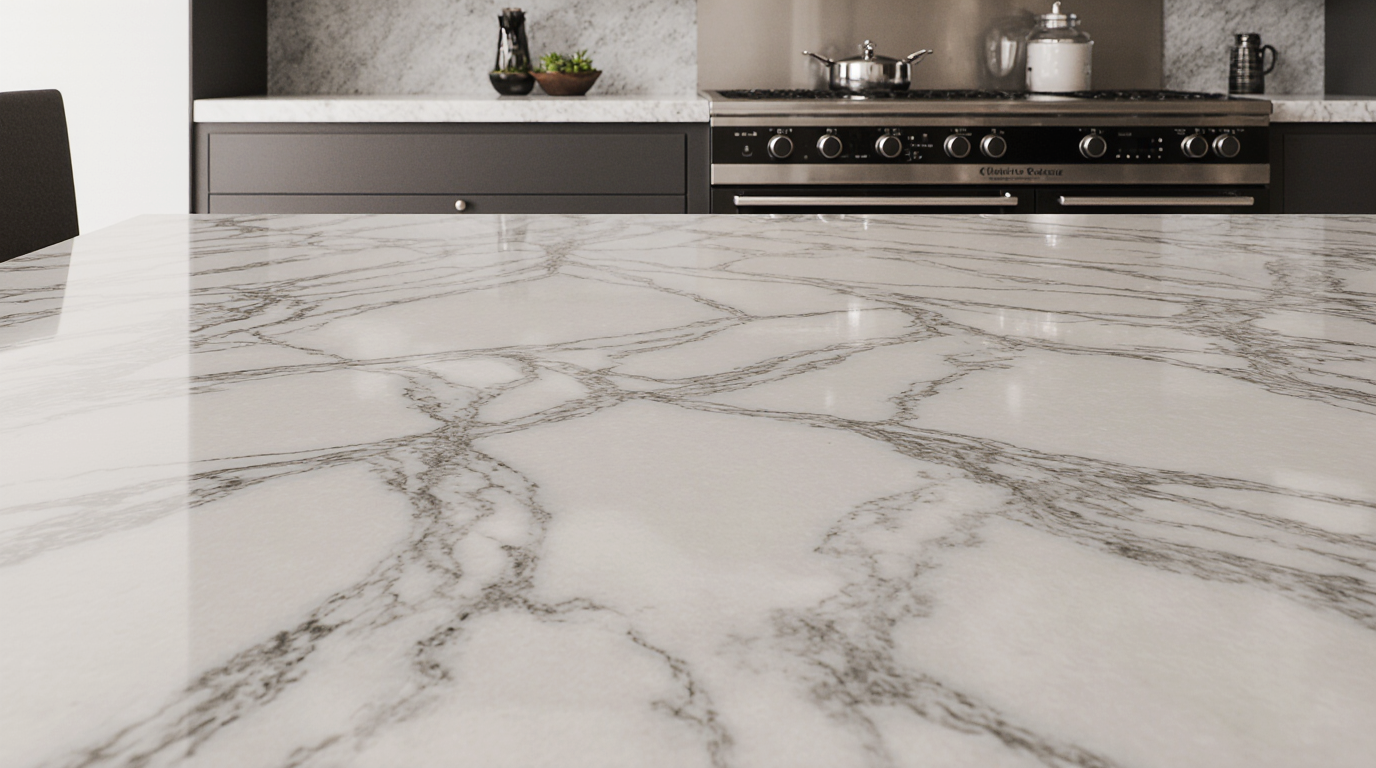
Top-tier marble originates from famous quarries worldwide, showcasing unparalleled natural variations and exquisite visual appeal. For instance, Carrara marble from Italy is celebrated for its soft, elegant grey veining against a white backdrop, while Calacatta marble features bolder, dramatic patterns that instantly elevate any interior space. Marble provenance significantly influences pricing, as select stones are more expensive due to their exotic origins, extraction difficulty, and limited supply. Knowing the source of marble helps homeowners strategically weigh beauty against financial considerations.
Thickness and finishing techniques also significantly impact the cost of marble countertops. Common marble slabs measure 2–3 cm, yet thicker cuts increase costs as they require more raw material. The type of finish—polished, honed, or leathered—adds another layer of cost, showcasing technique and sophistication. Polished marble enhances shine and veining, while honed provides a subtle, matte sophistication. The leathered approach balances tactile richness with a modern aesthetic, retaining marble’s elegance.
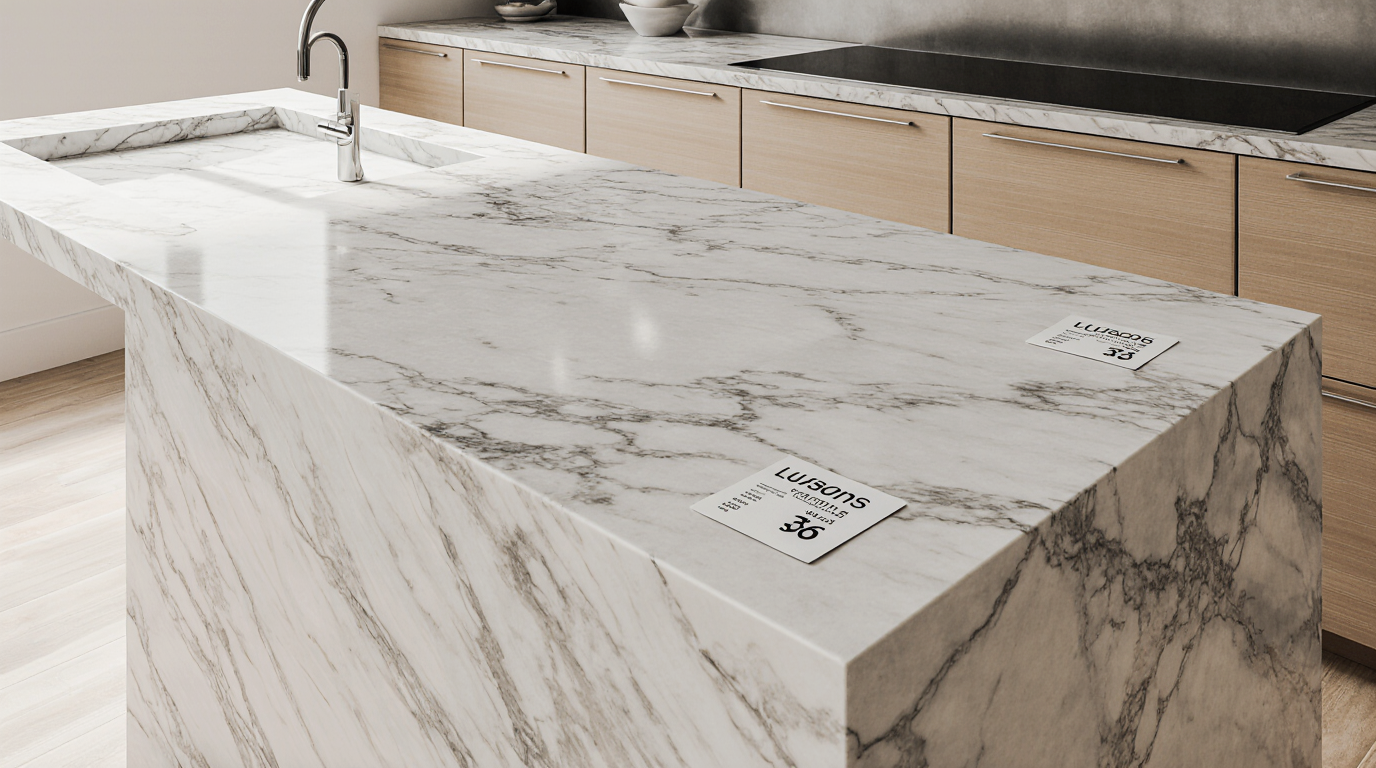
Professional marble installation significantly affects overall countertop cost. Unlike laminate or engineered stone surfaces, marble requires precise cutting, handling, and professional expertise to ensure a perfect fit. Elaborate customization options, including detailed edging, built-in sinks, or waterfall effects, elevate both cost and luxury appeal. Expert installers assess marble’s weight, structural support, and fragility to prevent damage, emphasizing labor importance.
Ongoing upkeep affects the overall valuation of marble surfaces. While marble is a durable and long-lasting material, it is porous and susceptible to staining from acidic substances like wine, citrus, or vinegar. To preserve its pristine appearance, sealing is recommended regularly, typically every six to twelve months, depending on use. The added expense of sealants and care should be factored into the long-term budget. Even accounting for upkeep, marble’s beauty and utility justify its premium, particularly for discerning homeowners.
Comparing marble with alternative materials highlights its unique value proposition. Synthetic or engineered surfaces may be practical, but they lack the authenticity and artistry inherent in marble. Each marble slab is one-of-a-kind, offering unparalleled patterns and textures that transform a room into a statement of refined taste. Marble pricing encapsulates scarcity, artisanal effort, and aesthetic influence, rather than being just a number.
Tailoring marble countertops adds both expense and distinctive elegance. Selecting from beveled, bullnose, ogee, or chiseled edges shapes the countertop’s visual story. Adding multi-tier surfaces, inlays, and seamless backsplashes transforms a space into a tailored luxury setting. Professional design guidance ensures every aspect—from edges to integrated elements—supports both style and practicality. These tailored elements often justify higher investment, as they enhance both usability and aesthetic value.
Geographic location and availability of materials also affect pricing trends for marble countertops. Proximity to marble sources reduces transportation expenses, whereas distant locations incur additional import costs. Trends, seasonal demand, and design popularity directly affect the per-square-foot cost of marble. By analyzing market conditions, buyers can secure premium marble affordably while maintaining design integrity.
Selecting marble requires harmonizing appearance, practicality, and financial considerations. Soft, pale marble enhances light and space in smaller areas, while deep-toned slabs project opulence and elegance. The addition of marble surfaces transforms interiors while providing enduring investment value. The luxury perception of marble extends to financial recognition, marking it as both a design and investment decision.
Assessing marble costs involves examining stone grade, origin, slab size, surface finishing, installation precision, upkeep, bespoke elements, and market conditions. Although initially costly, marble’s enduring beauty, distinctiveness, and refinement offer long-term benefits. Investing in marble provides exceptional style and longevity, reshaping interiors with lasting appeal. Homeowners seeking sophistication, individuality, and enduring style find marble an unmatched choice that truly enhances the heart of the home.
Marble’s lasting allure is achieved through superior material, skilled craftsmanship, and diligent upkeep, marking it as a wise investment. Every marble piece narrates a tale of geological artistry and design finesse, transforming mundane interiors into bespoke showcases of elegance.