Pricing Marble Countertops: Evaluating Costs, Elegance, and Long-Term Value
For homeowners planning kitchen or bathroom upgrades, marble countertops represent a statement of refined sophistication and enduring beauty. Marble countertop pricing fluctuates due to variables like stone grade, provenance, slab dimensions, and the intricacy of fitting and finishing. The individuality of marble veining and inherent visual appeal ensures it remains a top selection for homeowners seeking both beauty and lasting performance. Selecting marble demonstrates an investment in craftsmanship, timeless style, and enduring property value.
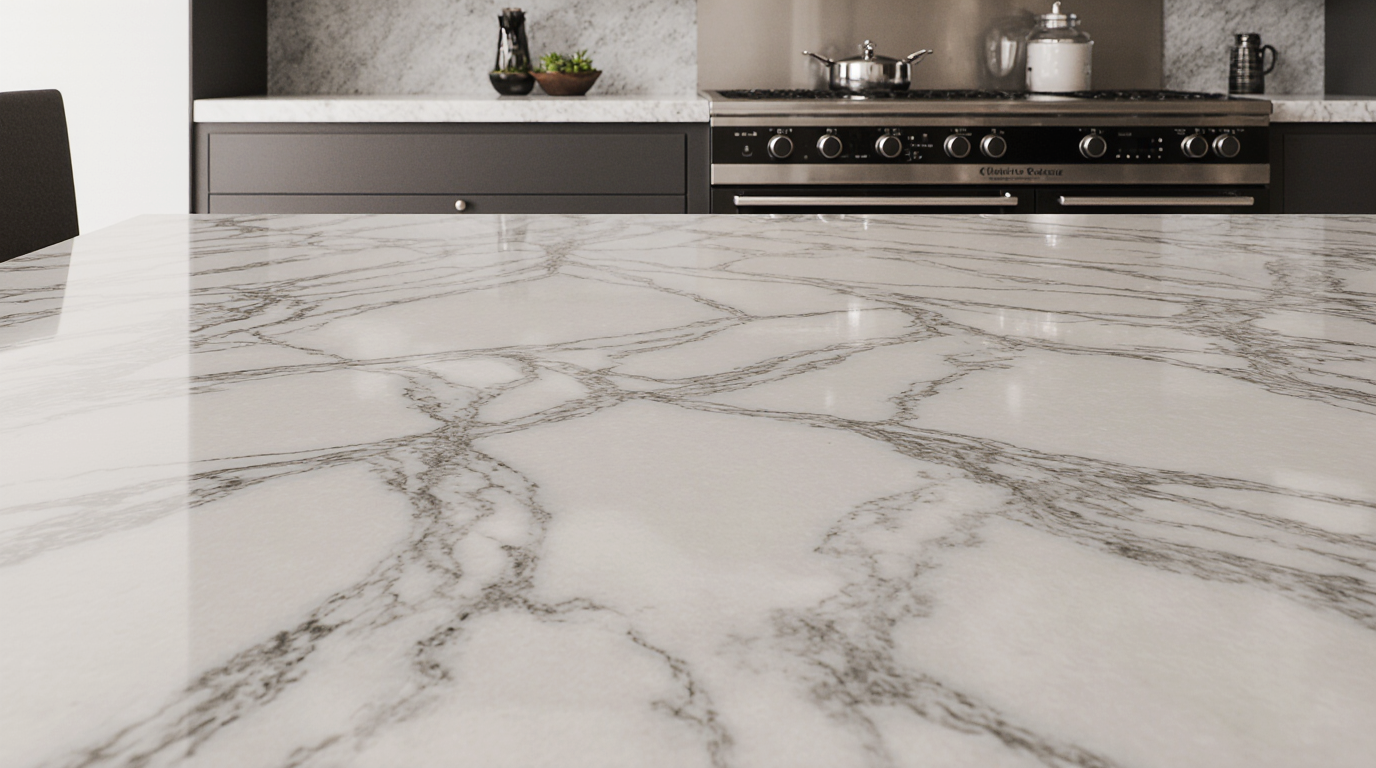
Top-tier marble originates from famous quarries worldwide, showcasing unparalleled natural variations and exquisite visual appeal. For instance, Carrara marble from Italy is celebrated for its soft, elegant grey veining against a white backdrop, while Calacatta marble features bolder, dramatic patterns that instantly elevate any interior space. The origin of the marble plays a crucial role in determining the overall price, as some rare stones are imported at higher costs due to transportation, extraction complexity, and limited availability. Knowing the source of marble helps homeowners strategically weigh beauty against financial considerations.
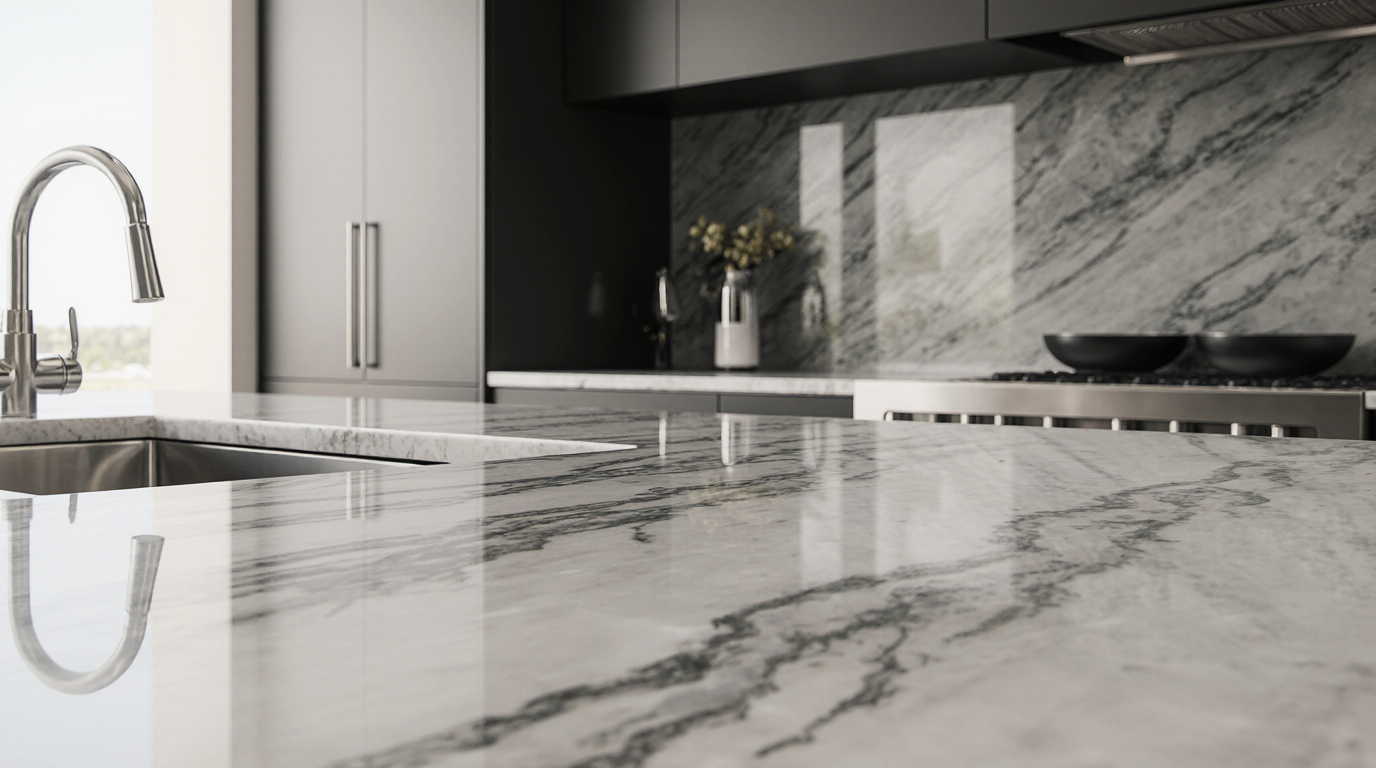
Marble slab thickness and finish selection profoundly affect overall countertop pricing. Common marble slabs measure 2–3 cm, yet thicker cuts increase costs as they require more raw material. The type of finish—polished, honed, or leathered—adds another layer of cost, showcasing technique and sophistication. Polished marble enhances shine and veining, while honed provides a subtle, matte sophistication. Leathered marble, offering tactile depth and understated glamour, has become a contemporary favorite.
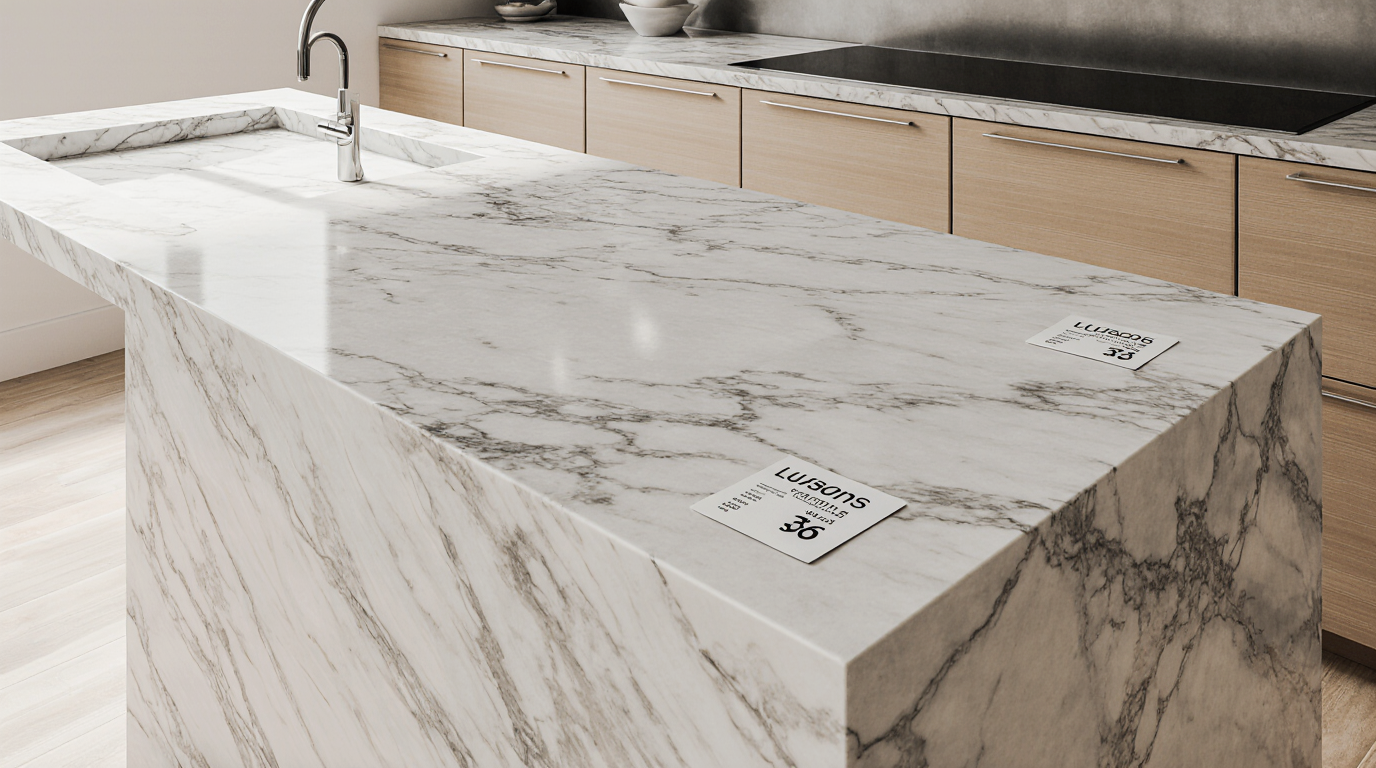
Professional marble installation significantly affects overall countertop cost. Installing marble necessitates exact measurements, expert labor, and careful handling, differentiating it from synthetic surfaces. Customization, such as creating intricate edges, integrated sinks, or waterfall designs, can elevate installation costs but adds exceptional value to the space. Professional installers consider the stone’s weight, the need for proper support, and the delicate handling required to avoid cracks or damage, making skilled labor a critical component of the overall investment.
Long-term care is a key factor in evaluating marble countertop costs. While marble is a durable and long-lasting material, it is porous and susceptible to staining from acidic substances like wine, citrus, or vinegar. To preserve its pristine appearance, sealing is recommended regularly, typically every six to twelve months, depending on use. Ongoing maintenance, including sealant application, must be considered in financial planning. Despite these considerations, the aesthetic and functional benefits of marble often outweigh the ongoing maintenance, especially for homeowners seeking a sophisticated and enduring addition to their property.
Comparing marble with alternative materials highlights its unique value proposition. Alternatives like granite or quartz provide consistency, yet they fail to match marble’s distinctive patterns and refined charm. The individuality of marble surfaces transforms interiors into luxurious, personalized environments. Marble pricing encapsulates scarcity, artisanal effort, and aesthetic influence, rather than being just a number.
Customization options further influence the cost and enhance the appeal of marble countertops. Edge detailing, from beveled to ogee, influences both price and design sophistication. Incorporating features like integrated backsplashes, inlays, or multi-level surfaces can elevate the kitchen or bathroom to a truly bespoke environment. Working with experienced designers ensures that every detail aligns with the intended style, functionality, and flow of the space. Custom touches elevate both design sophistication and functional performance, validating added expense.
Regional availability and logistical factors significantly shape marble pricing. Regions closer to quarries may have lower shipping costs and wider selection, while remote areas might face higher prices due to logistics and import fees. Additionally, market demand fluctuates based on trends, home renovation seasons, and architectural popularity, influencing the cost per square foot. Knowledge of market trends enables homeowners to make informed purchases, balancing cost, quality, and aesthetic goals.
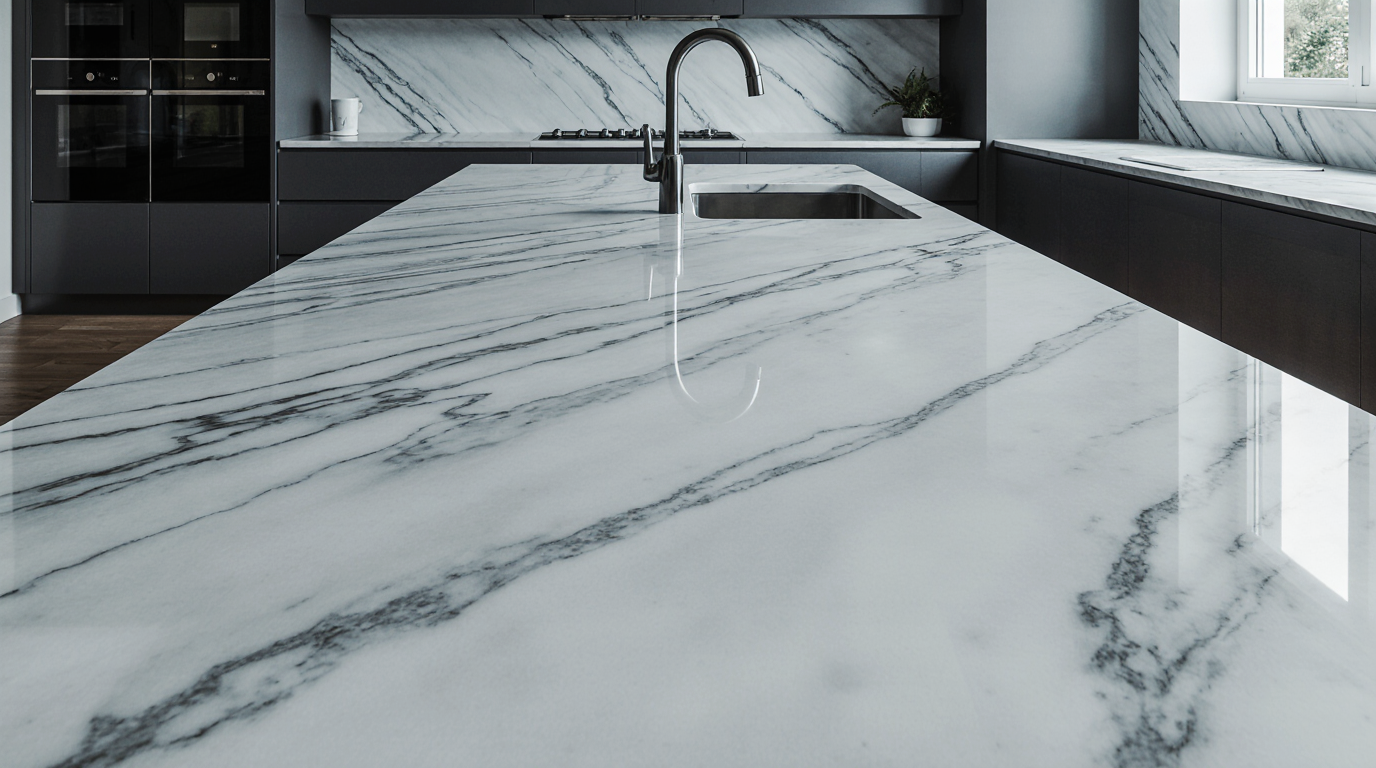
Choosing the right marble is a strategic decision that balances style, functionality, and budget. Lighter marble tones create a sense of spaciousness and brightness, ideal for compact kitchens or bathrooms, whereas darker marbles evoke sophistication and drama, complementing high-end interior designs. Integrating marble countertops into a space is a transformative investment, as it elevates the overall ambiance while maintaining resale value. Prospective buyers often recognize the inherent quality and luxurious appeal, making marble not only a design choice but also a long-term financial asset.
Determining marble pricing necessitates attention to quality, provenance, dimension, finish, installation, maintenance, personalization, and supply-demand dynamics. Marble’s premium cost is balanced by its unique charm, timeless sophistication, and transformative impact. Investing in marble provides exceptional style and longevity, reshaping interiors with lasting appeal. Marble fulfills aspirations for refined taste, distinct character, and sustainable luxury.
The combination of premium material, professional installation, and ongoing care underscores the long-term value of marble countertops, making them a symbol of both luxury and smart investment. Each slab tells a story of natural beauty, artistic craftsmanship, and meticulous design, turning ordinary kitchens and bathrooms into extraordinary spaces that reflect personality, taste, and refined living.