Cost of Kitchen Countertop Replacement: Evaluating Quality and Investment
During a kitchen remodel, homeowners frequently confront the crucial question of countertop replacement costs, as countertops serve not only as functional surfaces for cooking and meal preparation but also as defining elements of the overall kitchen style and ambiance. The decision to purchase premium materials reflects not just durability considerations but also long-term aesthetic investment, highlighting the importance of understanding pricing variables. Homeowners often wonder why replacement costs vary widely, and this variation stems from material selection, labor requirements, design complexity, and installation challenges.
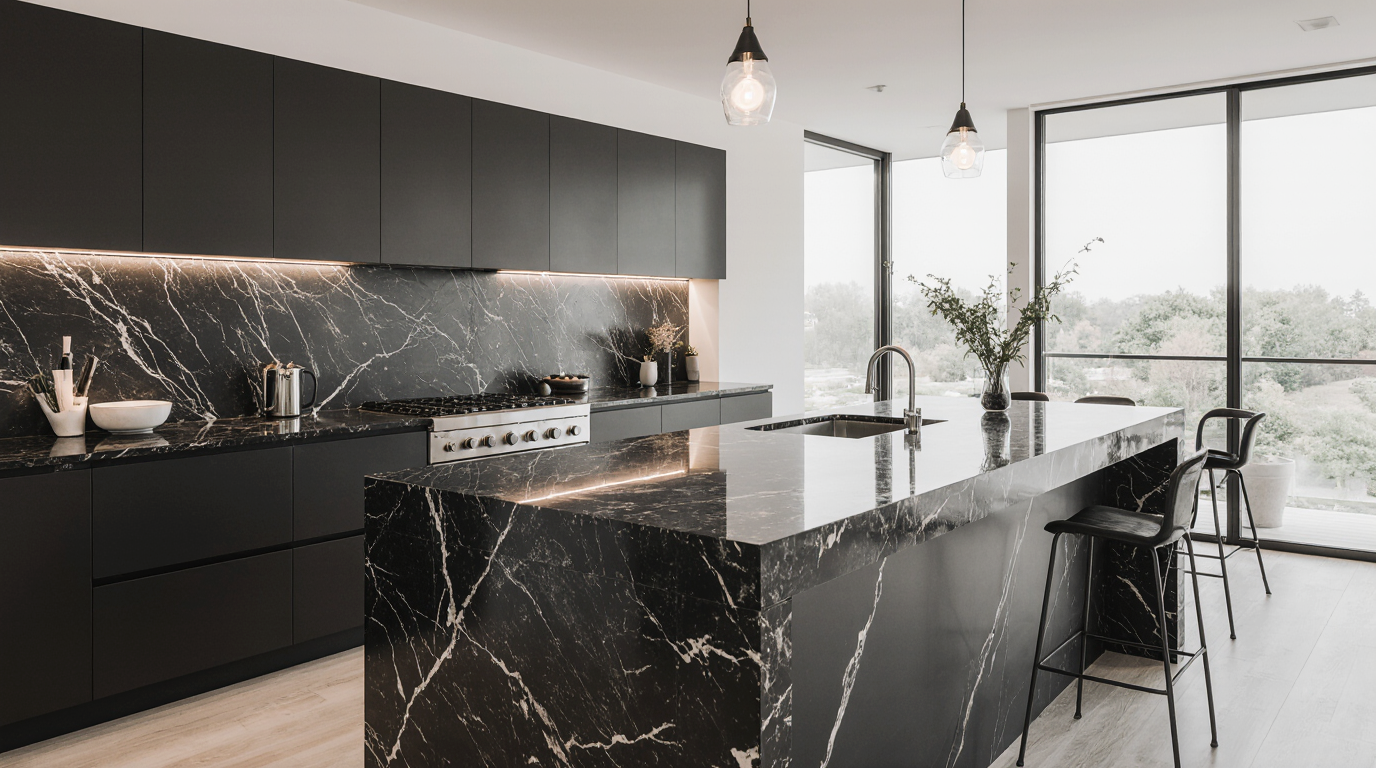
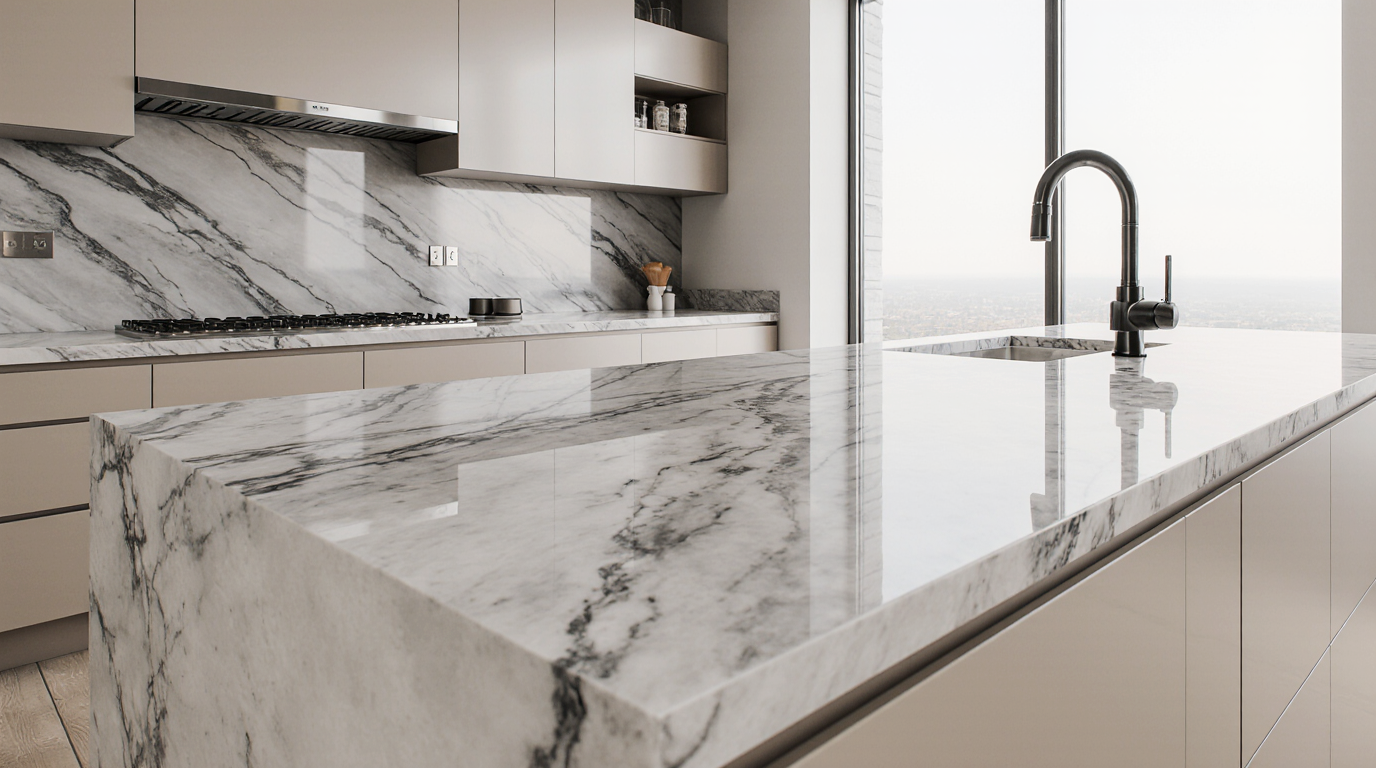
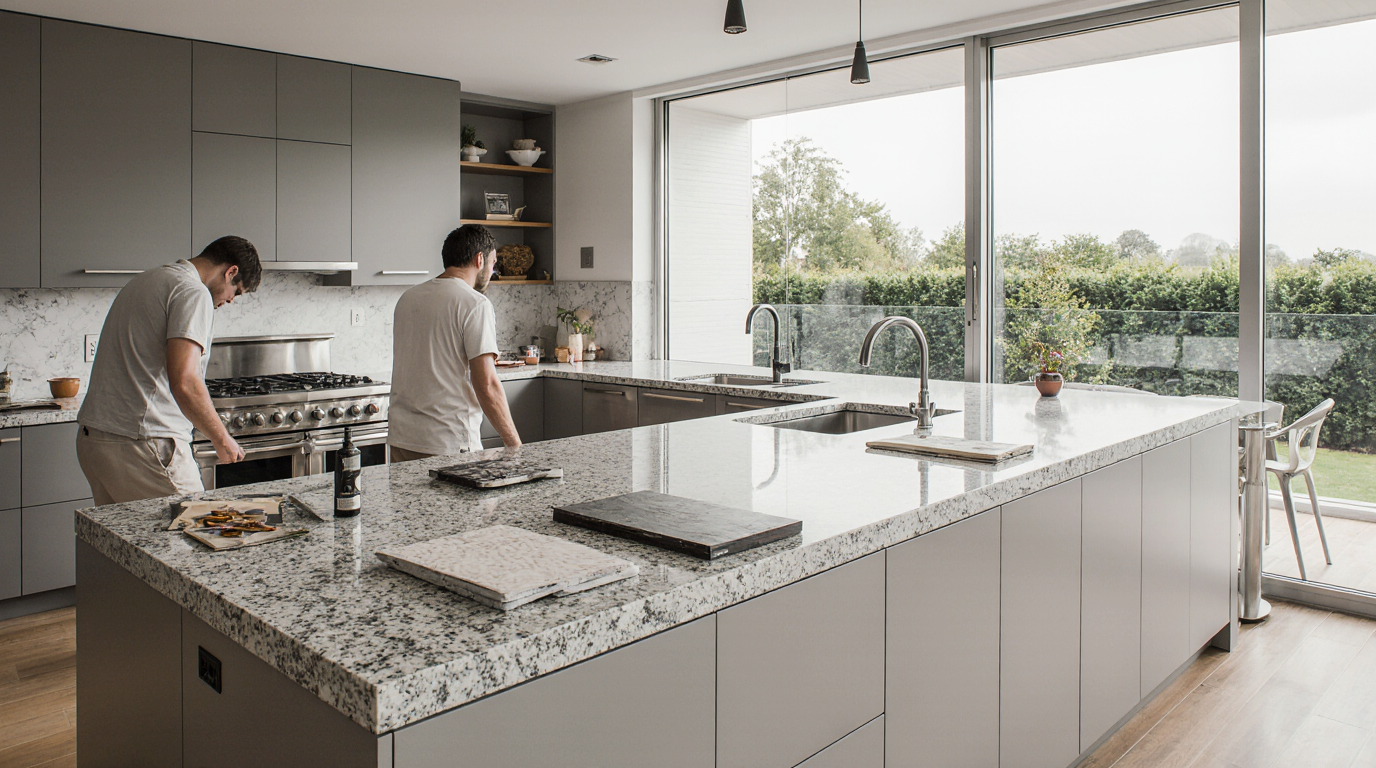
Material choice constitutes the primary driver of countertop pricing, as granite is renowned for its timeless beauty, resilience, and thermal stability, making it a go-to for homeowners. Depending on hue, rarity, and cut, granite can range from accessible to ultra-luxurious pricing tiers. Quartz, prized for its non-porous surfaces, low maintenance, and consistent aesthetics, is slightly higher in cost but guarantees long-term reliability. Marble, while luxurious and visually striking, demands regular upkeep, which can escalate lifetime expenses. Meanwhile, solid surfaces such as Corian or other engineered stones deliver sleek, seamless finishes but vary in price according to brand, quality, and customization options.
The execution of installation is a critical factor, often determining a considerable portion of overall countertop costs. Countertop installation requires meticulous attention to measurements and alignment, underscoring the value of skilled labor. Incorrectly installed countertops can result in cracks, leaks, misalignment, and diminished aesthetics. Professional craftsmen ensure precise edge finishing, seamless joins, and perfectly leveled surfaces, crucial for dense stone installations. The intricacy of layout, additional features, and integrated elements directly influence the labor portion of the budget.
Existing structural conditions can complicate countertop replacement, altering labor and material needs. Taking out old countertops often uncovers hidden complications such as cabinet adjustments or plumbing modifications. Homes with aging kitchens might require extra reinforcement or layout modifications to accommodate modern countertop dimensions, raising the overall investment. Considering the longevity of materials is vital; while budget-friendly laminates offer low upfront costs, they wear faster, leading to earlier replacement and higher long-term spending.
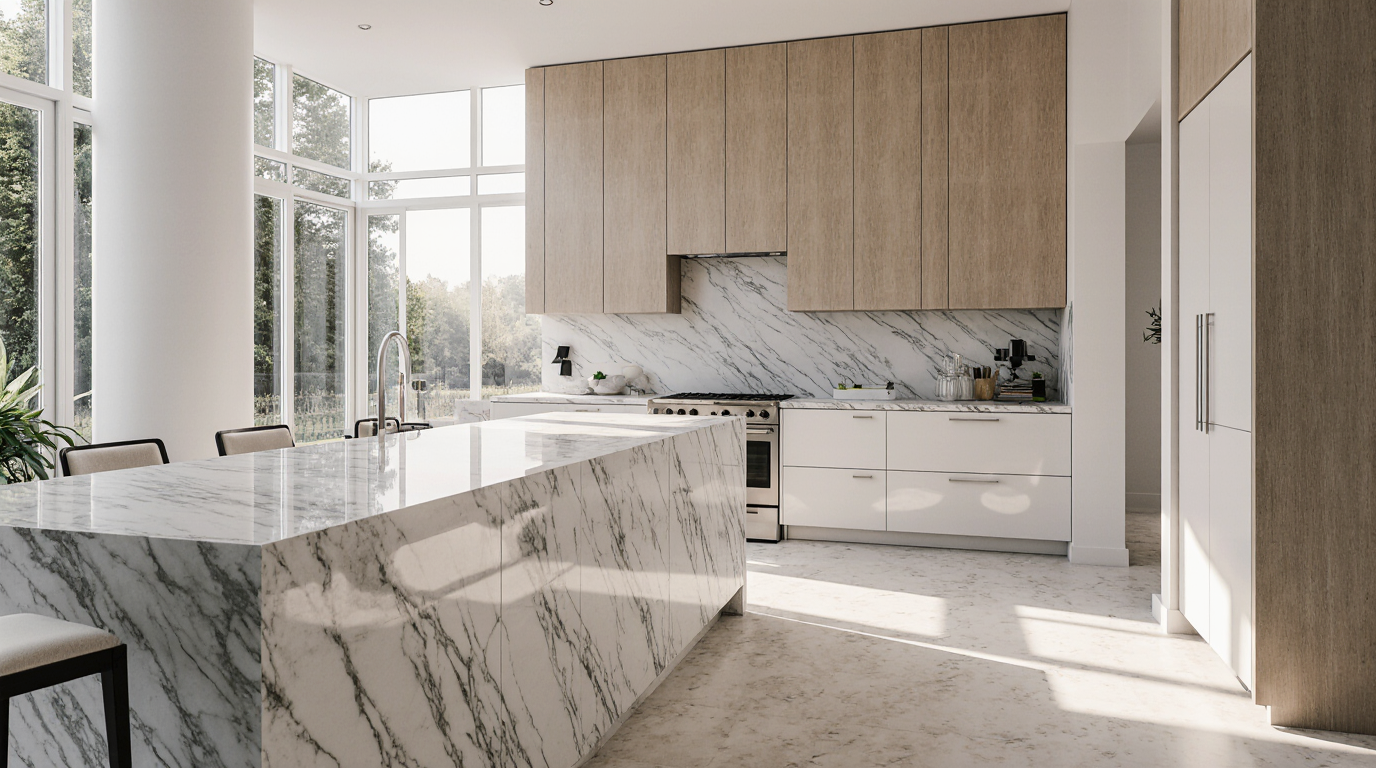
Homeowners increasingly pursue unique design elements, with intricate customization influencing costs. Complex features such as waterfall countertops or embedded designs necessitate precise cutting and skilled craftsmanship, naturally raising labor fees. Executing waterfall designs involves meticulous alignment of slabs, careful fabrication, and increased attention to prevent chipping. Specialized craftsmanship for artistic stone designs requires added time and expertise, naturally inflating overall expenses. Homeowners must carefully weigh aesthetic aspirations against budget realities to optimize both function and beauty.
Maintenance and durability subtly influence total countertop investment. Materials like granite and quartz provide exceptional longevity, resisting common wear and tear while requiring minimal upkeep. Marble surfaces, though luxurious, necessitate regular care to maintain appearance, adding subtle long-term costs. Understanding these long-term implications allows homeowners to make informed decisions, reducing future repair or replacement expenses. Homeowners should align countertop choice with usage patterns to guarantee functional efficiency and aesthetic satisfaction.
Regional factors and supply-demand dynamics affect pricing significantly. Urban centers often face elevated costs for labor and transport, while suburban or rural areas may offer more competitive rates but longer material lead times. Strategically timing purchases and installations can help achieve cost savings without sacrificing material or workmanship standards. Professional kitchen designers can further improve cost efficiency through optimal layout and material selection guidance.
Professional installation by qualified contractors ensures quality and peace of mind. Experienced contractors provide accurate estimates, guide homeowners through material selection, and guarantee proper installation standards. Workmanship guarantees from trusted contractors enhance security and long-term satisfaction. DIY attempts on heavy or complex surfaces are risky, often resulting in costly mistakes.
Assessing all elements, including material quality, installation, customization, upkeep, and regional pricing, ensures realistic budgeting for countertop replacement. Investing in quality materials and professional installation ensures both sophisticated appearance and long-term functionality. Selecting surfaces that harmonize beauty, durability, and cost efficiency maximizes satisfaction. Informed decision-making ensures that new countertops contribute meaningfully to kitchen aesthetics and functionality.
By understanding all cost drivers and implications, homeowners can achieve a kitchen remodel that combines elegance, longevity, and practical value.