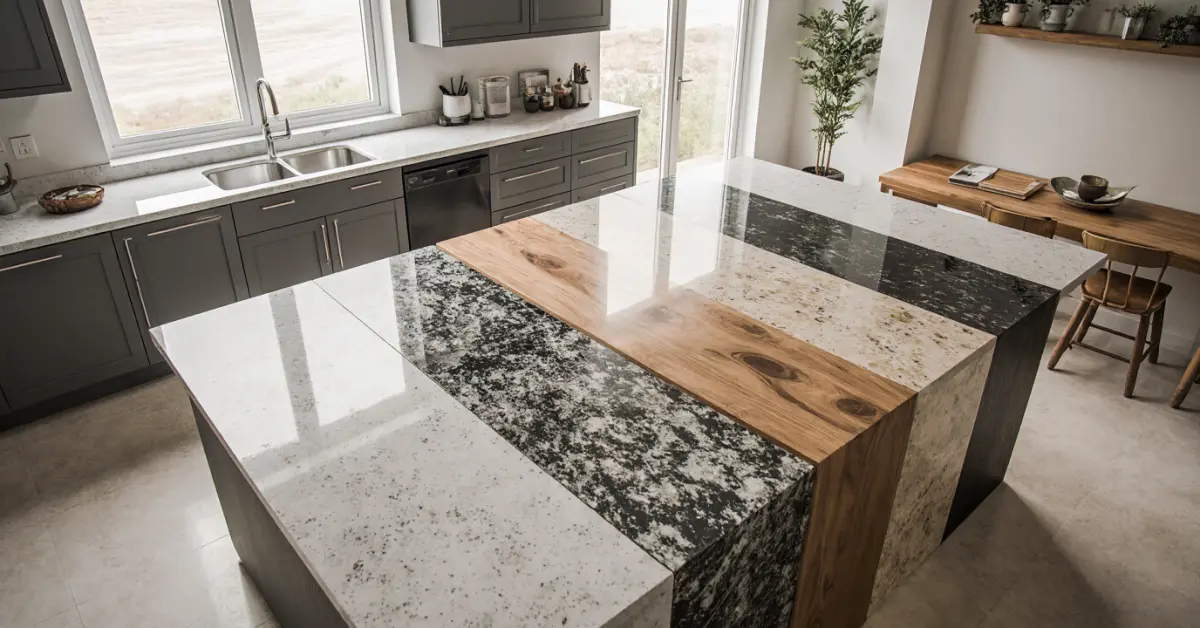
In Sarasota County, a standard building permit for a kitchen remodel can take anywhere from 10 to 30 business days for review, assuming no complications. For a seasonal resident trying to complete a project between April and October, that timeline isn't just a bureaucratic detail—it's a critical window. If you choose a countertop material that requires specialized fabrication or is prone to shipping delays, you risk pushing your entire project into the peak humidity of summer, a time when certain adhesives and sealants perform less predictably. The choice of countertop material here is not just about looks; it's a logistical decision that directly impacts your project's timeline and resilience.
Executive Summary: Navigating Countertop Selection in a Coastal Climate
From my years fabricating and installing countertops in Sarasota, I've seen that the most successful projects
From my years fabricating and installing countertops in Sarasota, I've seen that the most successful projects prioritize performance in our specific environment over fleeting trends. A countertop on Longboat Key faces a different set of challenges—salt air, intense UV exposure through large windows—than one in an inland Lakewood Ranch home. The key is to match the material's inherent properties to the home's location and the owner's lifestyle, not just the color palette of the kitchen.
- UV Resistance is Non-Negotiable: Direct sunlight, especially in homes with large glass sliders, can fade resins in engineered quartz and alter the color of certain natural stones over time.
- Porosity Dictates Maintenance: In our humid climate, porous materials like many marbles and some lighter granites can be susceptible to moisture-related issues and staining if not impeccably sealed and maintained.
- HOA Covenants Can Influence Exterior Choices: For outdoor kitchens, a popular feature in communities like The Founders Club, Homeowners Association design guidelines often have specific requirements for approved materials.
- Fabricator Skill Matters More Than Material: A perfectly good slab of quartzite can be ruined by a fabricator who doesn't use the right diamond blades or sealing techniques, leading to chipping and staining down the road.
The Most Common Planning Failures I See in Sarasota
The biggest missteps in countertop selection here are almost always rooted in underestimating our environment. Clients fall in love with a material they saw in a magazine or a home up north, without considering how the Florida climate will interact with it. This leads to predictable, and expensive, problems.
Forgetting That "Indoor" Doesn't Mean "Climate-Proof"
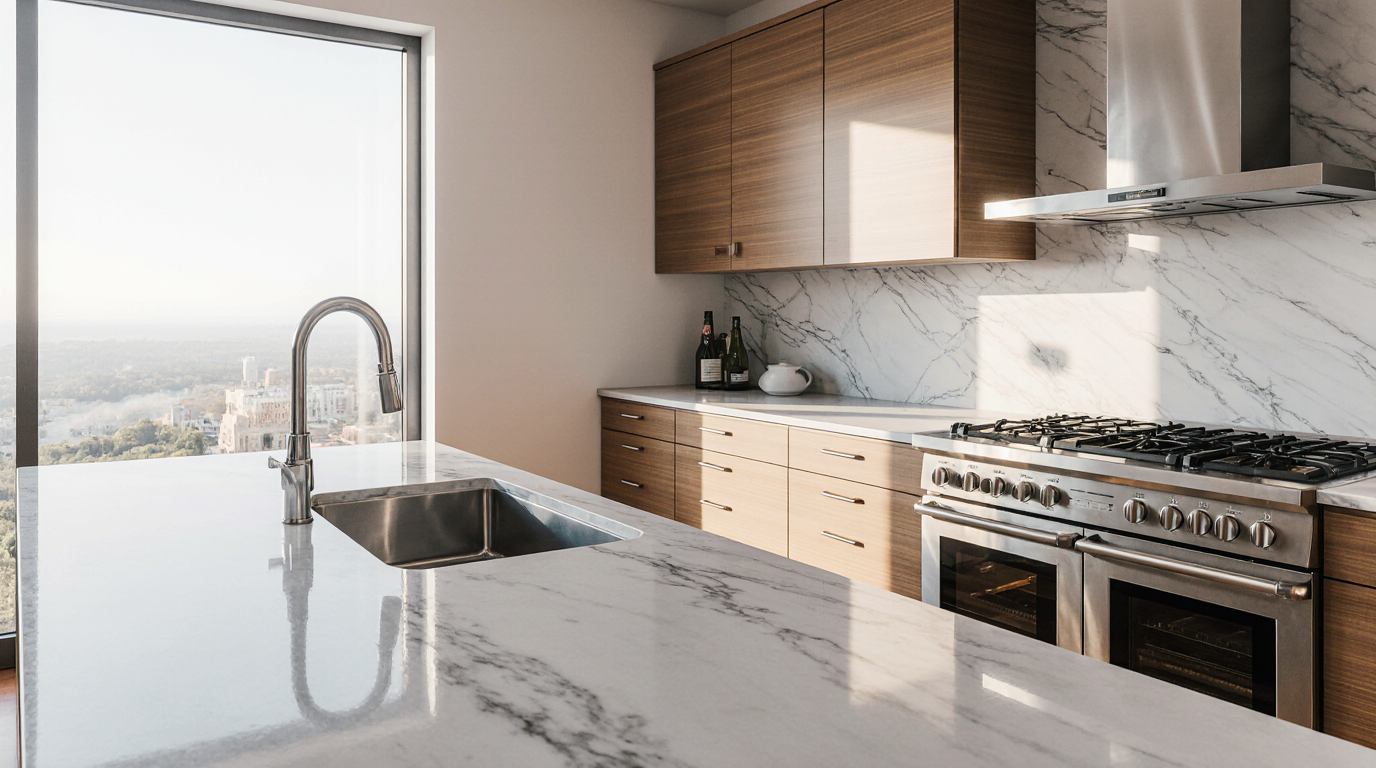
I once worked on a project in a beautiful bayfront home in the Harbor Acres neighborhood. The client insisted on a stunning, subtly veined Carrara marble for a massive kitchen island that was bathed in direct sunlight for five hours a day. Despite warnings about UV exposure and porosity, the aesthetic was paramount. Within three years, the area most exposed to the sun had a distinct yellowish tinge compared to the shaded areas, a result of the natural iron deposits in the stone oxidizing. The cost to hone and refinish the surface was significant, and the yellowing was a permanent characteristic, not a stain that could be removed. This is a classic example of prioritizing an aesthetic that is fundamentally at odds with the home's physical environment.
The Countertop Process in Practice for a Sarasota Remodel
From selection to installation, the process involves more than just picking a slab. It's a coordinated effort between you, your contractor, the supplier, and the fabricator, with local logistics playing a key role. A typical project involves slab selection, field measurement and templating, fabrication, and finally, installation.
Key Selection Criteria for Sarasota Homeowners
When you're evaluating different types of kitchen countertops, your checklist should be tailored to our local conditions. A generic online guide won't suffice.
- Location Within the Home: Is the countertop near a south-facing window or slider? If so, prioritize materials with high UV resistance, like granite, quartzite, or newer outdoor-rated quartz formulations.
- Proximity to Saltwater: For homes on the barrier islands (Siesta Key, Lido Key), consider how salt air might affect sealants over time. A high-quality, long-lasting sealant applied by the fabricator is critical.
- Lifestyle and Use: Are you a meticulous cook or do you have a busy family? A non-porous, stain-resistant surface like high-quality quartz will be more forgiving of red wine or lemon juice spills than a soft marble.
- Outdoor Kitchen Viability: If you plan an outdoor kitchen, you must use materials rated for exterior use. Most standard quartz products will yellow and their warranties are voided if installed outside. Sintered stone (like Dekton) or granite are superior choices.
Comparing Top Countertop Materials for Coastal Florida
Choosing between different countertop materials involves trade-offs in aesthetics, durability, and cost. Below is a comparison of the most popular choices I install in the Sarasota area, framed by the challenges of our climate.
When a Popular Choice Isn't the Right Choice
A client with a vacation condo on Siesta Key wanted the bright white, minimalist look and was set on a particular brand of engineered quartz. However, the condo would be empty for months during the summer with the air conditioning set to a higher temperature to save energy. I advised against it because extreme and prolonged temperature fluctuations can, in rare cases, put stress on the resin binders in some quartz products, especially around cooktop cutouts. We opted for a durable, light-colored granite instead. It provided a similar aesthetic but with superior thermal stability, a more prudent choice for a property that isn't climate-controlled year-round.
| Material | UV & Heat Resistance | Stain & Salt Air Resistance | Typical Installed Cost per Sq. Ft. |
|---|---|---|---|
| Granite | Excellent. Not affected by UV light. High heat tolerance. | Good to Excellent. Requires periodic sealing to prevent staining. Sealant protects against moisture. | $65 - $150+ |
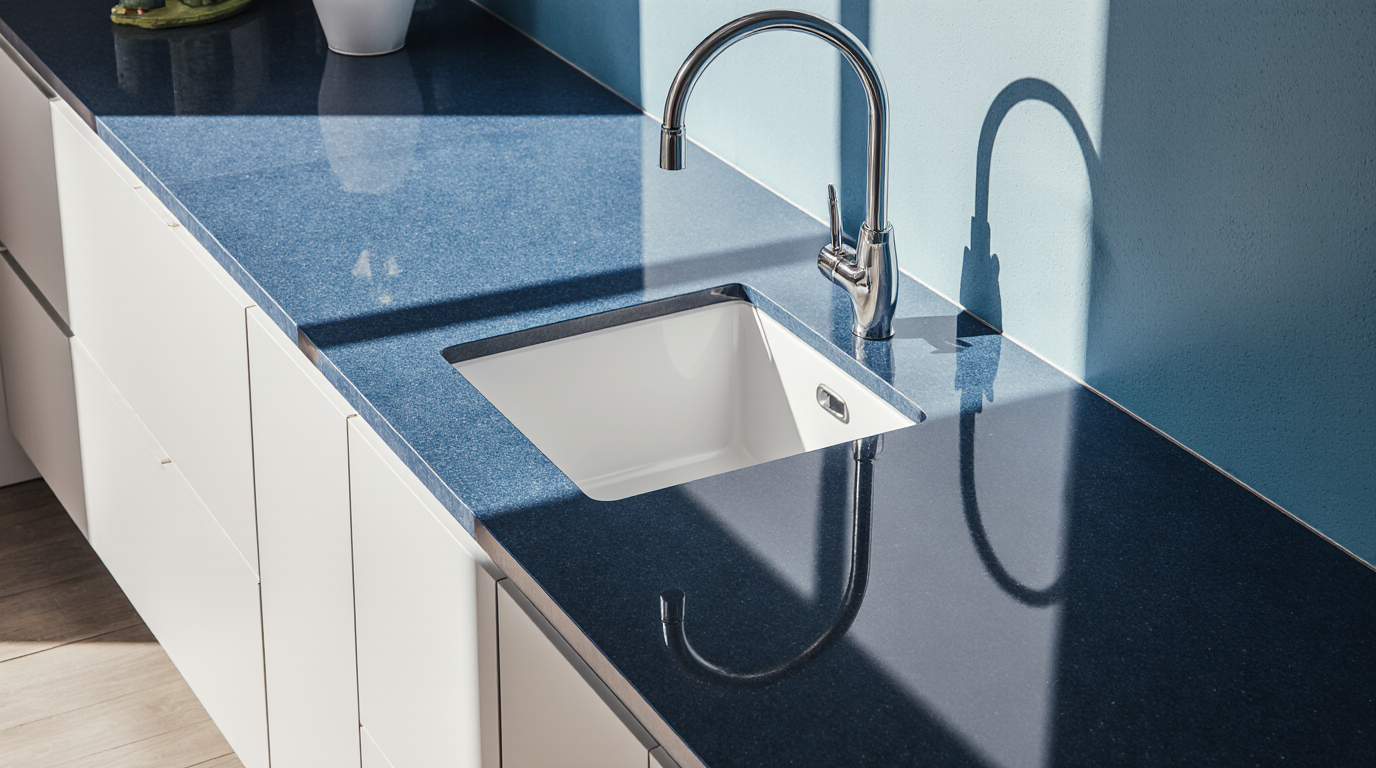
| Engineered Quartz | Good to Poor. Resins in most standard quartz can yellow with prolonged, direct UV exposure. Varies by brand. | Excellent. Non-porous surface resists staining and bacteria without sealing. | $75 - $160+ |
| Quartzite | Excellent. Natural stone, impervious to UV damage. High heat tolerance. | Good. Porosity varies; requires proper sealing. Harder and less prone to etching than marble. | $85 - $200+ |
| Marble | Good (color stable). High heat tolerance. | Poor to Fair. Highly porous and soft. Prone to staining and etching from acids (lemon, wine). | $90 - $250+ |
A Safe Hiring Checklist for Your Sarasota Project
Finding a qualified fabricator and installer is just as important as choosing the right slab. A great material in the hands of an inexperienced team can result in a failed project. Vet your professionals carefully.
- Verify they have an active business license with Sarasota County and carry both general liability and worker's compensation insurance.
- Ask to see examples of their seam work. A good fabricator can make seams nearly invisible. A poor one will leave you with a conspicuous, dirt-collecting gap.
- Confirm they do their own templating and installation, rather than subcontracting it out. This ensures accountability from start to finish.
- For condo projects, ensure they are familiar with the building's rules for delivery times, elevator usage, and dust mitigation. Many high-rises along Gulfstream Avenue have strict regulations.
- Discuss their sealing process for natural stone. Ask what type of sealer they use and what the expected lifespan is before reapplication is needed.
Decisions That Determine the Final Outcome
The success of your countertop installation hinges on a few critical decisions made early in the process. It's not about finding the cheapest price; it's about securing the best long-term value and avoiding the pitfalls common to our region.
The Moment Most Homeowners Get It Wrong
The most critical error I see is selecting a slab from a small sample or online photo. The pattern, veining, and color of natural stone can vary dramatically across a single slab. You must go to the stone yard and select your exact slab in person. I insist my clients physically place a hold on the specific slabs that will be used for their project. This prevents any surprises when the fabricated pieces arrive and ensures the part of the stone you fell in love with is what ends up as the centerpiece of your kitchen island.
Practical Answers for Countertop Projects in Sarasota
Navigating the local specifics of a countertop project can be confusing. Here are answers to common operational questions that arise in Sarasota County, from permitting to dealing with community associations.
Do I Need a Permit for Just Replacing Countertops?
Generally, if you are only replacing countertops and not altering any plumbing or electrical layouts, a permit is not required by Sarasota County. However, the moment you move a sink, add an outlet in the island, or change a gas cooktop location, you cross the threshold into remodeling that requires a building permit. Always confirm with your licensed contractor, as they are ultimately responsible for compliance.
How Do Lakewood Ranch HOA Rules Affect My Choices?
For any exterior work, such as an outdoor kitchen, the design review committee (DRC) in master-planned communities like Lakewood Ranch will have final approval. They typically have a list of pre-approved materials, colors, and finishes to maintain community aesthetic standards. Submitting your plans, including material specifications for countertops, is a mandatory step that can add 30-60 days to your project timeline. Starting work without DRC approval can result in fines and a stop-work order.
What's Different About Installing on a Barrier Island?
Projects on Siesta Key, Lido Key, or Longboat Key require logistical planning. There are often weight restrictions for delivery trucks, limited working hours during peak tourist season, and the need to protect against salt spray during installation. Furthermore, any structural work associated with the countertop installation must comply with the Florida Building Code's more stringent requirements for coastal and high-velocity hurricane zones (HVHZ), which can affect how cabinetry and islands are anchored.