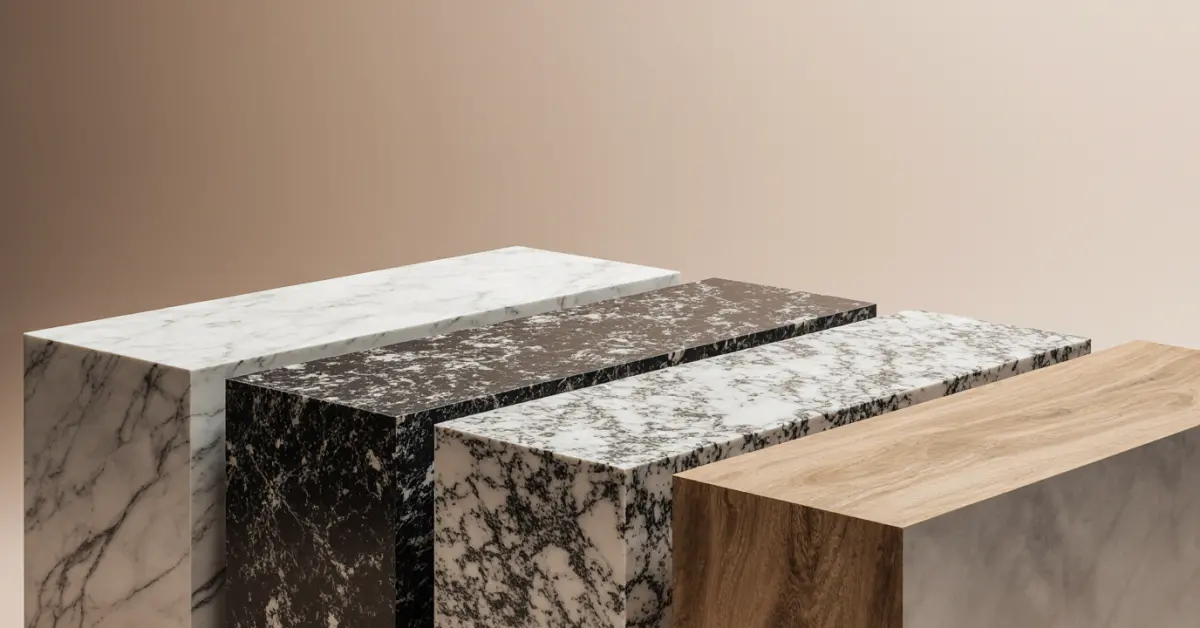
Executive Summary: Countertop Selection in Sarasota
From my years specifying and installing countertops in Sarasota, the central challenge is not aesthetics but long-term
From my years specifying and installing countertops in Sarasota, the central challenge is not aesthetics but long-term performance against our coastal climate. The intense UV radiation, high humidity, and airborne salinity dramatically accelerate wear on materials that perform perfectly well inland. The most common mistake is choosing a surface based on a design magazine photo without understanding how its porosity and composition will react to the local environment. A countertop here is a technical building component as much as it is a design element.
- UV Fading is Real: Materials with high resin content, like many quartz composites, can yellow or fade with prolonged exposure to direct sunlight, a common feature in Sarasota's open-plan, lanai-focused homes.
- Porosity vs. Humidity: Porous natural stones (some marbles, limestones) can harbor moisture and become susceptible to staining or mildew if not impeccably sealed and maintained—a constant battle against our ambient humidity.
- HOA Material Vetting: In communities like Lakewood Ranch or The Founders Club, exterior kitchen or lanai countertop choices may be subject to Design Review Committee approval, with durability and appearance standards.
- Salt Air Corrosion: For homes on Lido Key or Longboat Key, even indoor air carries salt, which can affect the patina of unsealed metals and the integrity of certain natural stones over time.
Planning Failures That Compromise Countertop Longevity
The most significant planning failures I see in Sarasota are rooted in underestimating the climate's impact. Homeowners fall in love with a material's look in a controlled showroom environment and fail to account for the reality of their home's specific location, whether it's facing a sunny western exposure over the bay or nestled in a humid, tree-covered lot east of I-75. The budget gets allocated to the slab's price, not the long-term cost of maintenance or eventual replacement.
The Most Expensive Failure: Ignoring Your Home's Light Exposure
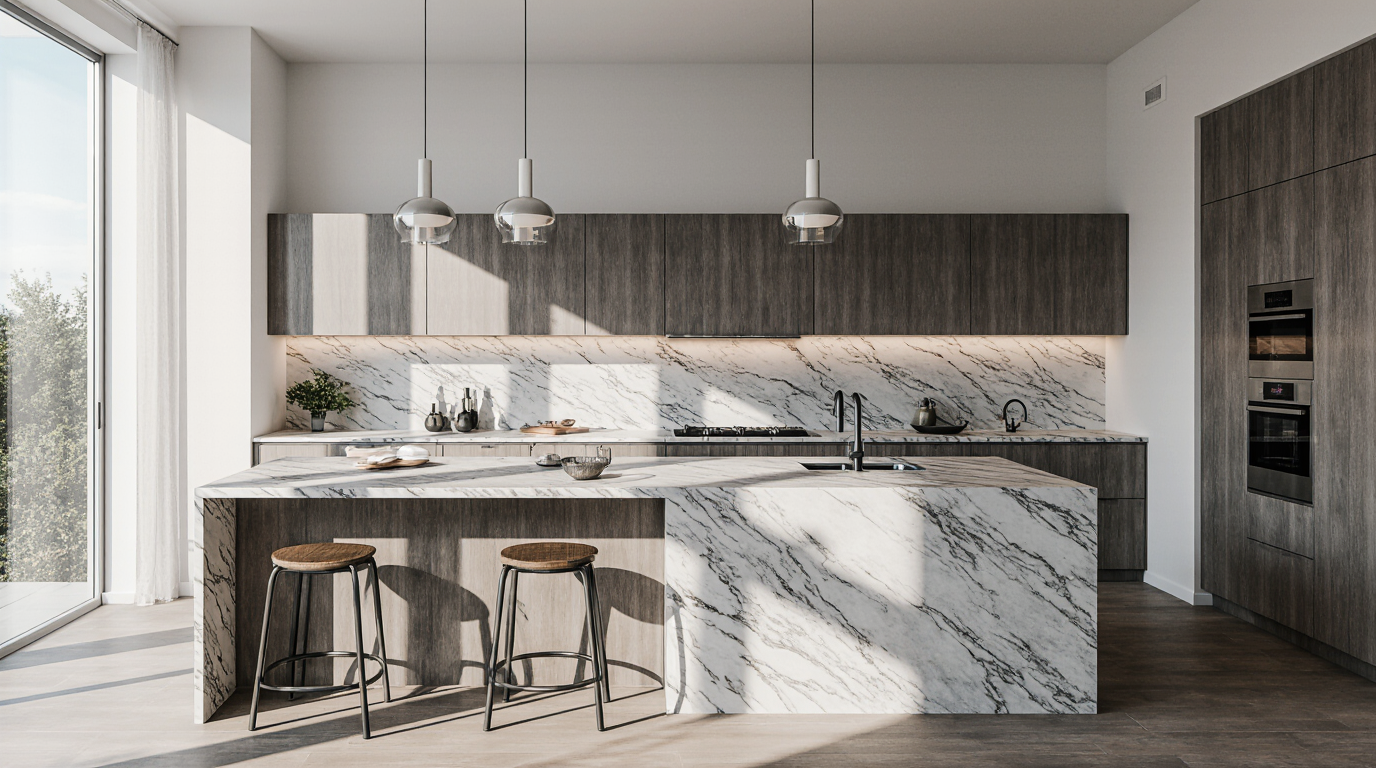
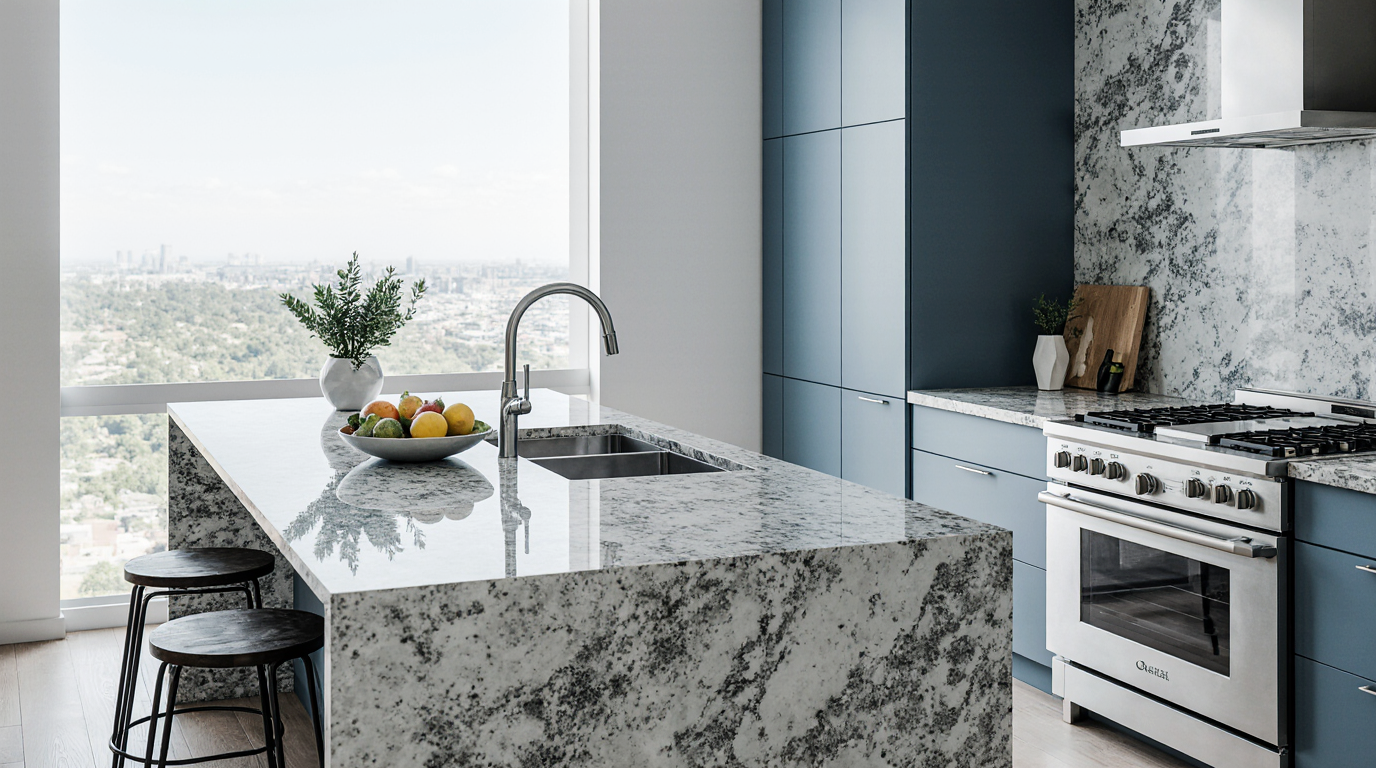
The costliest error is selecting a UV-sensitive material for a sun-drenched space. I handled a project in a beautiful waterfront home on Bird Key where the client insisted on a specific brand of brilliant white quartz for their massive kitchen island, which was directly in the path of afternoon sun pouring through large sliding glass doors. Despite warnings, the aesthetic was non-negotiable. Within three years, a distinct yellowish tint appeared on the half of the island that received direct sunlight, creating a two-toned effect that was impossible to fix. The only solution was a full replacement, a cost that far exceeded the initial price difference for a more UV-stable material like a high-quality porcelain or sintered stone.
How Countertop Selection and Installation Works in Practice
The process begins with a material consultation that must go deeper than color and pattern. We discuss lifestyle—how you cook, entertain, and clean—and critically, your home’s orientation and exposure to the elements. Once a material is chosen, a fabricator creates a precise template of your cabinetry. The slab is then cut, edged, and finished using specialized equipment before being transported and professionally installed. The final step involves sealing (for natural stone) and integrating sinks and cooktops.
Selection Criteria for Sarasota Homeowners
- Location-Specific UV Stability: If the countertop will be near large, untreated windows, especially south or west-facing, prioritize materials rated for high UV resistance like sintered stone (e.g., Dekton, Neolith) or certain granites.
- Porosity and Sealant Requirements: Given Sarasota's humidity, opt for low-porosity materials. If choosing a porous stone like marble, you must commit to a rigorous sealing schedule—often yearly—with a high-quality, impregnating sealer.
- Outdoor Kitchen Suitability: For the popular lanai kitchens, material choice is critical. Only a few materials can withstand direct sun, rain, and salt. Sintered stone, specific outdoor-rated quartz, and dense granites are the primary candidates.
- HOA Compliance for Outdoor Spaces: Before finalizing an outdoor countertop, verify your community's architectural guidelines. Many HOAs in areas like Palmer Ranch have specific restrictions on color, reflectivity, and material type to maintain community aesthetics.
Comparison with Alternative Surfaces
Choosing a countertop involves balancing cost, aesthetics, and performance. In Sarasota, the performance metric carries more weight than in many other regions. Below is a comparison of popular high-end choices based on criteria crucial for our local environment.
| Material | UV Resistance (Direct Sun) | Stain & Humidity Resistance | Maintenance Level in Coastal Climate |
|---|---|---|---|
| Engineered Quartz | Moderate to Low (risk of yellowing) | Excellent (non-porous) | Low |
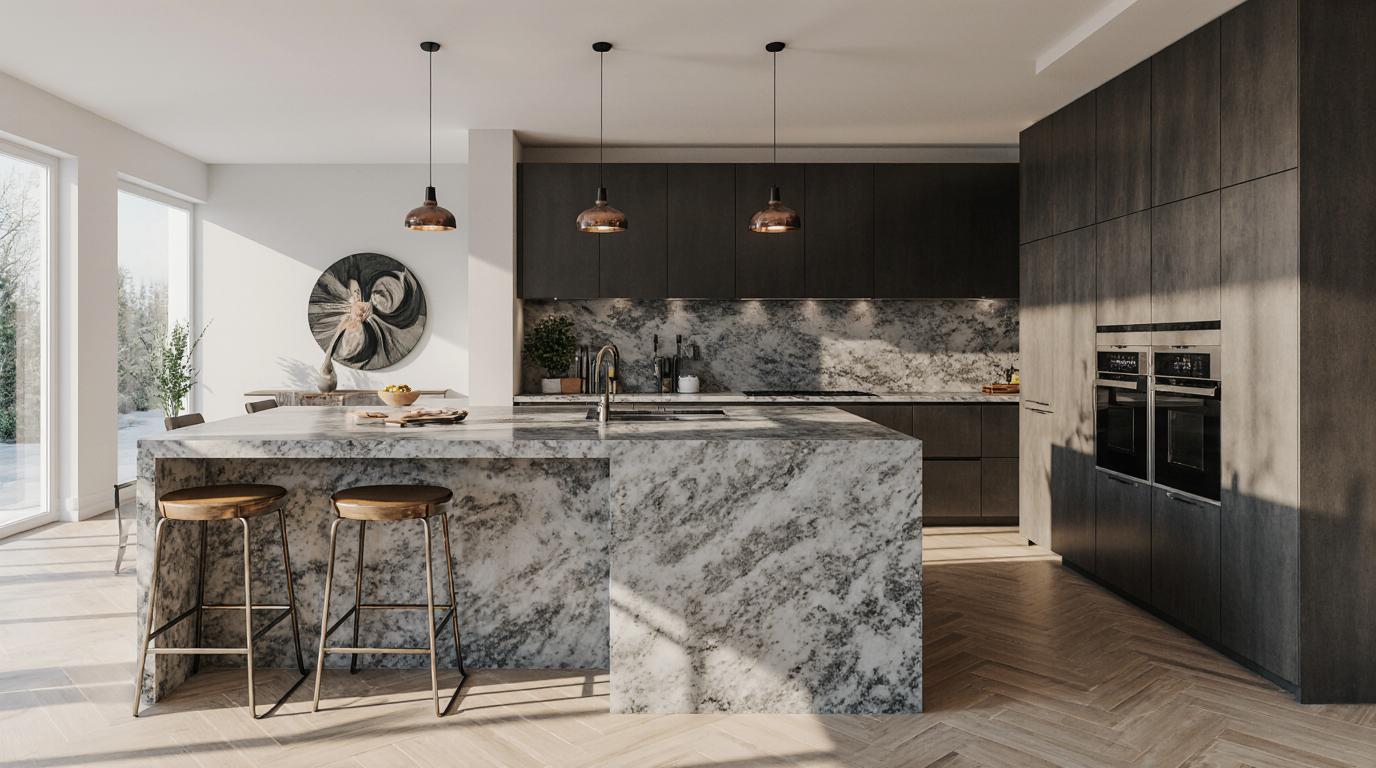
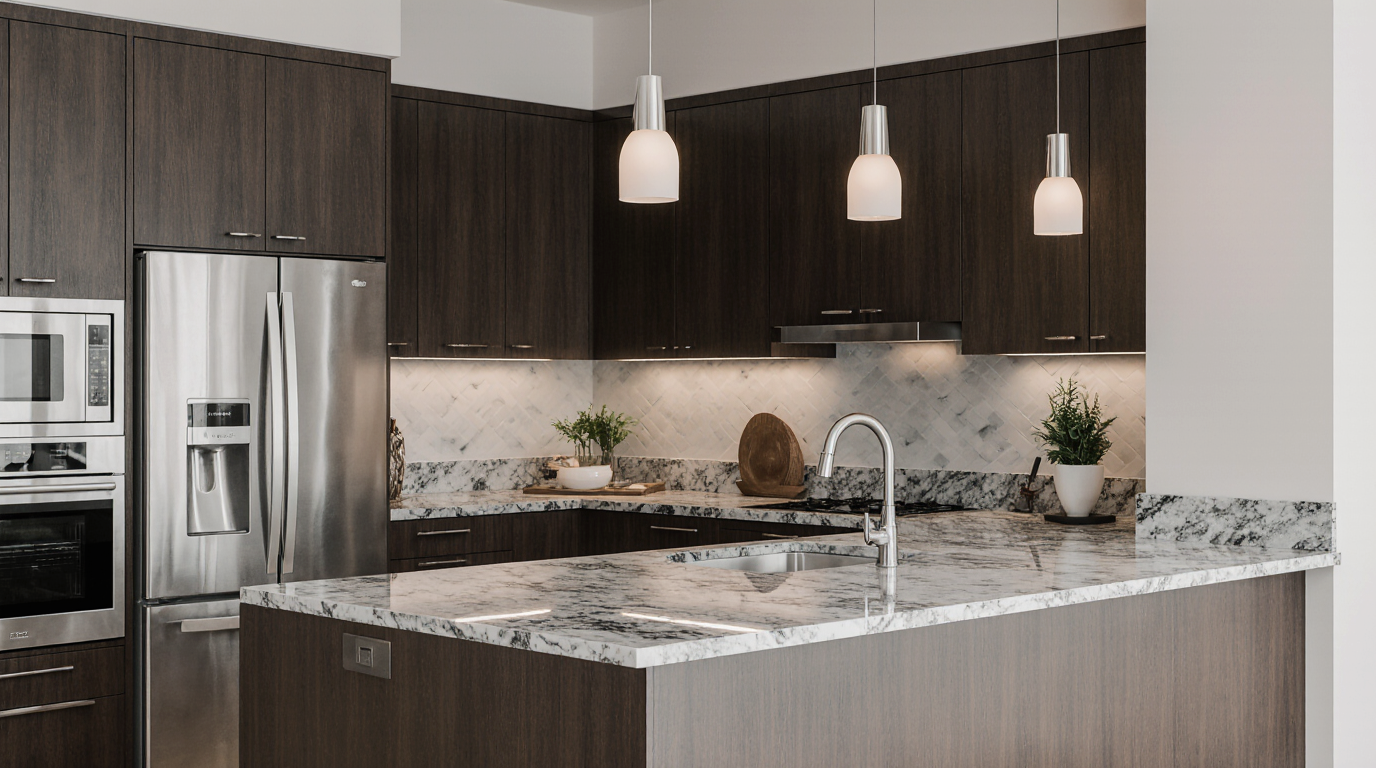
| Granite | Excellent | Good (requires periodic sealing) | Moderate |
| Marble | Excellent | Low (porous, etches easily) | High |
| Sintered Stone (e.g., Dekton) | Excellent (often rated for exteriors) | Excellent (virtually non-porous) | Very Low |
When a High-End Stone is Not the Right Choice
A luxury material like Calacatta marble might be the centerpiece of a design vision, but it is unequivocally the wrong choice for a busy family with young children in Sarasota, especially if they are seasonal residents. The commitment to cleaning up spills immediately to prevent etching and the diligent sealing schedule is often unrealistic for a vacation home. In such cases, the constant worry and high maintenance erode the joy of the beautiful surface, making a high-quality porcelain or quartz a much better fit for the actual lifestyle.
Safe Hiring and Purchasing Checklist
- Verify the fabricator and installer are licensed and insured in the state of Florida. Ask for their certificate of insurance.
- Request a written warranty that covers both the material from the manufacturer and the installation labor from the fabricator.
- For homes in wind-borne debris regions, especially on the barrier islands, ensure the installer is familiar with Florida Building Code requirements for securing cabinetry and countertops, which can be more robust.
- Insist on seeing the full slab(s) you are purchasing before they are cut. Natural stone has significant variations, and the sample you see in a showroom may not represent the whole picture.
- Confirm the type of sealer being used for natural stone. For Sarasota's humid climate, a high-grade, solvent-based impregnating sealer offers better and longer-lasting protection than a basic water-based topical sealer.
- Get a clear, itemized quote that separates the cost of the material, fabrication, installation, and any additional work like plumbing reconnections or tear-out of old tops.
- Ask for local references, specifically for projects in similar environments to yours (e.g., a beachfront condo or a golf course community home).
Decisions That Determine the Outcome
The success of a countertop project here is determined long before the installation team arrives. It hinges on an honest assessment of your tolerance for maintenance versus your aesthetic desires. I have seen clients choose the "perfect" countertop for a magazine shoot, only to regret it within a year because it demands more care than their lifestyle allows. The best outcomes happen when the material choice is driven by performance characteristics first, and aesthetics second.
The Exact Moment When the Majority Gets It Wrong
The critical mistake happens at the slab yard. Clients walk in with a specific color or pattern in mind, find a beautiful slab, and make an emotional decision on the spot. The right approach is to reverse the process. Before you ever go to look at slabs, you should have a technical specification sheet in hand, created with your designer or contractor, that outlines the non-negotiable performance needs for your specific application: UV stability rating, porosity level, and maintenance frequency you are willing to accept. You then use this checklist to filter the options at the yard. This turns an emotional choice into a rational one and prevents costly, long-term disappointment.
Practical Answers About Operations in Sarasota
What is the Timeline for a Custom Countertop Project?
For a typical kitchen in Sarasota, the timeline from final material selection to completed installation is usually three to five weeks. The process involves templating (1 day), fabrication (1-2 weeks), and installation (1-2 days). However, for condos on Longboat Key or Siesta Key, this can be extended. Many condominium associations have strict rules limiting work hours (e.g., 9 AM to 4 PM, no weekends) and require advance scheduling for elevator use, which can add a week or more to the total project time.
How Do HOA Design Reviews Impact Choices?
In master-planned communities, particularly for outdoor kitchens or lanais visible to neighbors, the Homeowners Association (HOA) Design Review Committee (DRC) often has final say. They may have a pre-approved palette of materials and colors. Submitting a non-approved material requires a formal application with samples and specifications. This process in Sarasota County can take anywhere from 30 to 60 days for approval, a critical delay that must be factored into any renovation schedule, especially for seasonal residents.
Are There Special Installation Codes for Coastal Homes?
While the Florida Building Code doesn't specify countertop materials, it does have stringent requirements for how cabinetry is secured to the structure, especially in high-velocity hurricane zones (HVHZ) which cover all of Sarasota's coastal areas. A countertop's stability depends on the cabinets beneath it. A reputable installer will verify that the cabinet installation meets code, as improperly secured base cabinets can shift or fail during a storm, causing the countertop to crack or detach. This is not just a recommendation; it's a critical safety and structural integrity issue.