Quartz Countertops Average Pricing: Essential Insights for Wise Home Investment
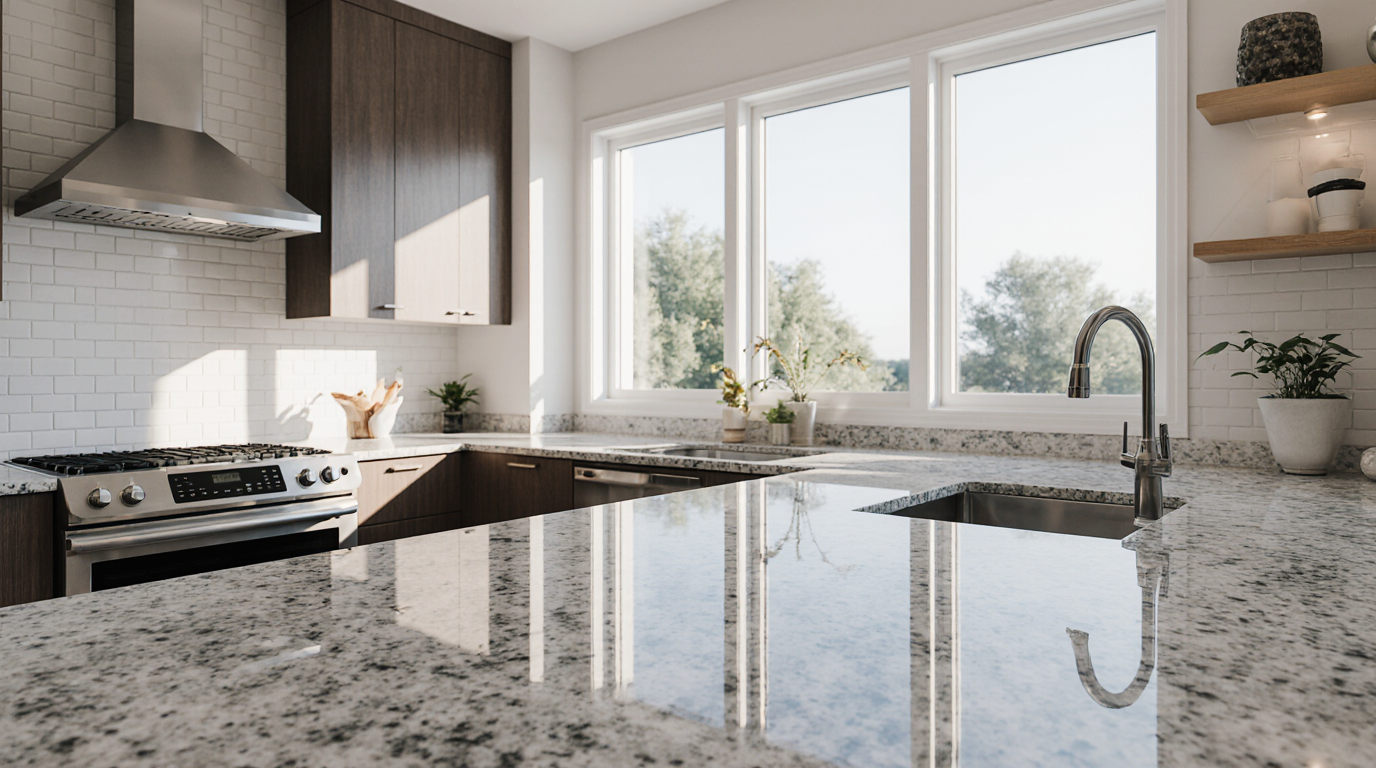
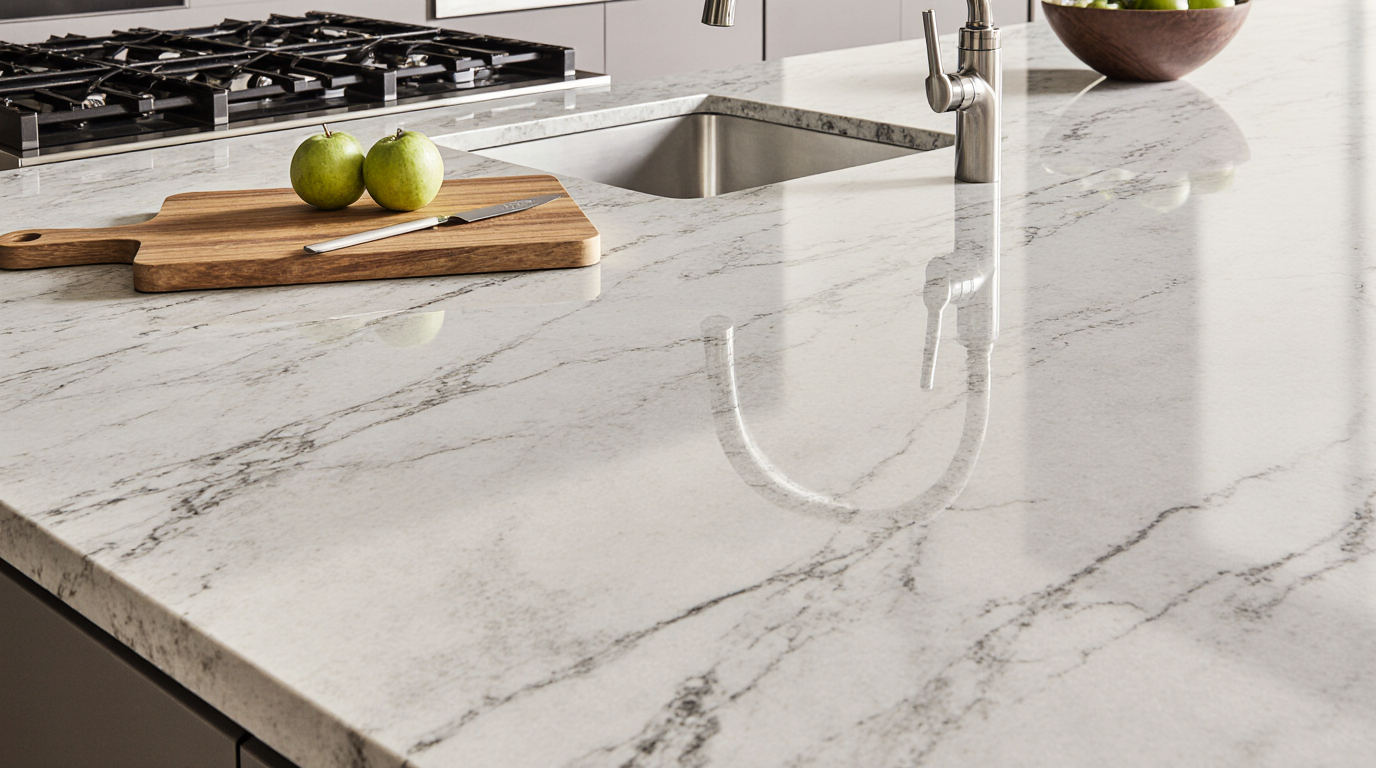
For homeowners planning kitchen or bathroom upgrades, the choice of countertop represents a critical combination of style, resilience, and financial sensibility. Quartz countertops have surged in popularity due to their superior strength, elegant appearance, and minimal maintenance requirements. Compared to natural stones such as granite or marble, engineered quartz provides consistent patterns, uniform colors, and superior resistance to scratches, stains, and thermal stress. For those desiring surfaces that endure daily kitchen or bathroom activity, quartz presents a compelling and reliable investment. Before initiating a countertop project, grasping the average quartz cost helps ensure informed decisions. Prices vary based on several factors, including the quality of quartz, slab thickness, complexity of the installation, and regional market differences. On average, homeowners can expect to pay between $50 to $150 per square foot for materials alone. Exclusive or designer quartz slabs often command $200+ per square foot due to unique patterns and premium finishes. When juxtaposed with laminate or solid surfaces, quartz delivers an exceptional combination of elegance and long-term value.
The installation process is another key factor influencing the total expense of quartz countertops. Incorrect installation can diminish both the aesthetic and functional performance, making certified installation essential. Most reputable contractors include fabrication, template creation, and precise installation in their estimates, which may add $30 to $70 per square foot to the material cost. Although some homeowners contemplate installing quartz themselves, the substantial weight and precise fitting render DIY impractical. Hiring a certified professional guarantees seamless alignment, edge perfection, and extended durability, reinforcing the investment’s value. One of the most appealing aspects of quartz countertops is their low maintenance and enduring durability. Unlike natural stones that may require periodic sealing or polishing, quartz surfaces are non-porous, resisting bacterial growth and liquid absorption. Quartz is particularly suited for busy households prioritizing sanitary surfaces and convenient maintenance. Wiping down a quartz countertop with a mild cleaner and soft cloth is sufficient to maintain its pristine look for years. Durable quartz minimizes the need for repairs or replacement, providing long-term cost efficiency despite initial investment.
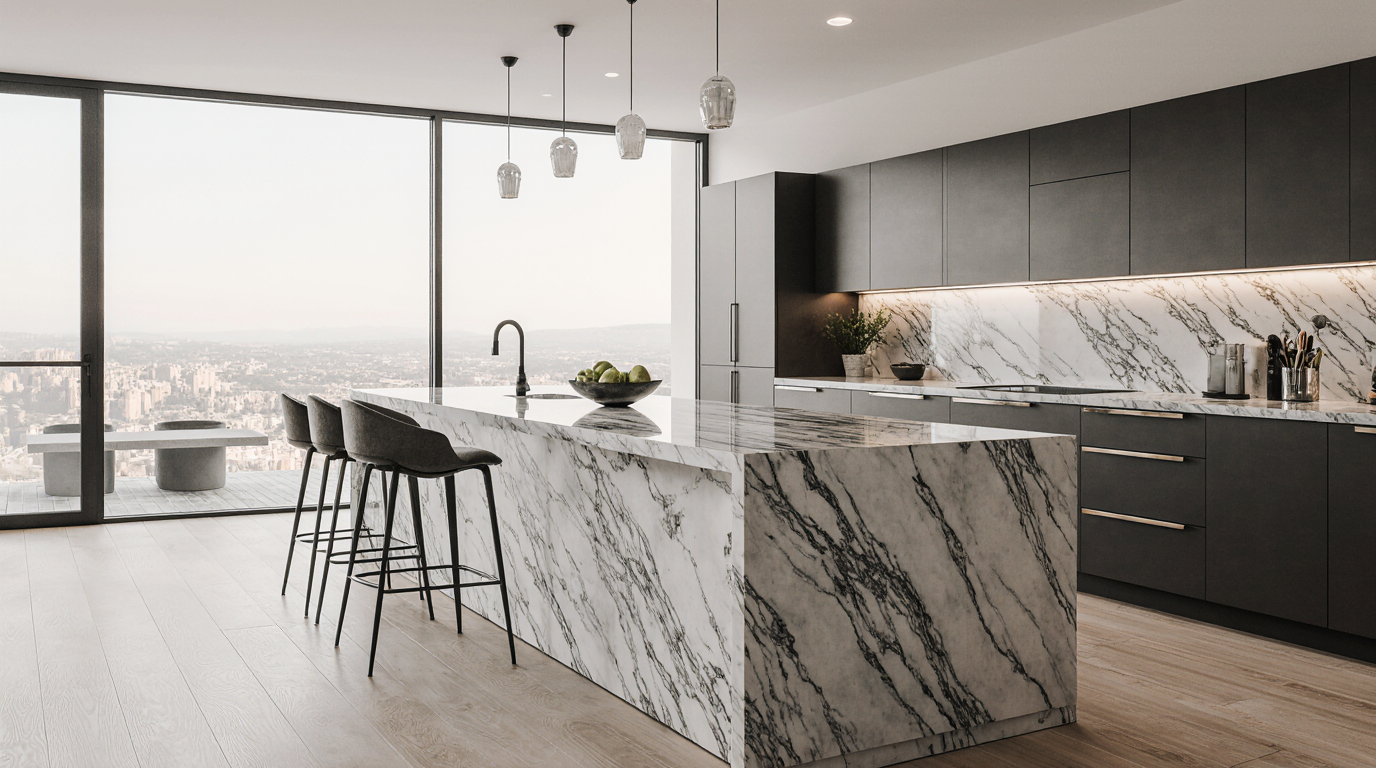
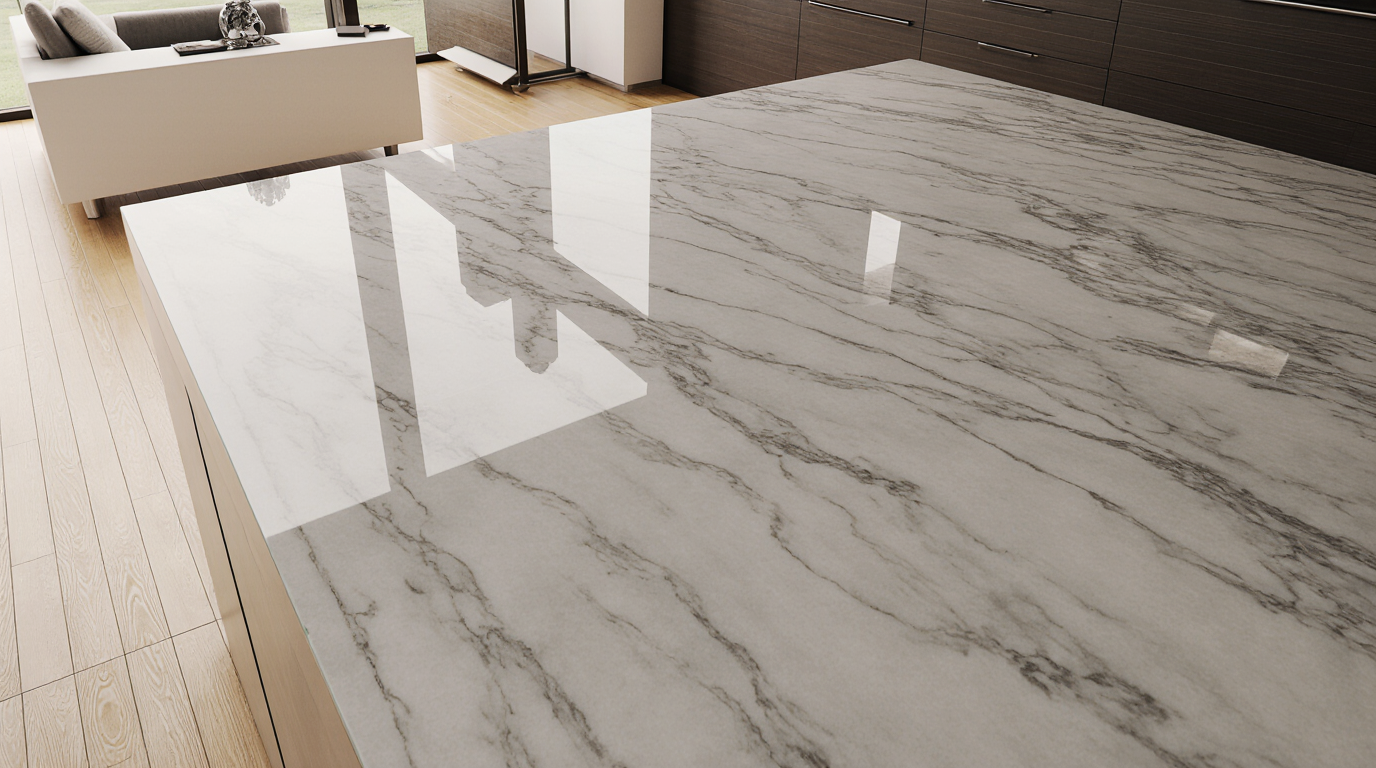
Design flexibility significantly affects the overall cost and appeal of quartz countertops. Manufacturers produce quartz in countless colors, patterns, and finishes, from sleek and modern solid shades to intricate veining that mimics natural marble. Specialty edges, embedded sinks, or appliance cutouts enhance customization but may raise installation expenses. Many homeowners find that the aesthetic versatility of quartz allows them to achieve the exact style and ambiance desired, enhancing both functionality and home value. Warranty terms are a pivotal component when assessing the total value of quartz surfaces. Strong warranty provisions by reputable suppliers guarantee durability and minimize the risk of unexpected costs. Selecting a premium quartz brand with robust warranty safeguards reduces the likelihood of costly problems down the line. Given quartz’s durability of 20+ years, upfront costs are offset by extended utility and financial benefits.
Geographical location also impacts the average price of quartz countertops. Urban areas with higher labor costs or regions with limited supplier access may experience elevated prices. Regions rich in experienced installers and multiple suppliers often enjoy more competitive pricing. Homeowners should obtain multiple quotes and compare not just the base material but also the level of expertise and service offered by installers. Attention to detail in installation maximizes beauty, strength, and long-term functionality of quartz countertops. While quartz is typically more expensive than laminate or solid surface alternatives, its long-term advantages often justify the price difference. Long-term durability, minimal upkeep, and resilience to everyday wear make quartz a financially sensible choice. Additionally, quartz countertops retain their aesthetic appeal for decades, contributing positively to property value in resale scenarios. Real estate experts frequently highlight modern, durable countertops like quartz as a key selling point, influencing both buyer perception and market price.
Choosing standard thickness or less intricate quartz designs allows cost-conscious homeowners to enjoy premium surfaces affordably. Balancing visual appeal with practical considerations, such as slab size and edge profile, allows for a luxurious surface without exceeding financial constraints. Additionally, some suppliers offer remnants or slightly imperfect slabs at a discount, providing an opportunity to achieve the signature quartz look at reduced cost, especially for smaller areas or secondary countertops. Evaluating total investment in quartz involves considering slab costs, labor, design customizations, and durability advantages. Its unique blend of resilience, aesthetic sophistication, and sanitary benefits makes quartz superior to most alternatives. Selecting quartz provides a premium blend of function, beauty, and investment security, elevating kitchens and bathrooms alike. Thoughtful evaluation of brands, expert installation, and comprehensive warranty safeguards makes quartz a long-term, elegant, and practical investment.