Average Cost of Quartz Countertops: What You Need to Know for Smart Investment
When it comes to kitchen and bathroom renovations, choosing the right countertop is a decision that combines aesthetics, durability, and value. Quartz countertops have surged in popularity due to their superior strength, elegant appearance, and minimal maintenance requirements. Engineered quartz distinguishes itself from natural stone alternatives through consistent appearance, predictable coloration, and impressive durability against everyday wear and heat. For those desiring surfaces that endure daily kitchen or bathroom activity, quartz presents a compelling and reliable investment. Understanding the average cost of quartz countertops is essential before committing to a project. The total expense of quartz depends on factors like brand quality, slab thickness, the intricacy of installation, and geographic pricing trends. On average, homeowners can expect to pay between $50 to $150 per square foot for materials alone. Premium quartz brands or custom designs can push prices beyond $200 per square foot, reflecting the material’s exclusivity and aesthetic appeal. Comparing these figures with alternatives like laminate or solid surface countertops demonstrates that quartz offers a balance of affordability and luxury that is difficult to match.
The installation process is another key factor influencing the total expense of quartz countertops. Engaging skilled installers ensures precision in cutting, leveling, and sealing, safeguarding durability and visual perfection. Most reputable contractors include fabrication, template creation, and precise installation in their estimates, which may add $30 to $70 per square foot to the material cost. While DIY enthusiasts might consider self-installation, it is rarely practical due to the weight of quartz slabs and the precision required. Engaging a certified installer ensures the surface remains flawless, enhancing both the lifespan and the value of the investment. One of the most appealing aspects of quartz countertops is their low maintenance and enduring durability. Unlike natural stones that may require periodic sealing or polishing, quartz surfaces are non-porous, resisting bacterial growth and liquid absorption. Quartz is particularly suited for busy households prioritizing sanitary surfaces and convenient maintenance. Wiping down a quartz countertop with a mild cleaner and soft cloth is sufficient to maintain its pristine look for years. Durable quartz minimizes the need for repairs or replacement, providing long-term cost efficiency despite initial investment.
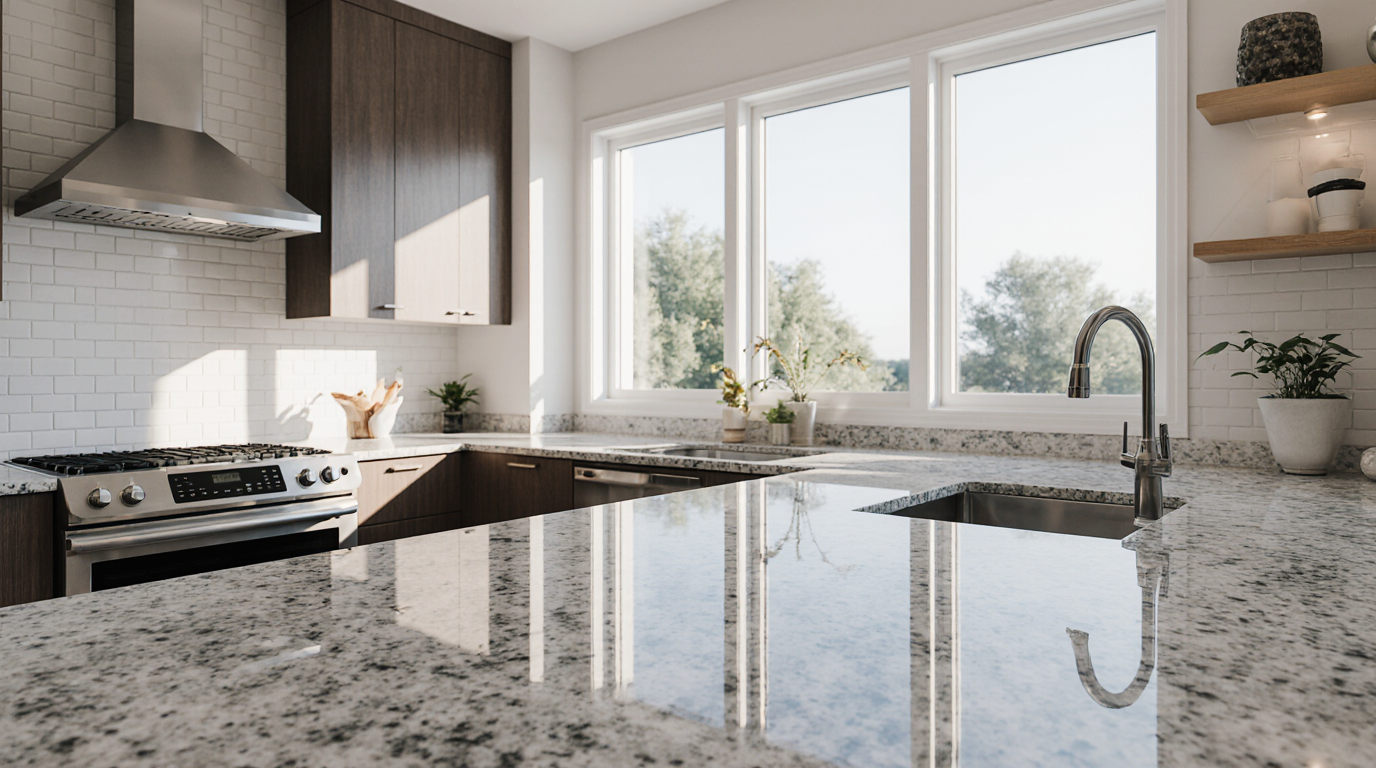
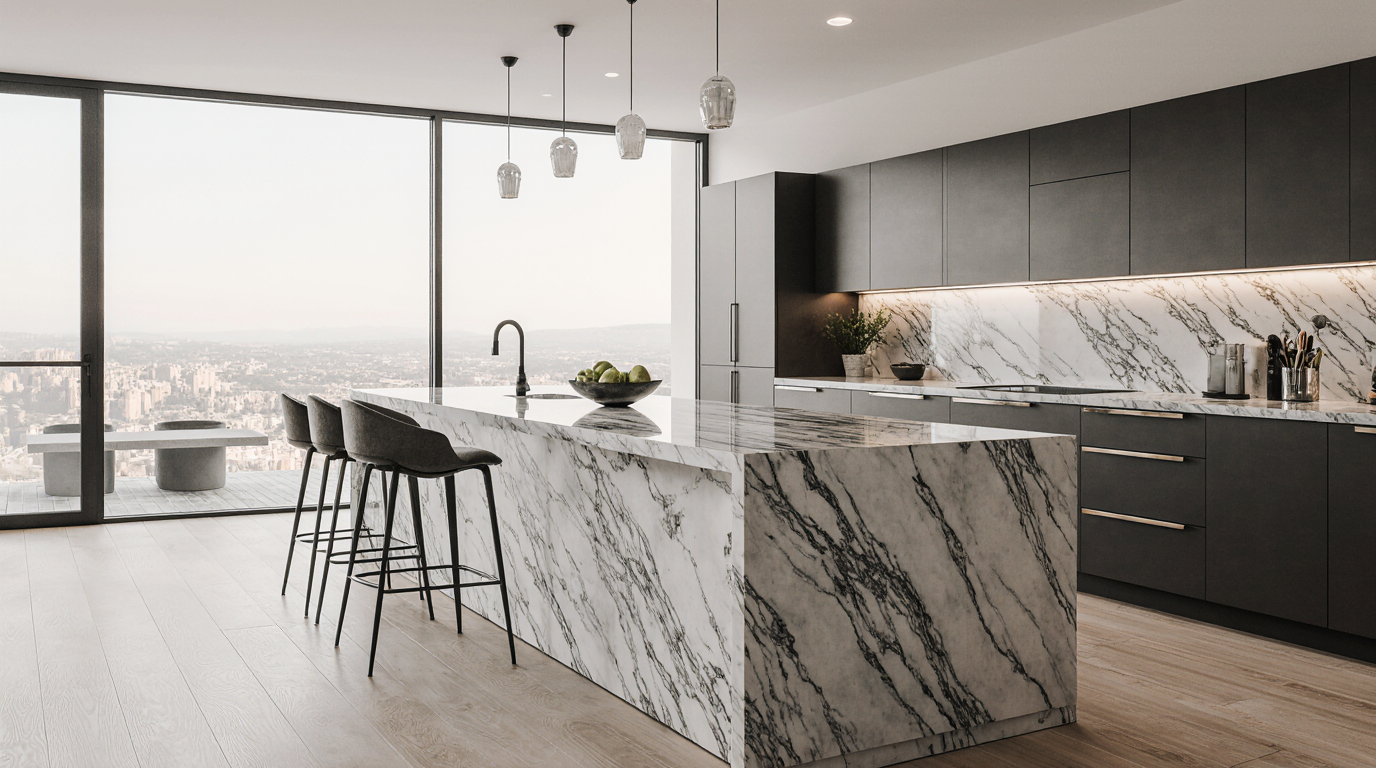
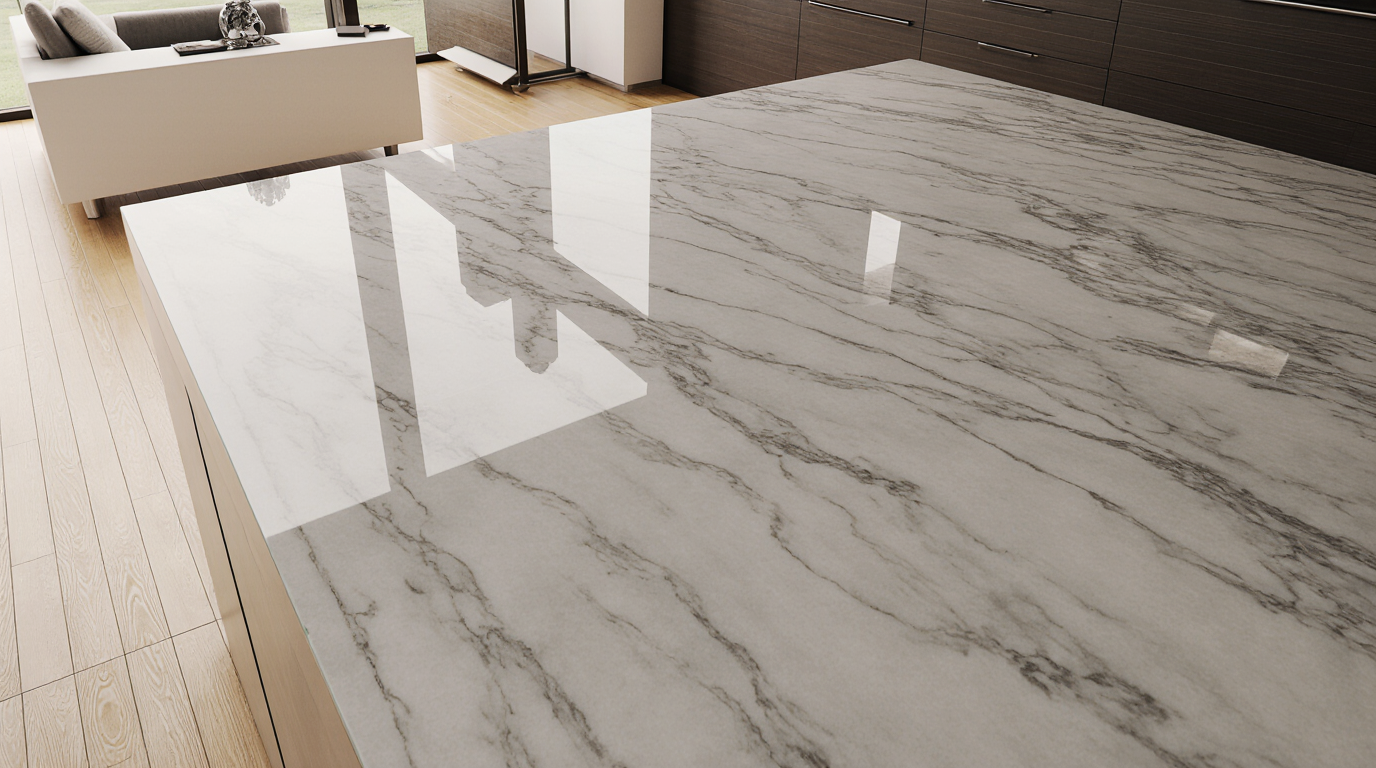
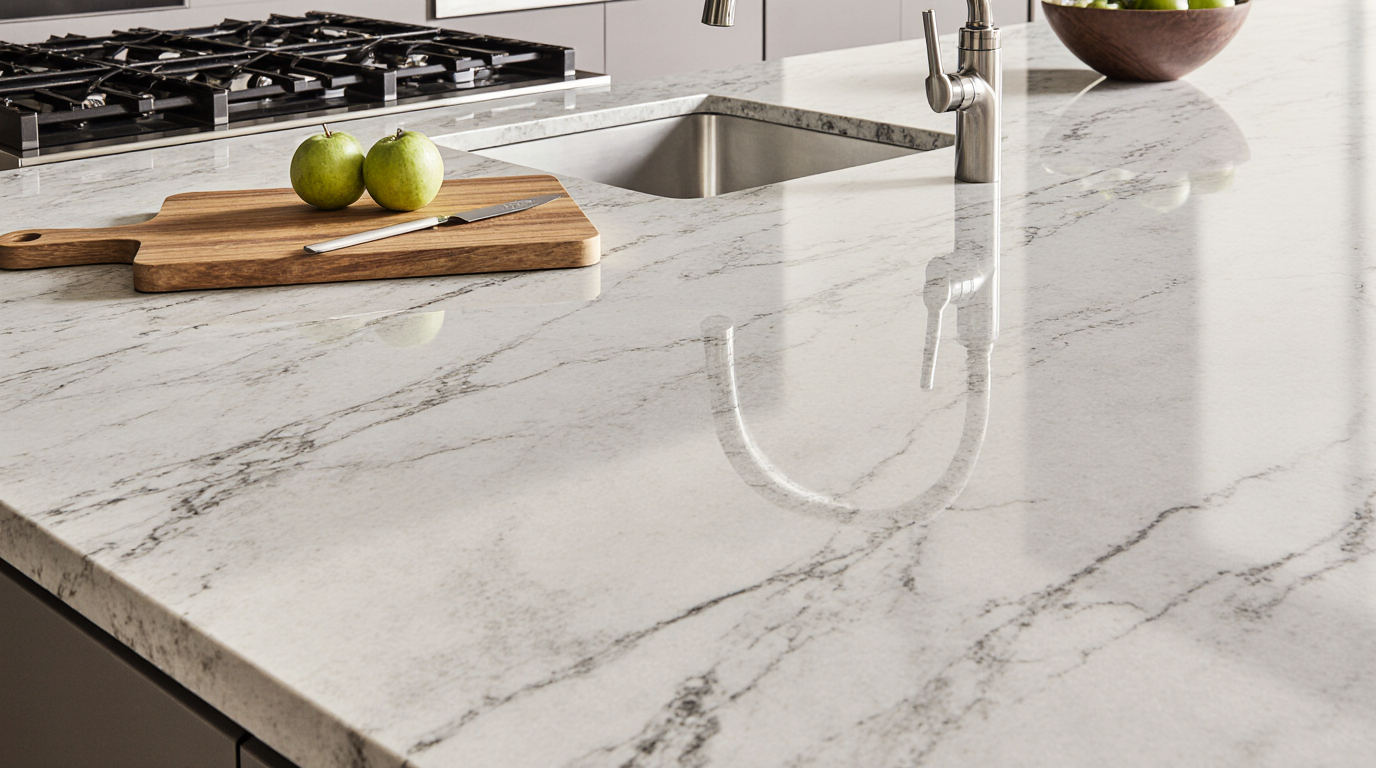
Another consideration when evaluating the average cost of quartz countertops is the range of design options available. Manufacturers produce quartz in countless colors, patterns, and finishes, from sleek and modern solid shades to intricate veining that mimics natural marble. Customized design elements elevate the luxury of quartz installations while influencing overall pricing. Many homeowners find that the aesthetic versatility of quartz allows them to achieve the exact style and ambiance desired, enhancing both functionality and home value. Warranty terms are a pivotal component when assessing the total value of quartz surfaces. Reputable brands often offer limited lifetime warranties covering defects in material and workmanship, offering homeowners peace of mind. Investing in a high-quality quartz product with strong warranty protection can mitigate potential issues and prevent unexpected expenses in the future. Long-term durability and minimal maintenance render the initial outlay for quartz highly cost-effective and strategically advantageous.
Location-specific market factors influence quartz pricing significantly. Urban areas with higher labor costs or regions with limited supplier access may experience elevated prices. Availability of numerous skilled contractors and suppliers can reduce prices while maintaining installation excellence. Homeowners should obtain multiple quotes and compare not just the base material but also the level of expertise and service offered by installers. Quality craftsmanship ensures proper seam alignment, edge detailing, and overall finish, which significantly affects both appearance and durability. Despite higher upfront costs, quartz’s durability, aesthetic appeal, and low maintenance make it a smart investment compared to laminate or solid surfaces. Long-term durability, minimal upkeep, and resilience to everyday wear make quartz a financially sensible choice. Quartz surfaces maintain their beauty and marketability over time, enhancing resale potential. Property specialists often cite high-quality quartz countertops as a strong selling feature, impacting buyer interest and valuation.
For homeowners exploring budget-friendly options, selecting quartz slabs with moderate patterns or standard thickness can help manage the overall cost of installation. Smart selection of slab dimensions, edge styles, and patterns achieves elegance without overextending budgets. Additionally, some suppliers offer remnants or slightly imperfect slabs at a discount, providing an opportunity to achieve the signature quartz look at reduced cost, especially for smaller areas or secondary countertops. A comprehensive cost analysis for quartz combines pricing, installation complexity, bespoke options, and longevity considerations. Quartz offers an unmatched combination of durability, style, and hygiene that few other materials can match. Investing in quartz ensures a visually stunning, functional surface that retains value and supports everyday lifestyle demands. Carefully comparing brands, consulting professional installers, and reviewing warranty coverage ensures a wise investment, turning a functional surface into a centerpiece of design and longevity.